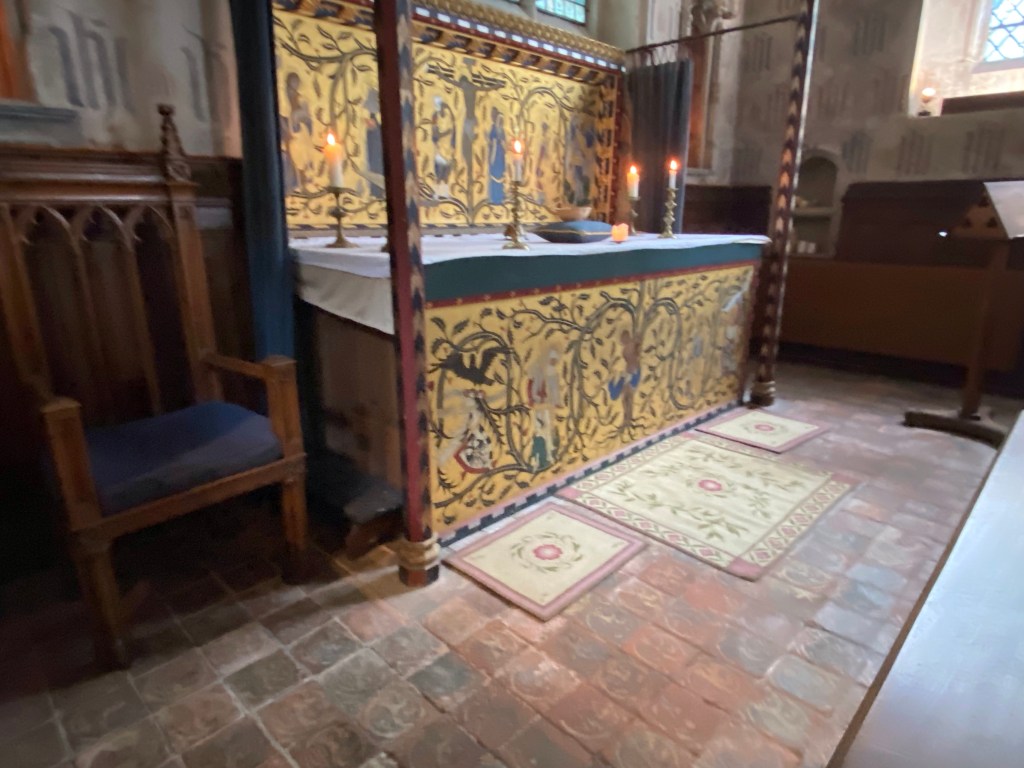
Glastonbury and the Legend of Arthur

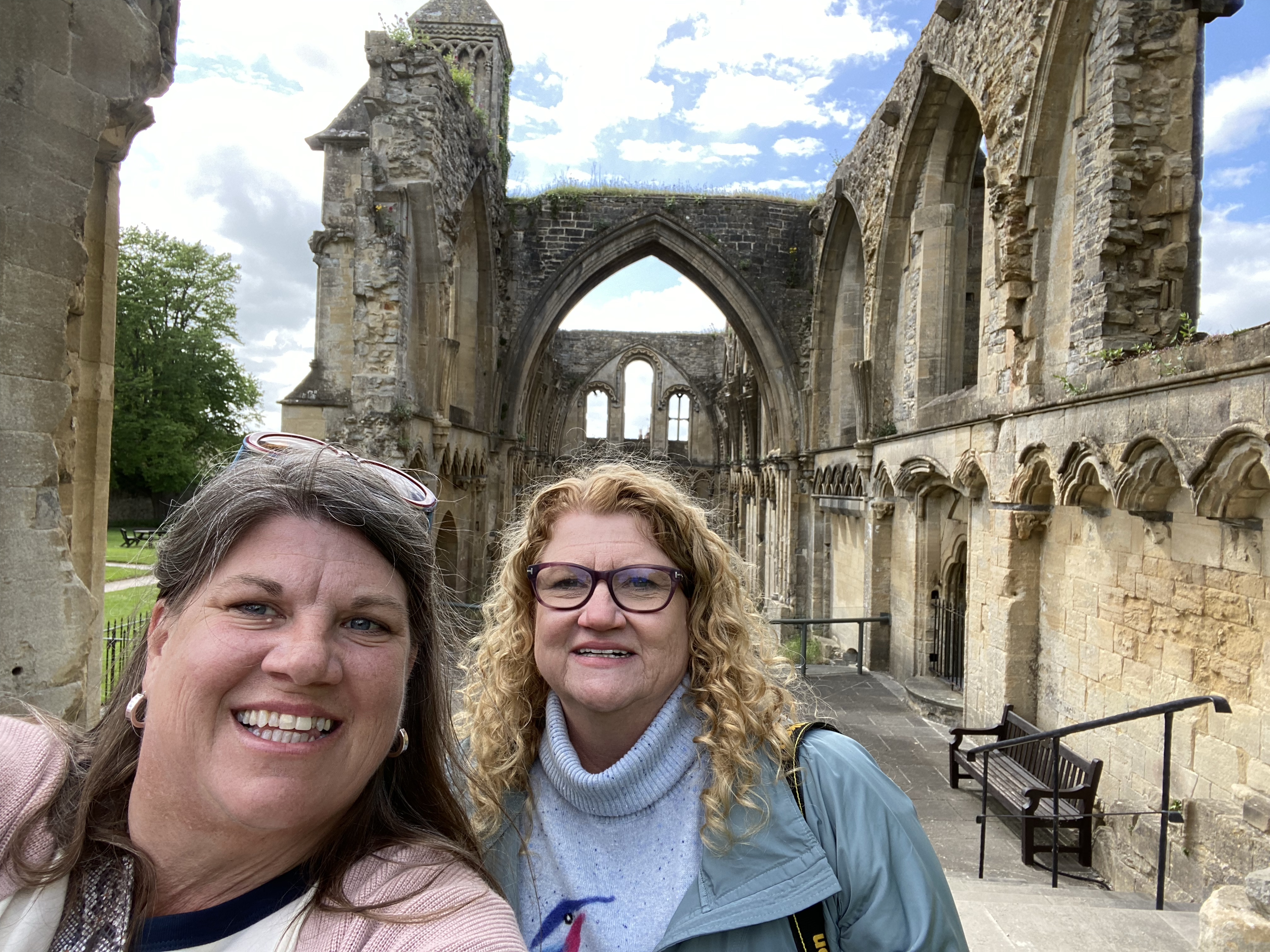
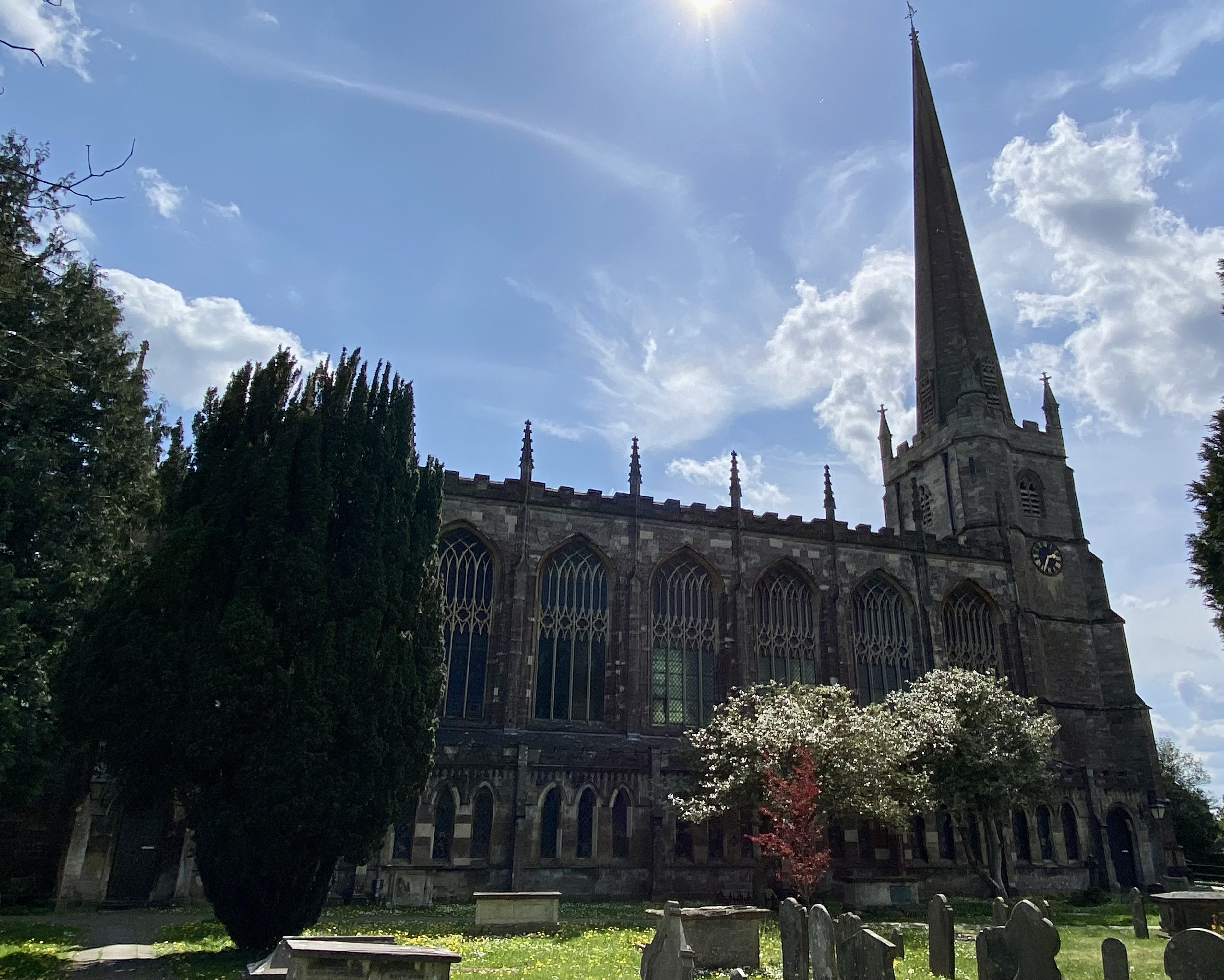
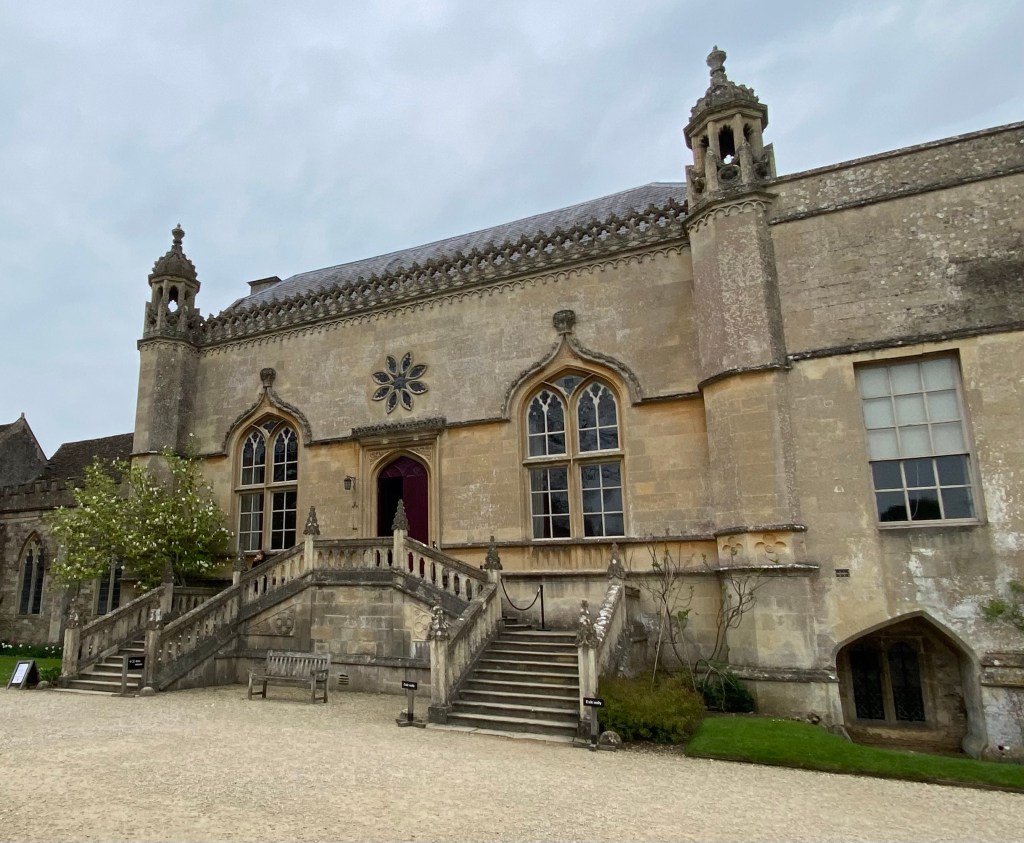
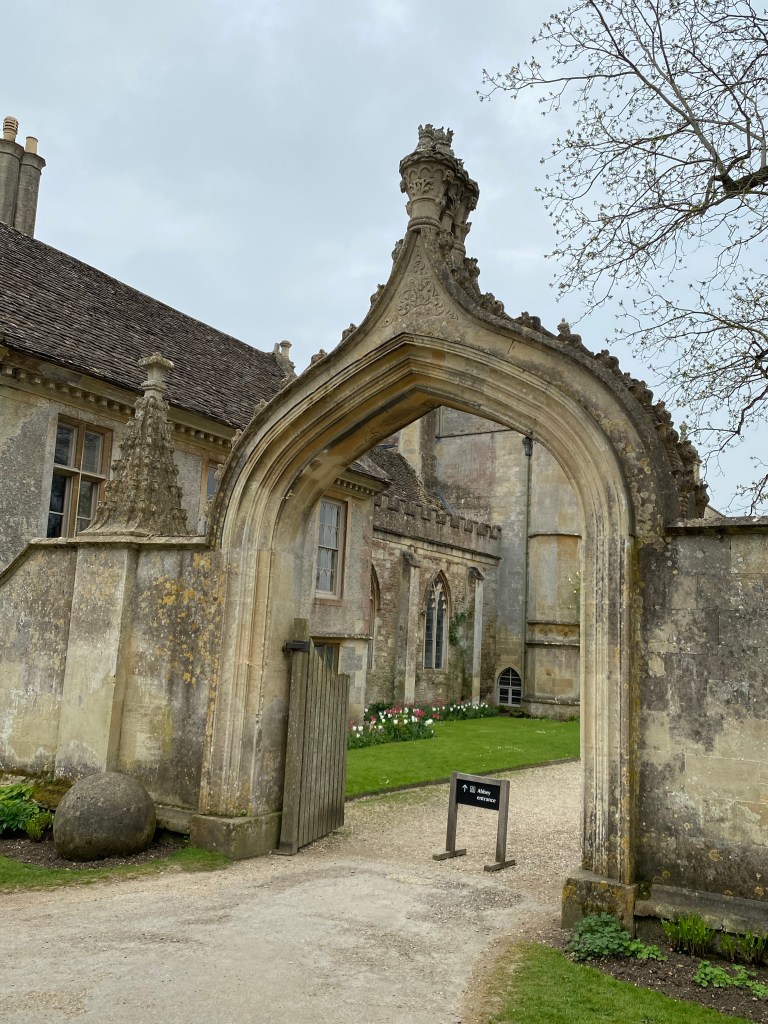
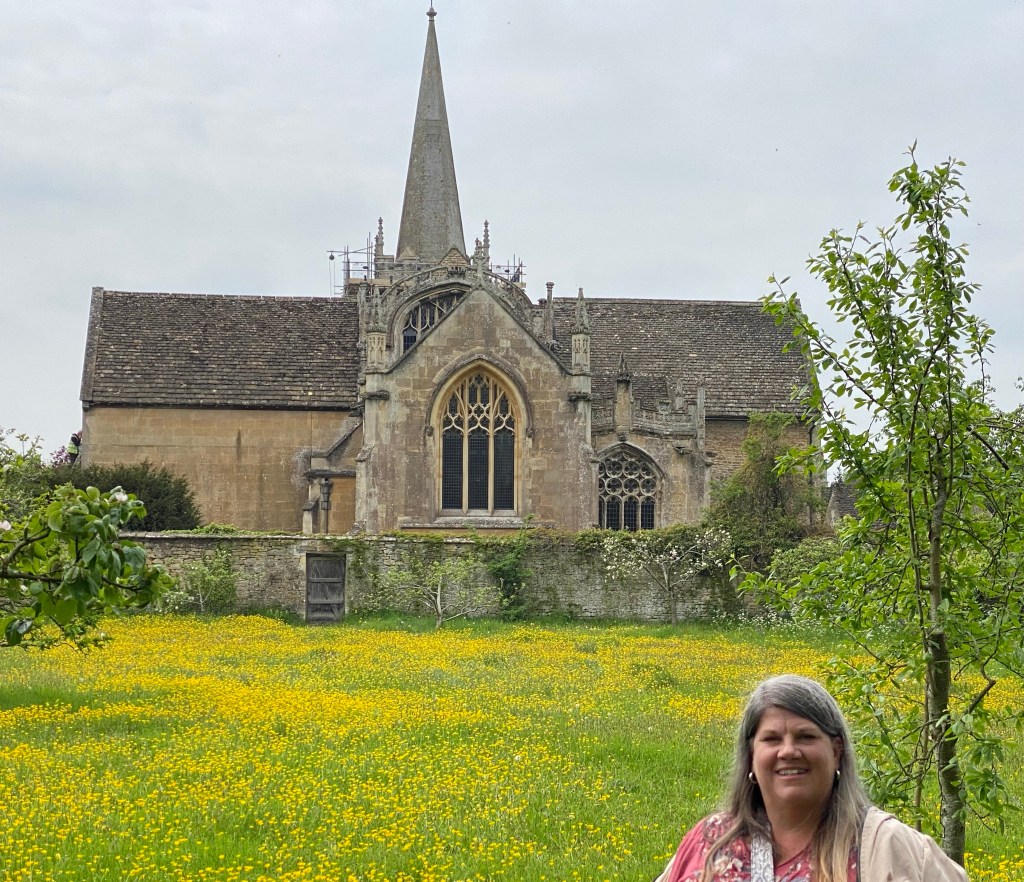
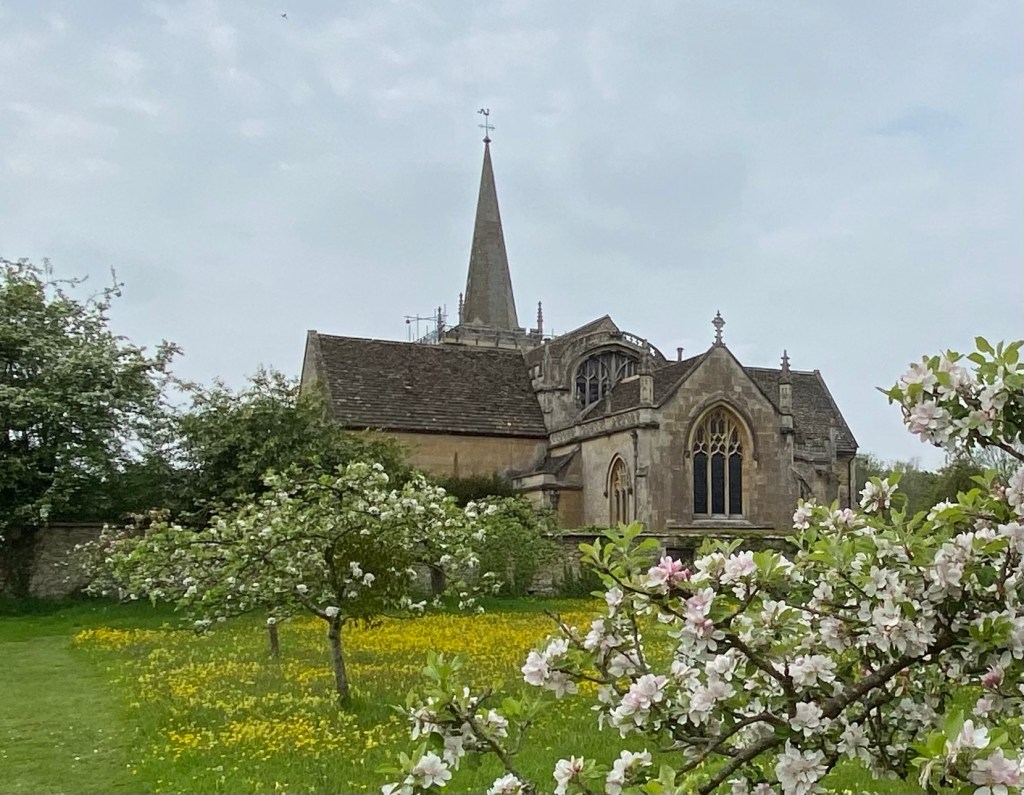
Today was a relatively easy day with just one stop in Glastonbury to see the cathedral and monastery ruins. We had a choice of this or a walking tour and free afternoon in Bath. We decided Bath was easier to get back to on our own so we went to Glastonbury. I had been years ago on my trip with mom and remembered that the church was right in the middle of the town but did not remember that the town was so new age so maybe that is new. So sadly the free time shopping was not so great but otherwise a lovely day.

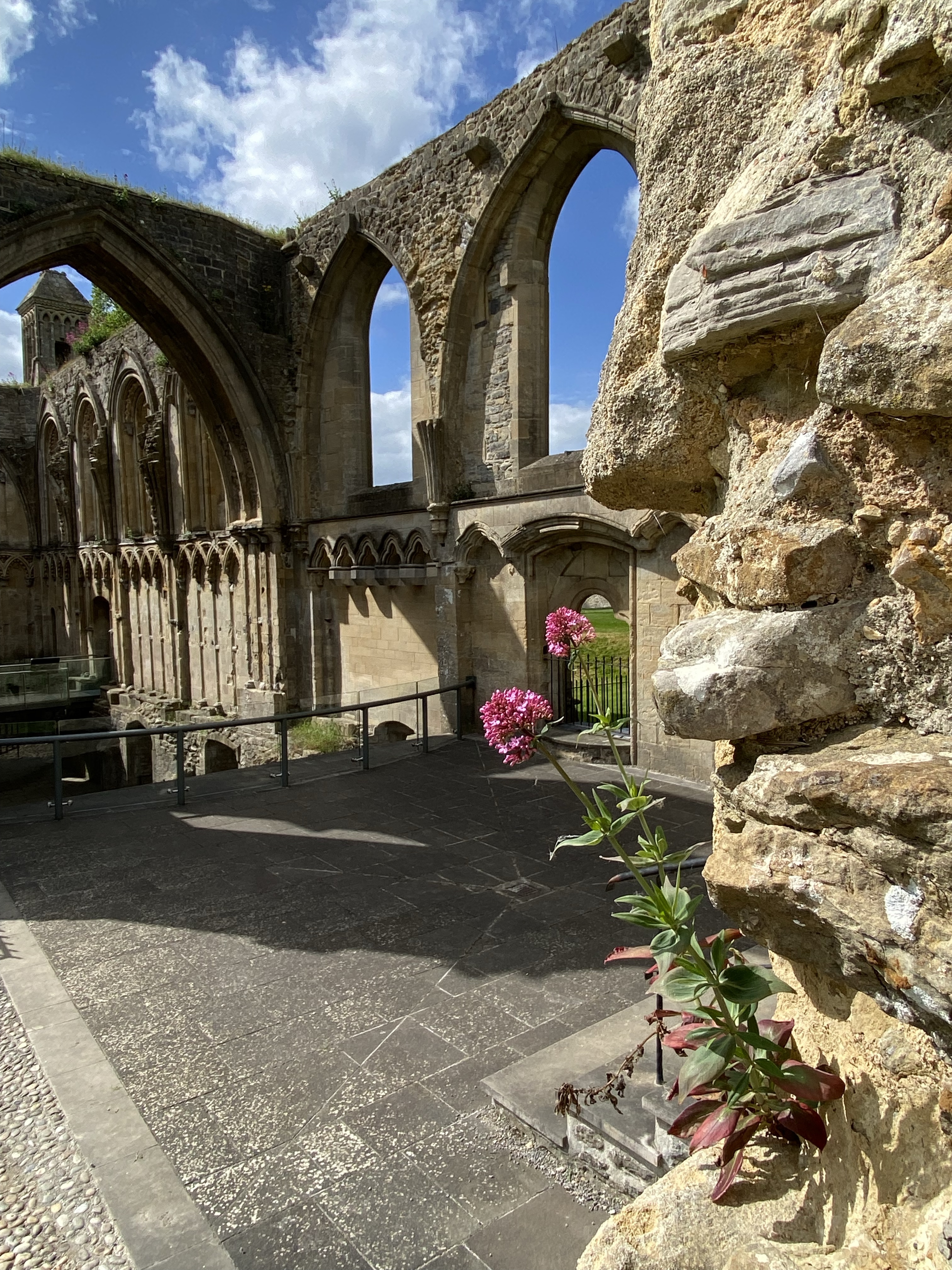
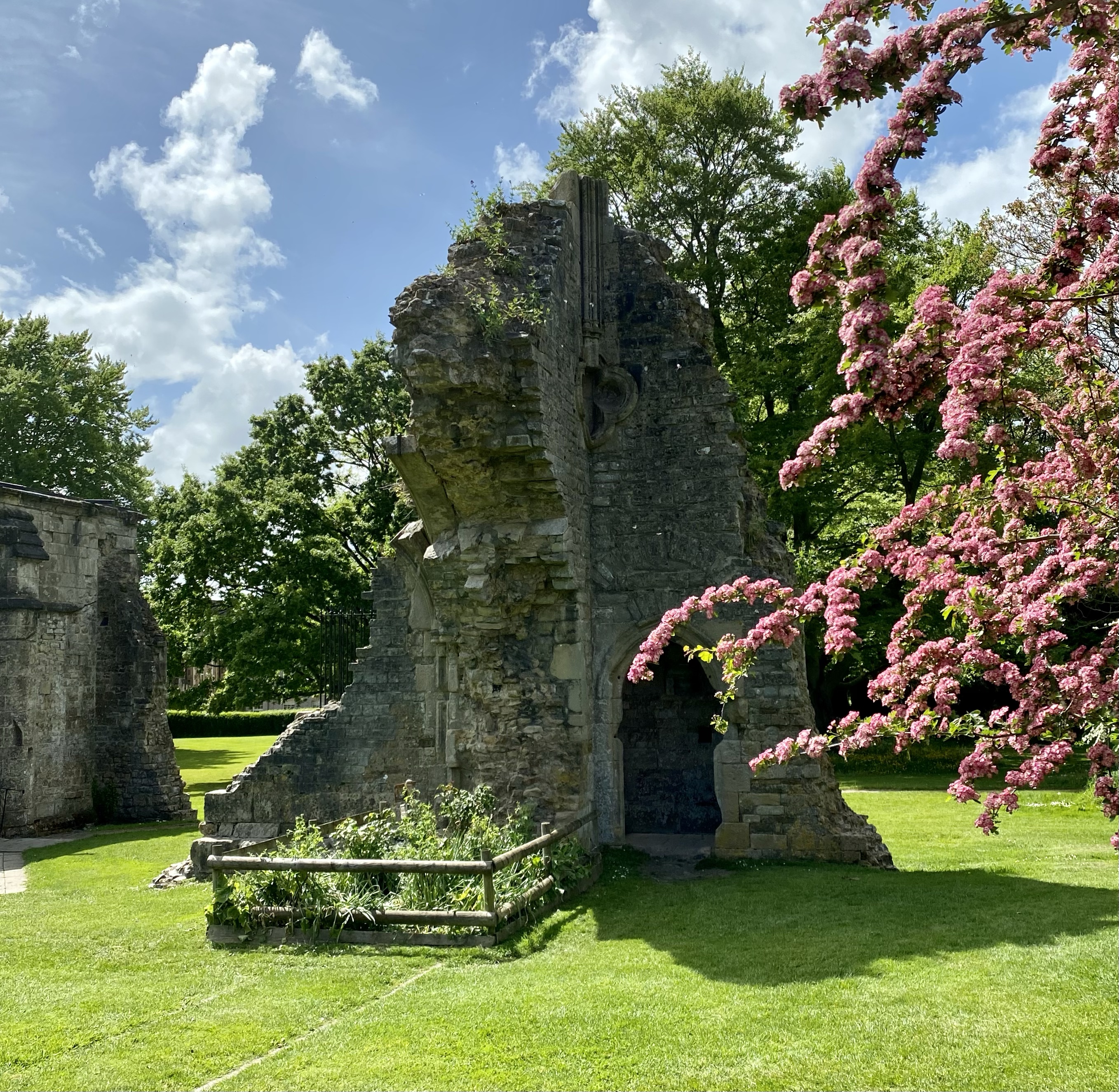
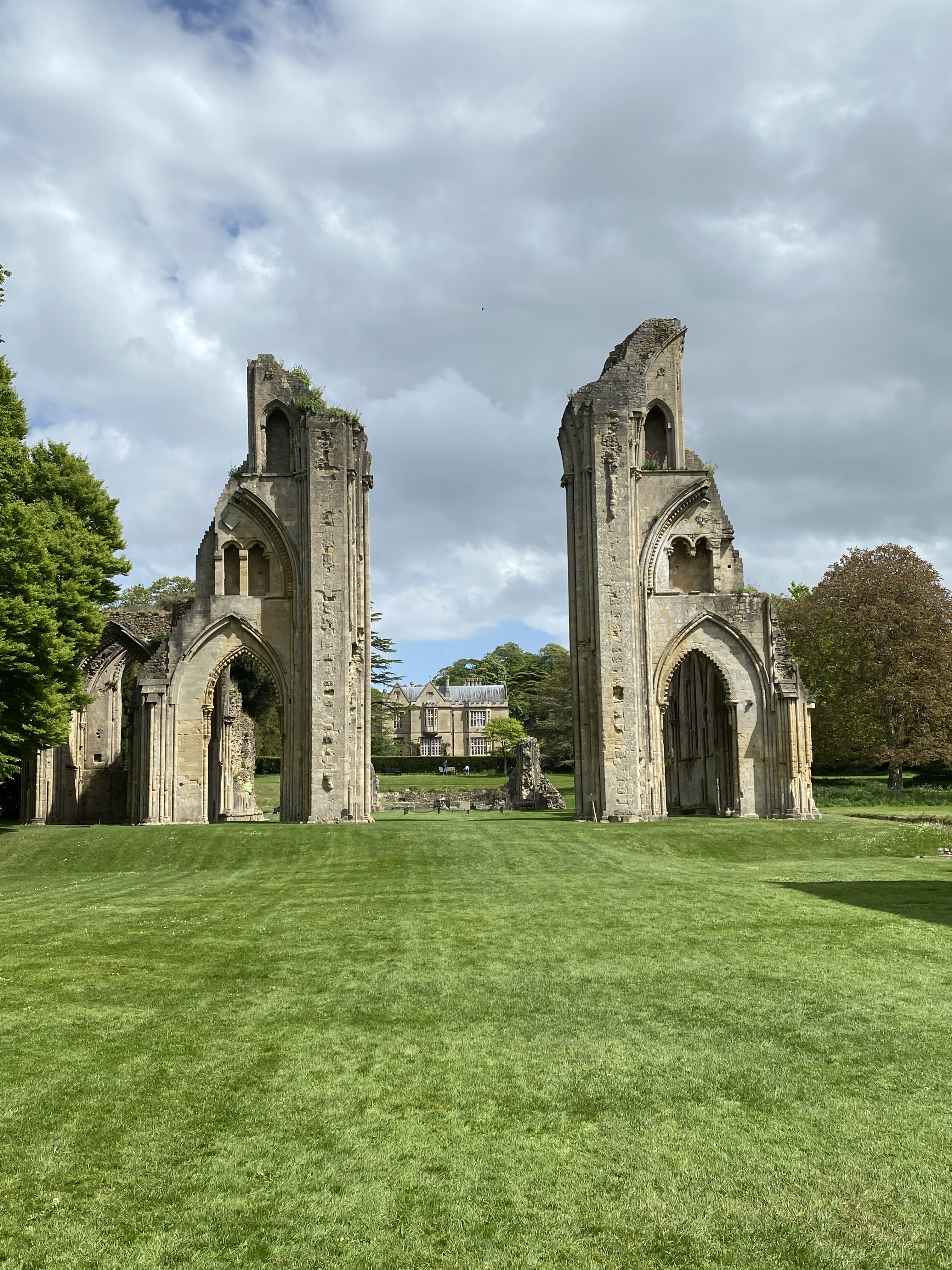
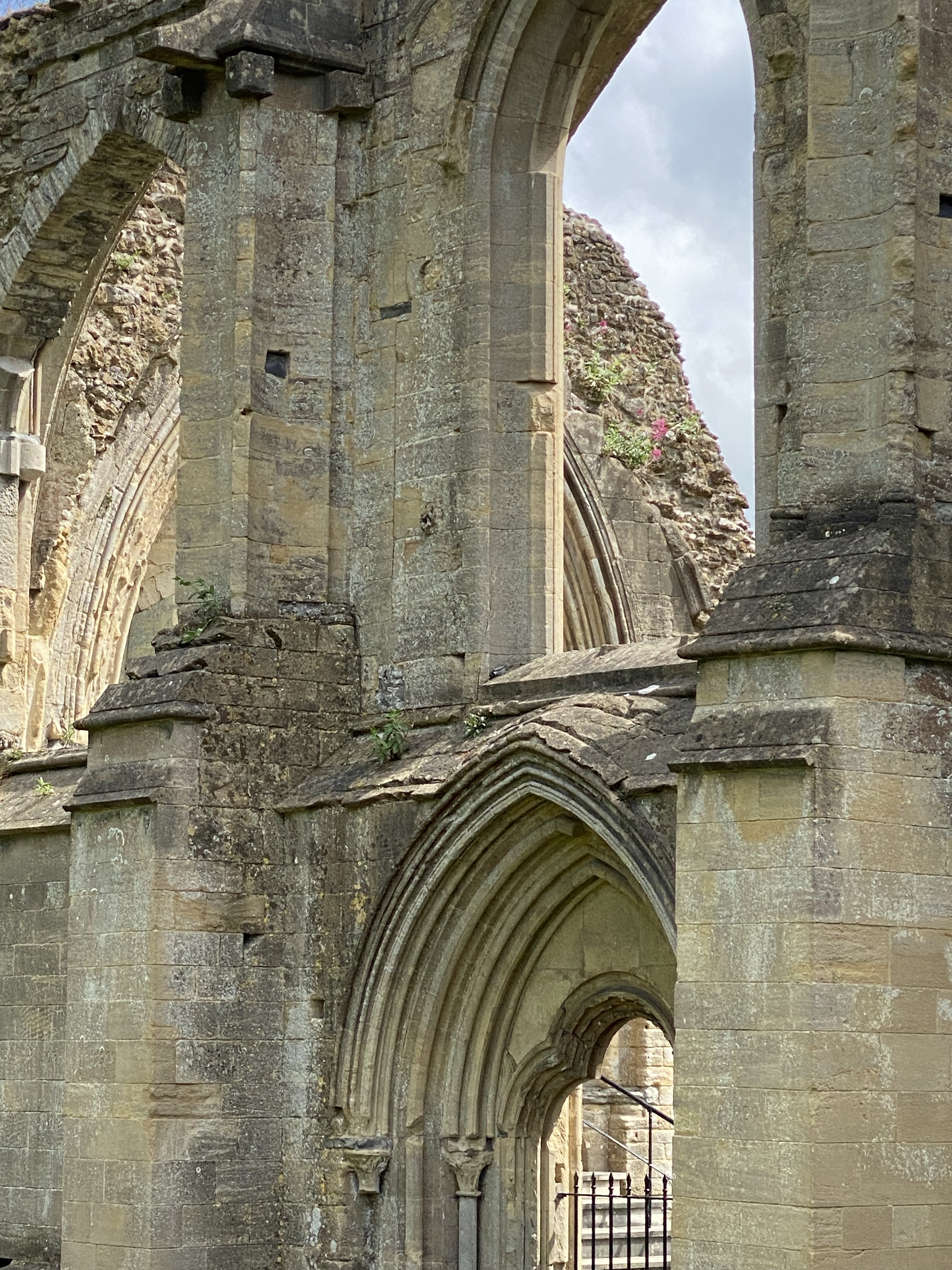
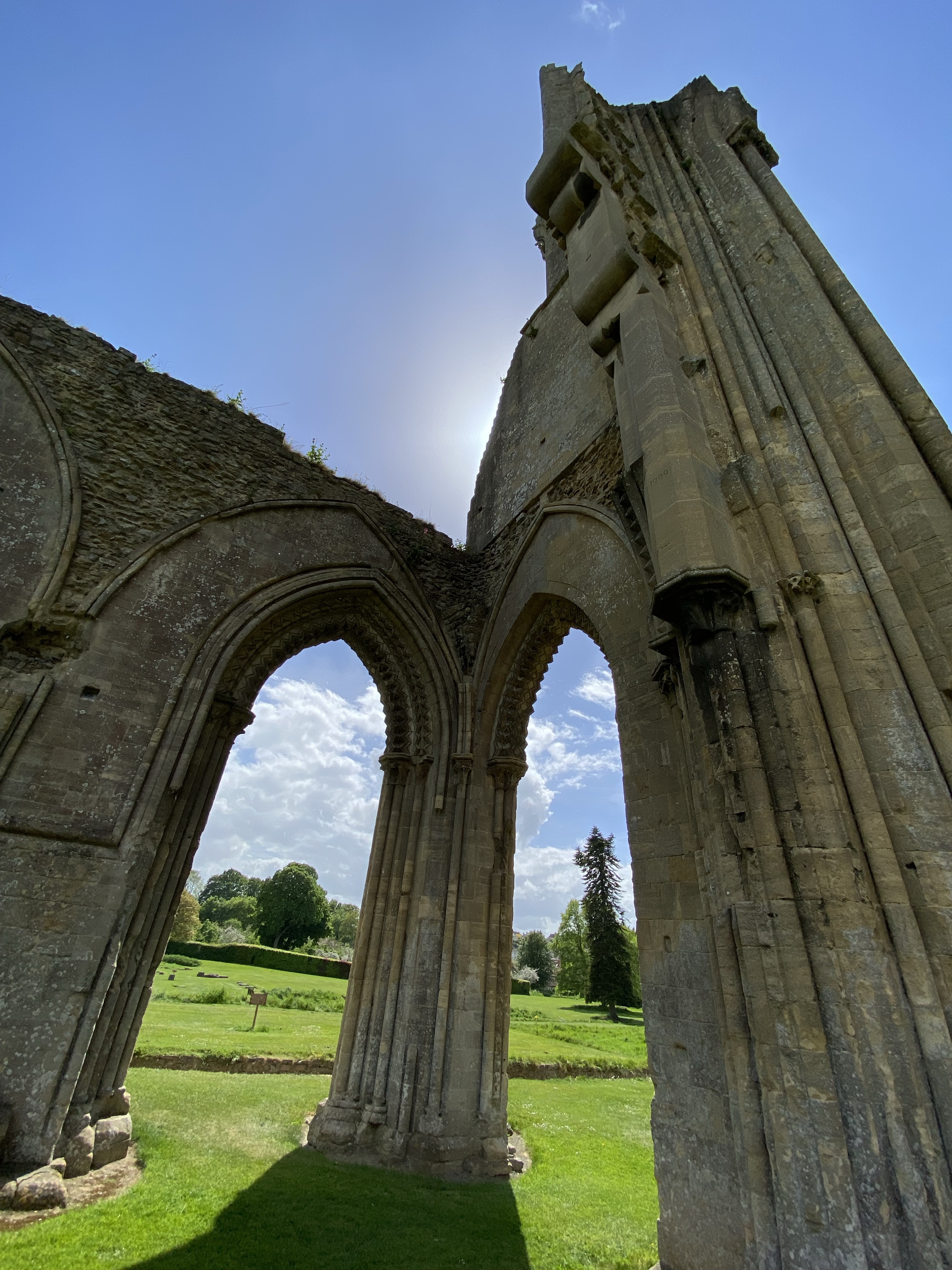
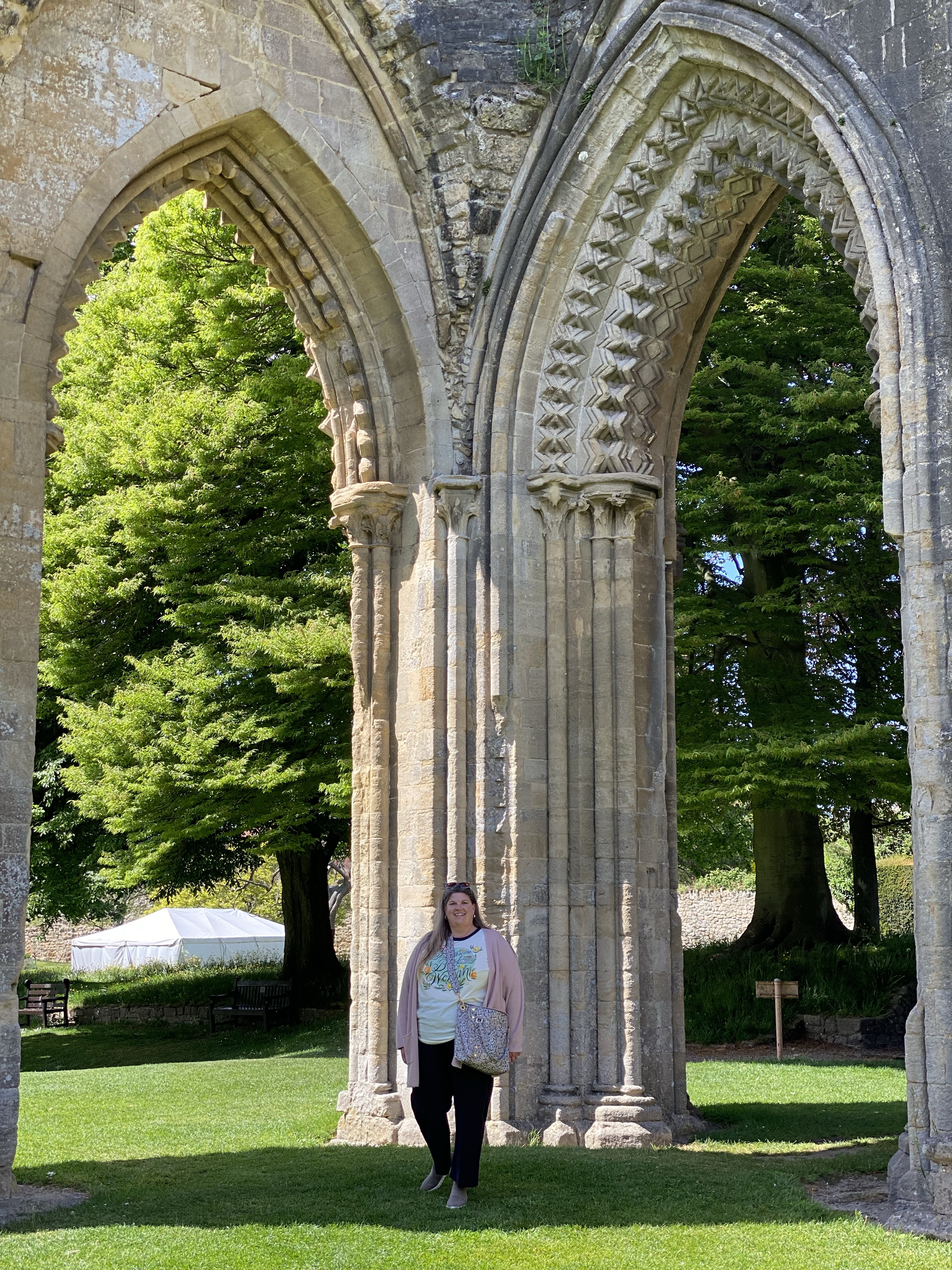
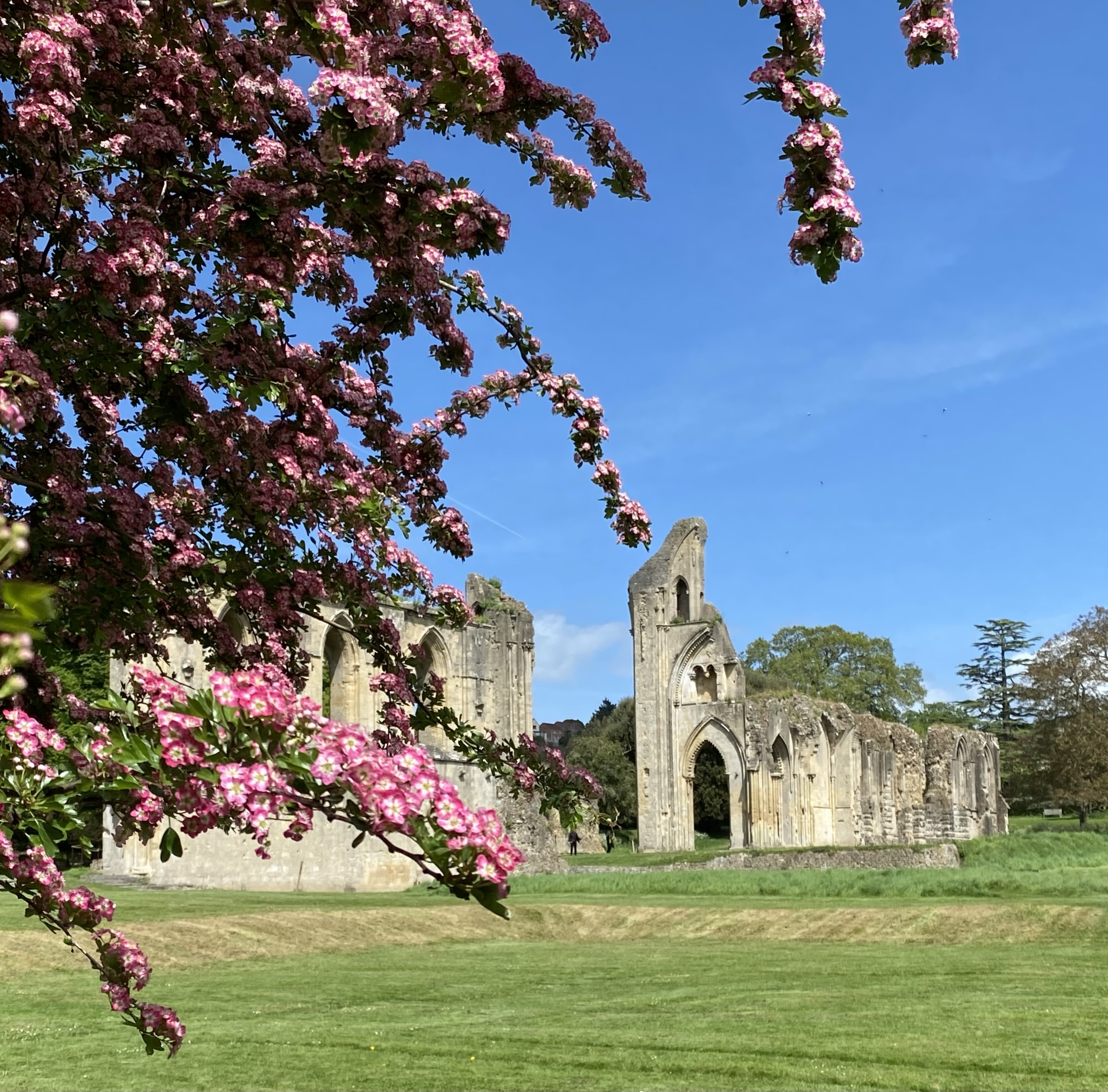
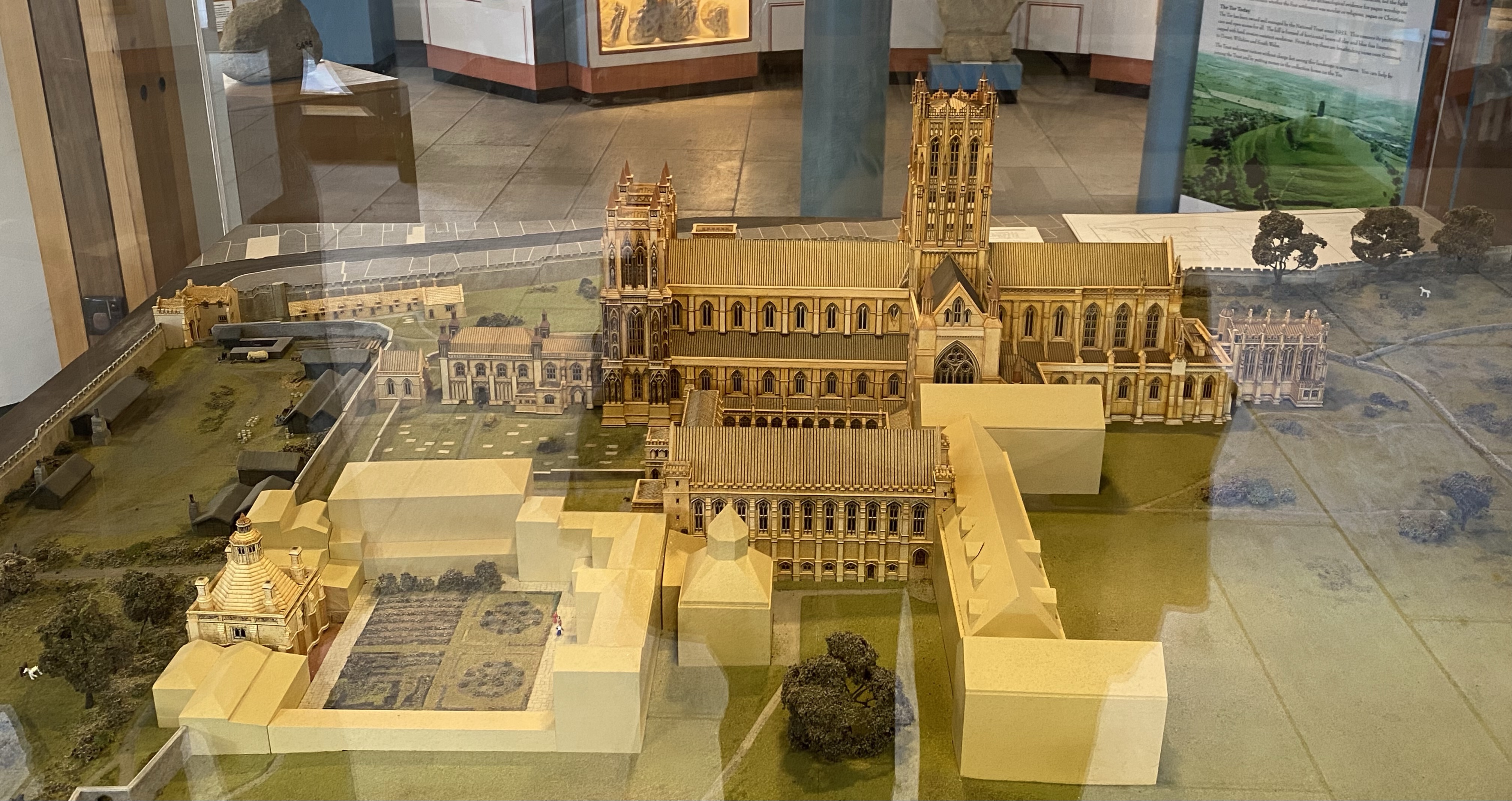
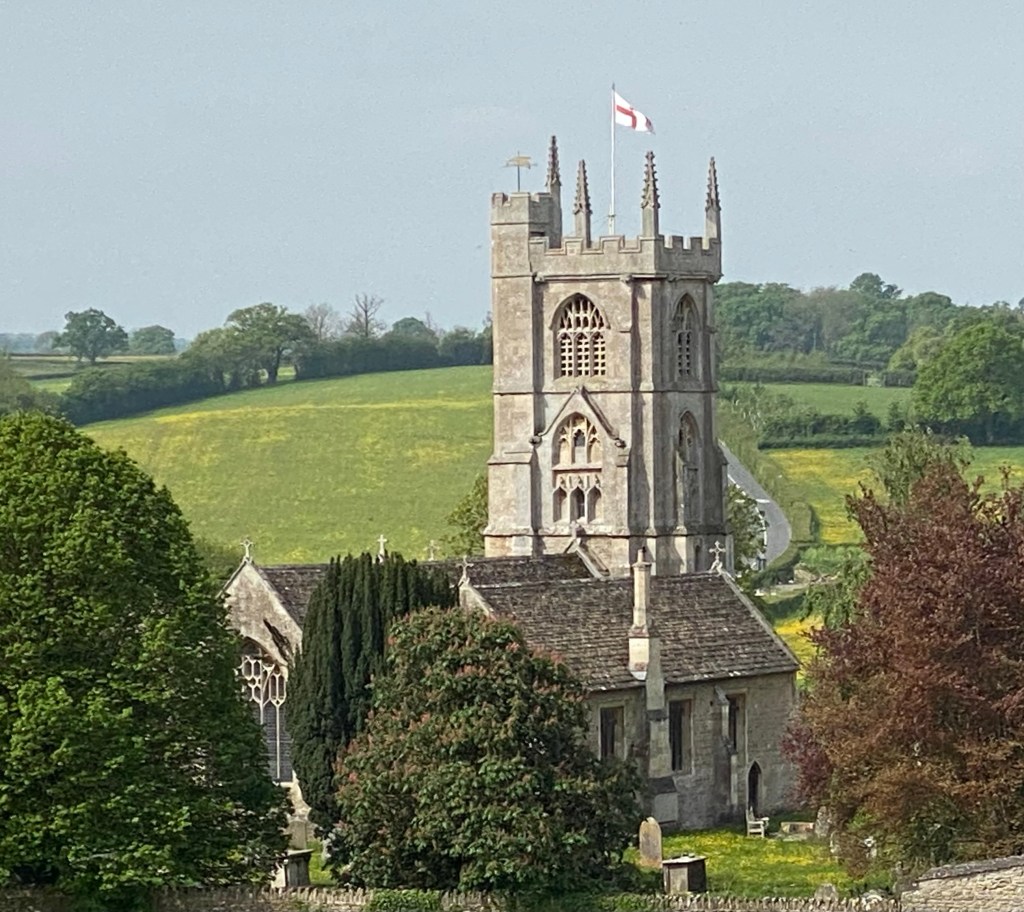
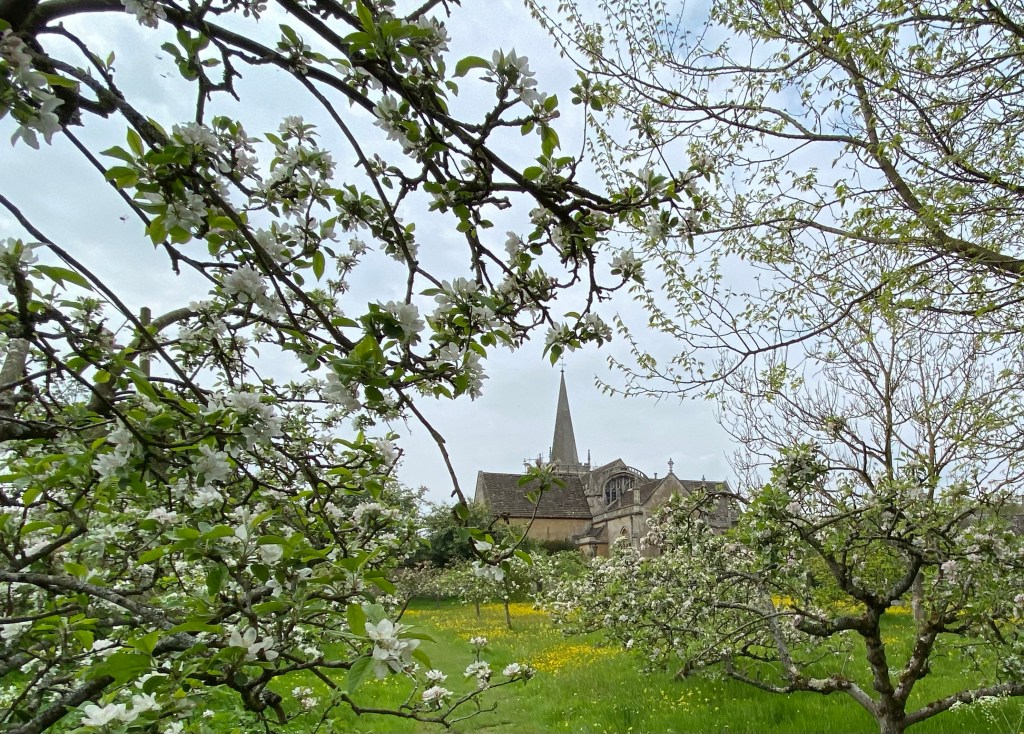
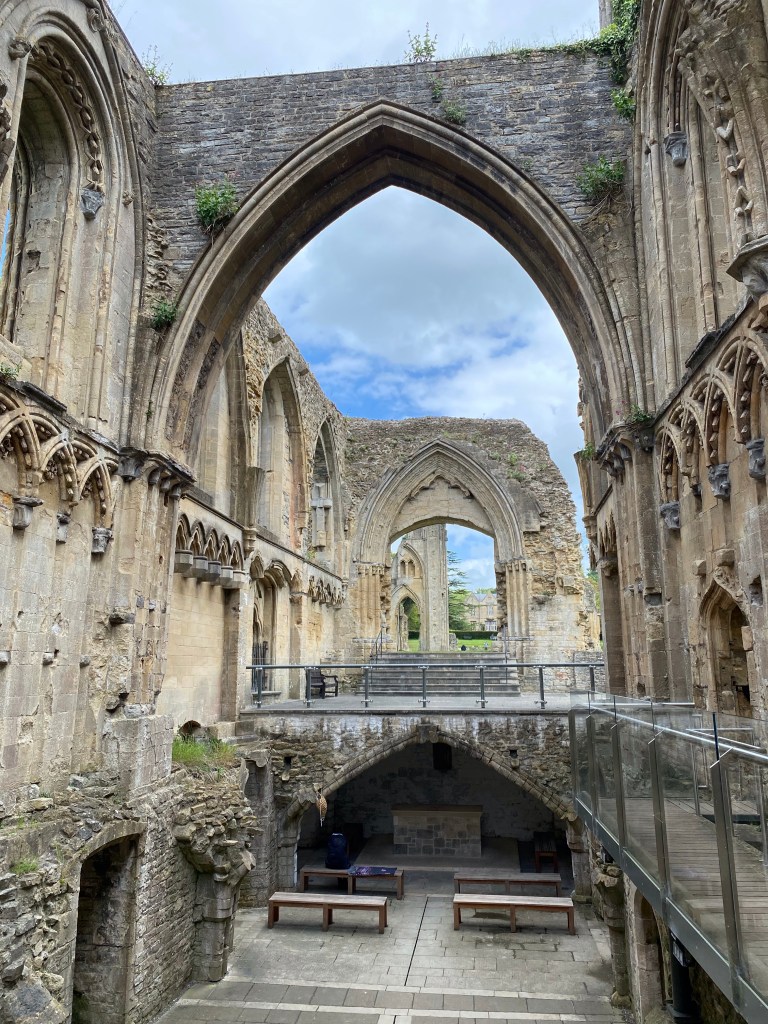
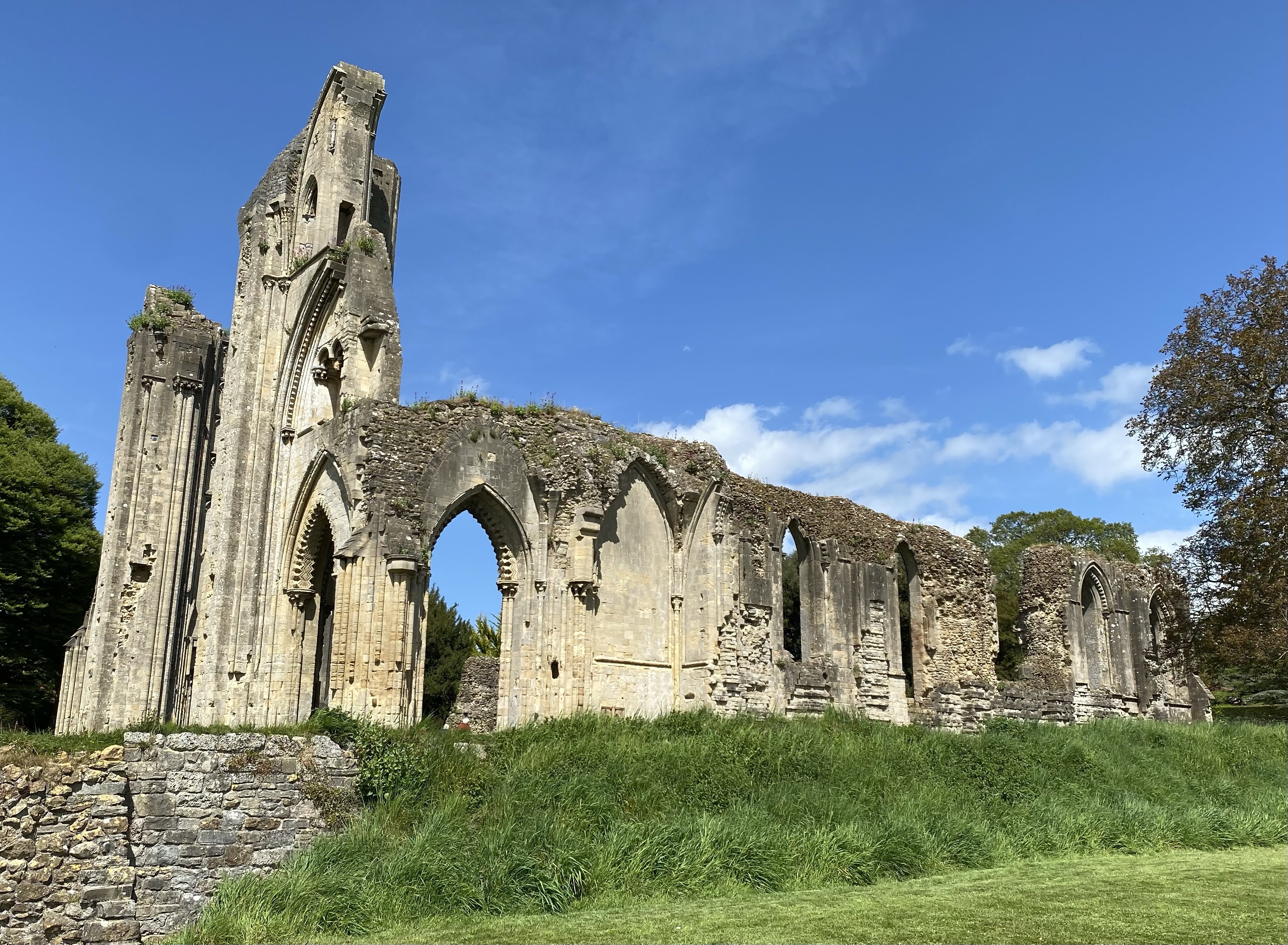
In its day Glastonbury monastery and cathedral and been one of the largest in England and the ruins still show the grandeur. We had a guided tour (in costume) that was quite good. He basically pointed out the sites and gave just a bit of history, but left most of that to Alison.

A church had been at this location well before the last cathedral was built. They claim the early 1st century church was established by Joseph of Arimathea. Even claiming that a thorn tree dates from that time period. Though of course unlikely. They have found preCeltic artifacts so they can date the site back to 500 AD. In 1086 the Domesday Book (medieval survey of all the land and who owned what derived from Latin Domus Dei meaning House of God) listed Glastonbury Abbey as the richest in the country.

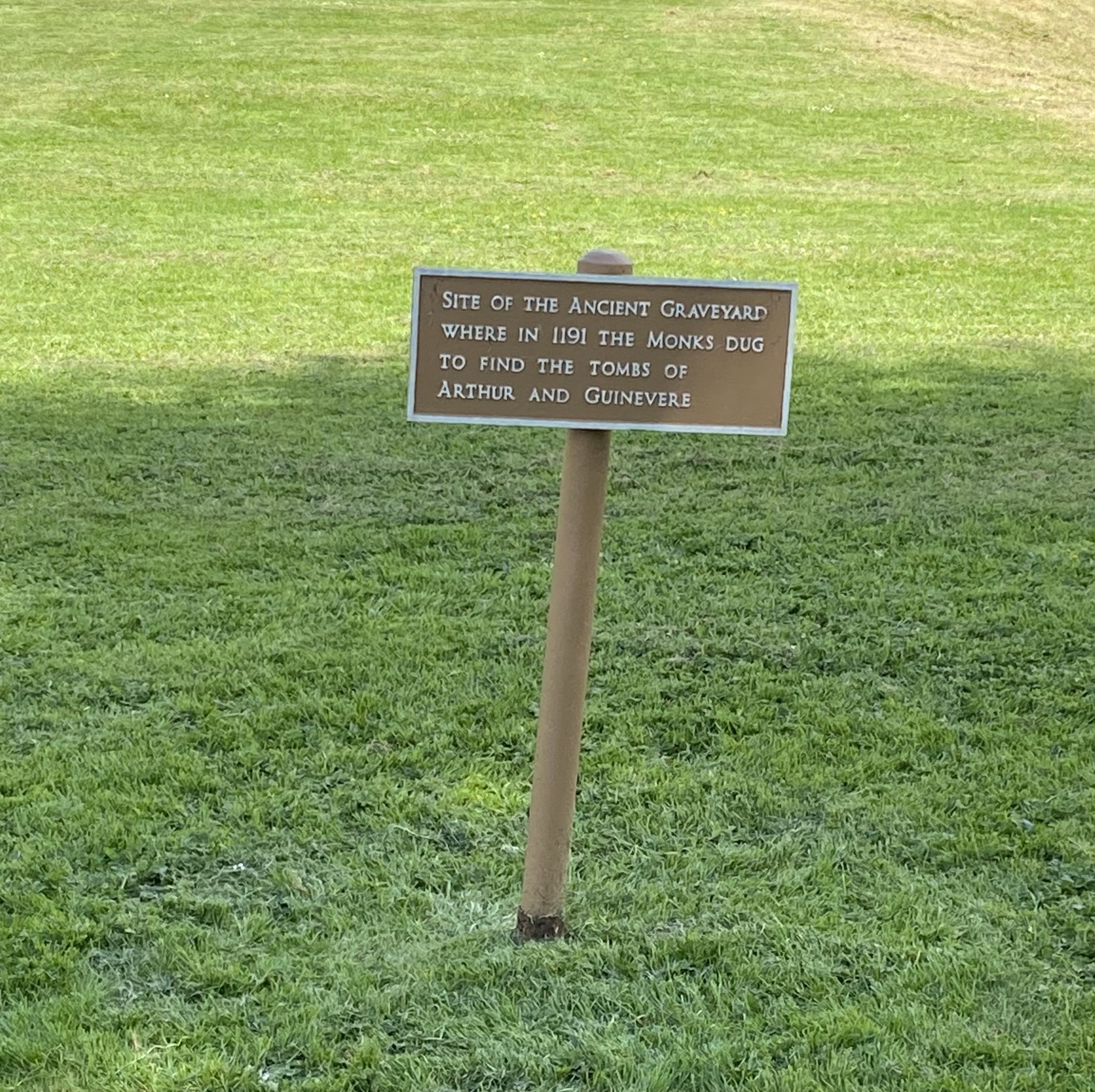
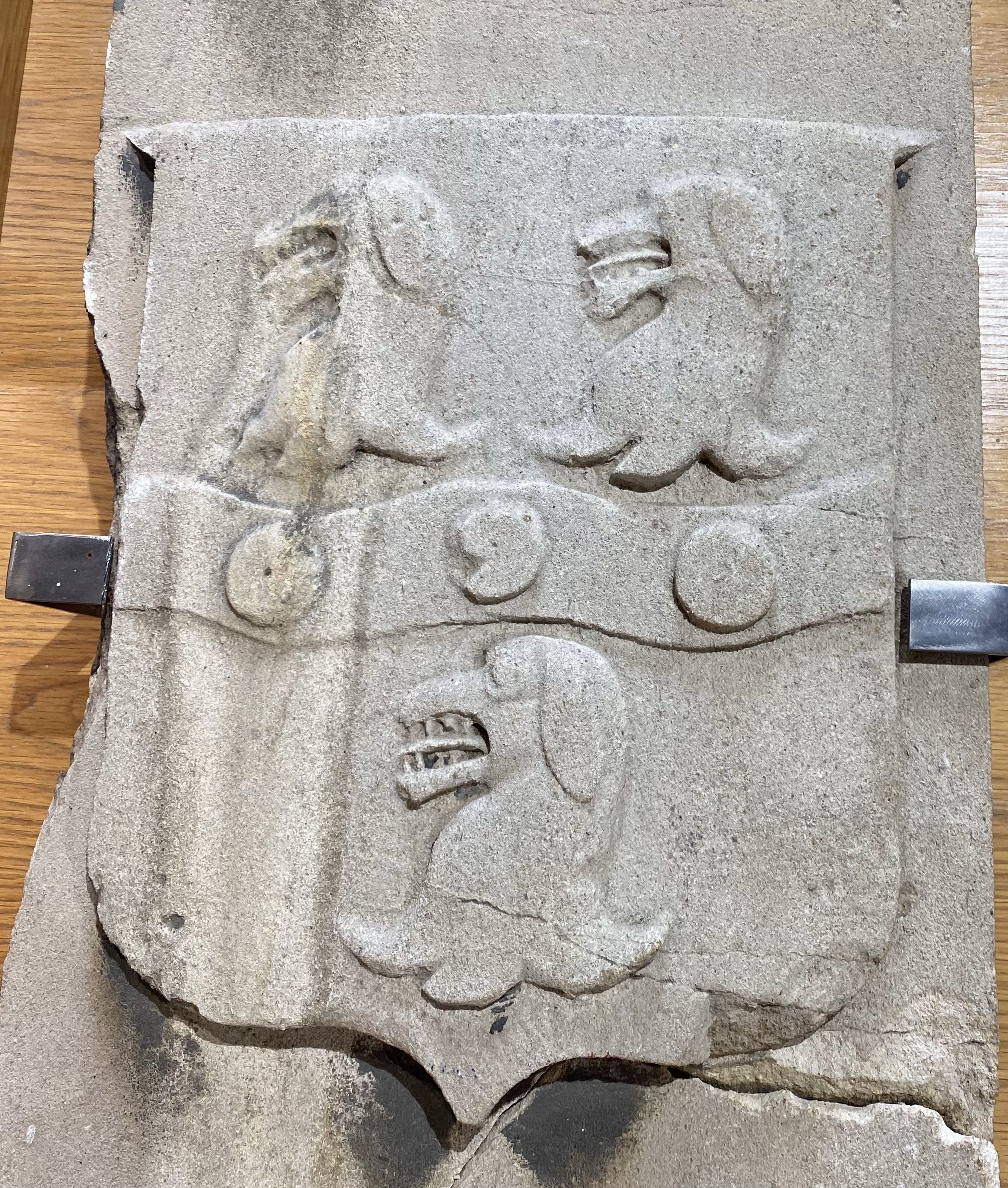
A fire in the church in 1184 either precipitated or caused the discovery of Arthur’s tomb. They claimed to have been digging a well for the new foundation when they found the grave with two bodies and an inscription that attributed it to Arthur of Avalon. Some (most probably) think that the church which was losing pilgrims without a holy relic that the church created the story to boost the churches coffers after the fire. Regardless there were bones that were re-interred into the center of the church in a ceremony attended by Henry II. With the dissolution of the church and monastery in 1536 the tomb was lost and is no longer at the site.

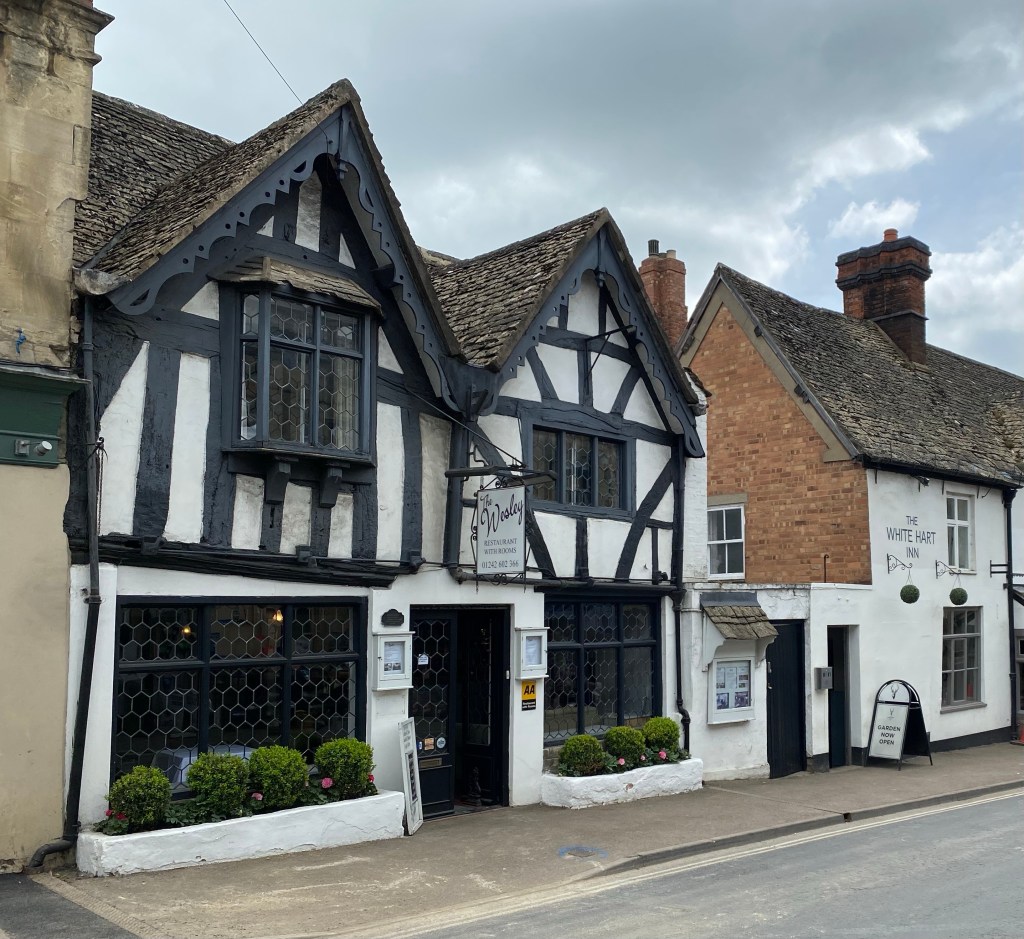
There is still a lot to see of the ruins and we had a beautiful day to see them. The town not so much. The shopping was all new age and tattoos. We went in a few stores but didn’t find anything. We actually had time for a sit down lunch. We are in an old pub that dates to medieval times. I had a hamburger not the best but the fries were good.

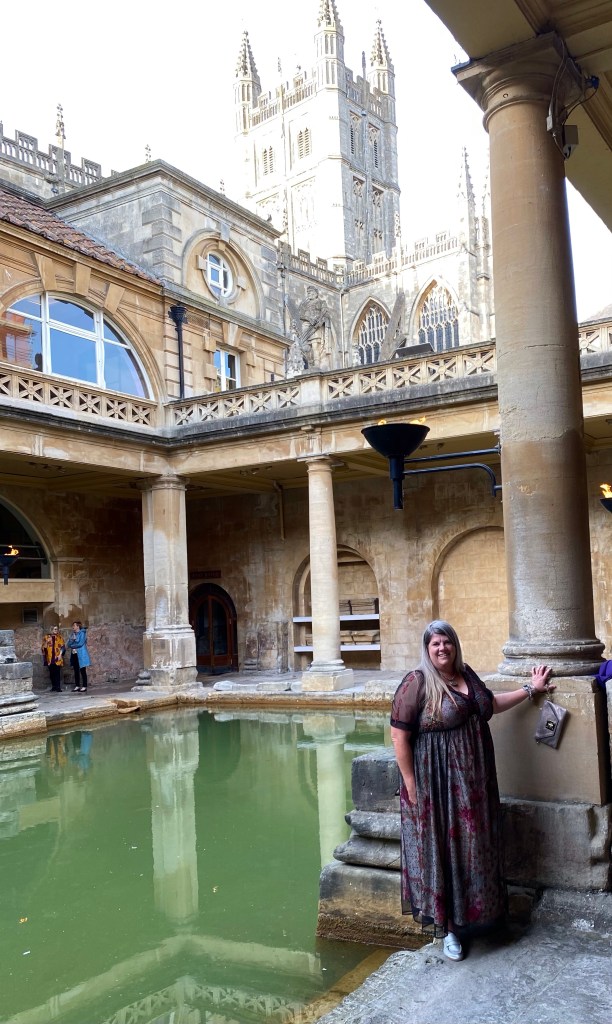
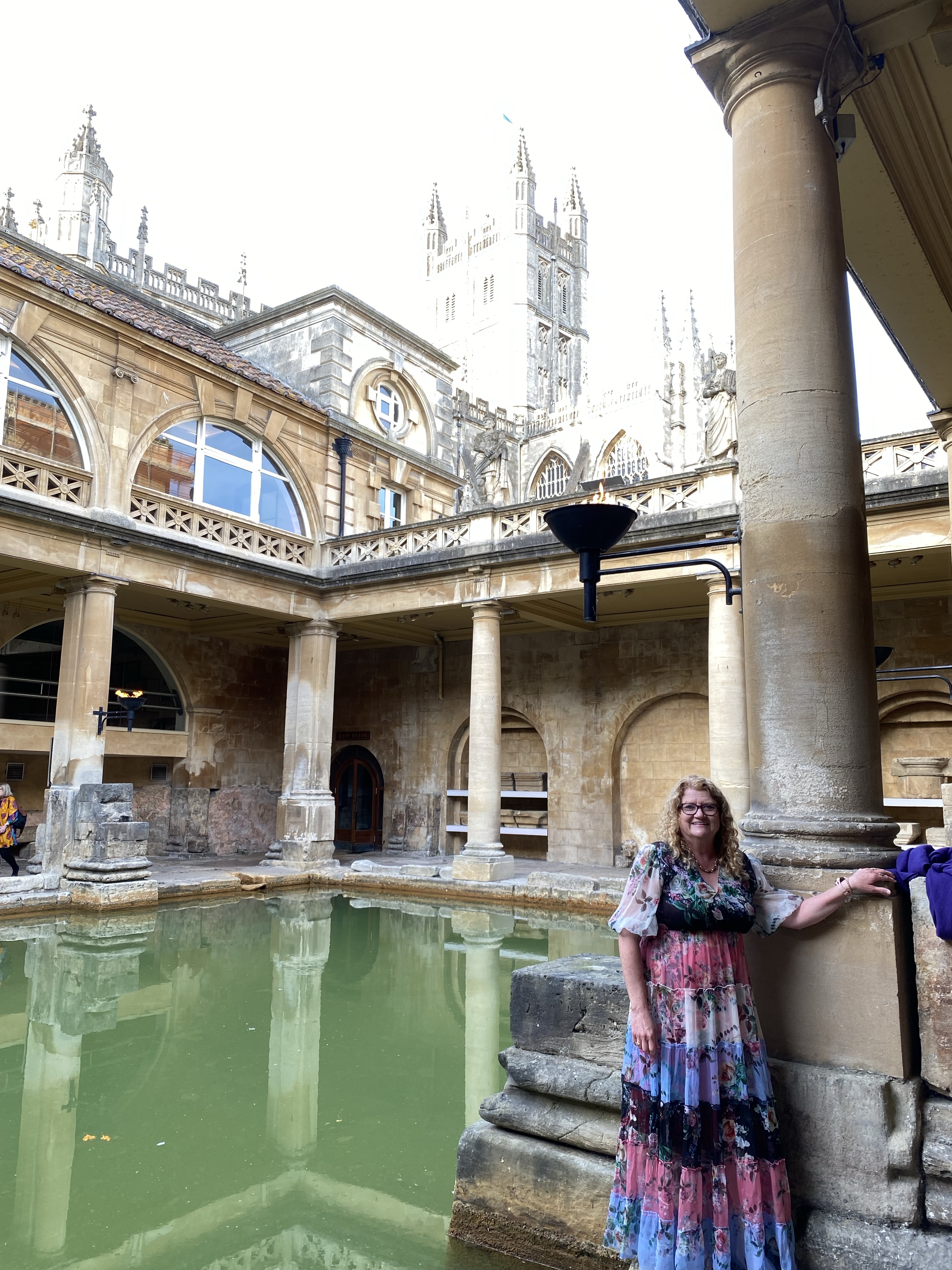
After returning to bath we just had an hour to get ready for our last big finale, dinner at the Roman Baths. We got dressed up again and headed out to dinner.

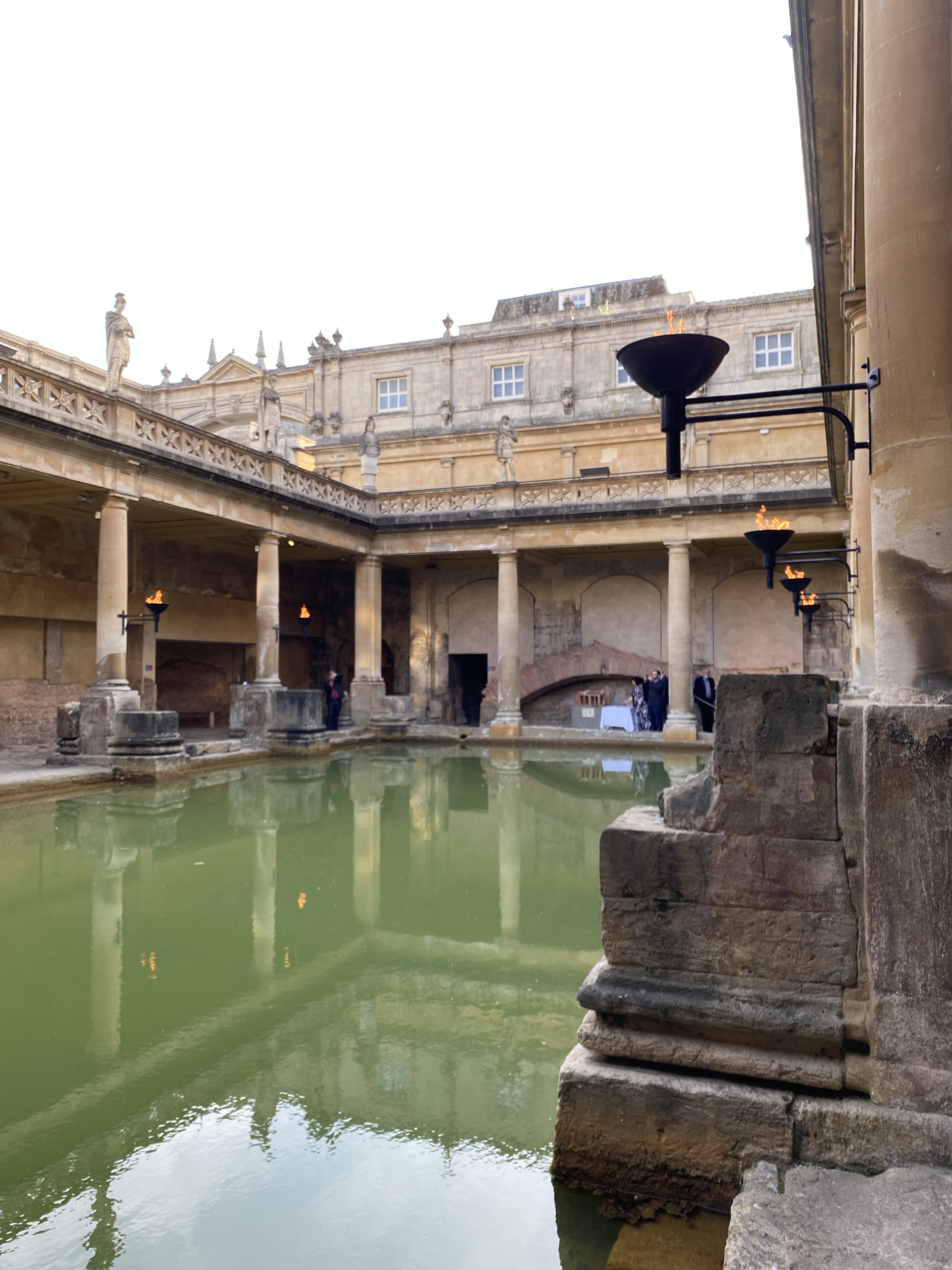
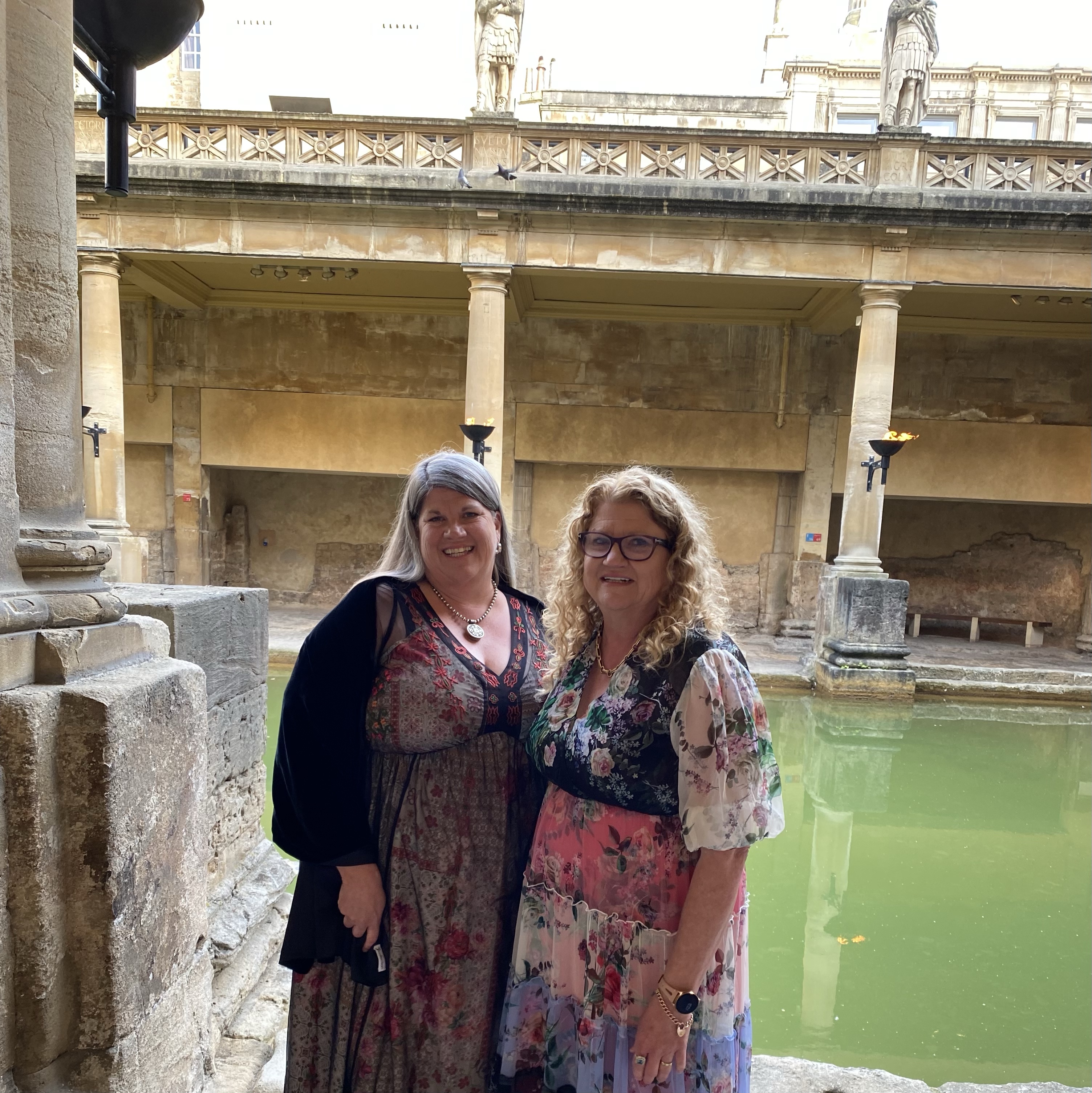
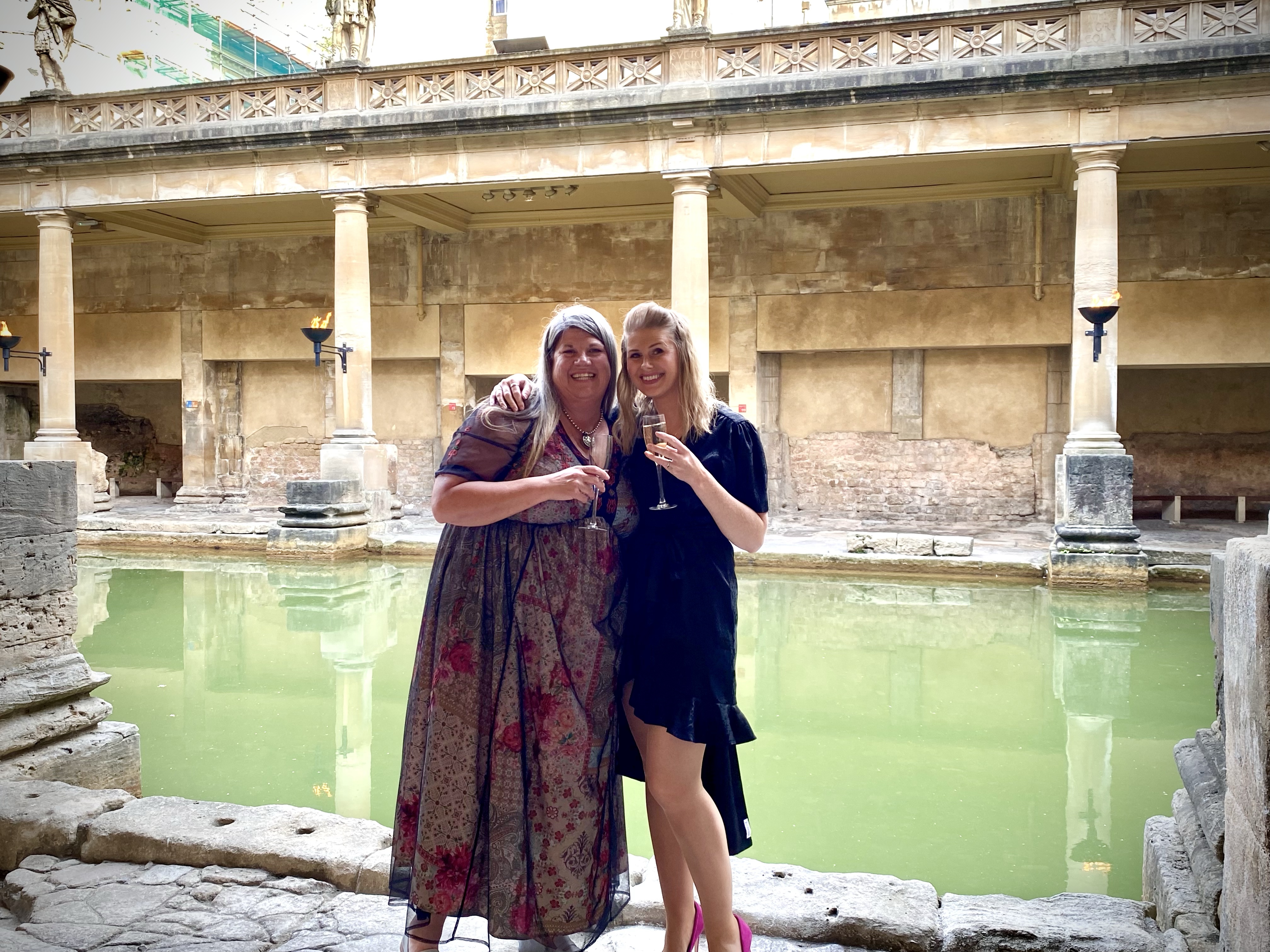
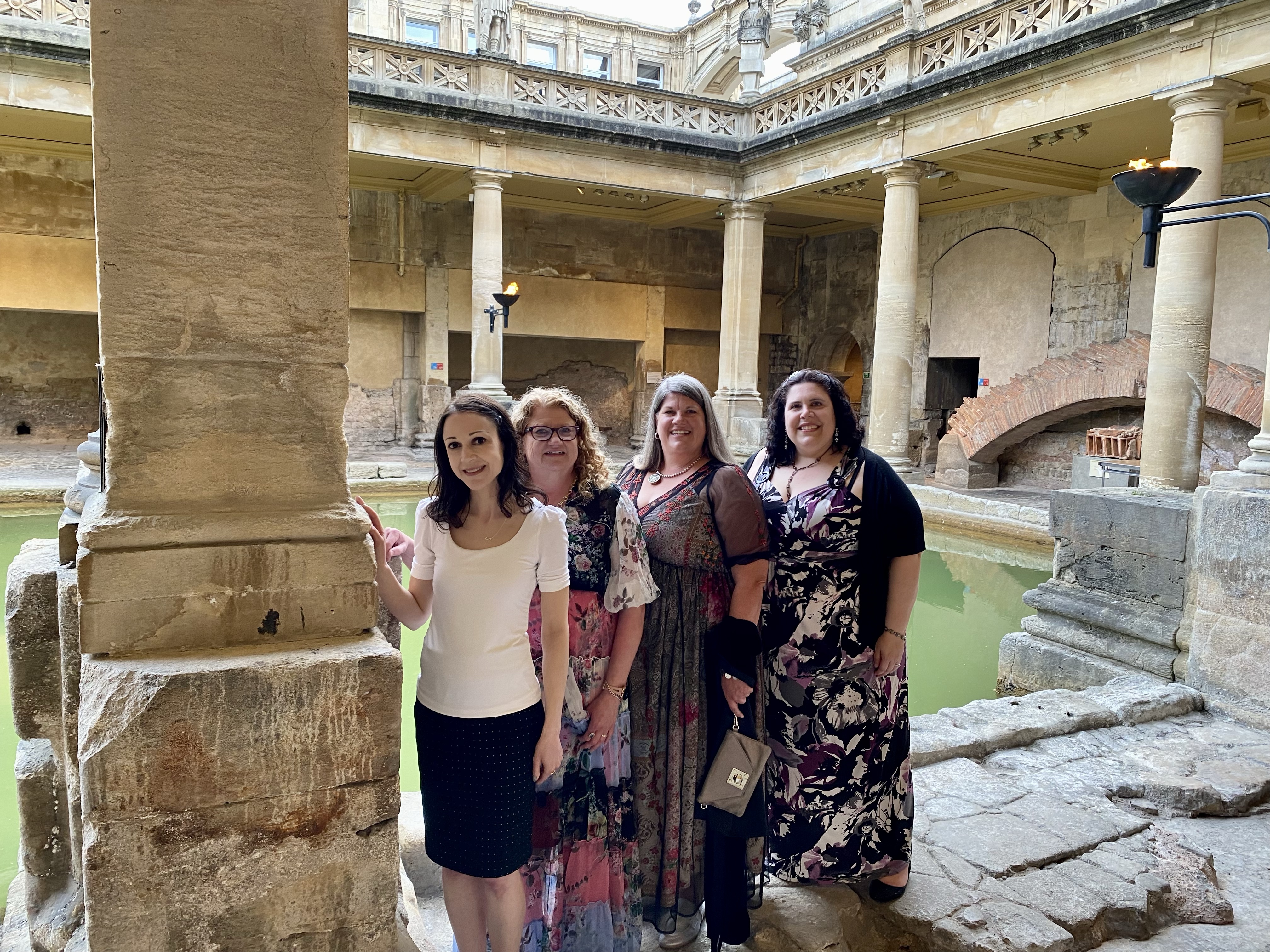
The Baths were a great setting for our final evening. The main bath is open to sky and we watched the sun set as we sipped Prosecco and took photos. Dinner was once again delicious. There was a trip quiz at the end which our table won but sadly lost the bonus round worth 30 points. We had 28 of the first 30 points but missed out on the number of men who lead the church in Bath. We guessed 16 and the team after did the price is right trick and said 17 to win the day and the tea towels. Of course there were only 6 prizes and we had 7 at our table. Hence the bonus round which had we won there would have been another question. Still all fun and great end to the evening.
It’s Monday again

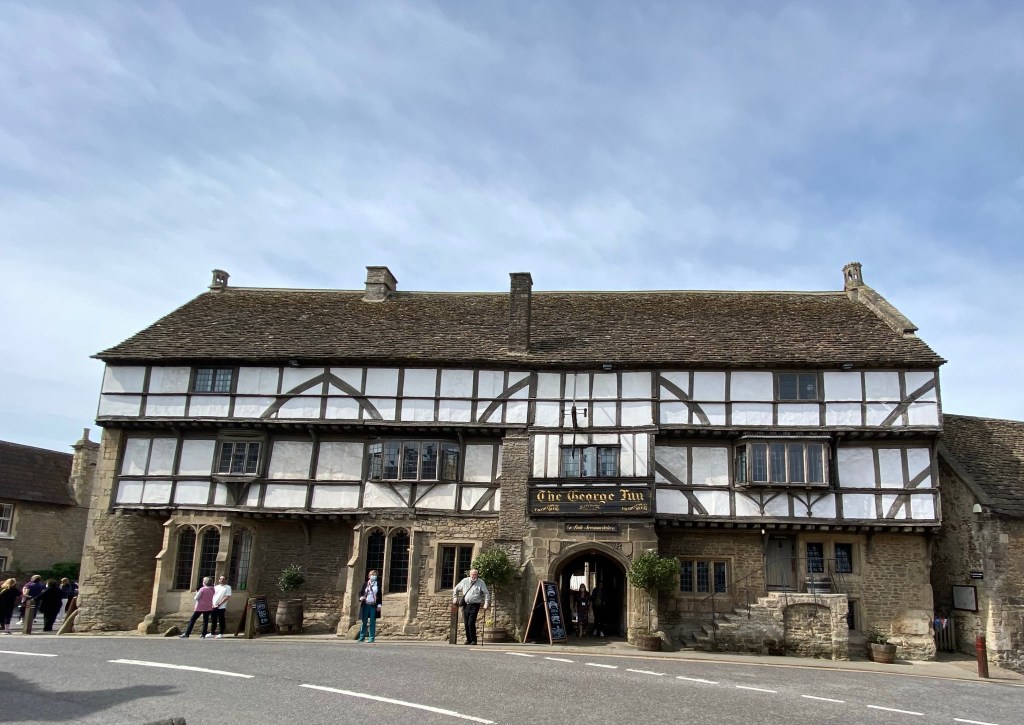
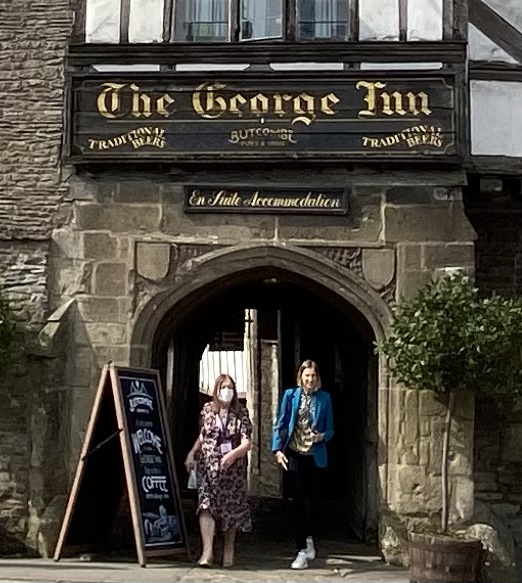
I can’t believe we have been on the tour for a week. It goes so quickly. Today we headed out to the George Inn, Norton St Philip for tea and cakes (cookies). The Inn is a late 15th century coaching inn where you could stop on your way in or out of London. it was a nice brief stop to see a commercial building of that time period.

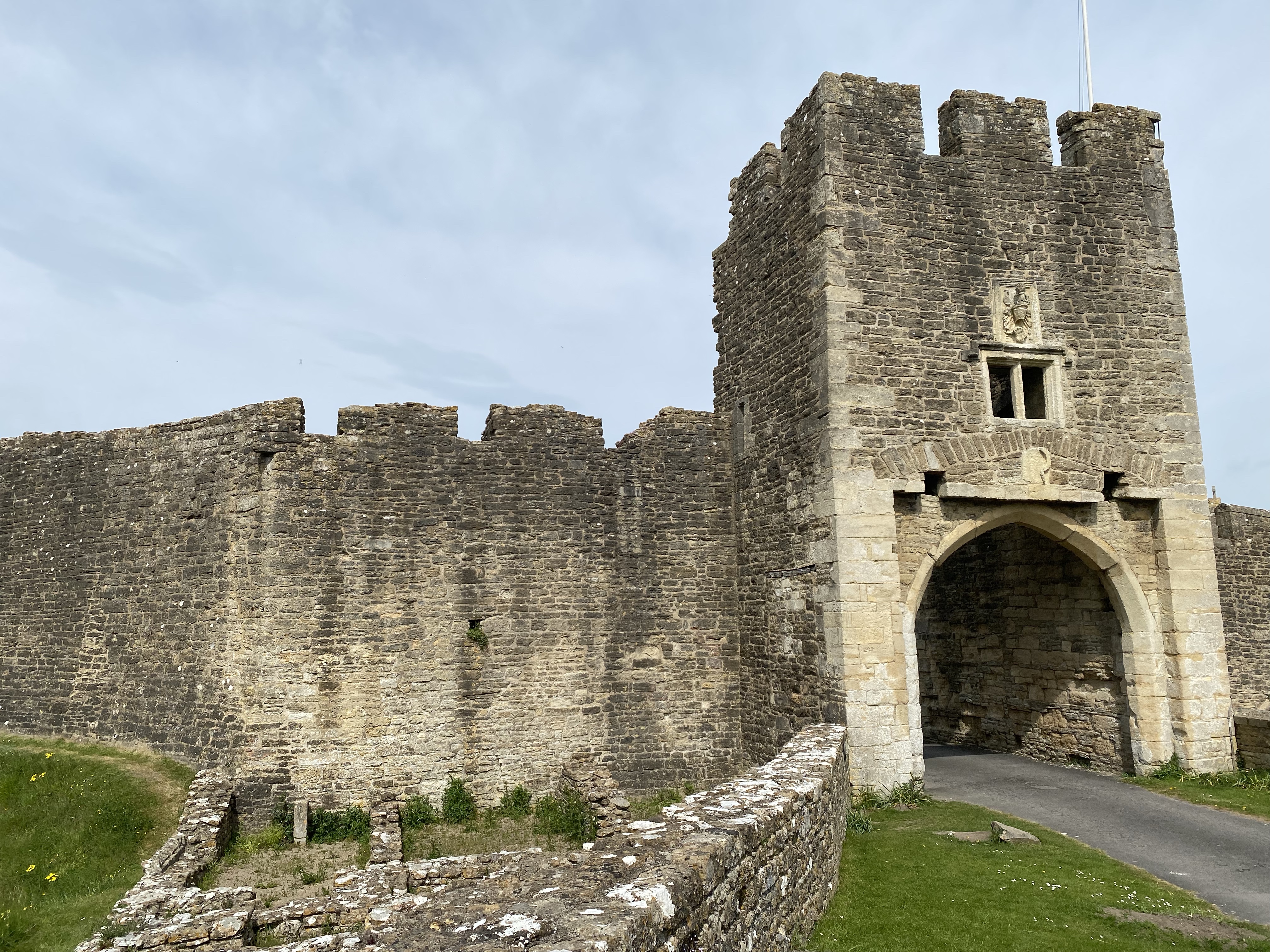
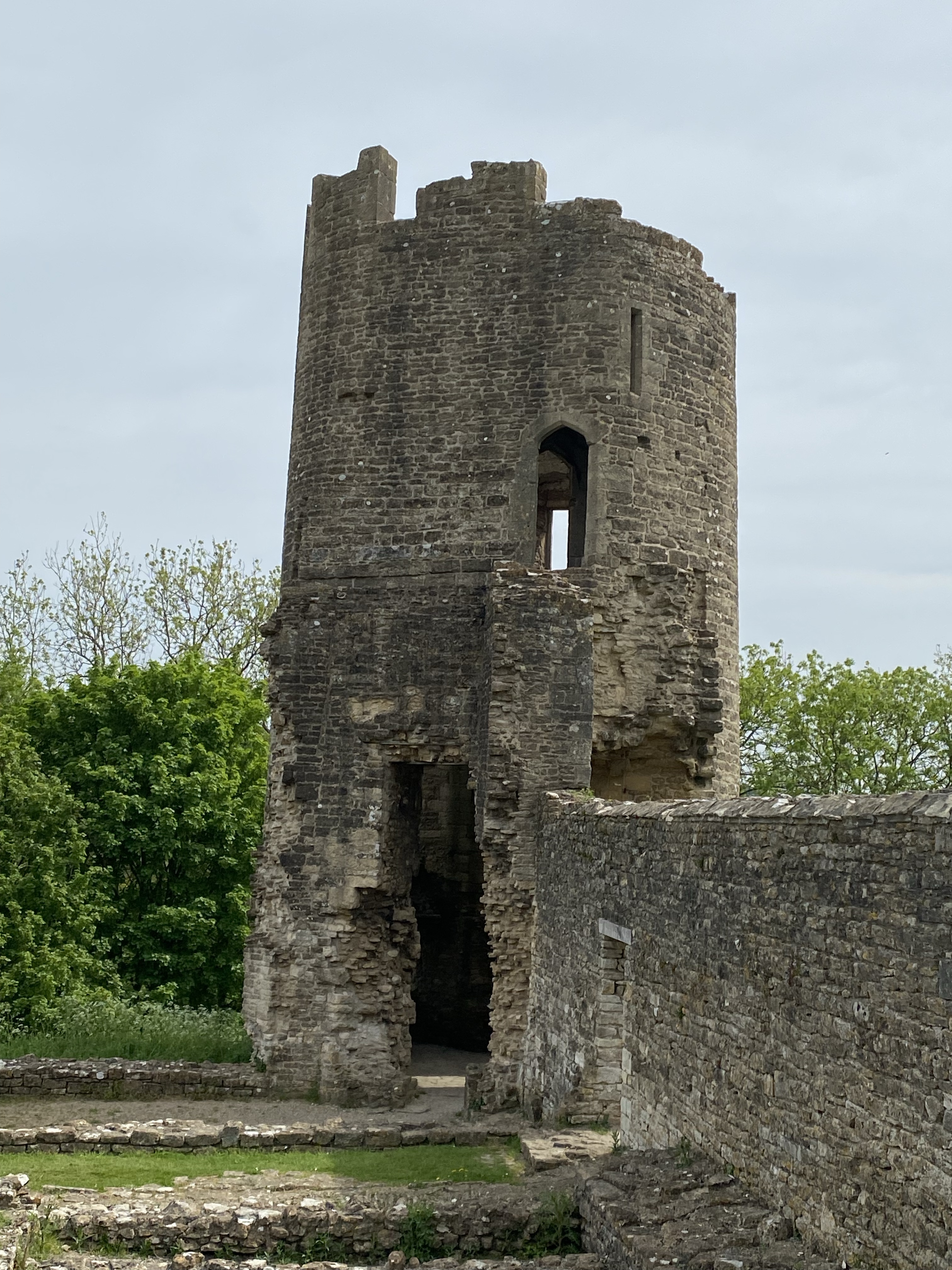
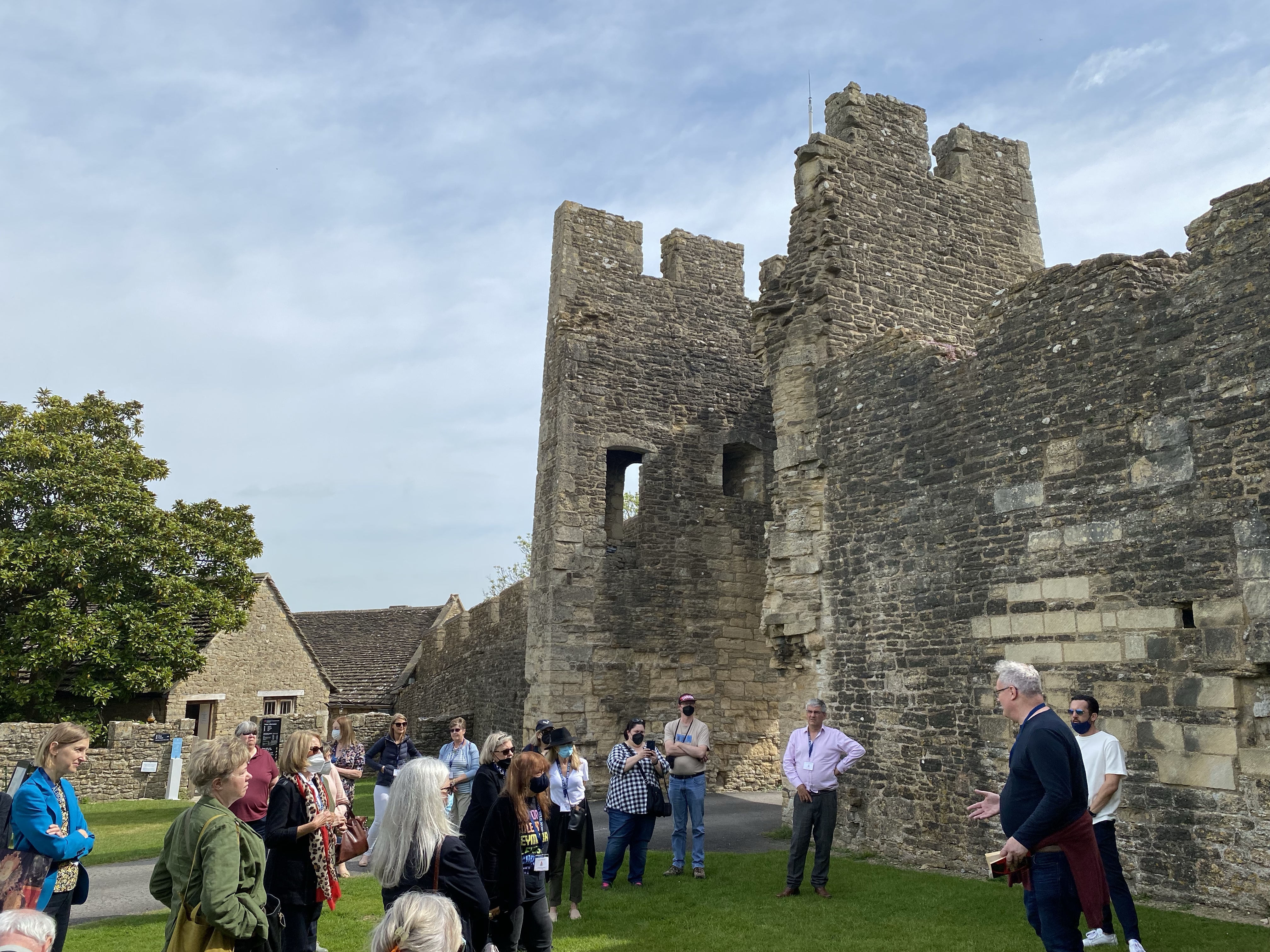
From there we headed out to Farleigh Hungerford Castle. The Hungerfords have shown up or had a connection with many of the sites we have already visited. They fought at Aigincourt so the talk to a pre-Tudor turn for the afternoon. That also fought with Henry VII against Richard III but again more battle connections.

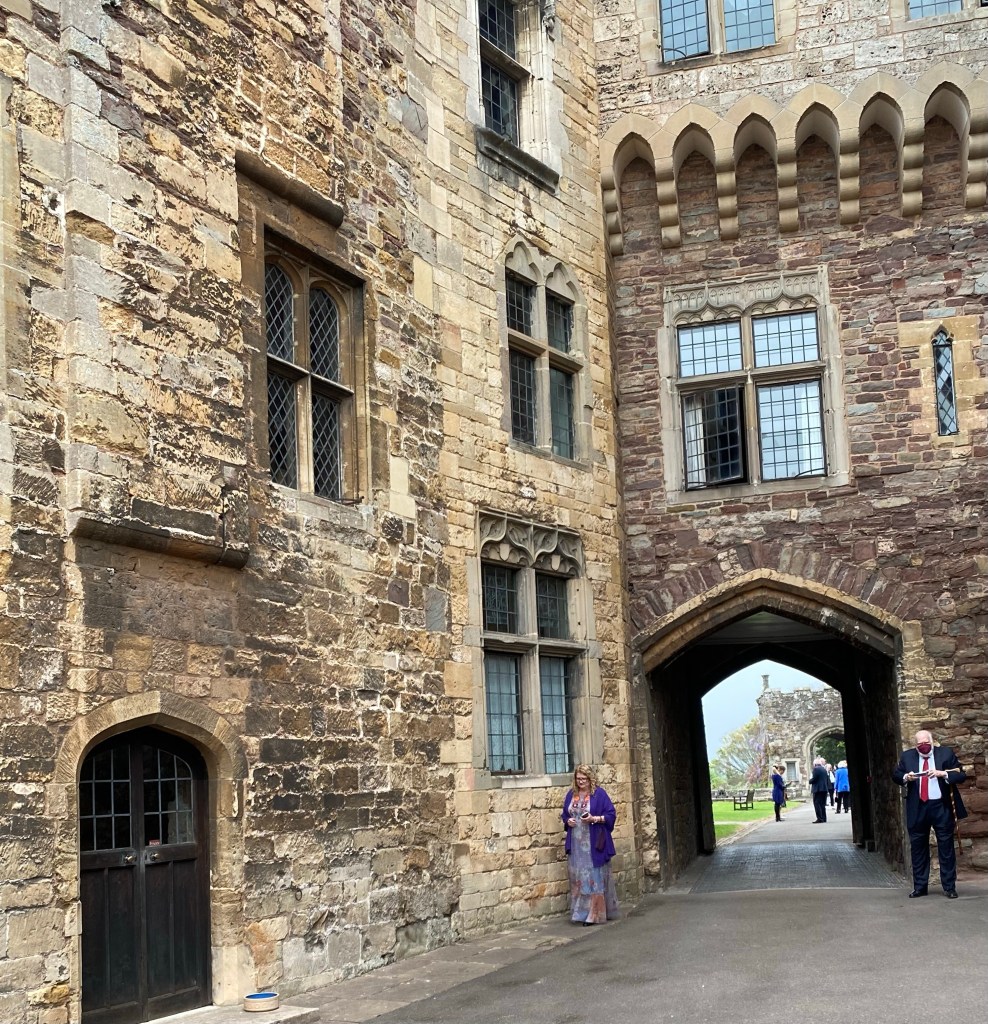
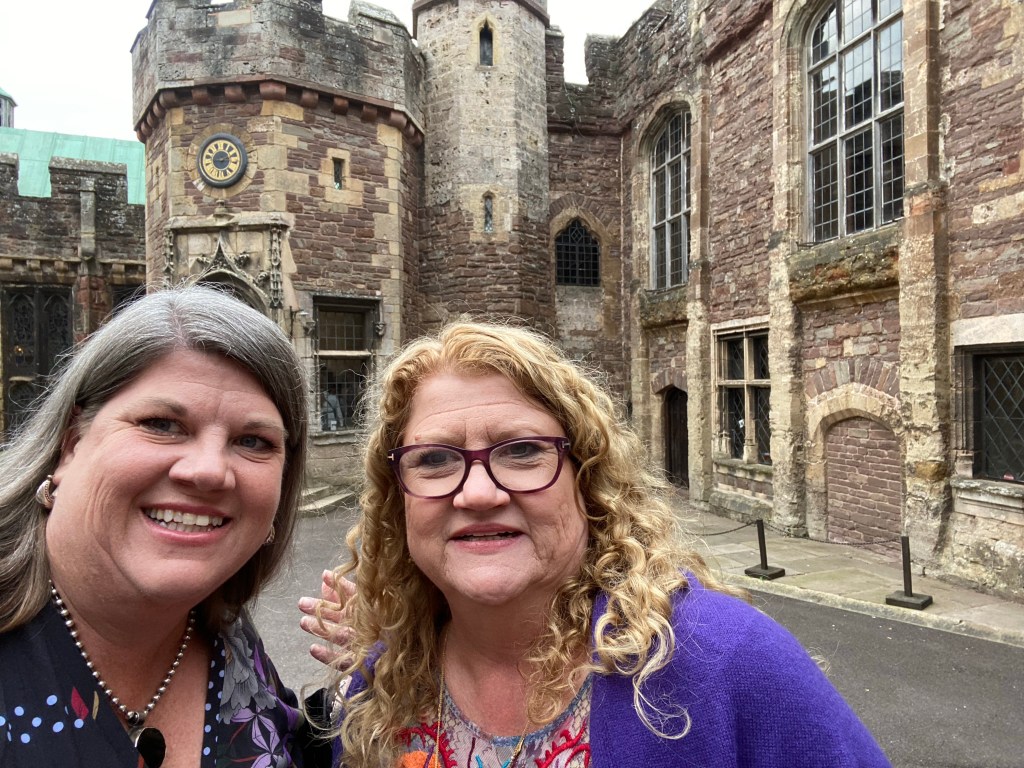
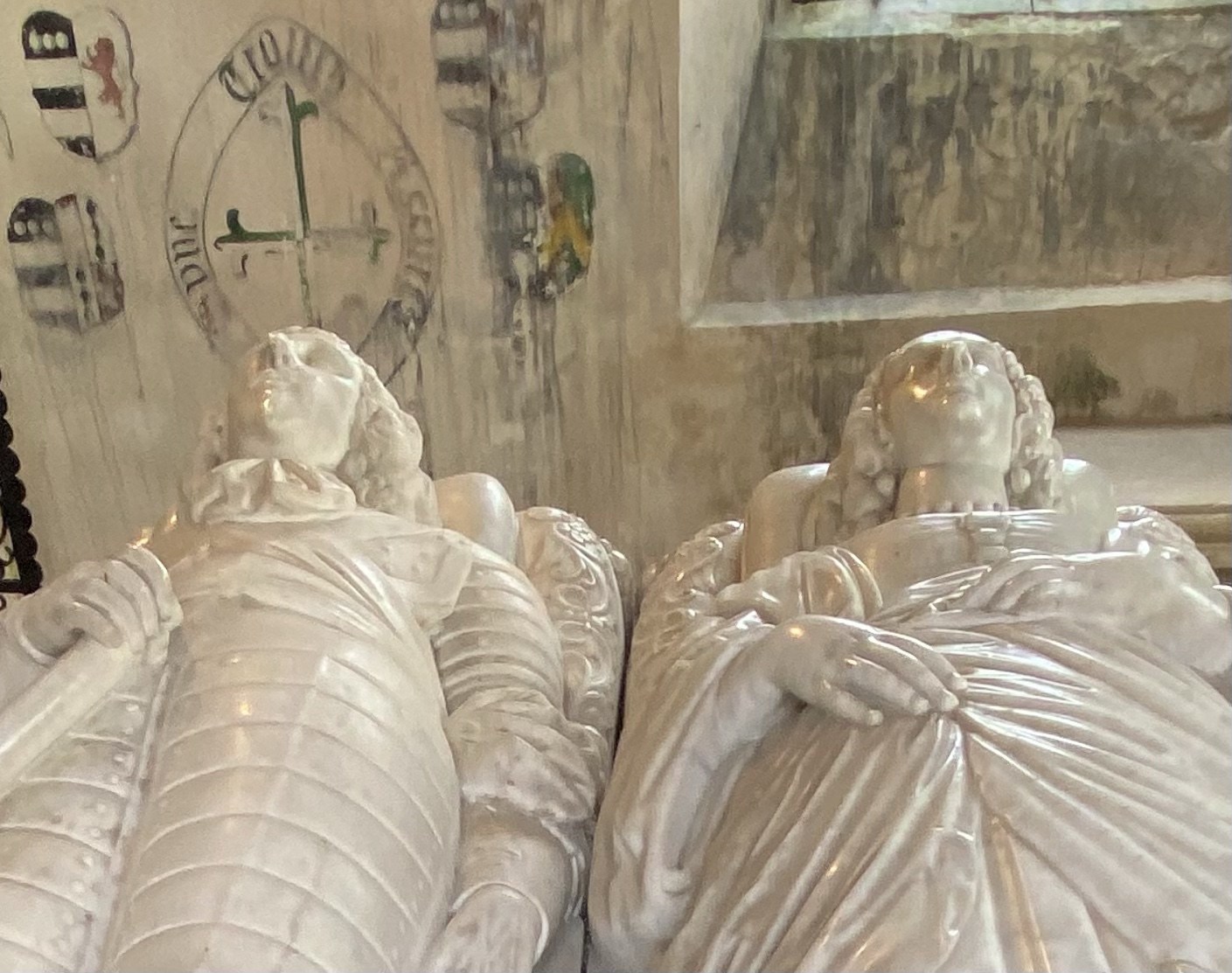
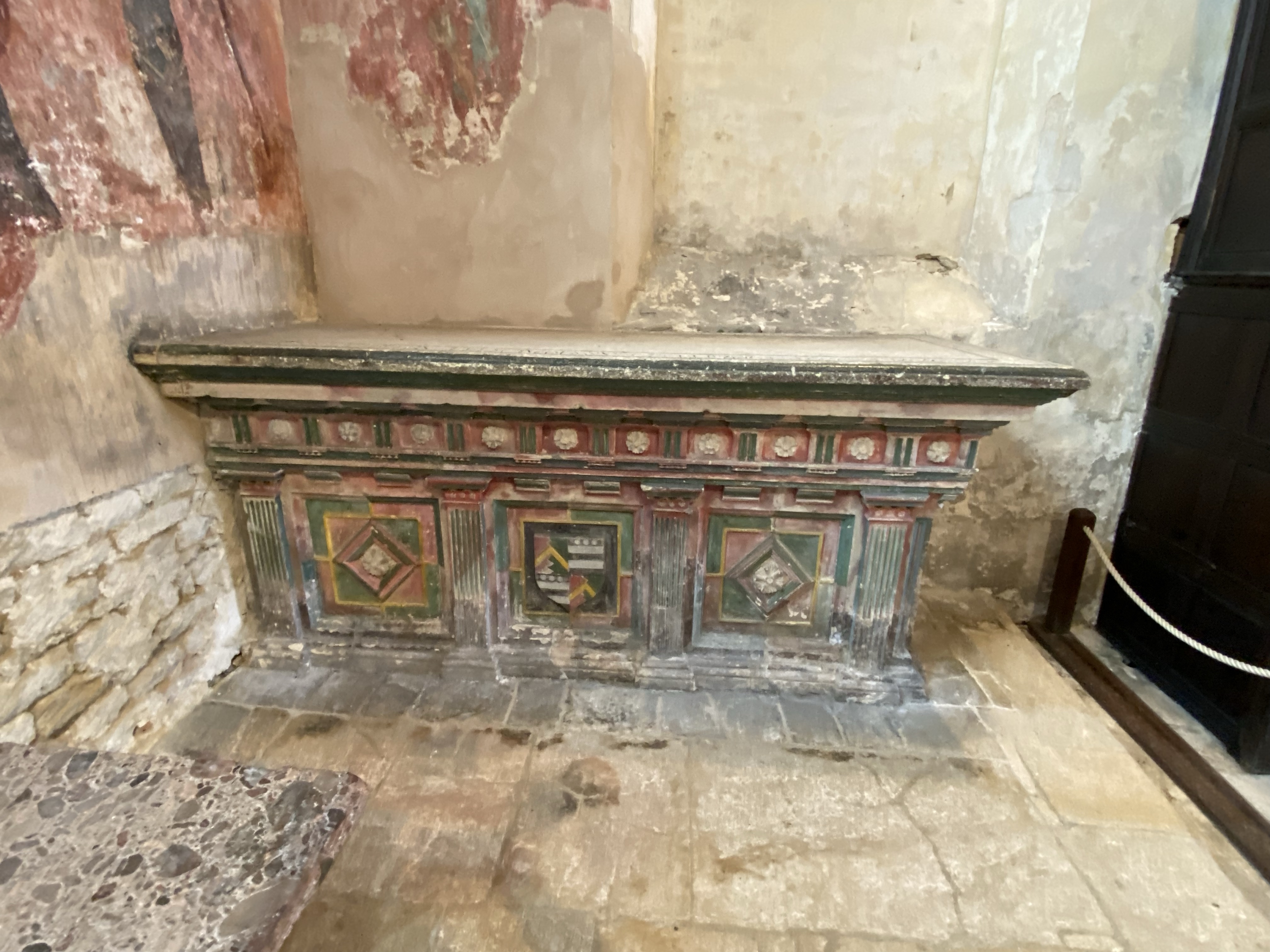
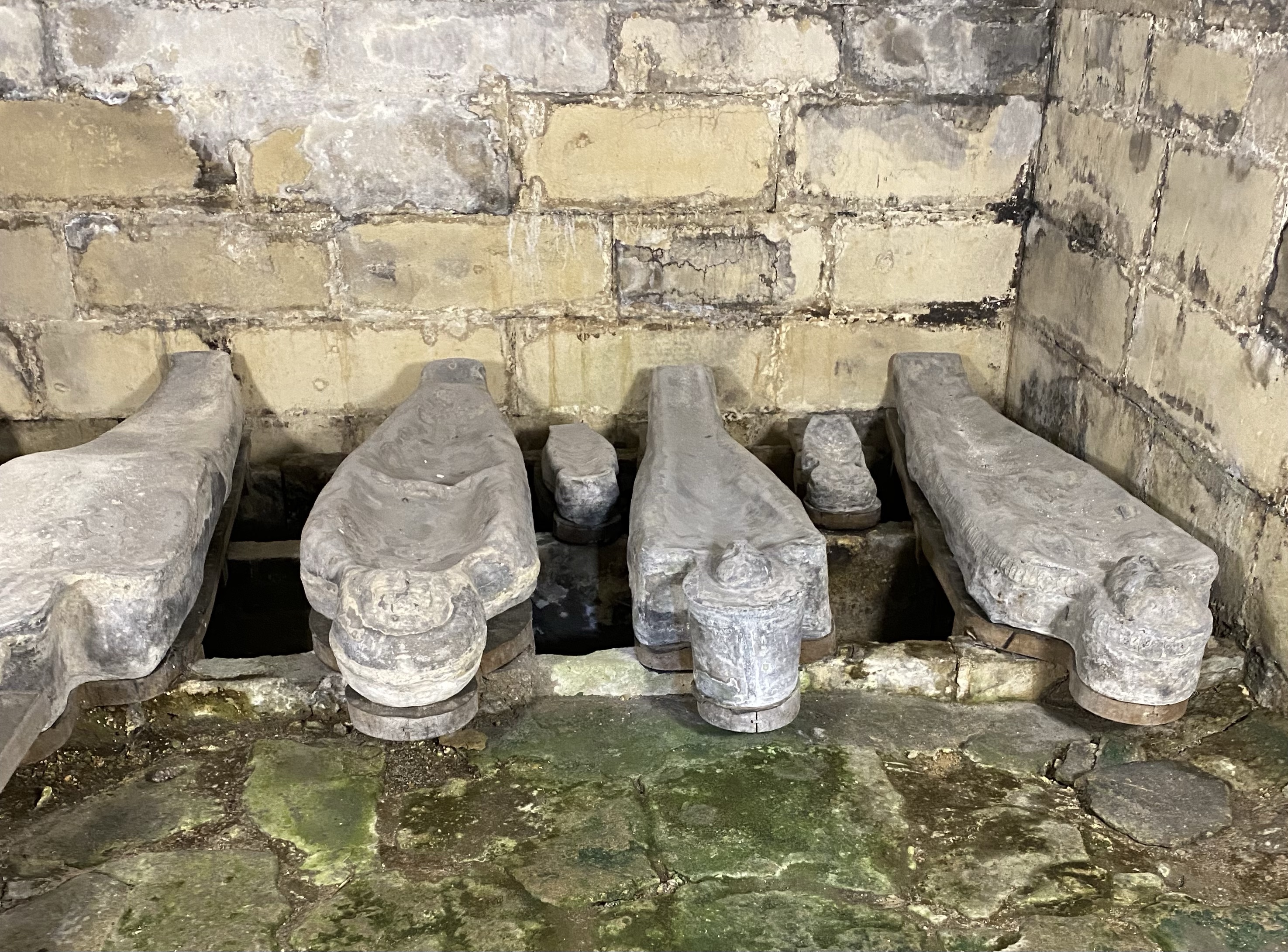
The castle was actually ruins so more a field of stones than castle but they did a nice job with audio equipment to describe the site. There was also a medieval chapel that had some nice surviving paintings and tombs for several Hungerfords. The crypt included some medieval coffins which was quite creepy. They didn’t look big enough for bodies and had a flat look kind of like they were formed around the bodies.

For the afternoon we headed into Wells for lunch the Cathedral and the Bishop’s House. Wells is a great little city. We had a little time to shop and I found a great bee pendant and another Victorian medal. Both of which I am very happy with. There hasn’t been as much shopping as I would like but we have been able to find a couple of great places and I am bringing home some great pieces.

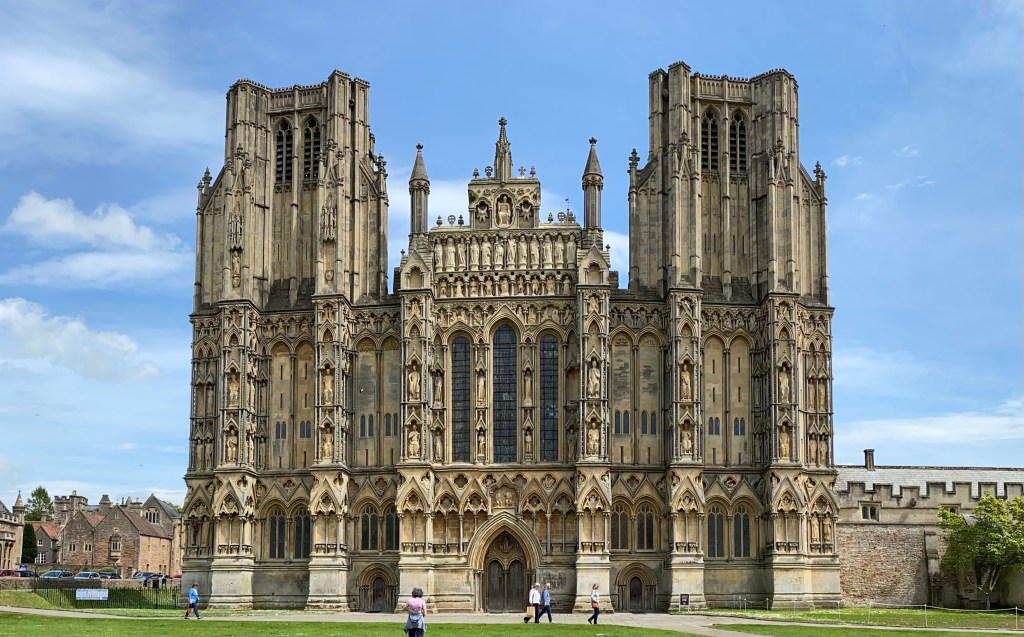
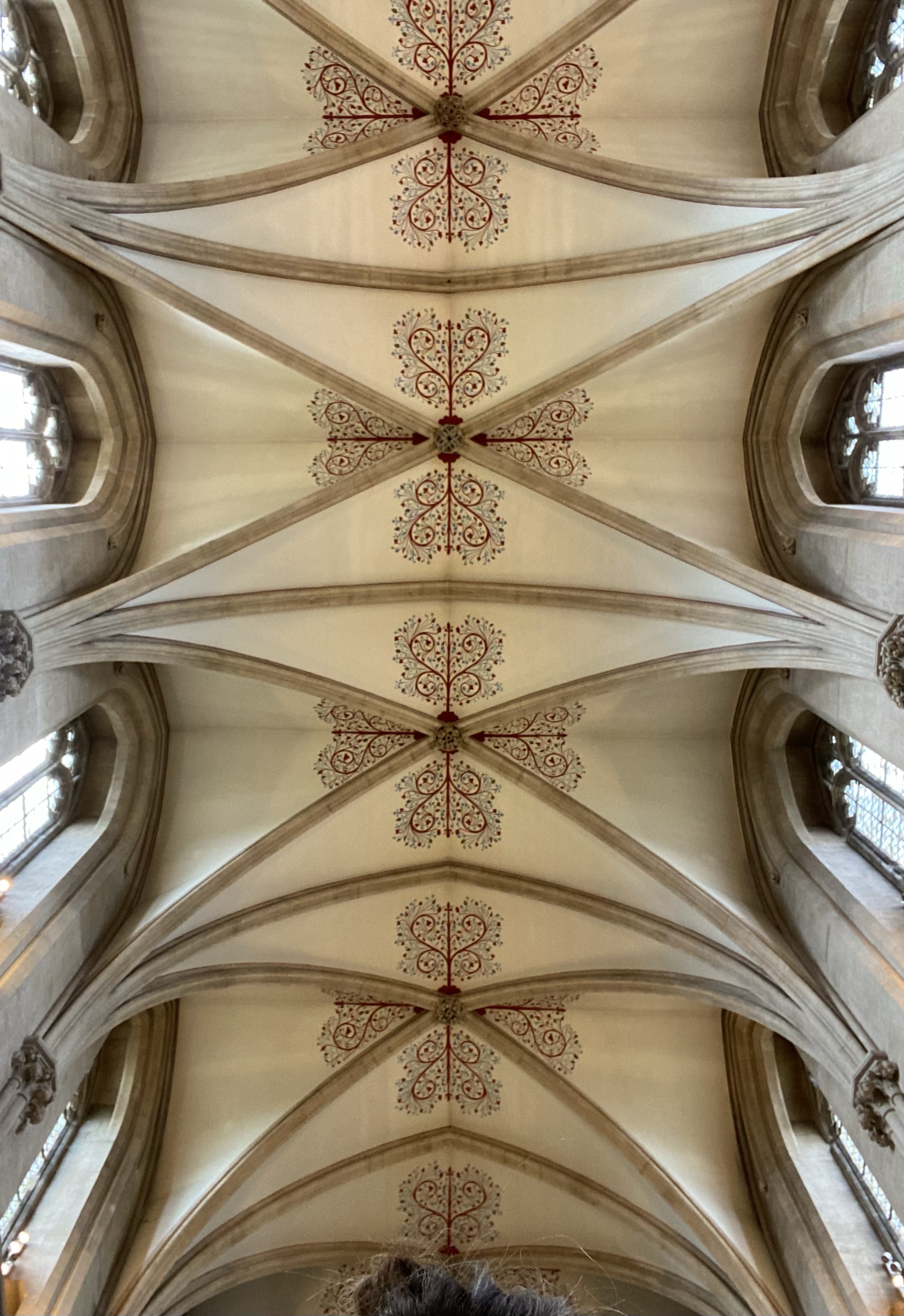
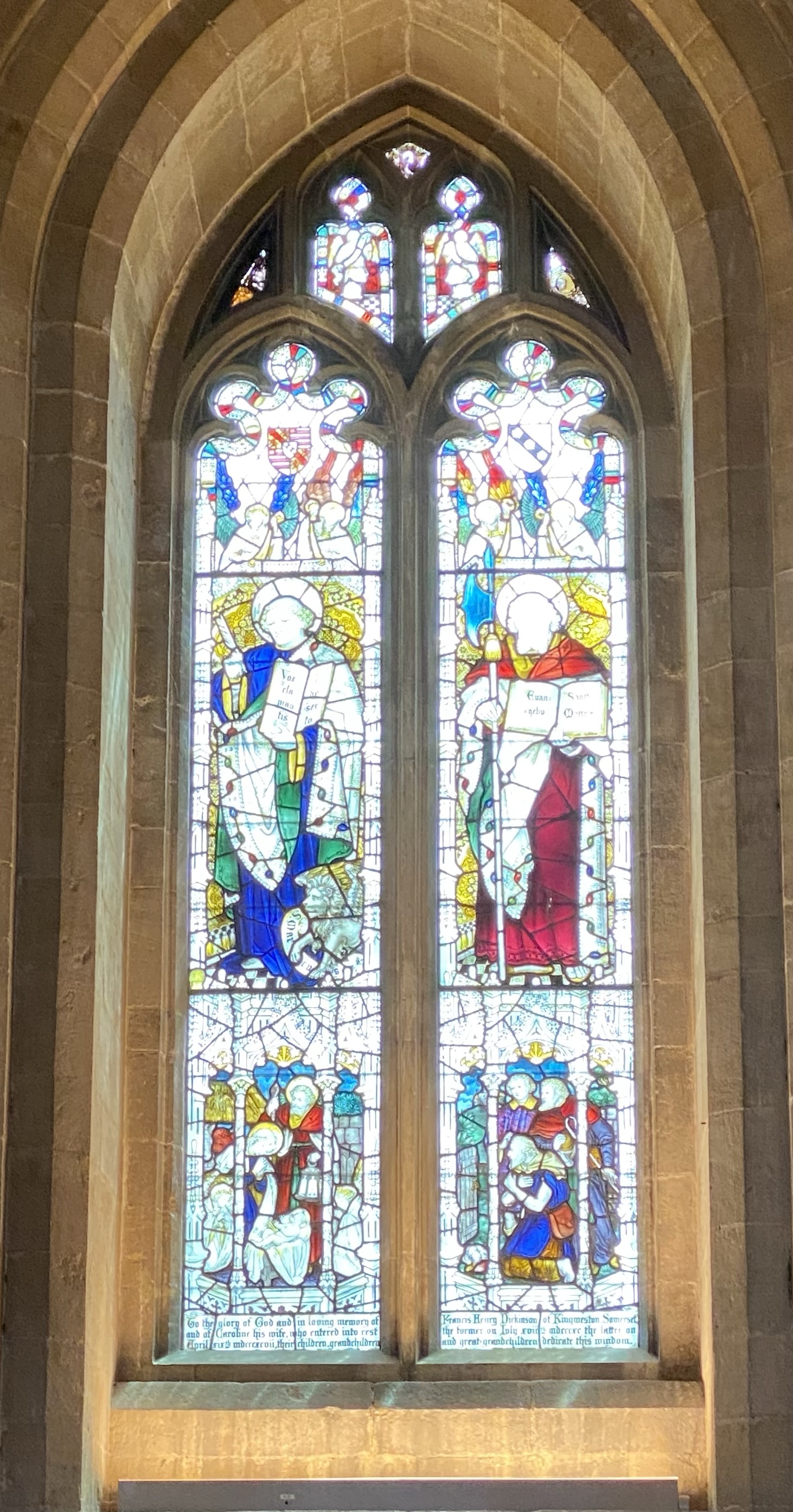
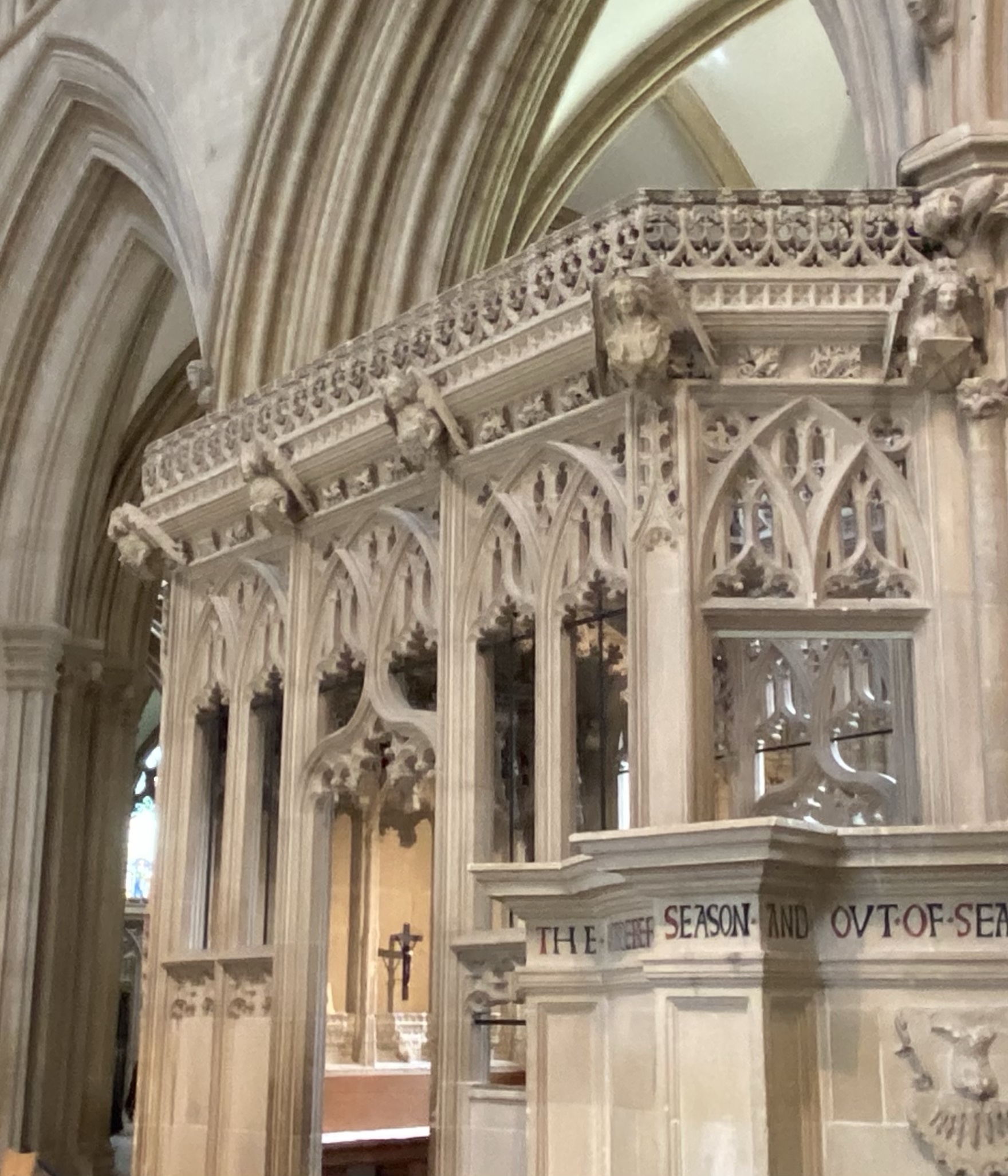
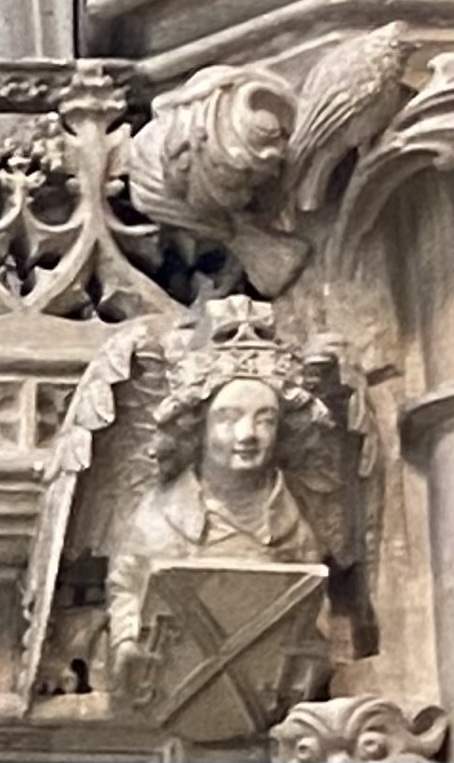
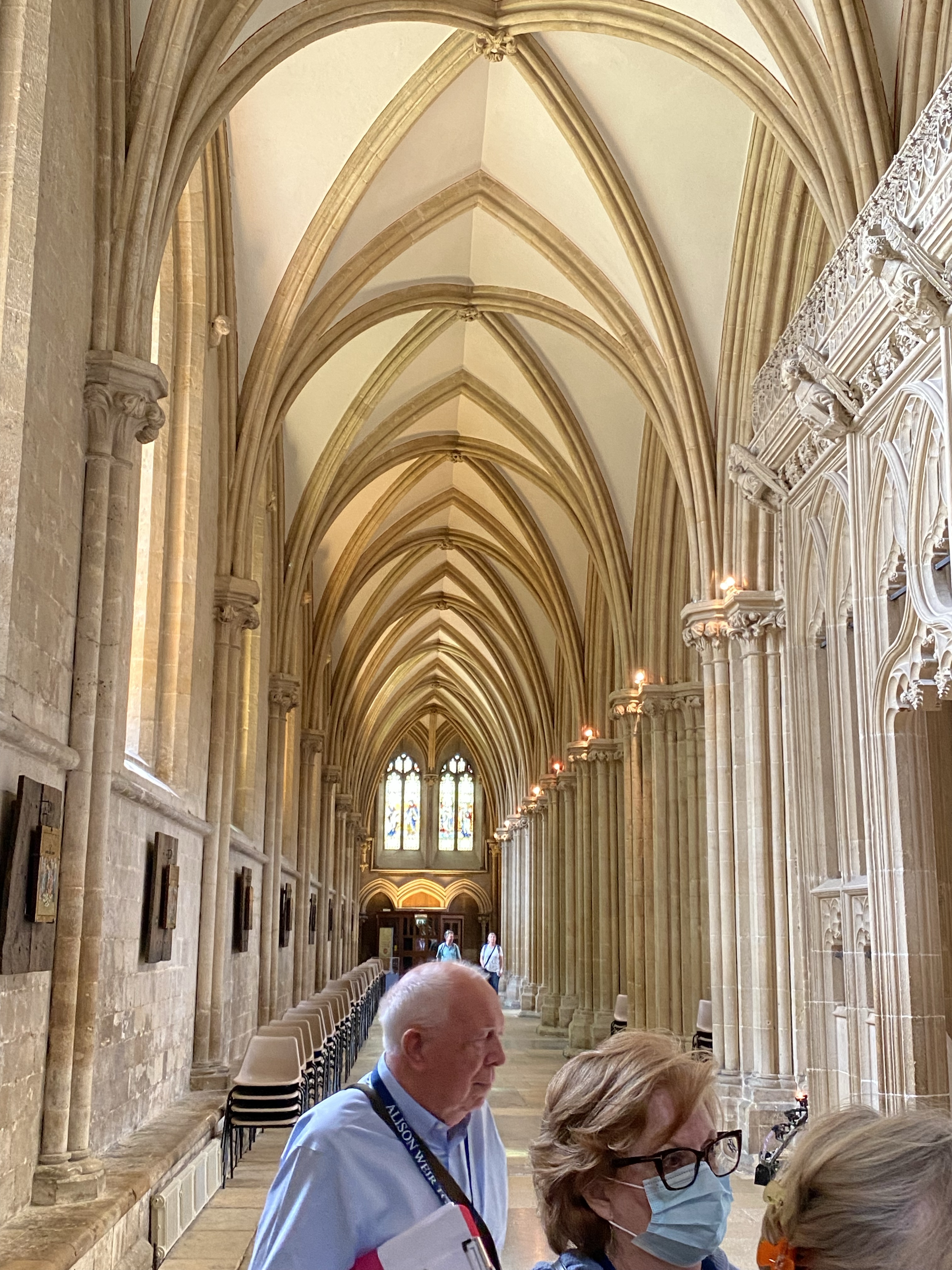
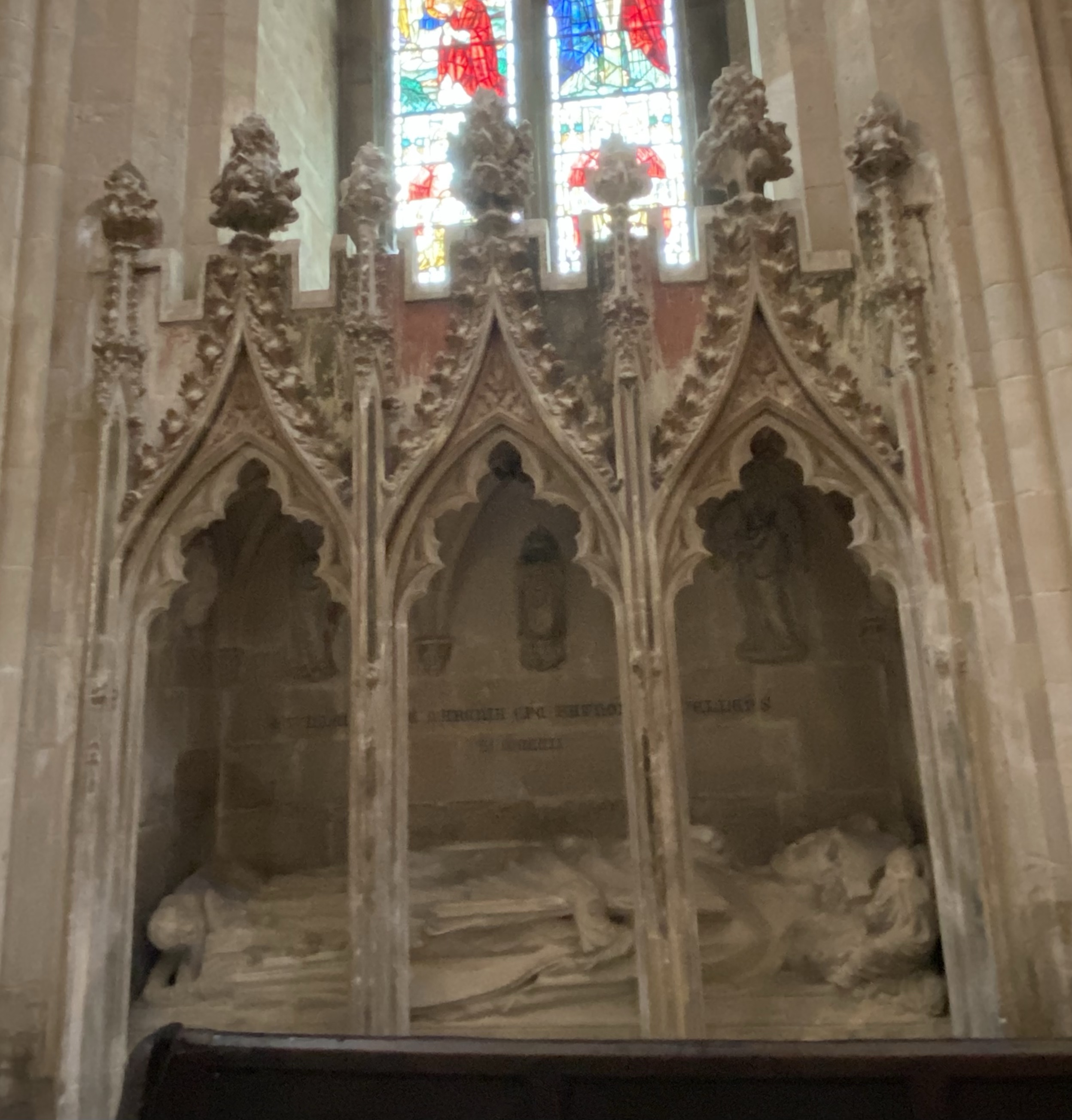
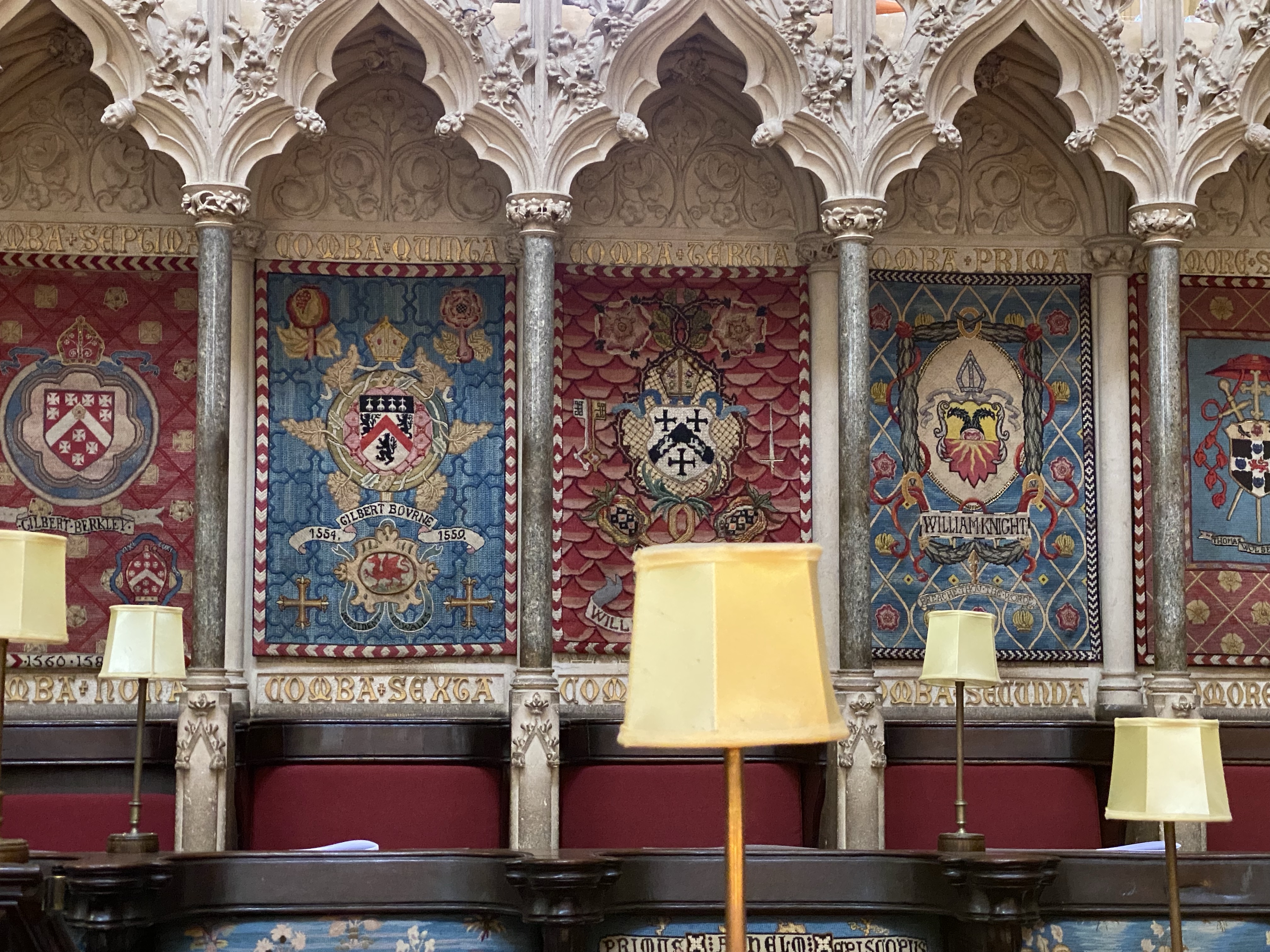
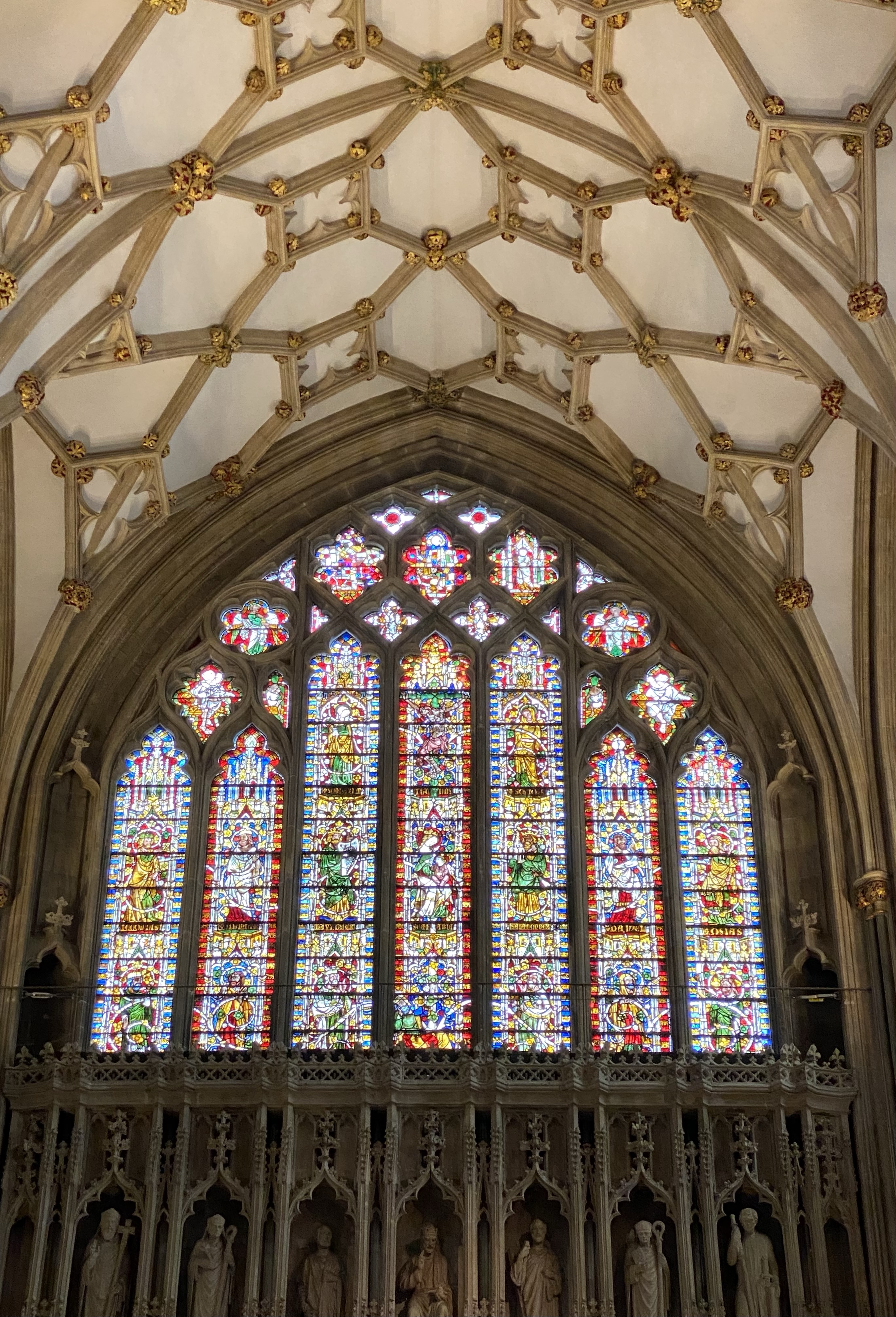
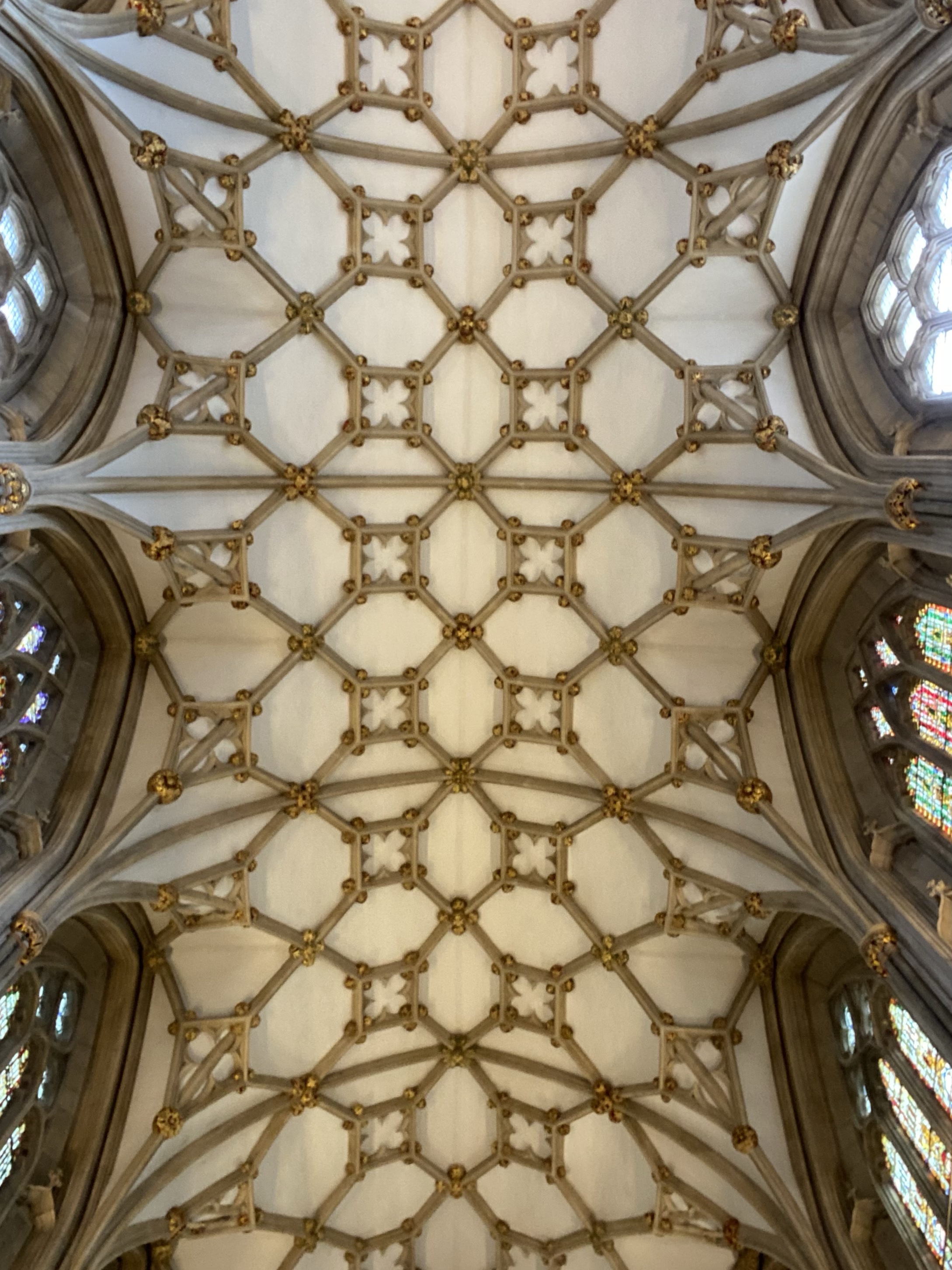
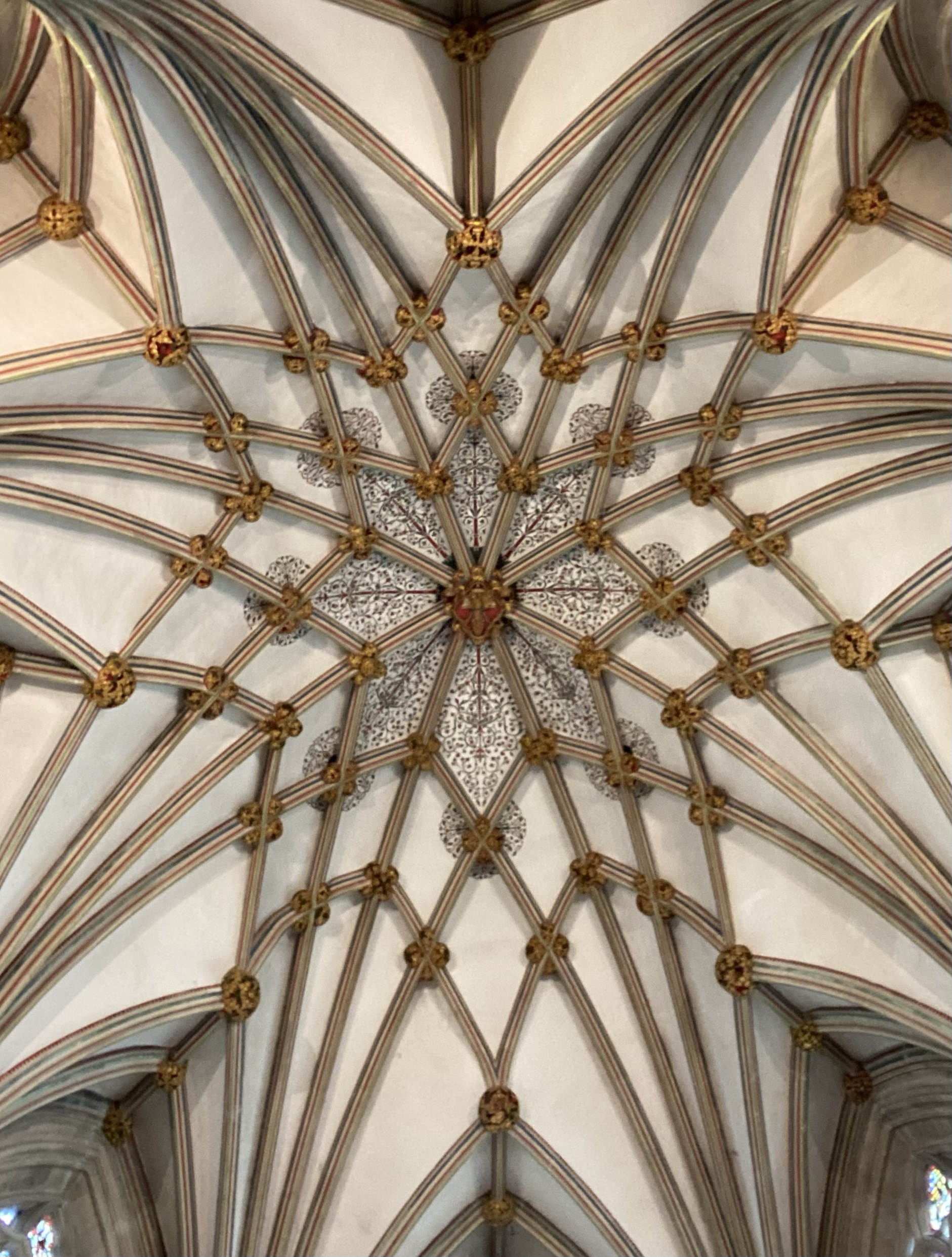
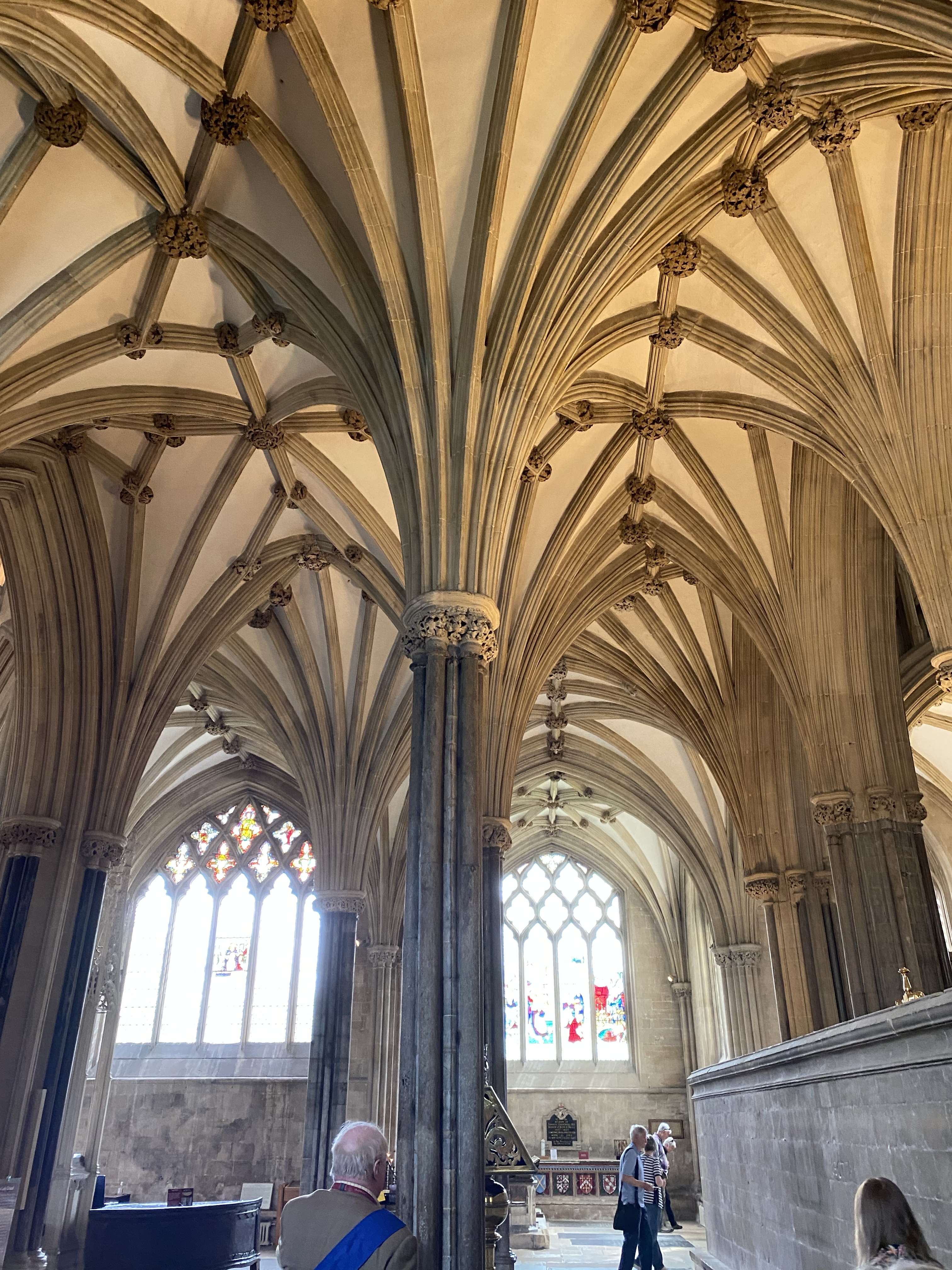
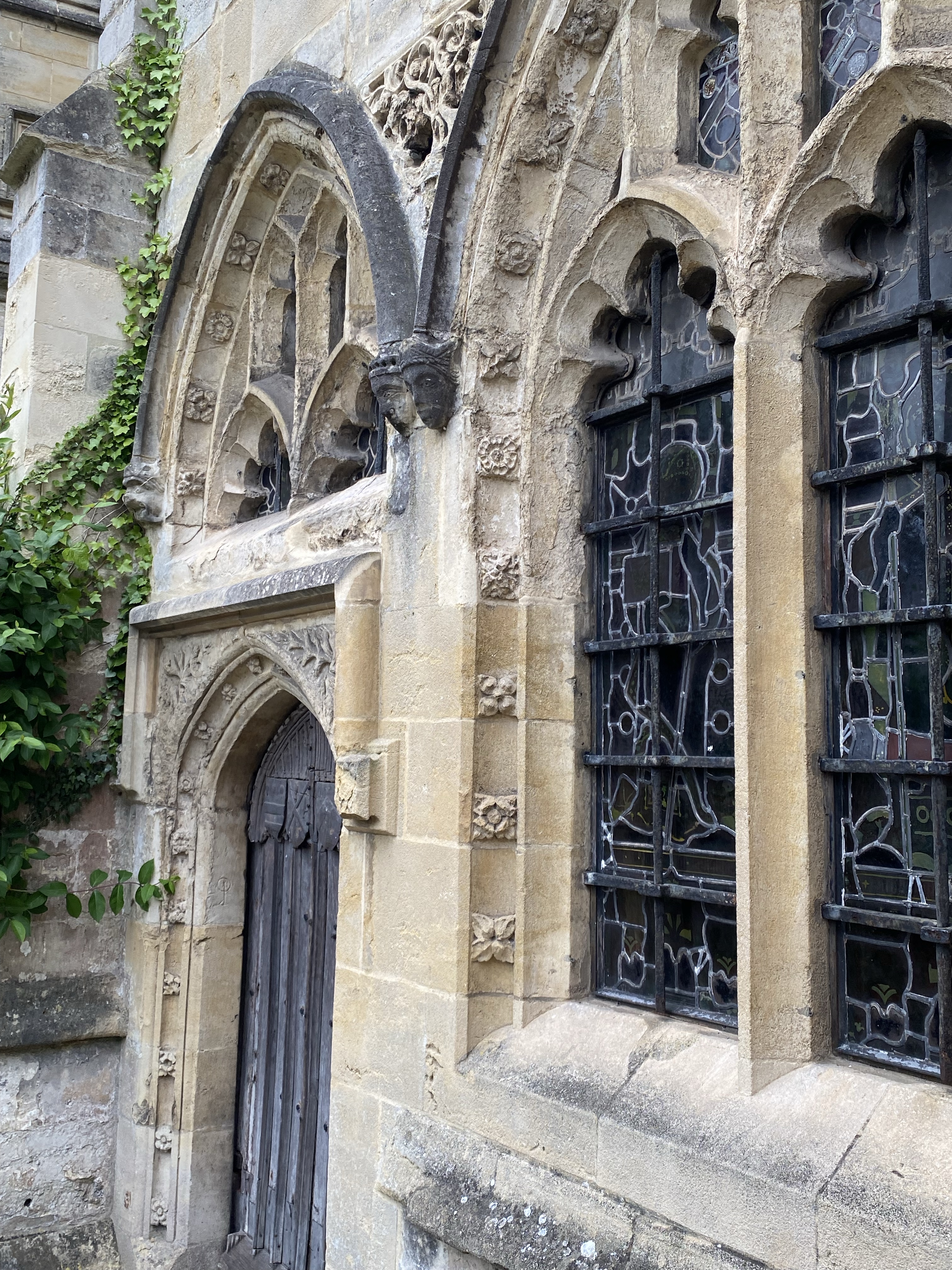
The Wells Cathedral is wonderful. It is very grand and full of great stained glass, statutes/carvings, and embroidery. Our tour guide was more into the carvings so that is what we saw. Alison was disappointed that he didn’t point out more Tudor references but she did some of that for us.

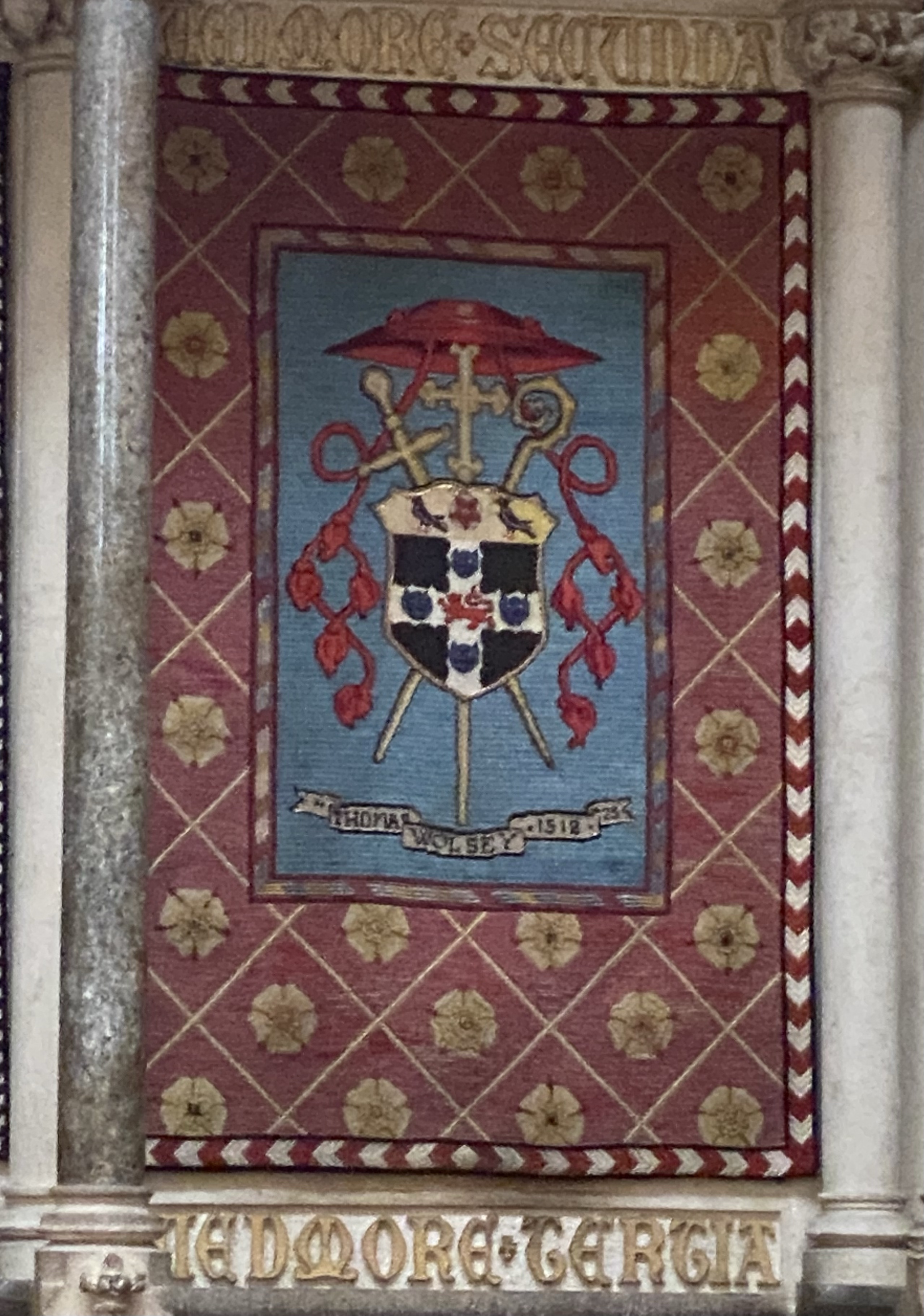
The embroidered cushions in the quire were quite special and from the early 20th century so not old like most things we are seeing but lovely. One of the stained glass windows was 15th century which had recently been restored so it was all bright and shiny.

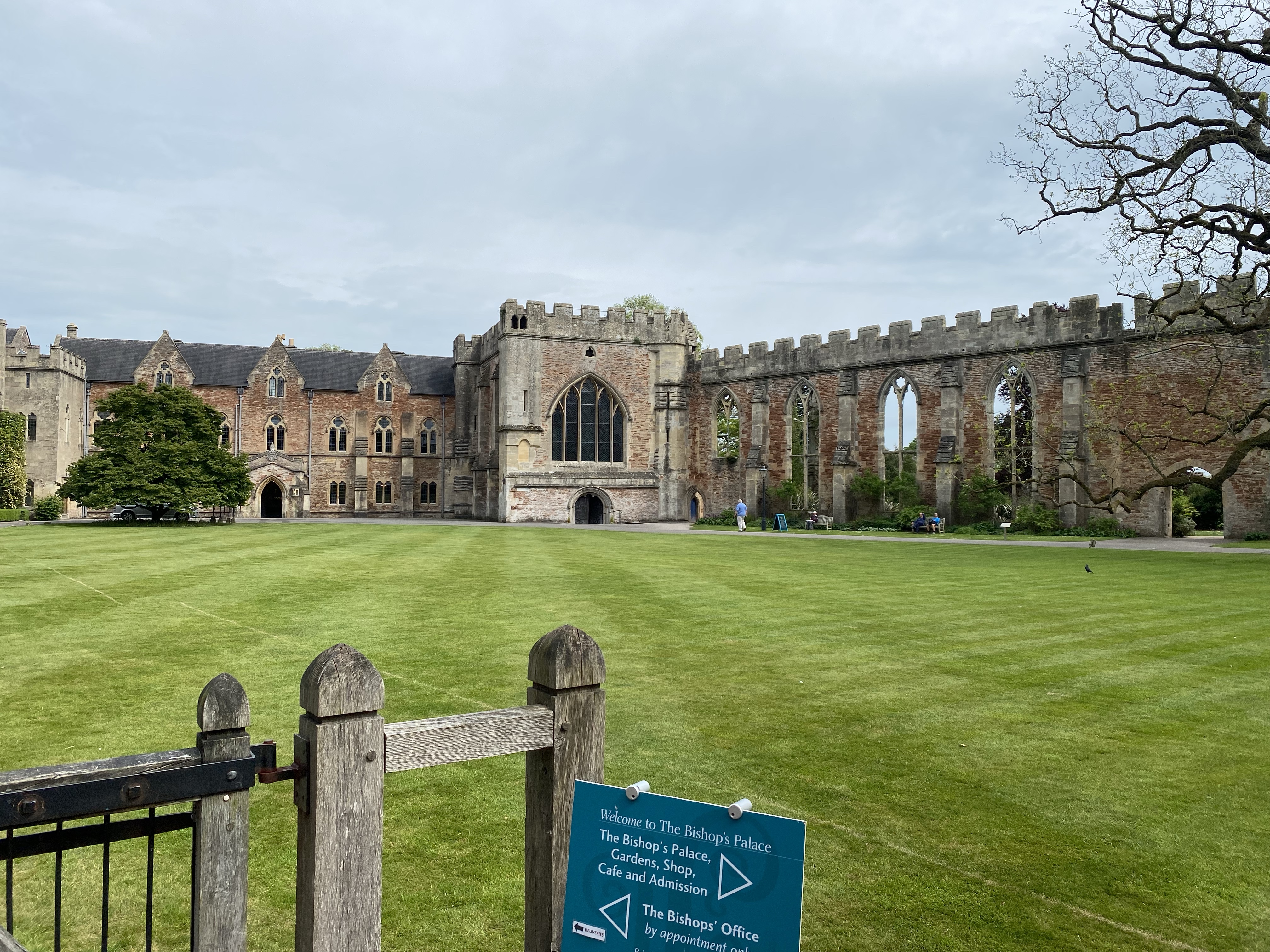
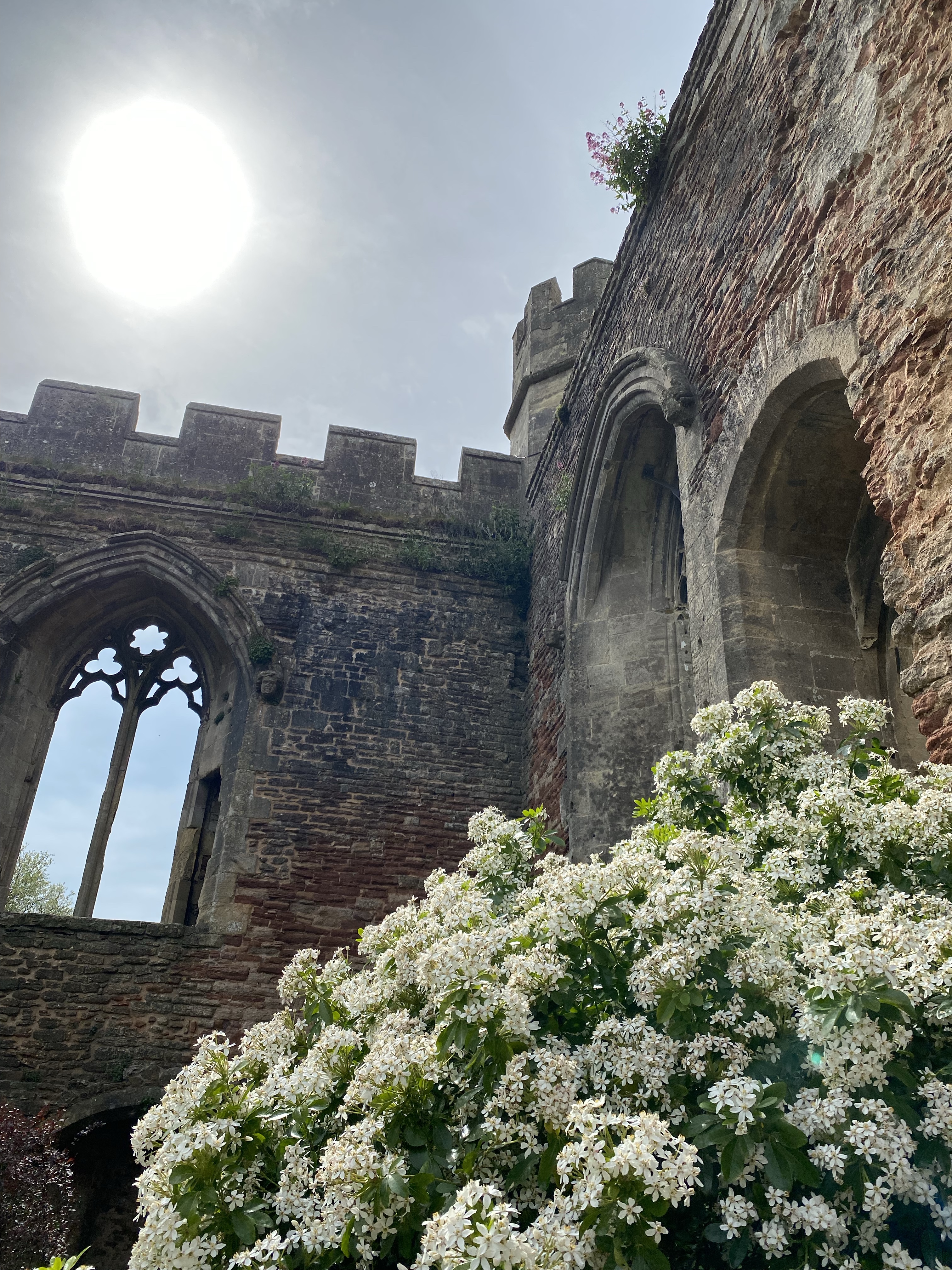
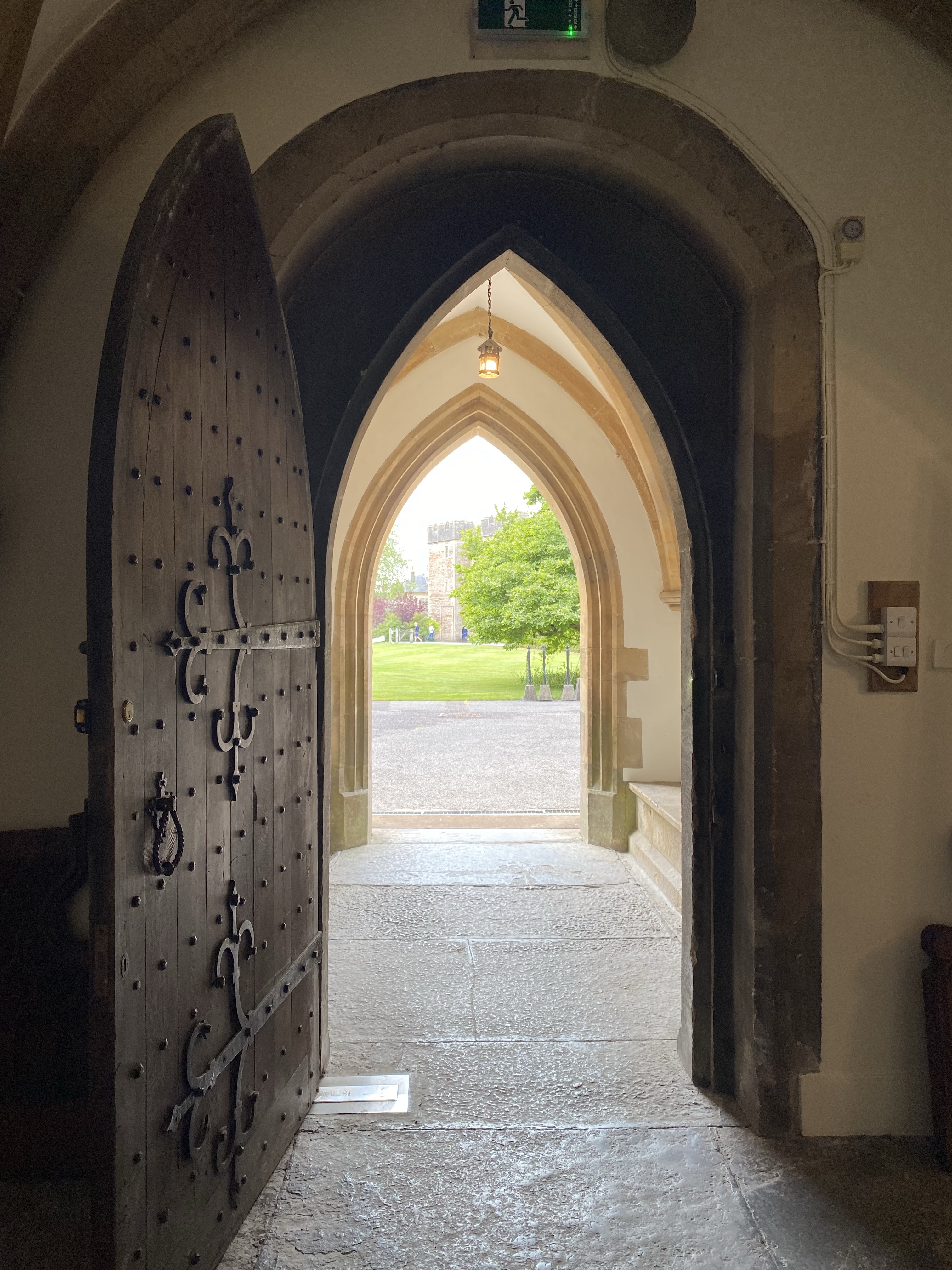
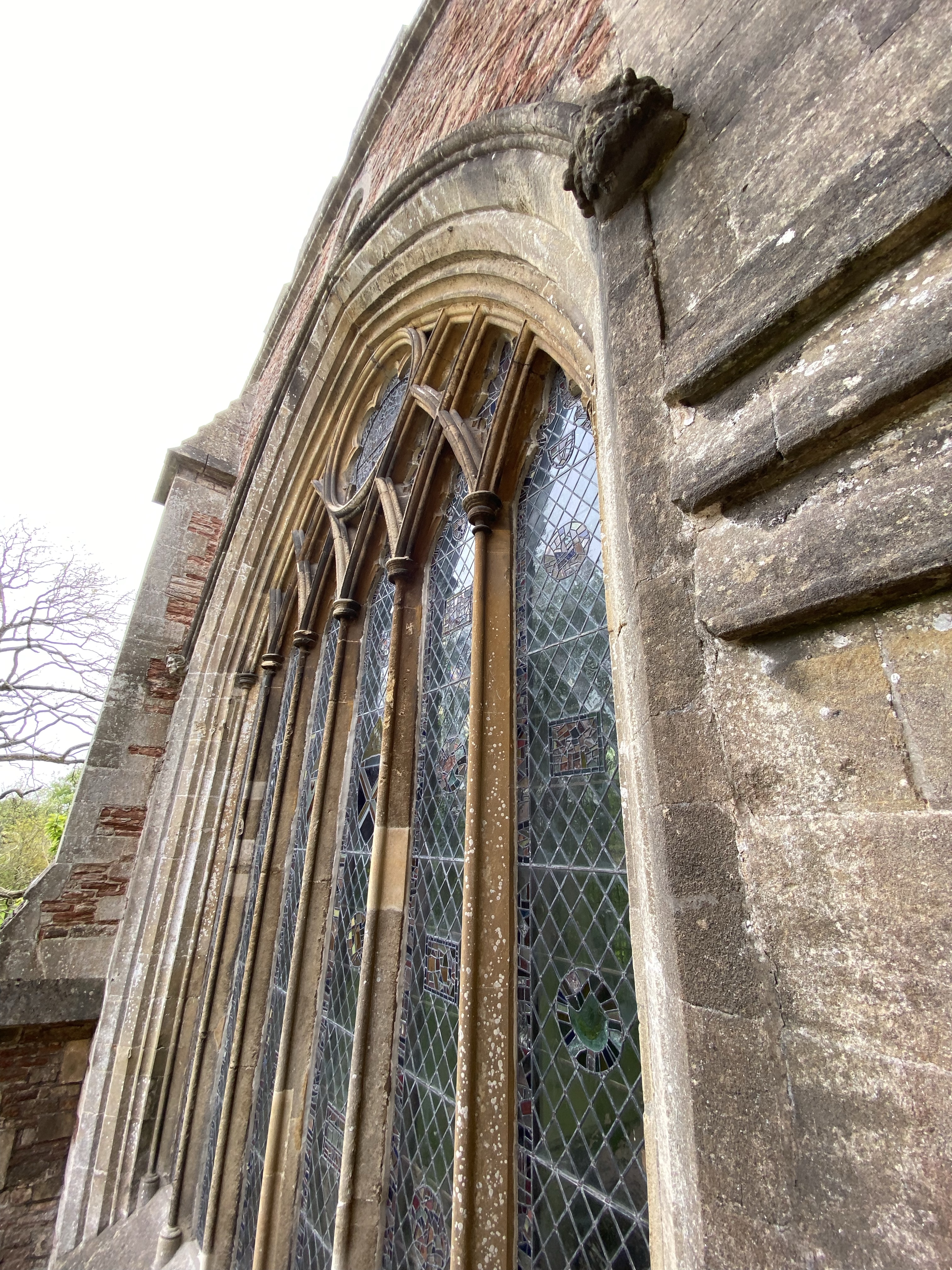
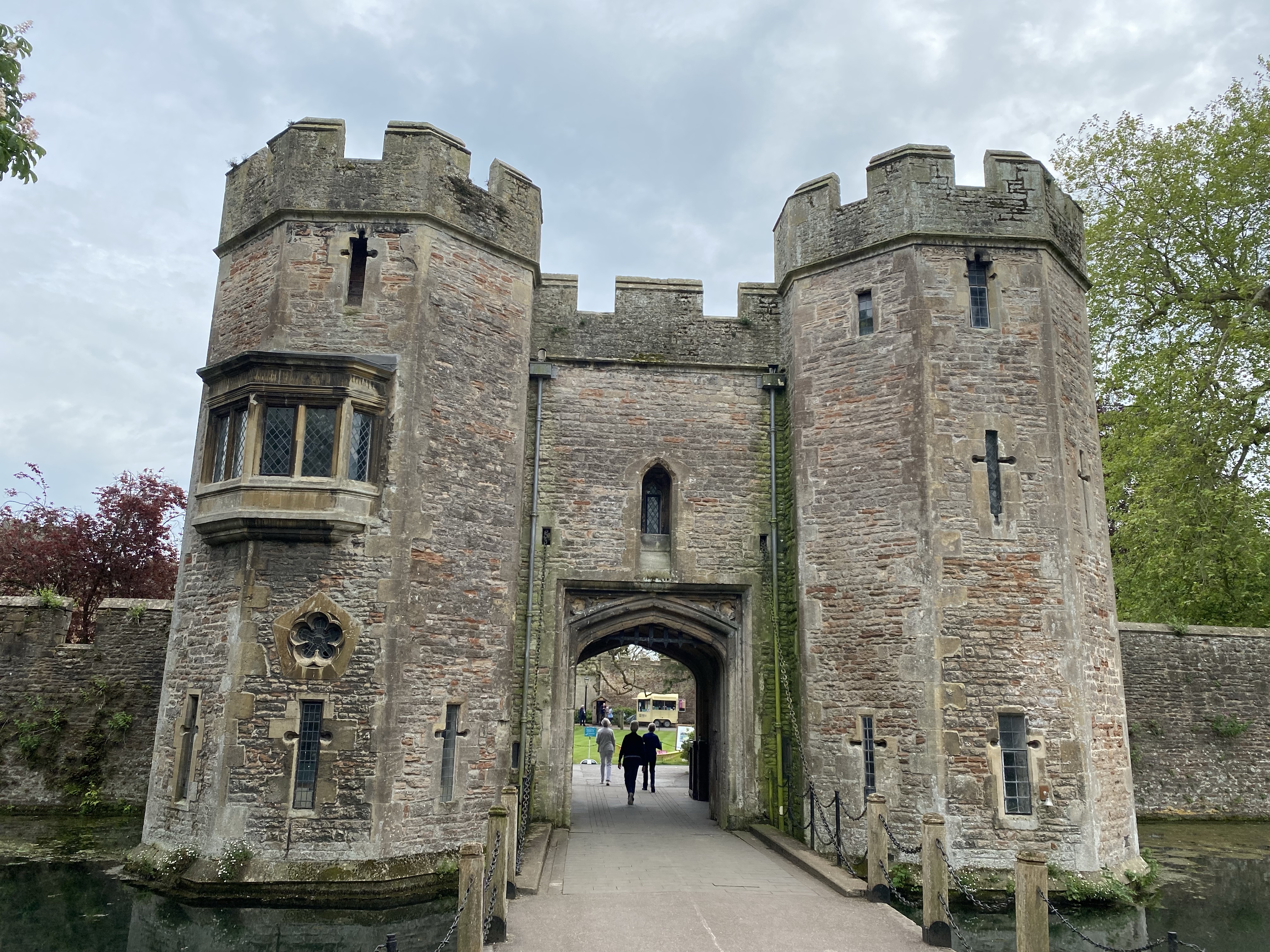
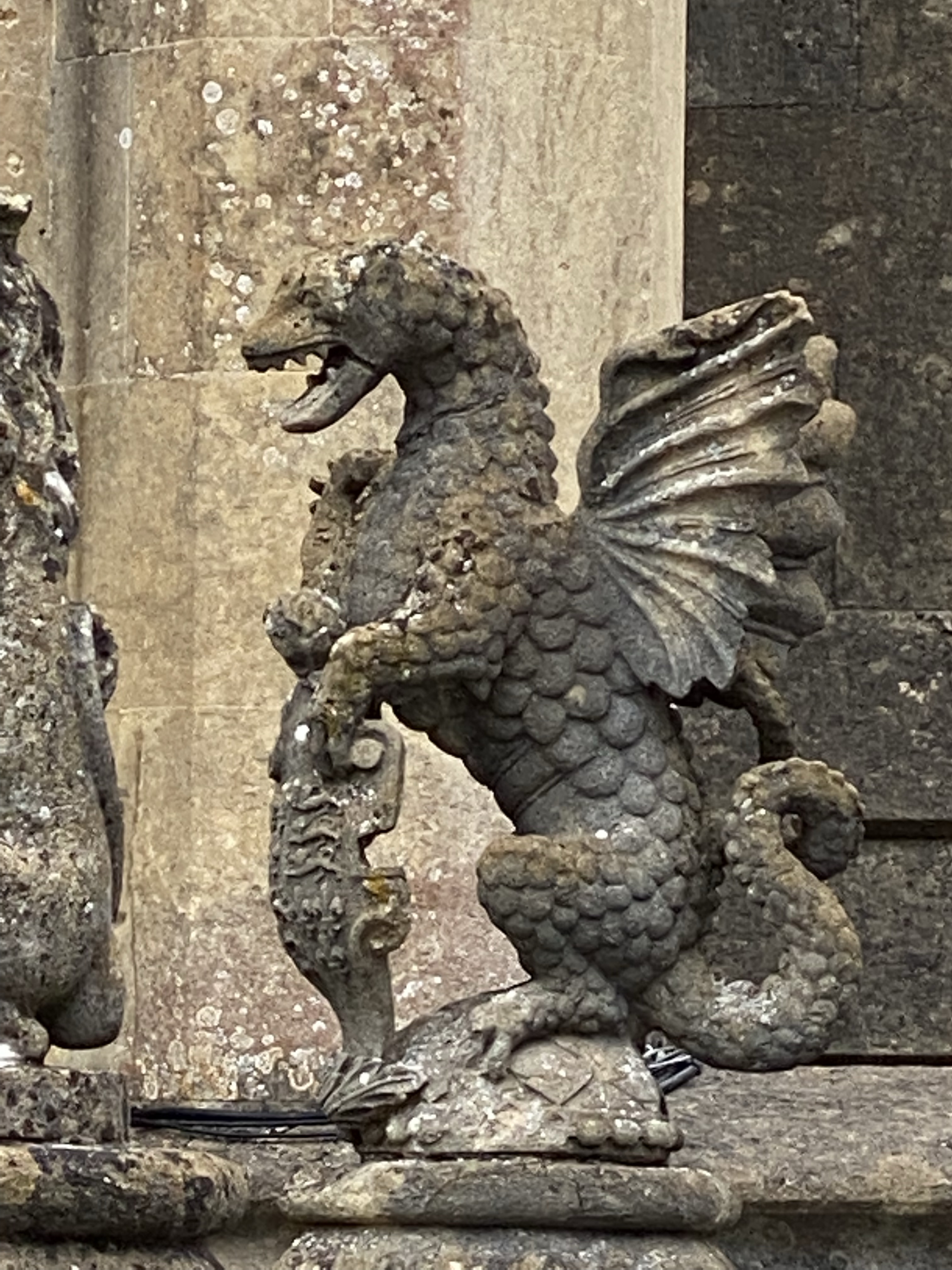
The Bishop’s Palace was more stark, not a lot of adornment (except for green dragons on the staircase.) The palace had a was within the walled part of the city and surrounded by a moat. A portion of it was in ruins but a good portion was still standing and in use today. It had a nice display of how the church and town had changed through the years which was nice to see. It helped put everything in a nice timeline.

On a more modern aspect of the trip the most was home to a family of swans. The swans were trained to ring a bell to get food. Of course the string to the bell was only put out a couple of times a day. I was lucky enough to be there at just the right time to catch it on video. One of our historians had told of us this story but no one really believed him. He was very excited that I had evidence to prove him right.

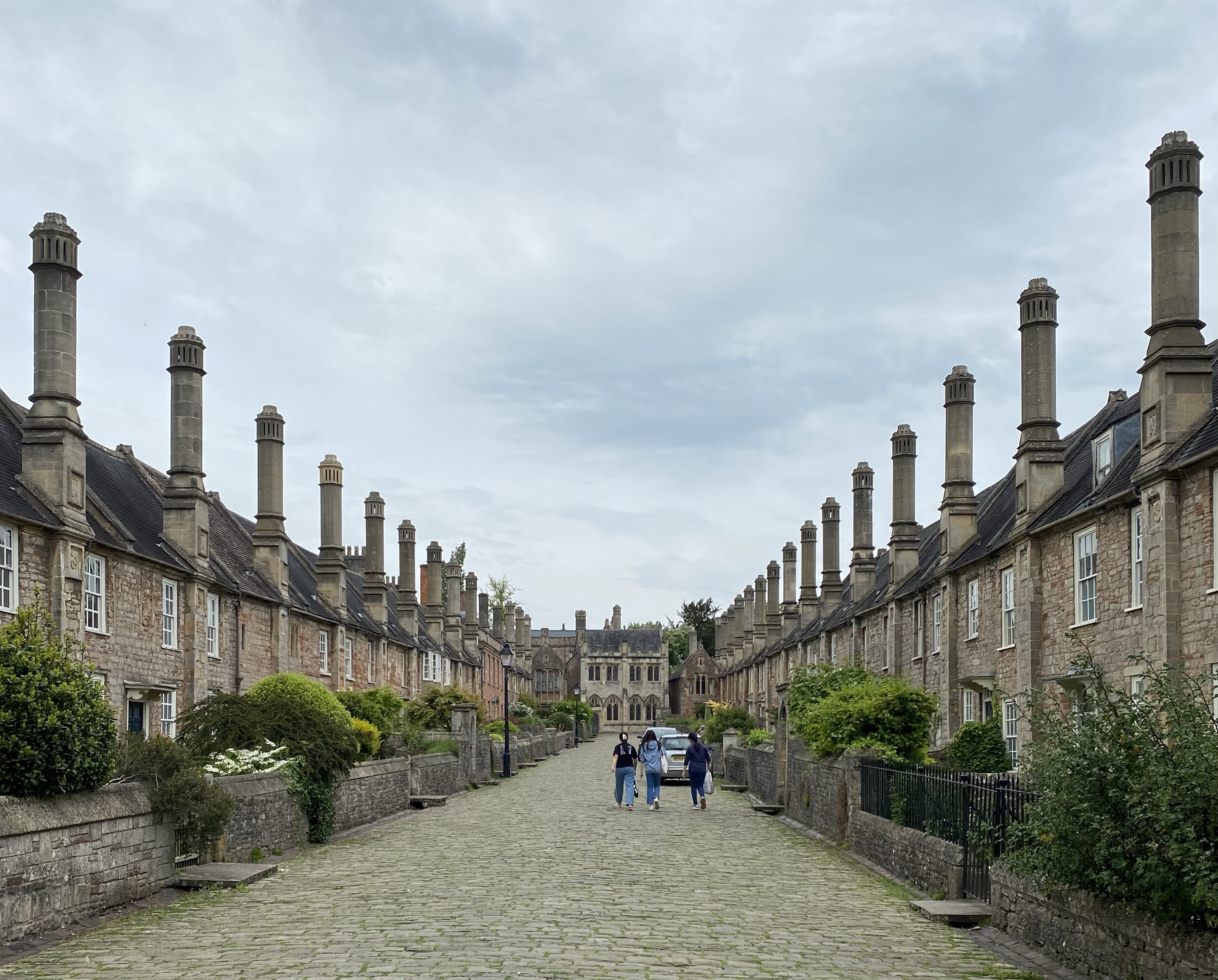
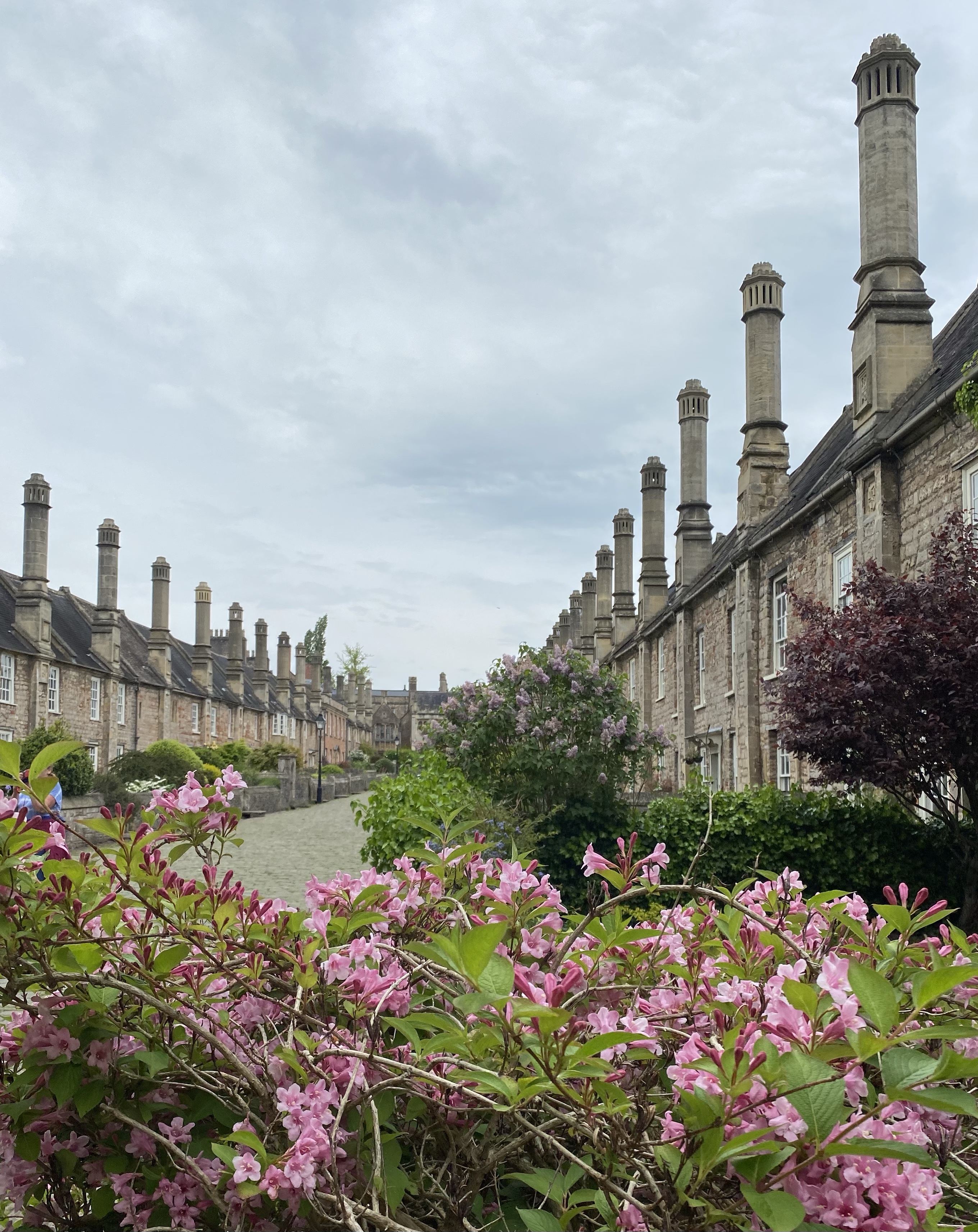
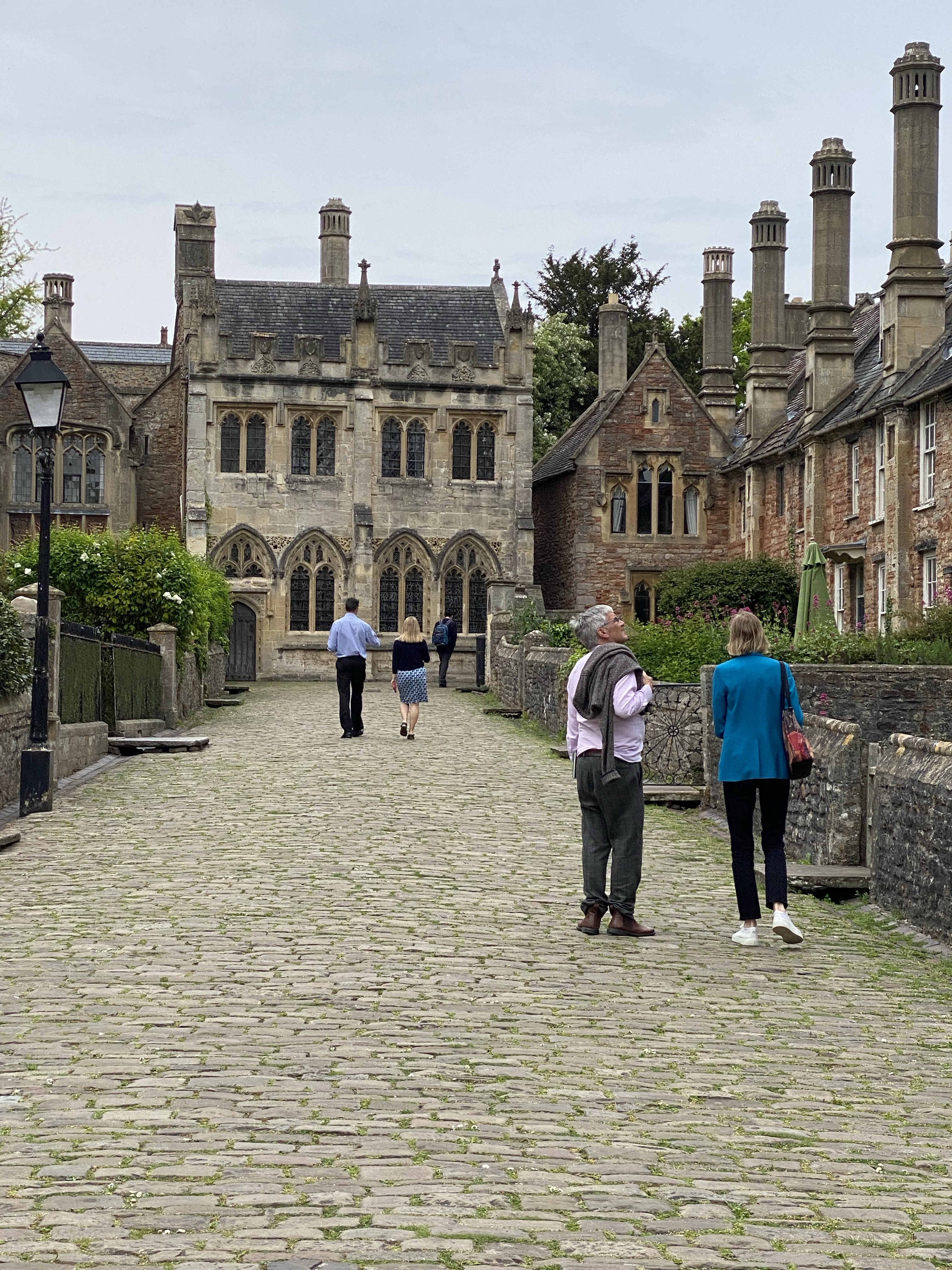
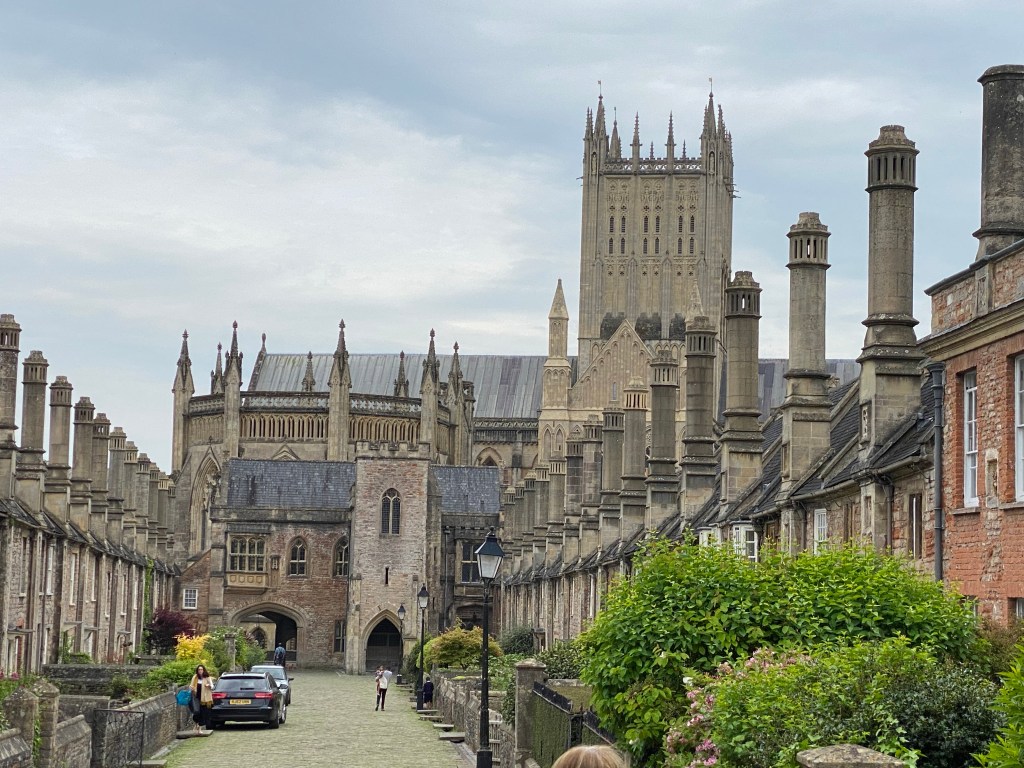
We made a quick run through the Vicar’s Close which is the oldest residential street in England. It was connected to the church and was the home to the church clergy. The homes are still in use. We happened to catch Julian and Tracy walking through and got a little more history and insight on the life of the residents in medieval England.

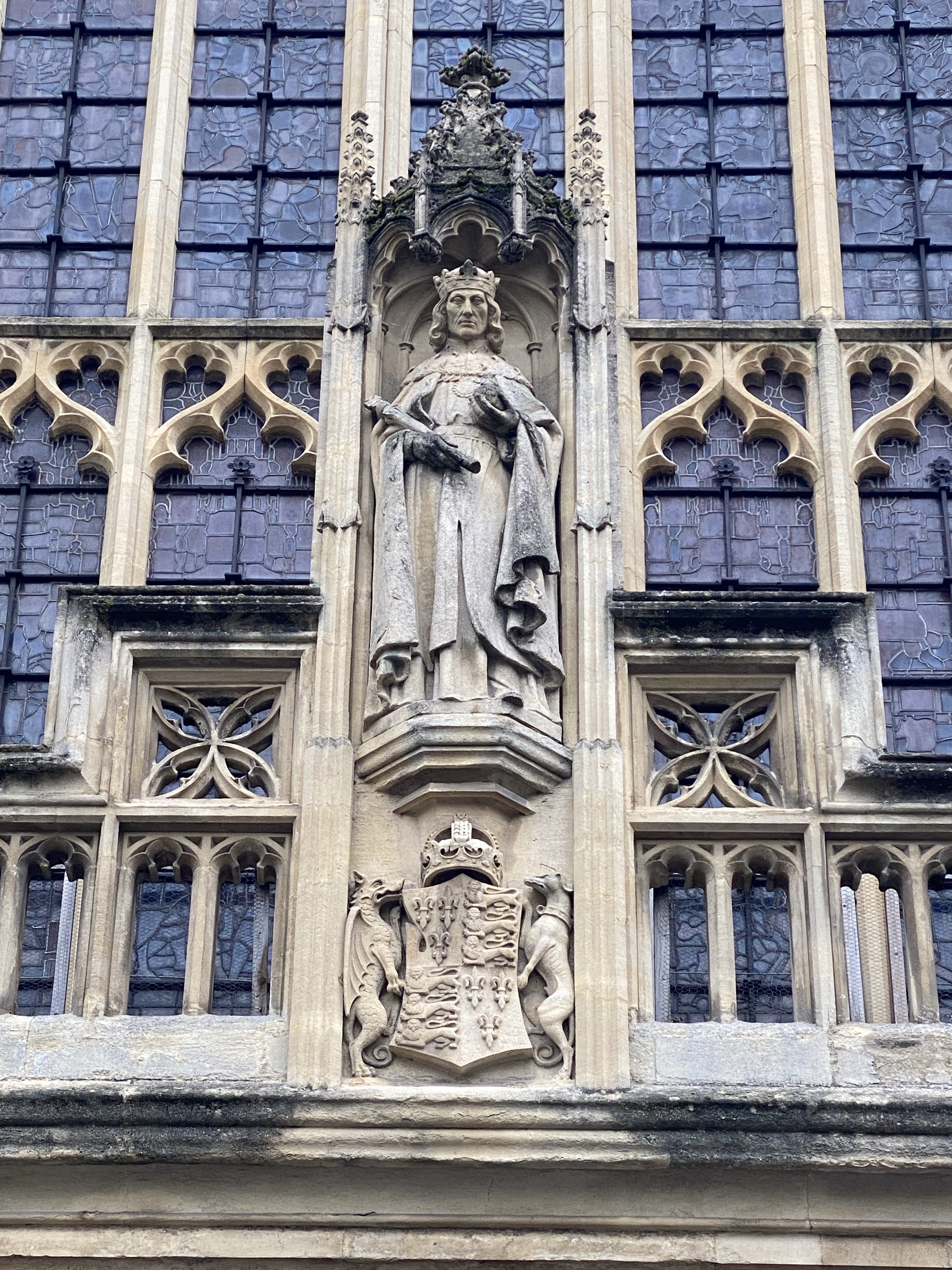
After returning to Bath we had a couple of lectures one our Tudor art which was very good and then one by Tracy Borman on the private life of the Tudors. The lectures are a big part of the tour. Most bus rides include a talk on at least one topic and then we have one at every dinner and few scattered throughout the week. Someone reference the trip as Tudor boot camp and that is on point.

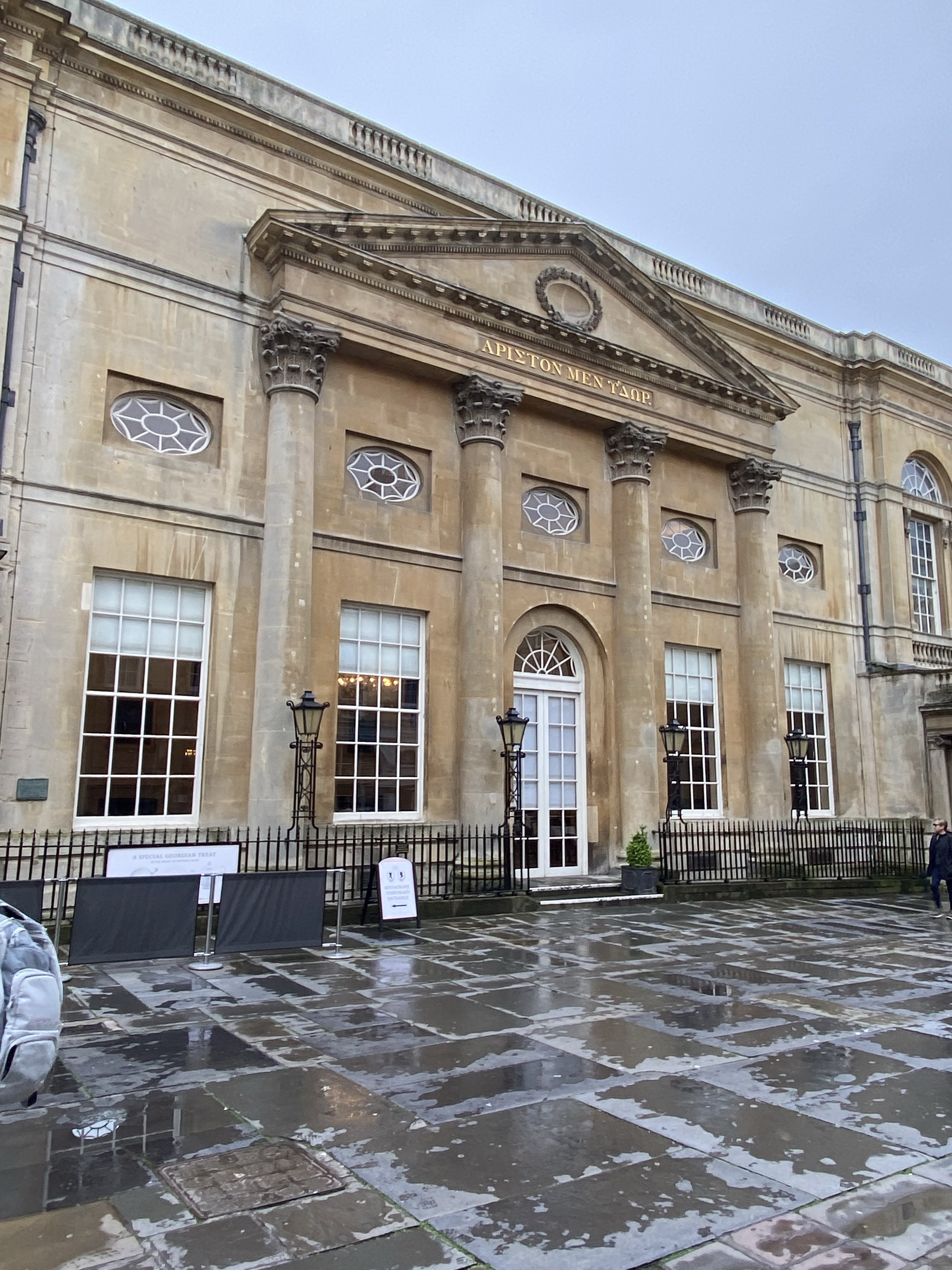
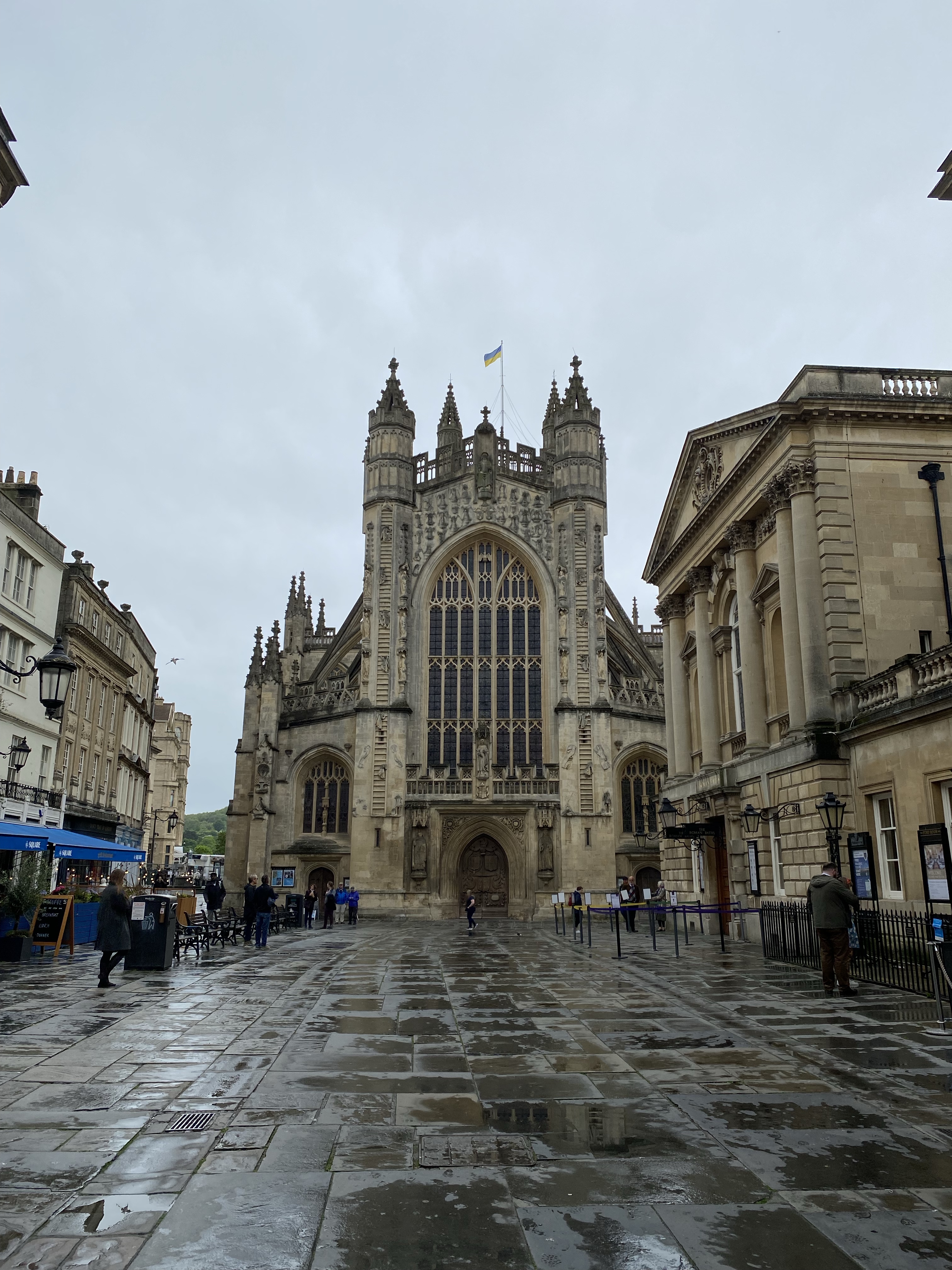
This evening was the only off time we had in Bath so we walked down to see the cathedral for a few photos and dinner. We found a great pizza place (Oven) and had what was claimed as award winning. It was quite delicious so I believe their claim.

The walk back up to the Crescent was a little slower than the trip down. But soon we were back at the hotel and closing out the day.

Alison and Tracy after tea and cookies
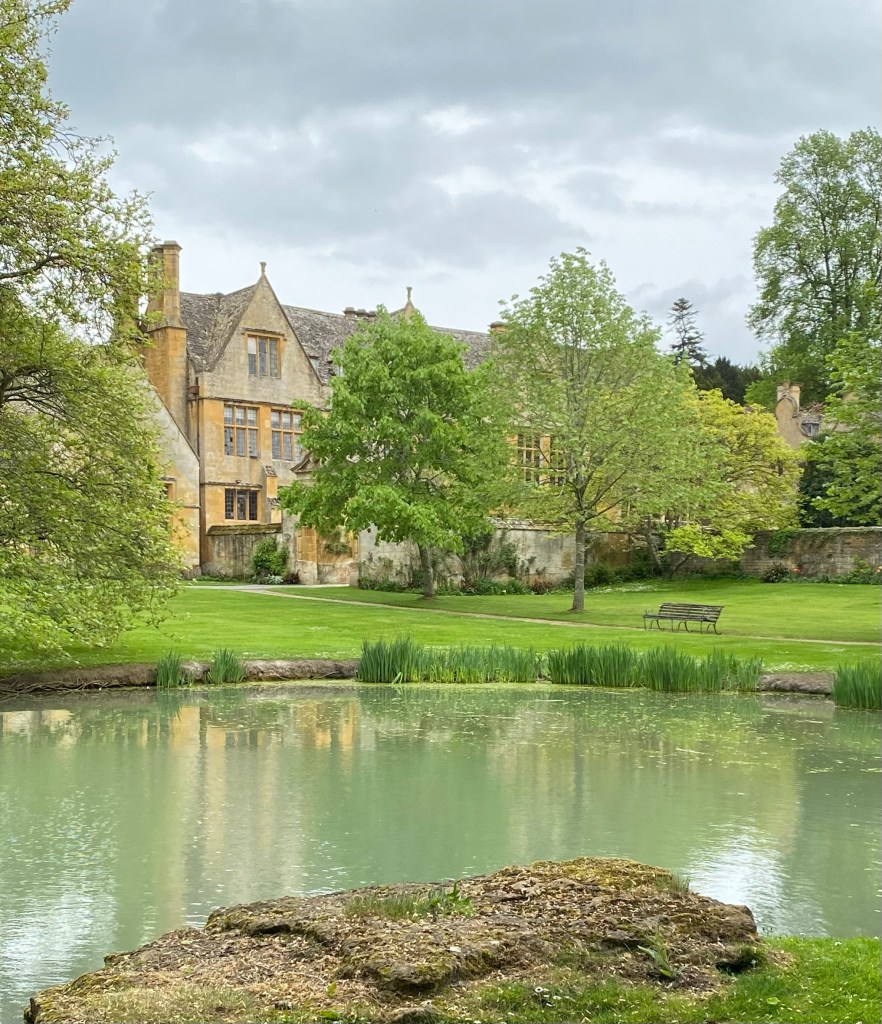
View from the Inn
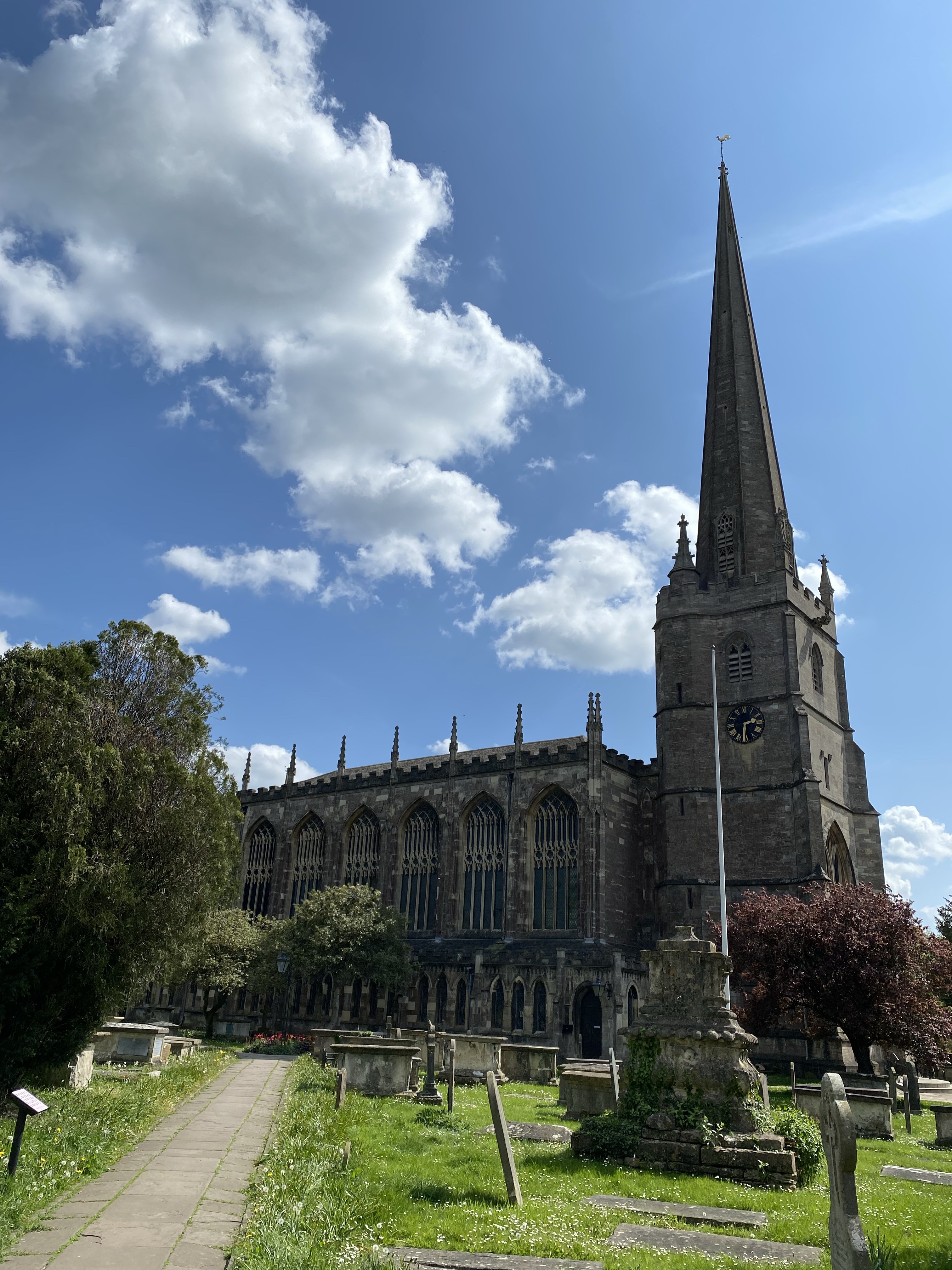
Wells Cathedral
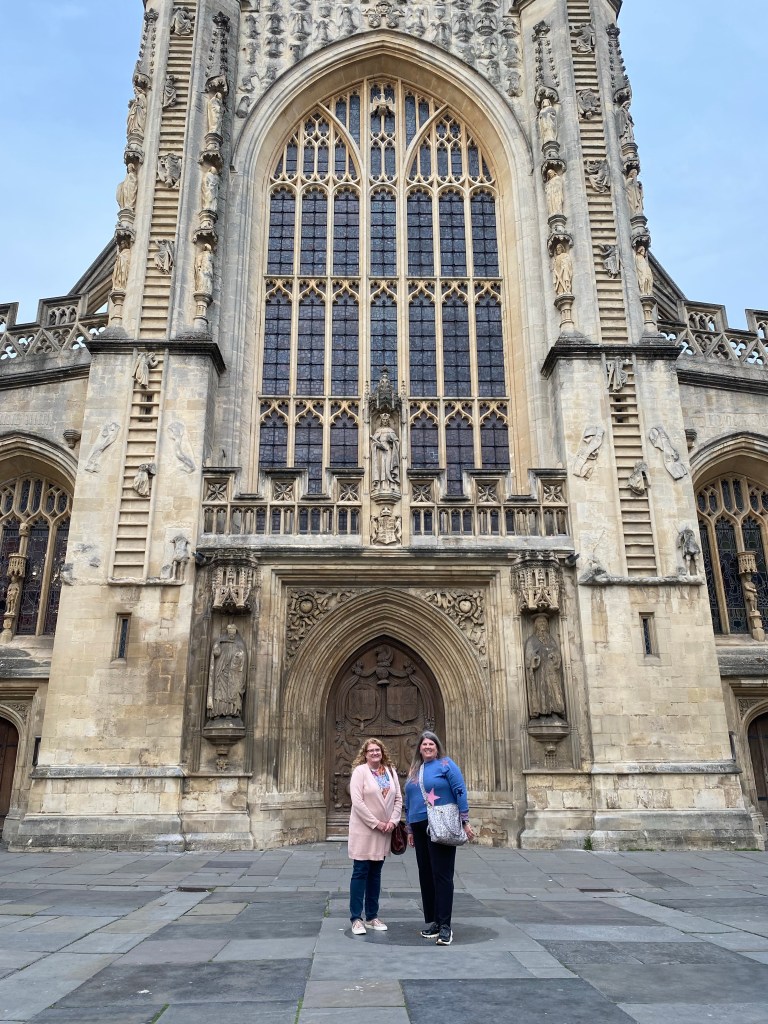
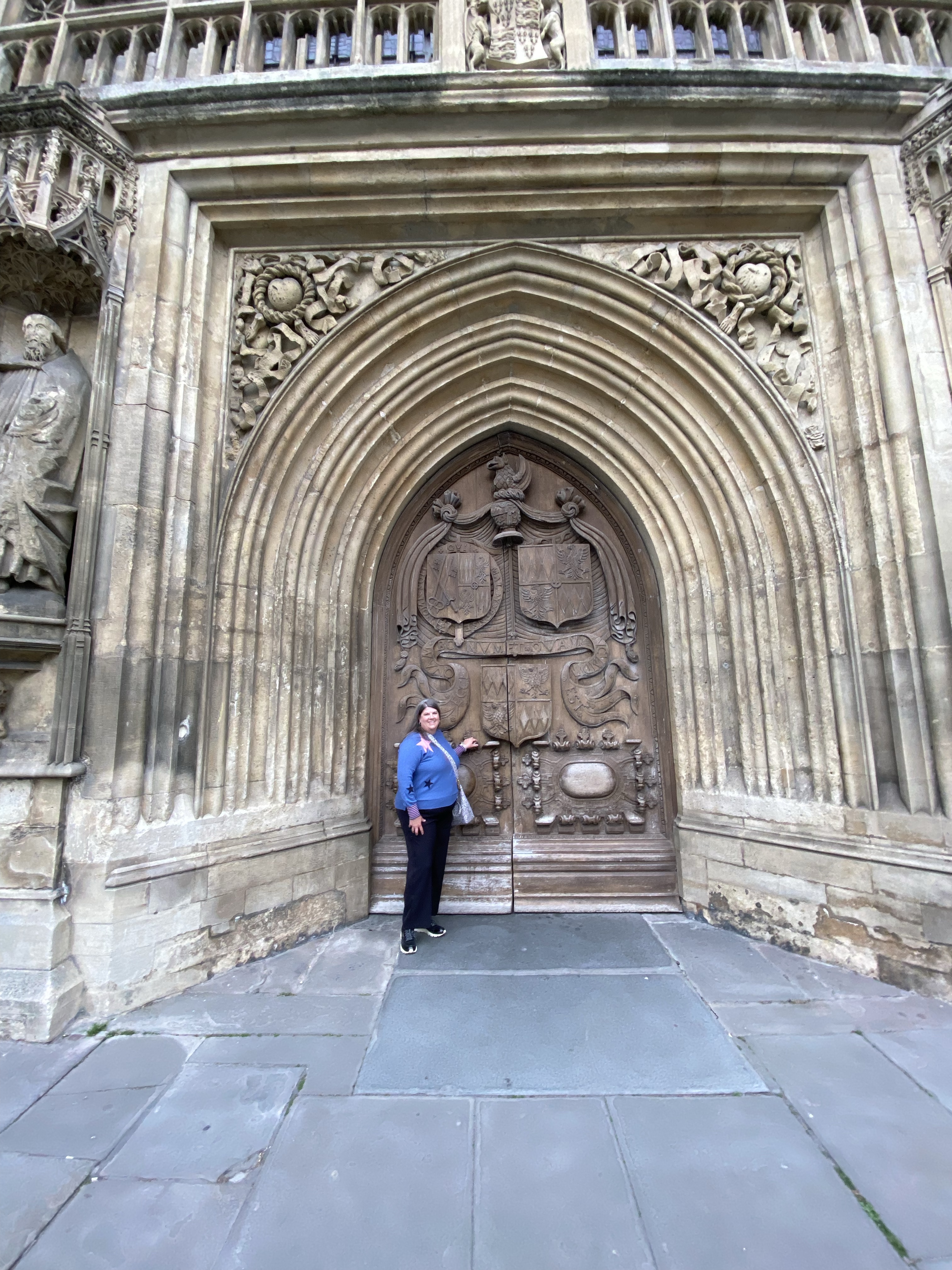
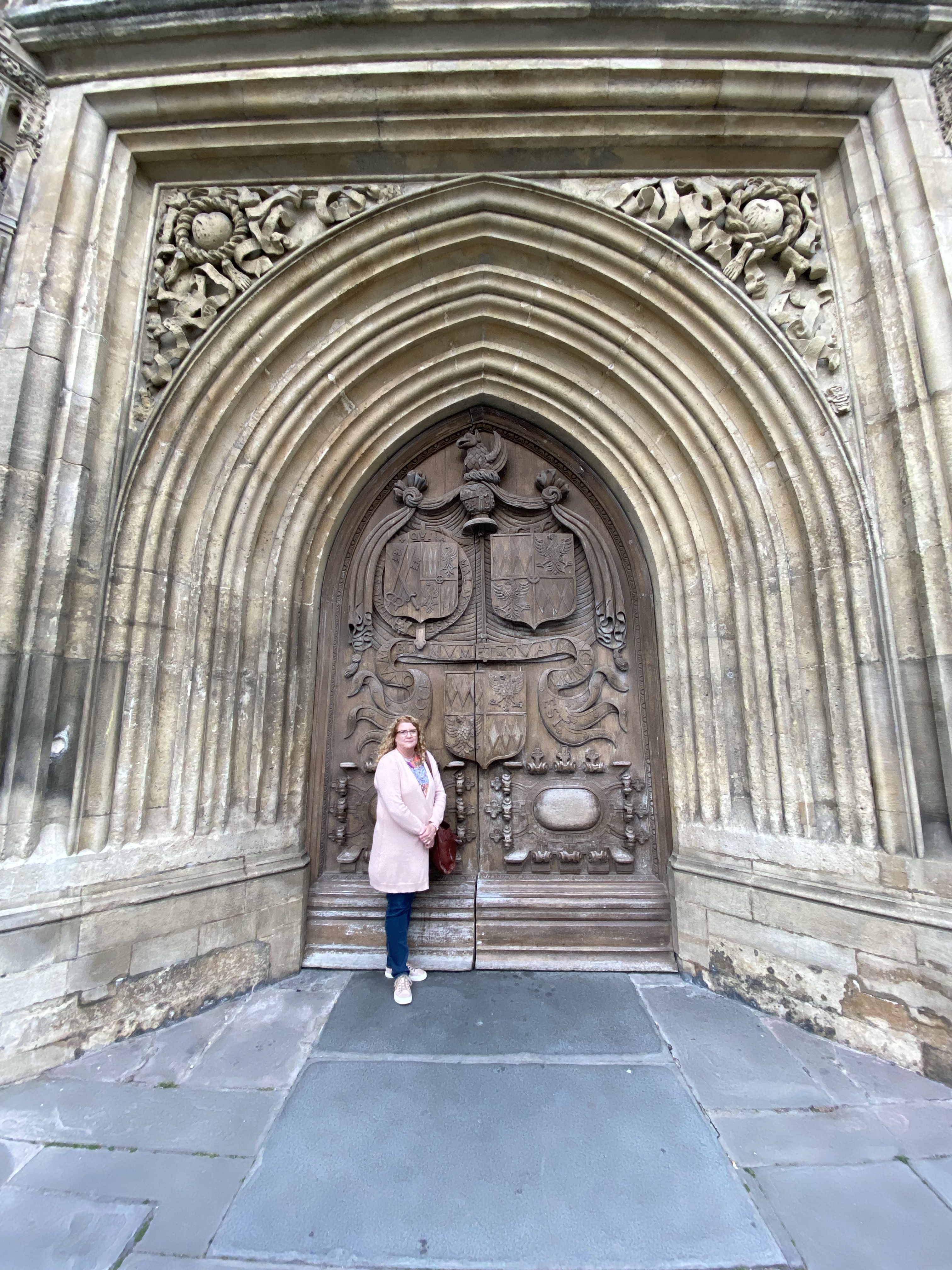
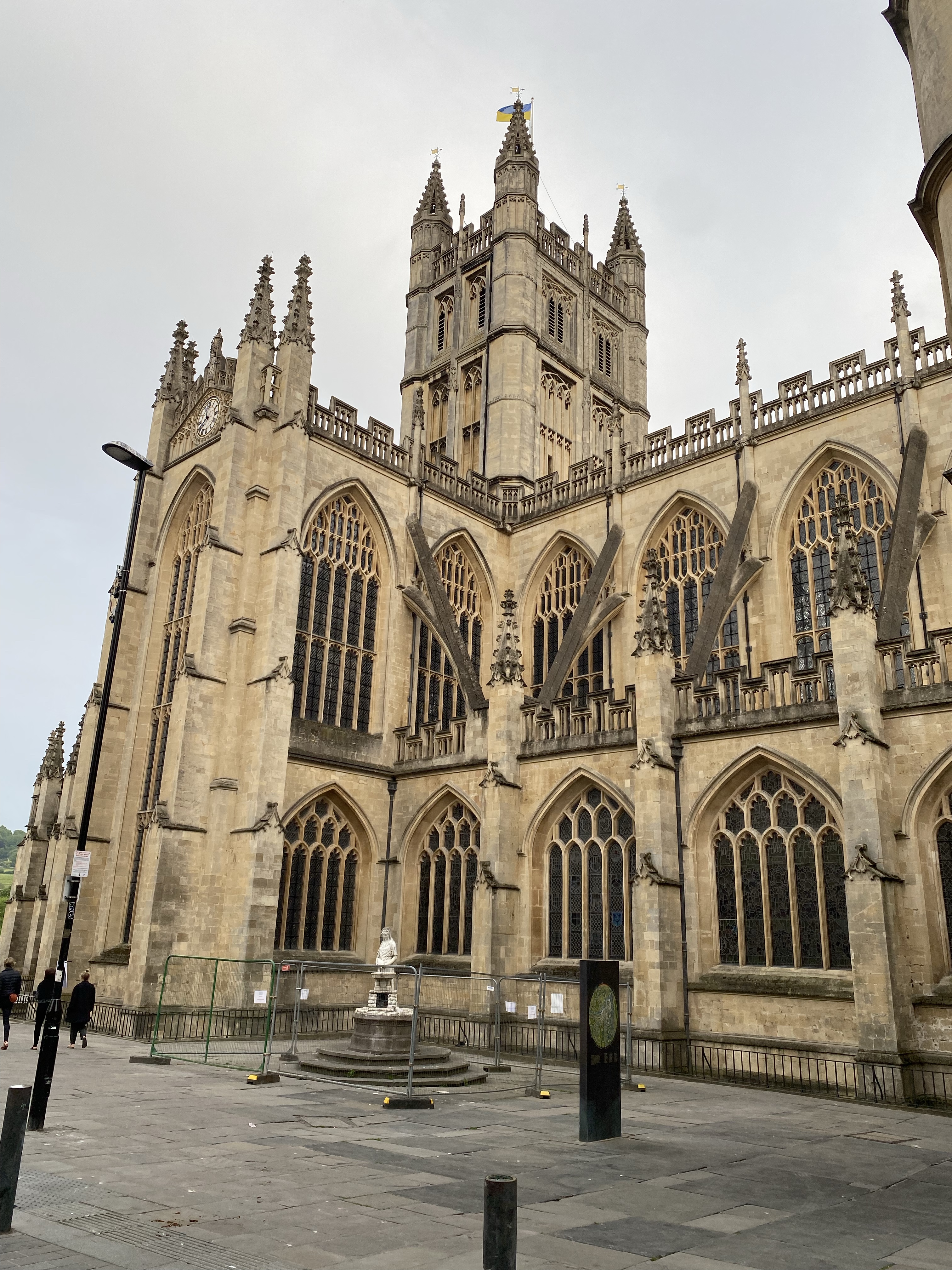
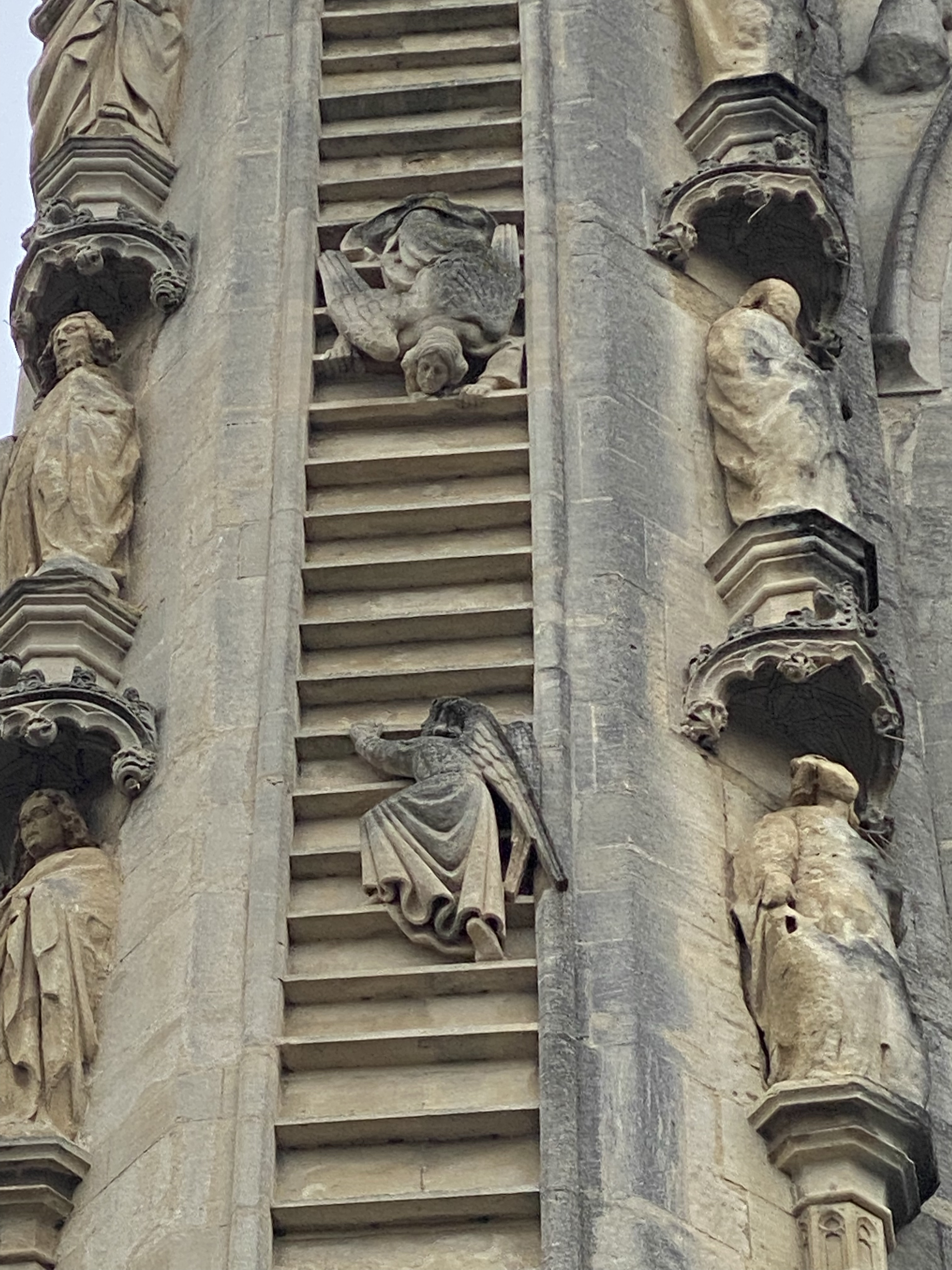
Bath Cathedral
Well’s Cathedral from Vicar’s Close
Swans asking for dinner
Ringing of Bath Cathedral Bells

Sunday in and around Bath

After a wonderful night in our Royal Crescent suite (living the high life now) we planned to head off to Chavenage House. Instead we had a Covid fire drill. One of the women had tested positive for Covid which required us all to take the rapid tests where two more people had positive results. Those of us Covid free continued on with the day a little behind schedule and a little out of sorts but still dedicated to continuing on.

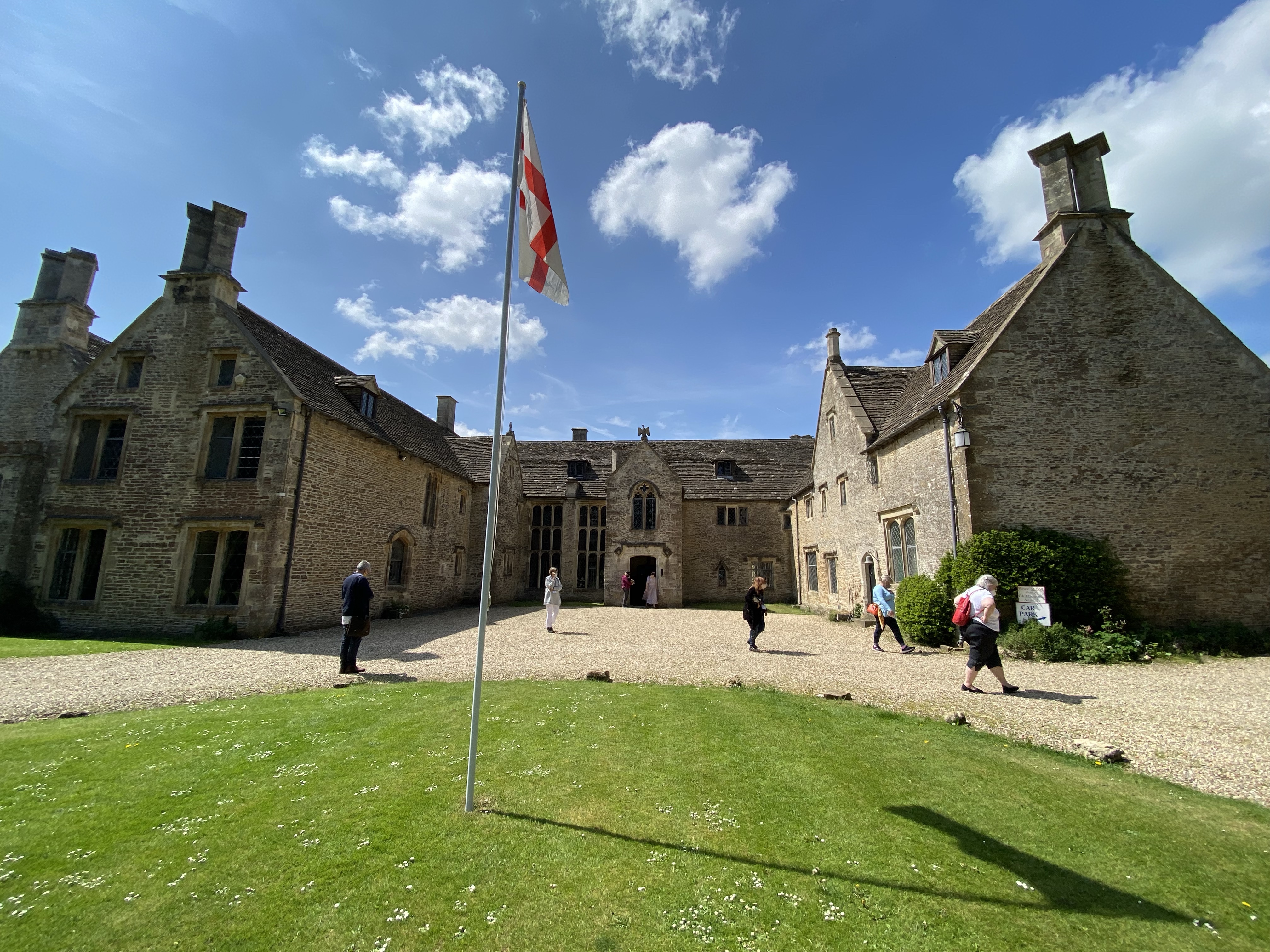
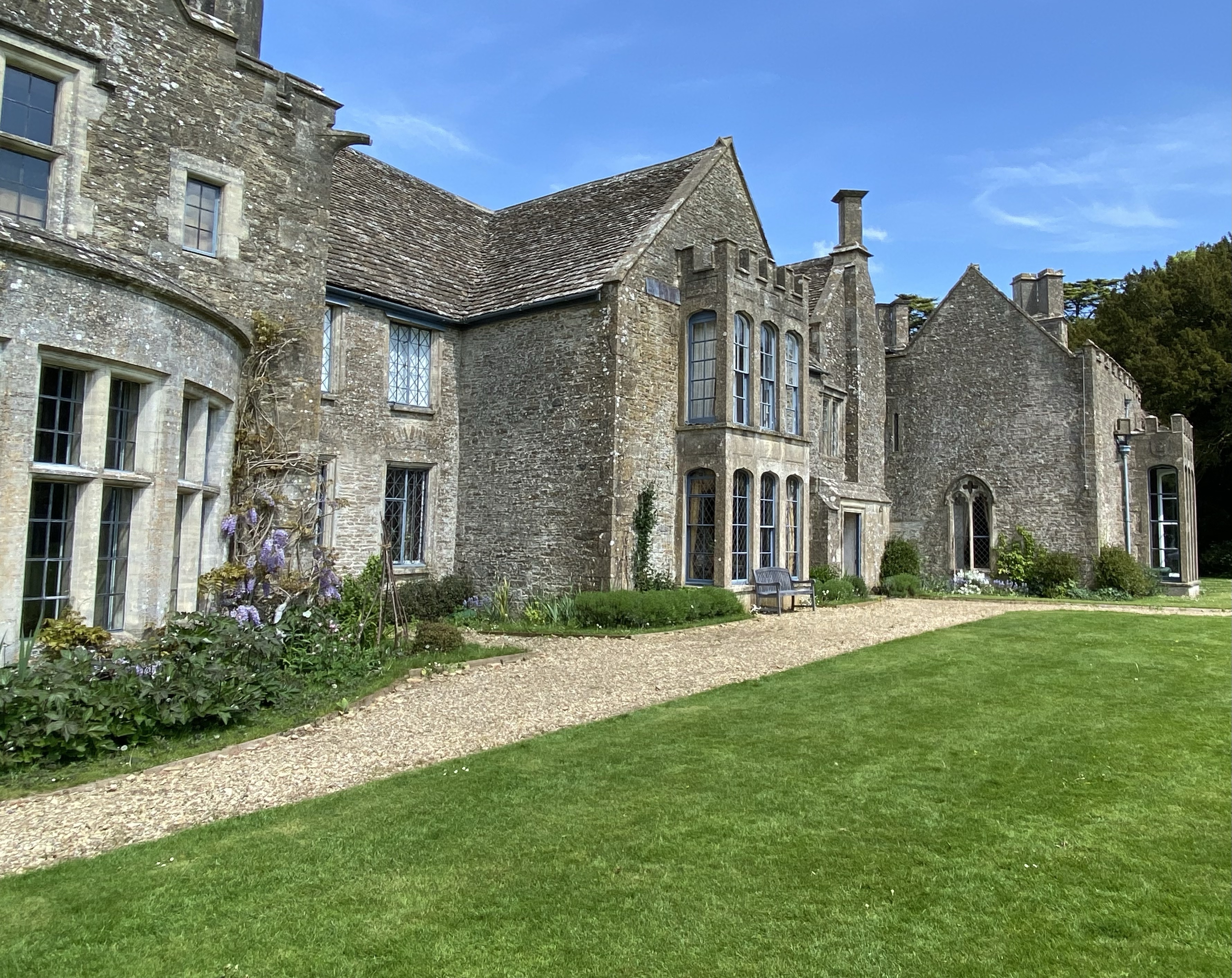
Chavenage House was the first stop of the day and has been one of my favorite stops on the tour. We started with tea and cookies in the great room with an introduction of the house. The current home owner and his uncle were our tour guides. The house was built in 1576 and was used for the family home in Poldark (for those that watch that PBS series.)

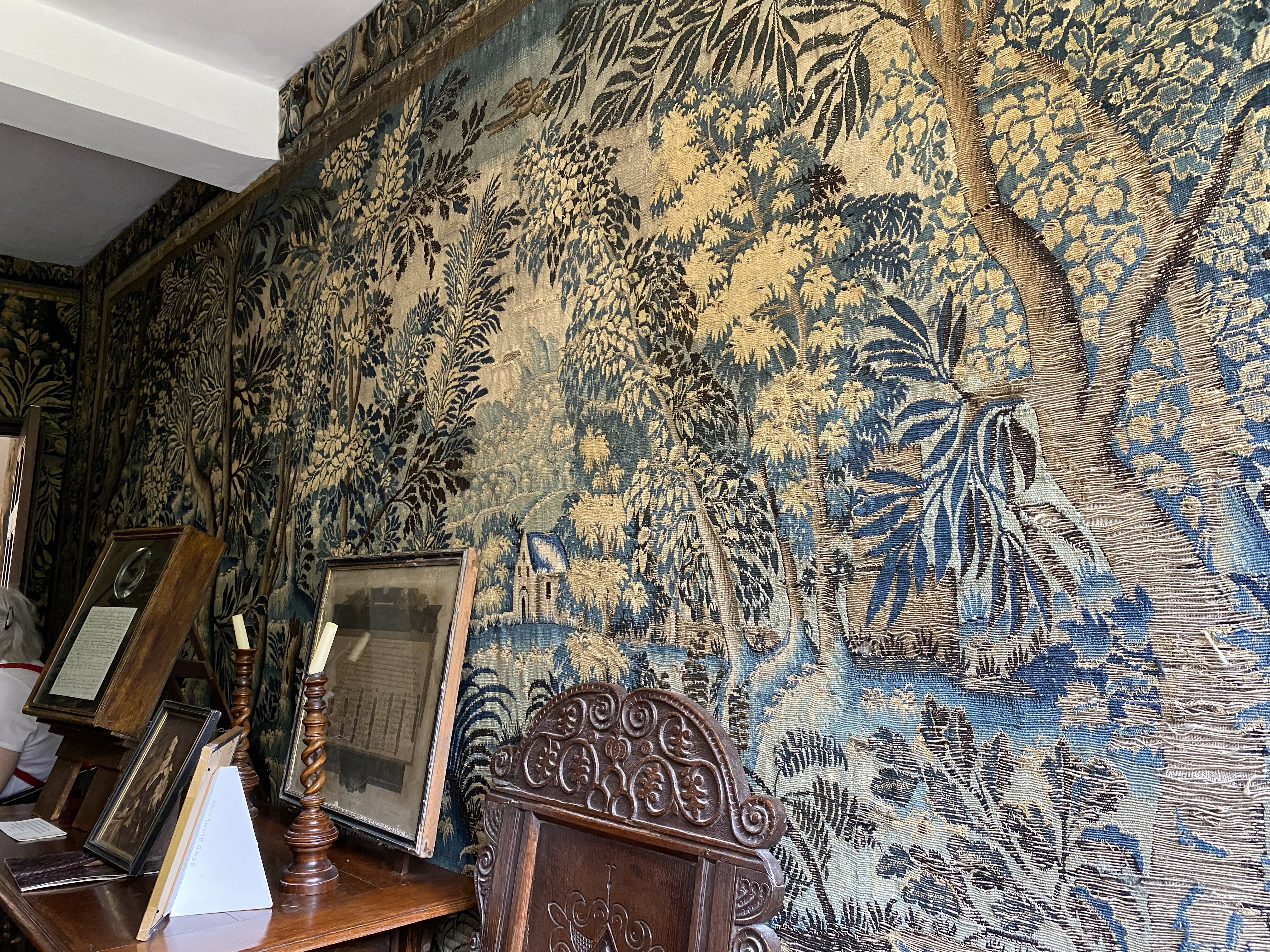
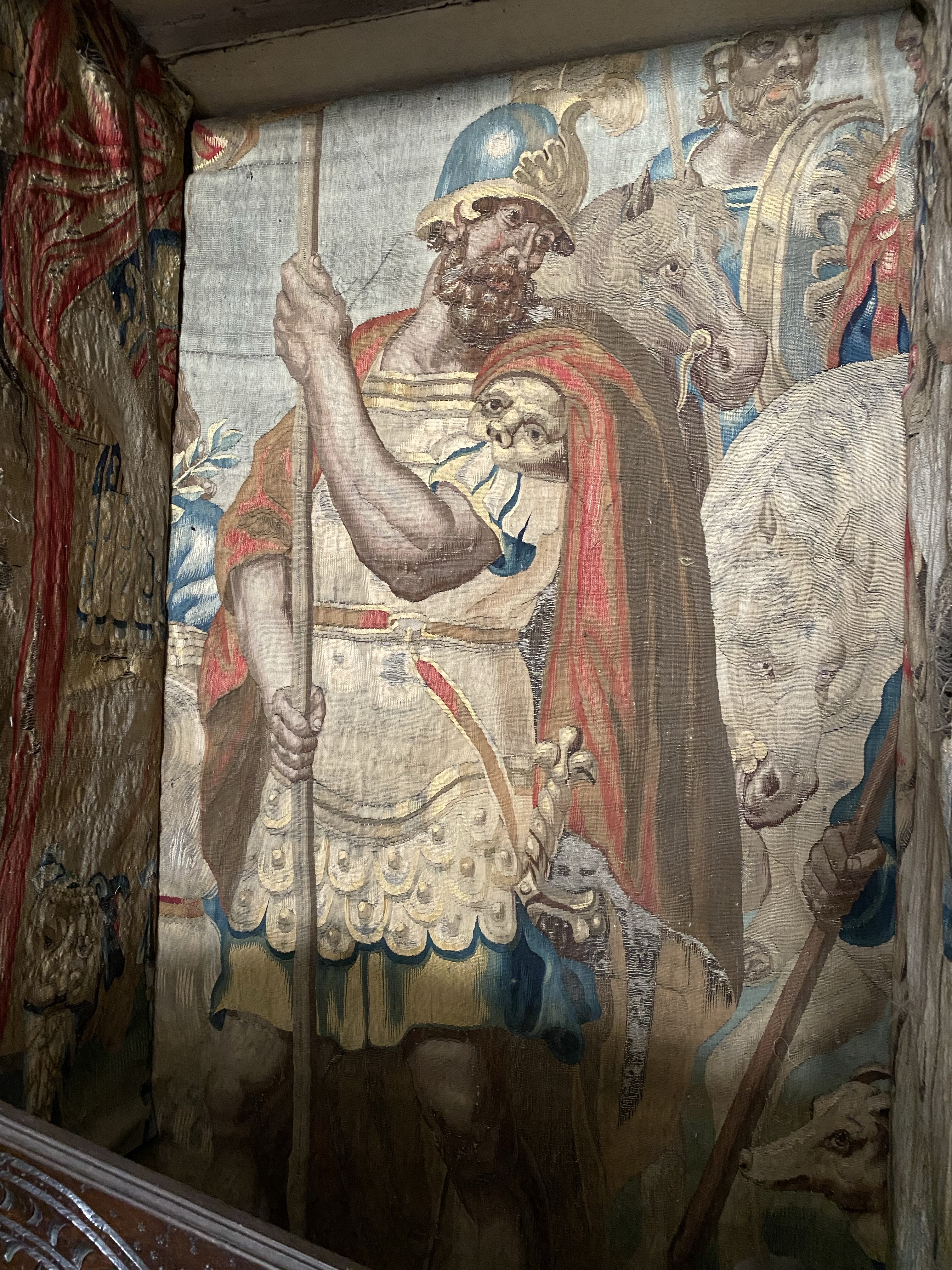
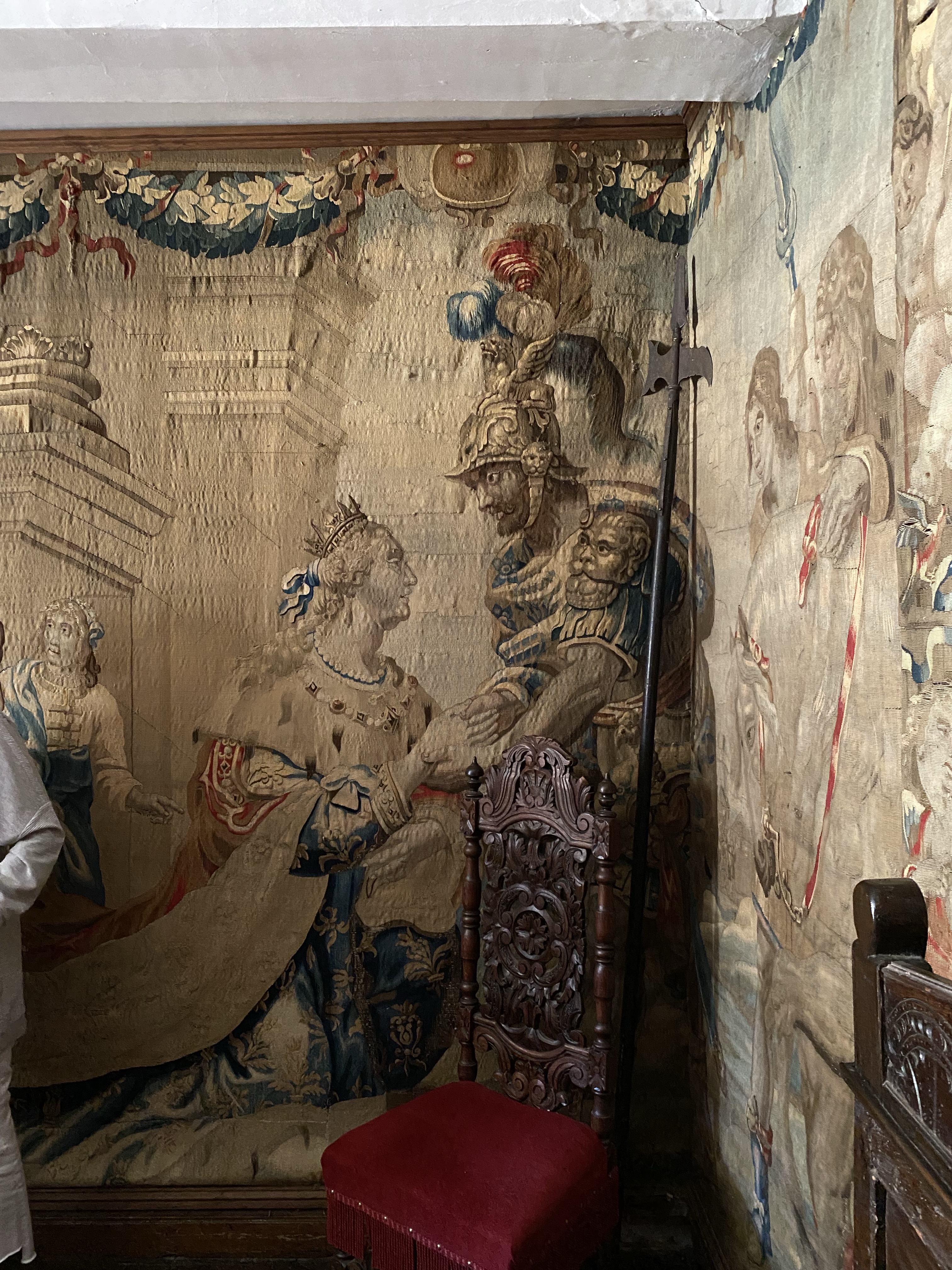
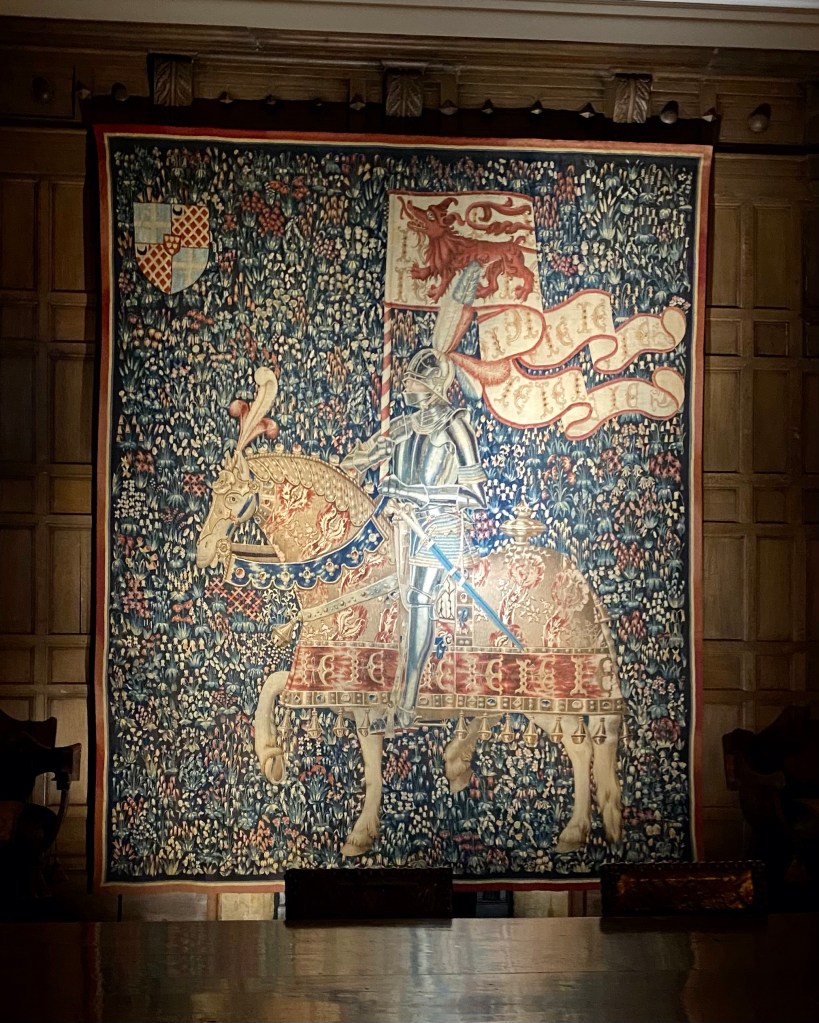
The highlight were the bedrooms with full tapestry wall coverings. The tapestries had been in the room since the 16th century and were made for the room. The owner said they were removed to be cleaned by the V&A Museum and he said they had to come out to visit the house before they would let them be rehung. They had to make sure the house was suitable place for them. (He said having hung there for 400 years should have been good enough evidence that the room had suitable conditions.) The tapestries in one room were said to be the style of the Americas which made them more valuable to the V&A. Basically they were various woods or tropical plant scenes. It was an interpretation of what they thought America would look like. The other room had different scenes one of a knight and one Roman scene. There was also a spot behind the bed that was missing the tapestry for centuries but was recently found wrapped around a pipe in the basement. It has been returned to its spot you can see that it is brighter.

The American tapestry room was once used by Oliver Cromwell during the English civil war. At that time the owner of the house was a member of Parliament and Cromwell was seeking his support in removing Charles I from the throne. After multiple visits he agreed to sign the death warrant for the king but luckily for the family he died within days of agreeing and did not sign the document. So the family held the estate through the Restoration of Charles II. However the families luck eventually failed when they Chavenage as collateral for the restoration of their family seat in Ireland. Unable to pay back the loan the neighboring landowner took over the house and sold it to one of his friends, the current owners great grandfather several times removed.

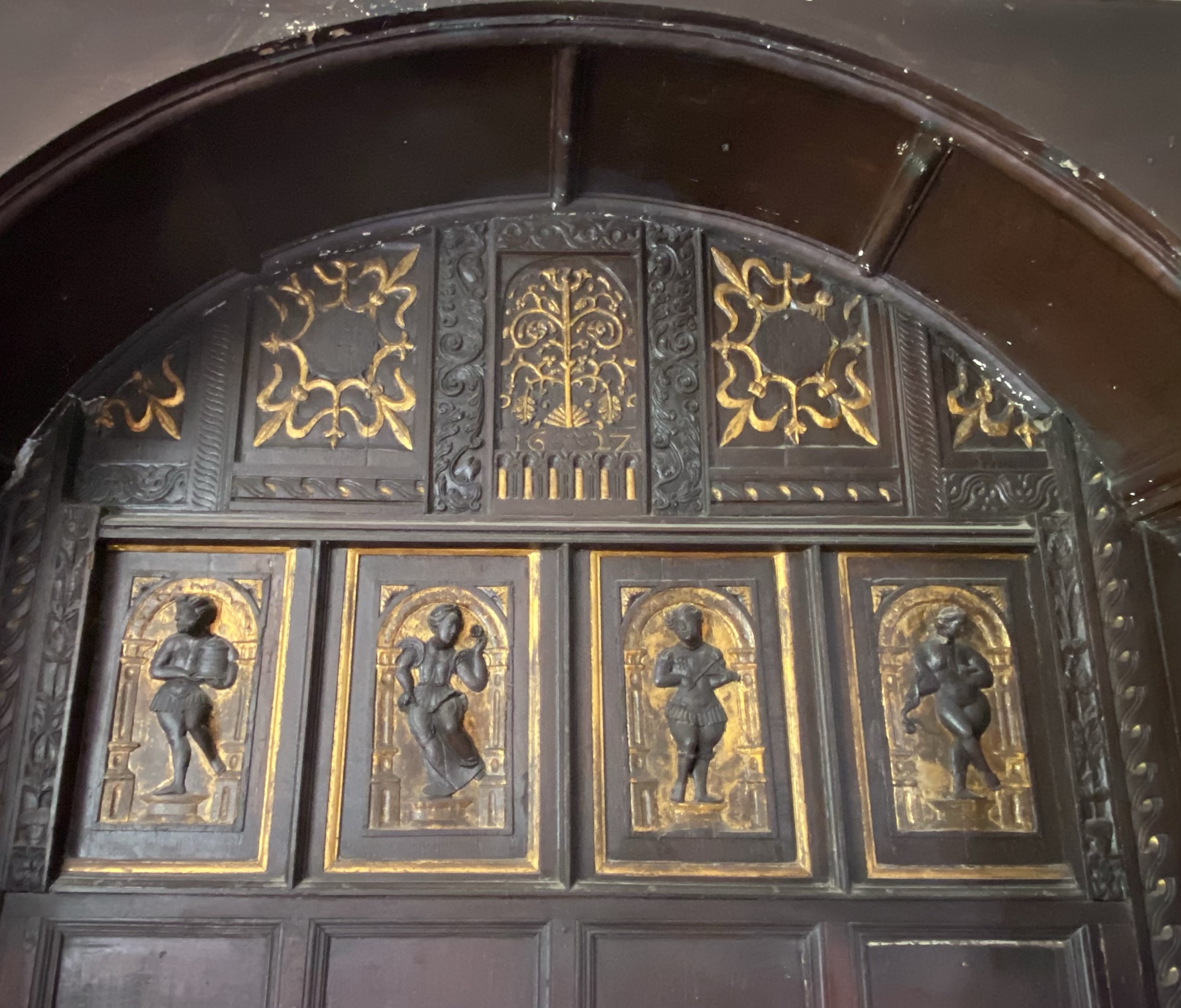
The house also had a chapel and some other art that was was defaced during Edward VI reign. There were carved muses in the music room whose heads were removed only to be reattached or new ones added at a later date after all that craziness was over. The faces now Pete out at odd angles.

More recently they found a carrying case full of all the original designs for Windsor Palace in their attic. They couldn’t come up with a connection of how they got in their attic but he said they made a lot of money off them. They were auctioned at Sotheby’s and without saying who bought them it was definitely the queen. He said they also loaned the ones they had kept to help with restoration after the fire in the 90s.

He also told personal stories about growing up in the house and how they used it today. He was by far the best tour guide we have had. I think it has something to do with the personal connection and the passion you have for your home.

After Chavenage we stopped in Tetbury for lunch. It was a cute little town and after a quick lunch Val and I walked around and shopped.

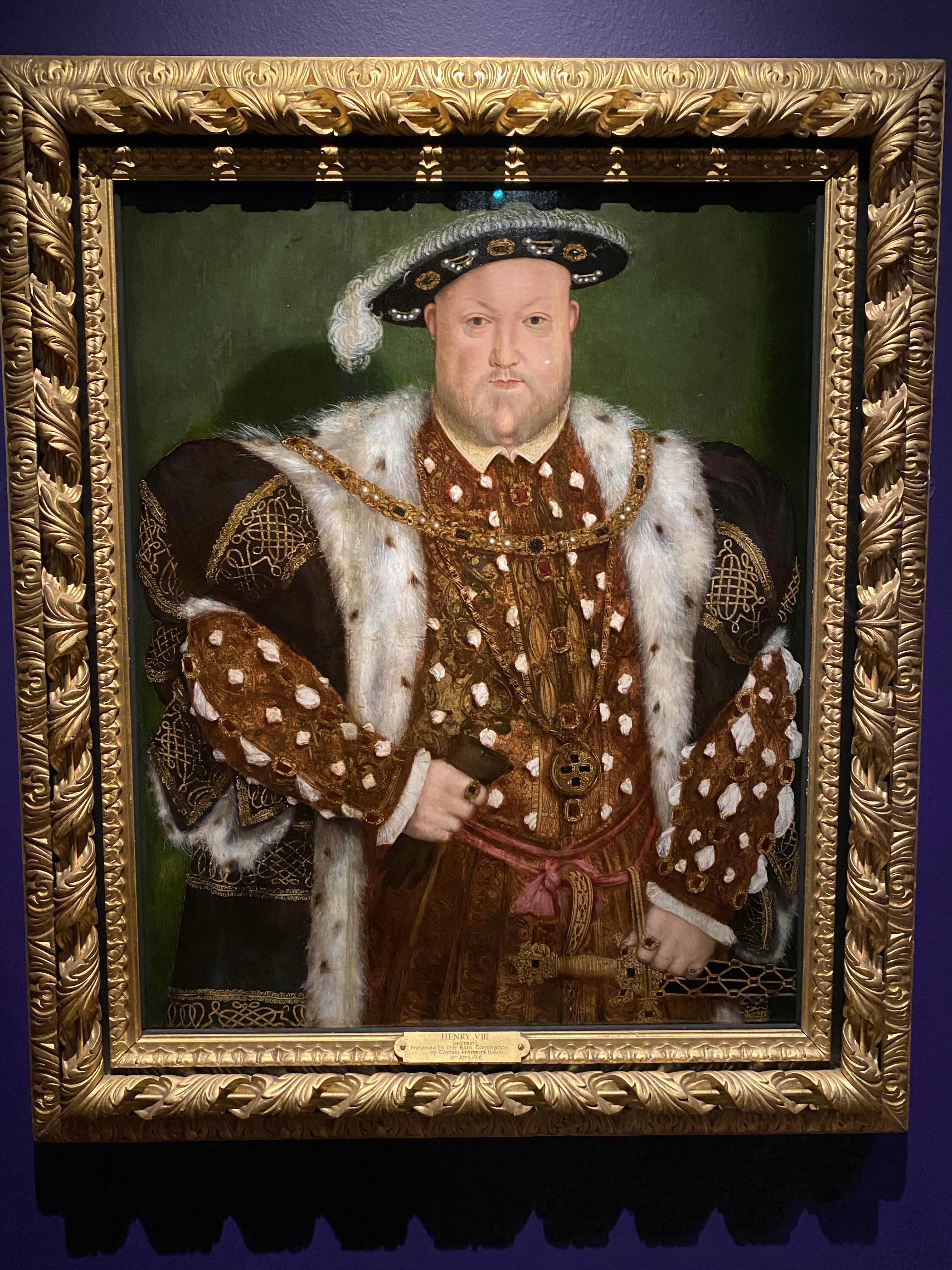
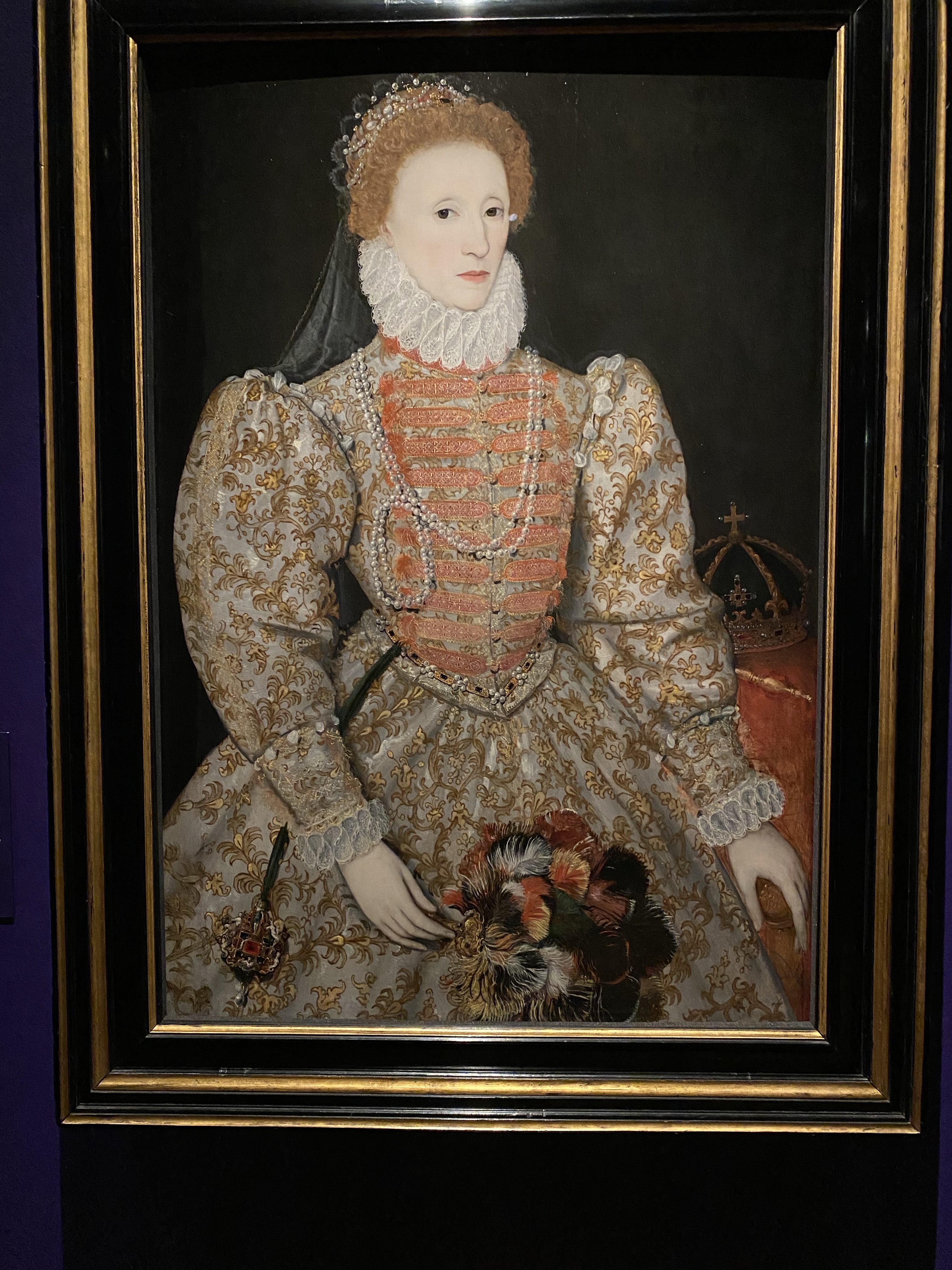
From lunch we headed back to Bath to tour the Royal portrait exhibition at the Holburne Museum. We had seen some of these paintings in the Royal Portrait Gallery in London on our last trip but it was nice to see them again in an exhibit that was set up in a timeline.

Dinner tonight was at an Italian restaurant Ravello in Nicola’s hometown. It was a lovely night for drinks on the rooftop over looking the city. Dinner was delicious and Tracy Bornean joined the tour and gave a great talk on Thomas Cromwell to finish out our evening. What started out as a frantic day finished quite well.
Beautiful Day in Somerset

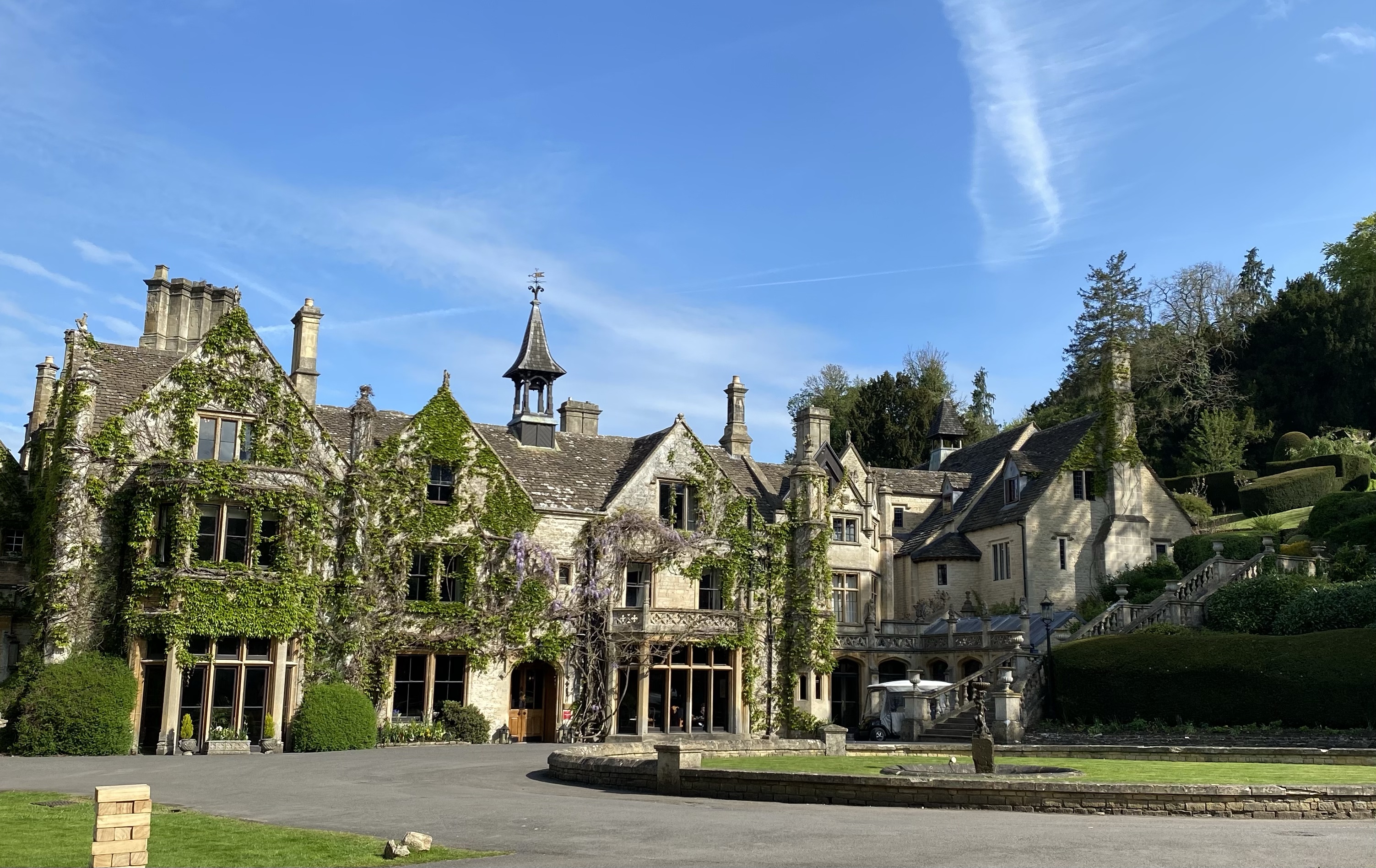
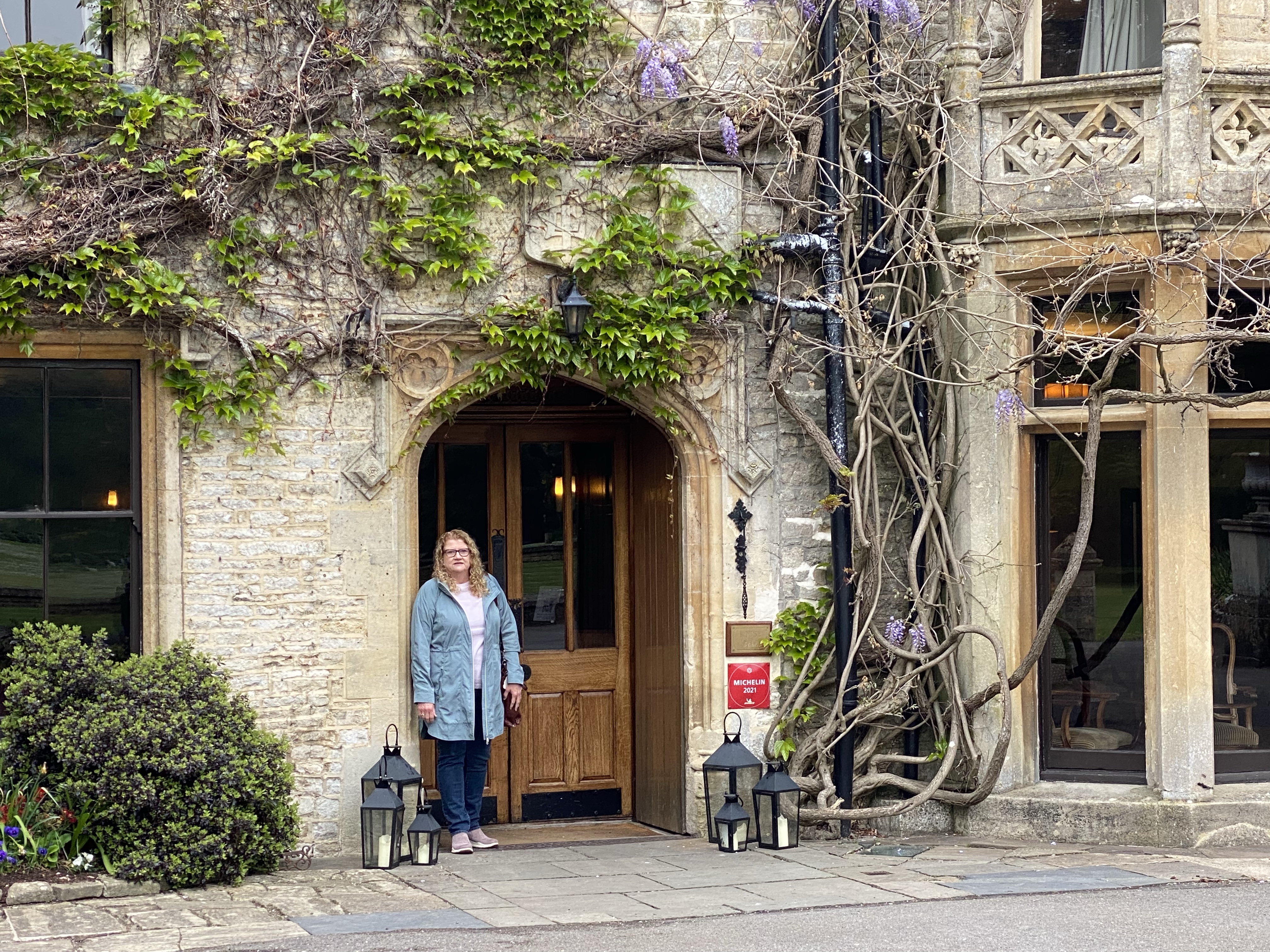
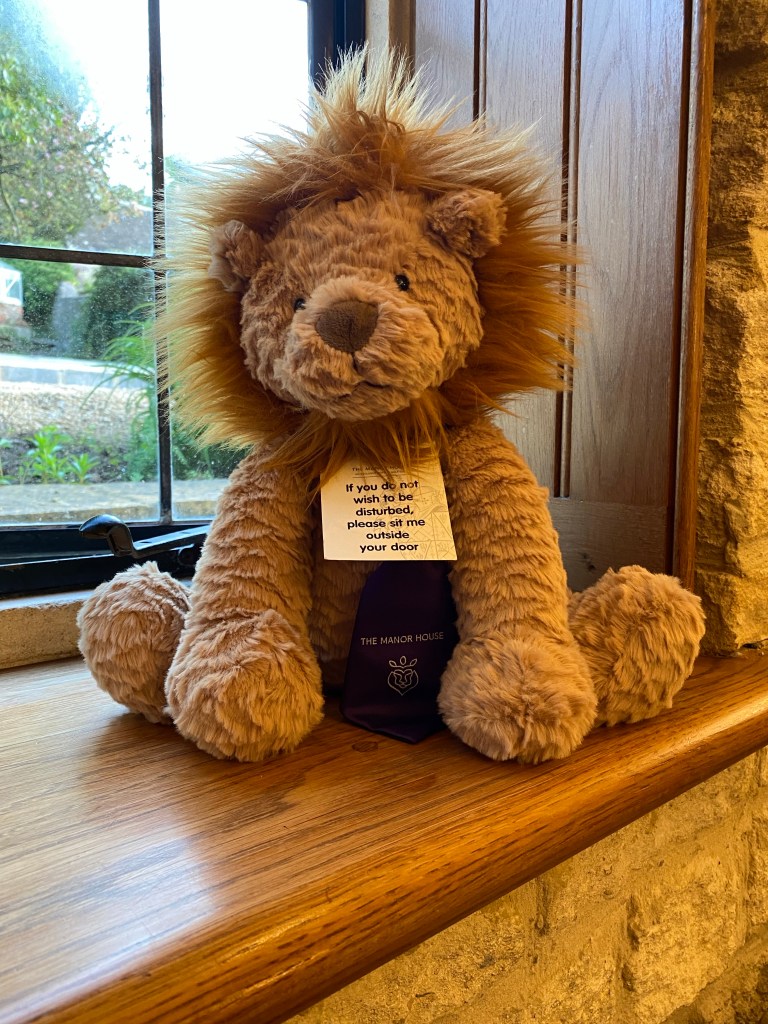
Early start to the day and a sad exit to beautiful Castle Combe and the Manor House Hotel. It has been a great stay. The grounds and gardens were lovely and I look forward to returning some day.

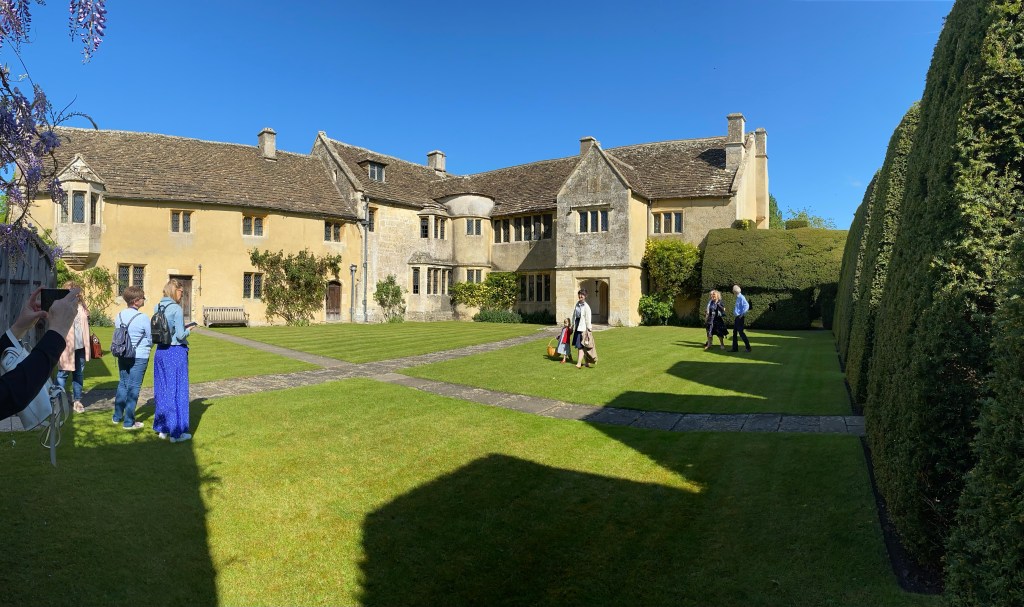
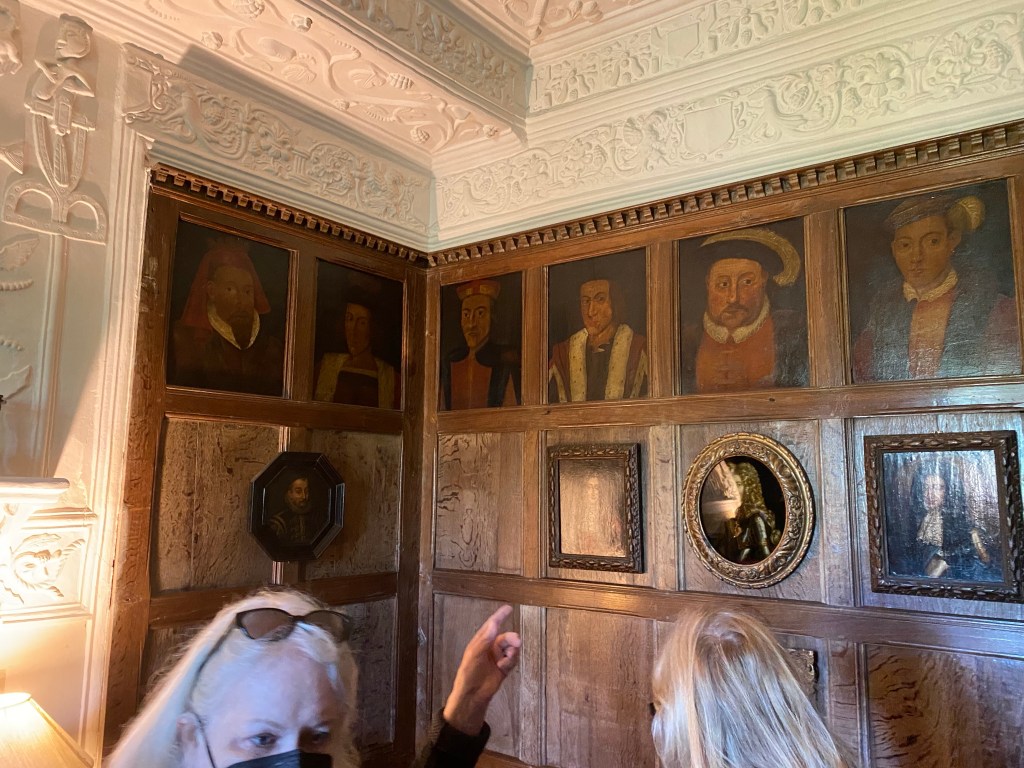
Our first stop of the day was Westwood Manor. Another beautiful medieval home. It was started in the 15th century and had a few additions over the next few centuries. The house was purchased in the early 19 hundreds by a single gentleman, Ted Lister who loved to needlepoint. He restored the house to its 17th century style which was basically taking back all the Georgian and Victorian extravagant additions. One of the best stories was that one of his guests, a well known author of the time, wrote in his diary that he was going to dinner at Westwood which meant he was “going to have to work on Lister’s latest stitching project.”

The house is now owned by the National Trust and a family has been living on it for 30 years. The couple had their young grandchildren with them and they helped on the tour. It was a lovely home and unlike yesterdays “lived in” house this one showed how you could make a 15th century home work for modern living. The family was very gracious and allowed our group to see all the rooms including the family’s private rooms. We really got to see the working of National Trust Project.

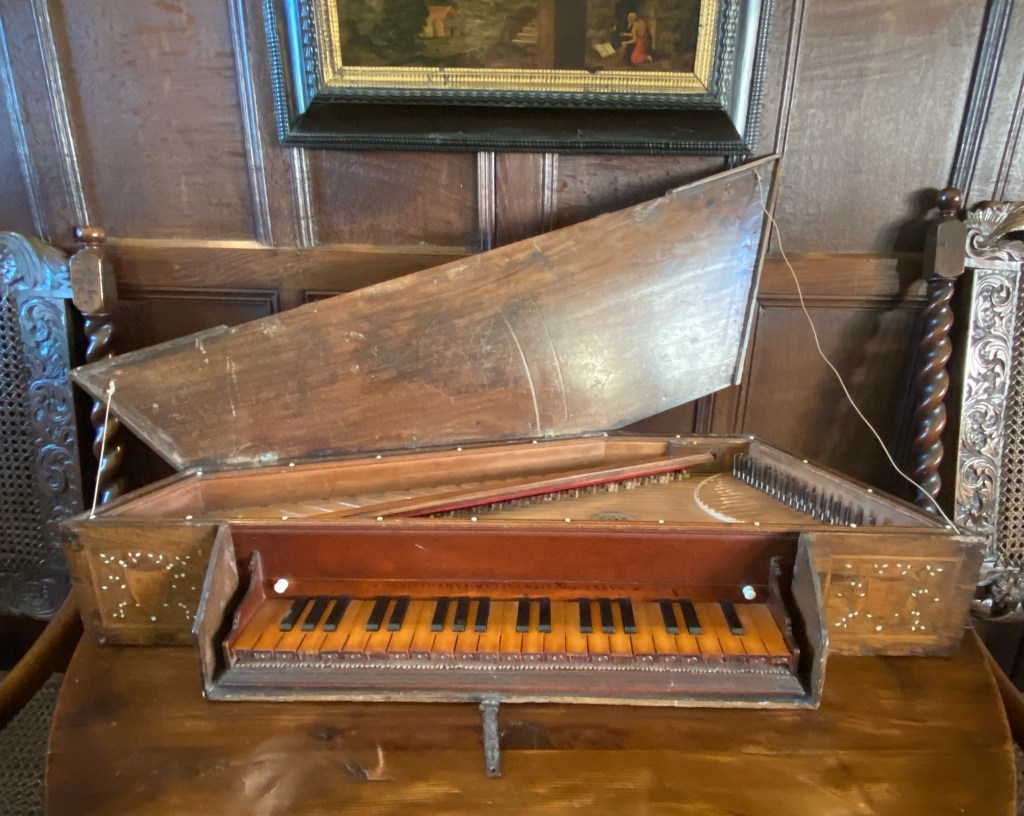
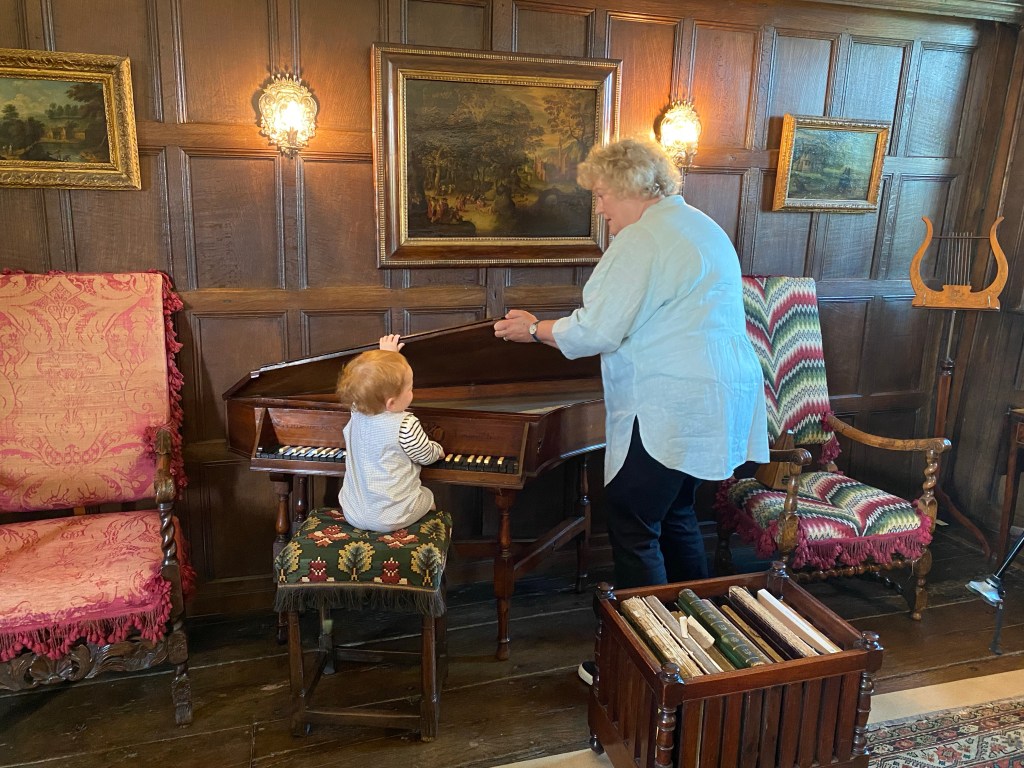
The house itself was quite grand and was furnished with some lovely pieces. The music room had a lovely spinet and a 1537 virginal the only one that is still in working order in England. Both are piano type instruments with the virginal being like a boxed keyboard. In fact they let us play both instruments and the organ player in our group gave a short demonstration. The 2 year old grandson also played us a little tune. They also had a lovely 15th century lute and a harp from the 17th century.

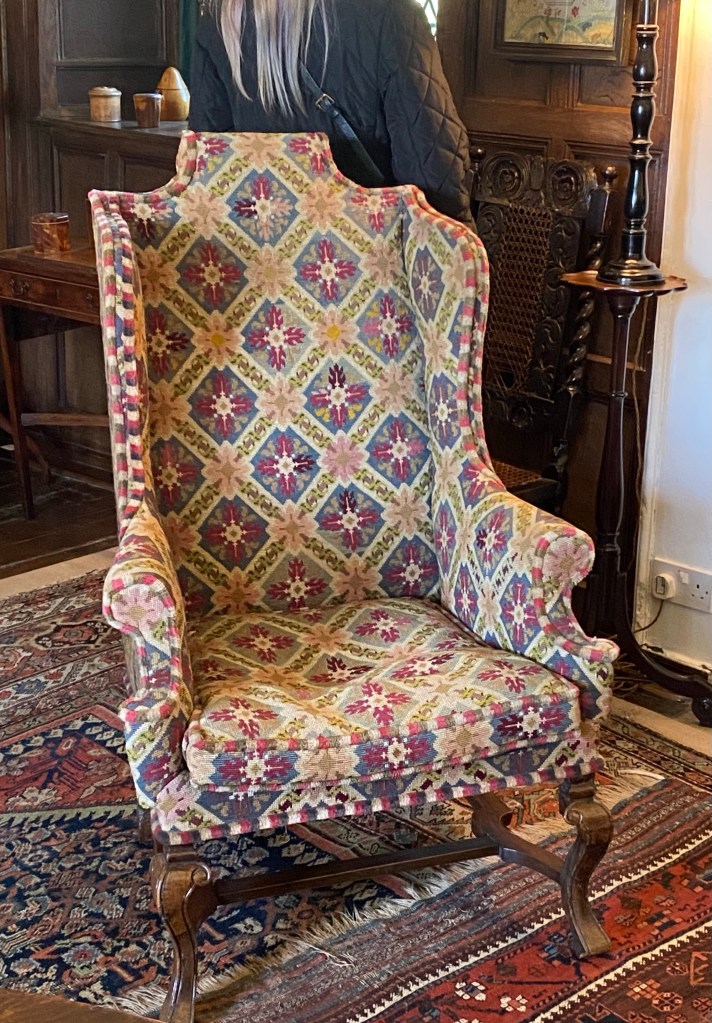
We also saw the needlework of Lister and his dinner companions in the chairs in the music room and other cushions throughout the house.

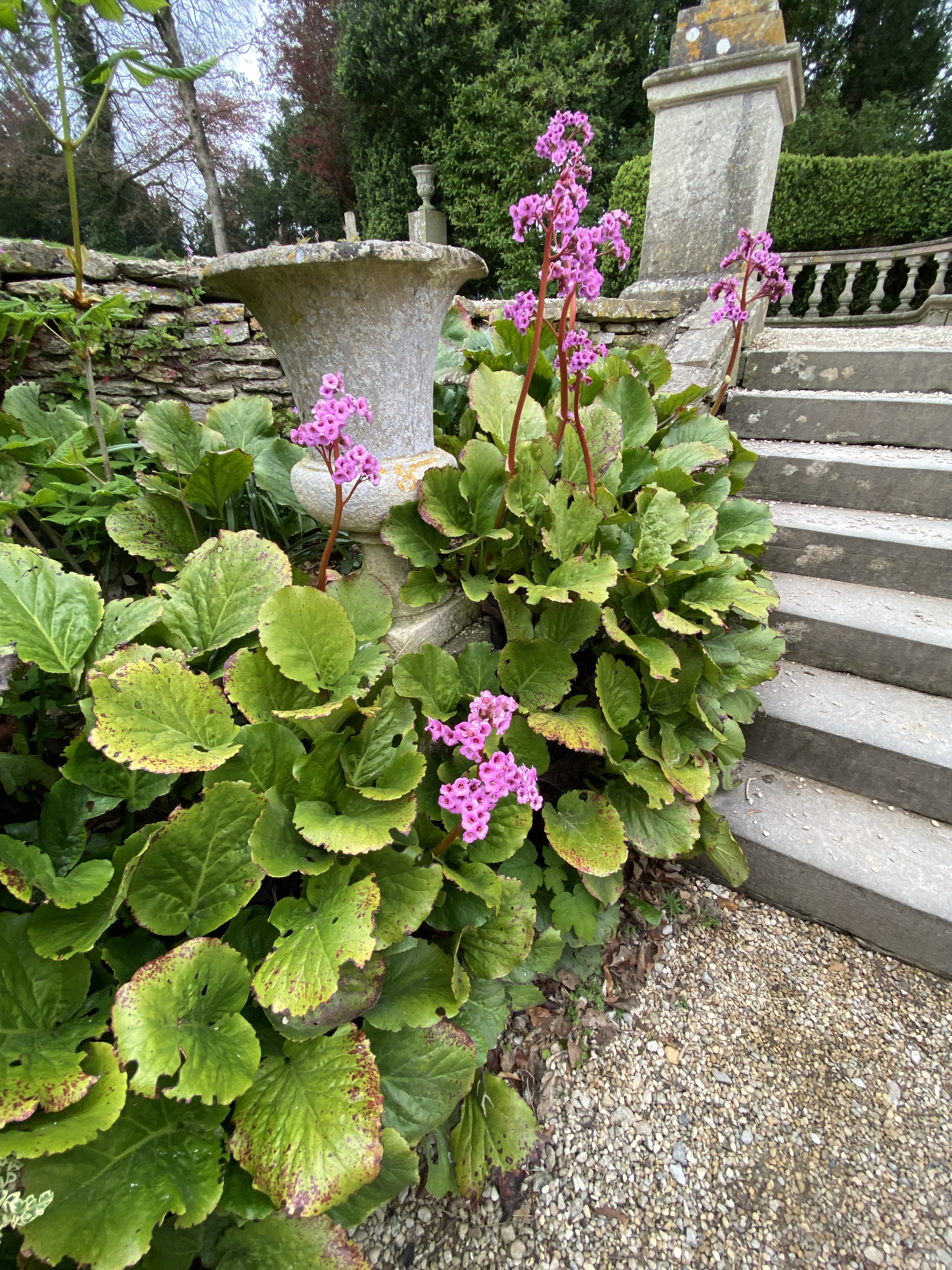
The gardens were very manicured with topiaries in the shape of a house and small fish ponds.

After the tour of the house the parish church provided us tea and cakes. I had a scone with clotted cream and jam. Not sure I needed it but greatly enjoyed it none the less.

After the church we headed into town for lunch. Since we had just had tea and cakes Val and I opted for the vintage market and shopping. Sadly and this time I do mean sadly the market had nothing I needed (wanted). After such good luck at the last place I was expecting to find treasures here as well but I left empty handed.

We did end up grabbing a sandwich at the wine shop and heading up to the church for a little picnic.

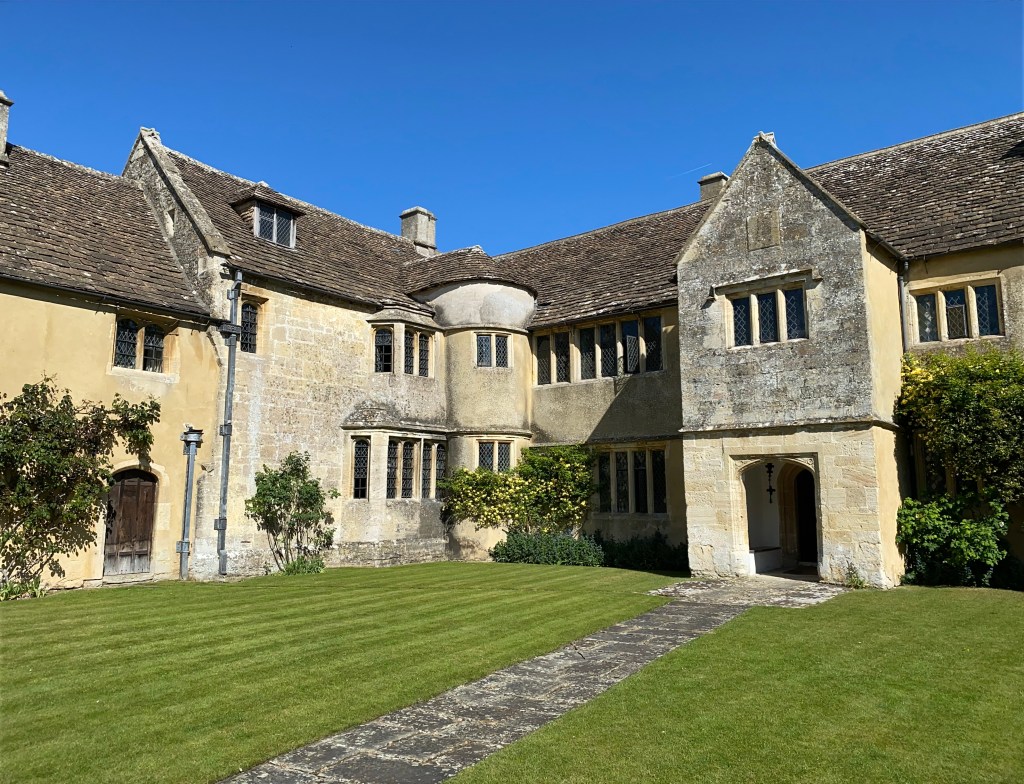
After lunch we went out to Lytes Cary Manor. Another medieval family home. It was added onto and modified through the years but still mostly 15th century design. The house set vacant for 150 years until purchased by the Jenner family who restored it to its medieval grandeur. The great hall was small in size but elaborate with paneling on the walls and a medieval paneled screen. The other rooms had more current furnishings but you could still see the medieval bones.

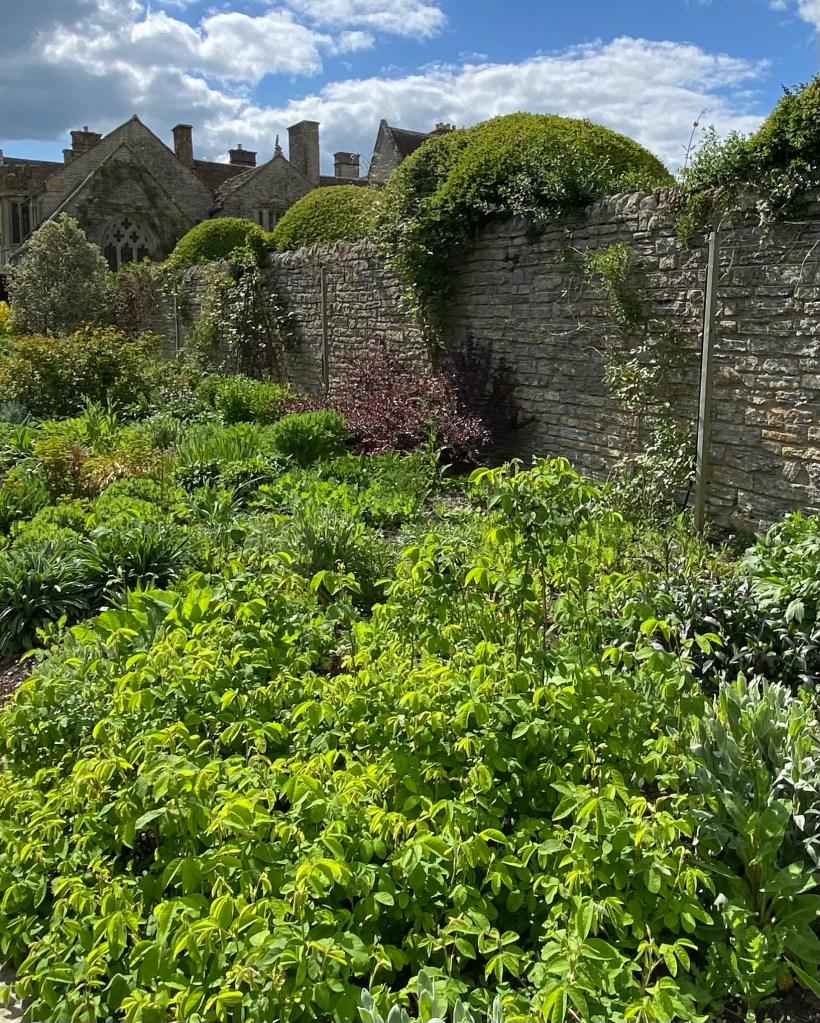
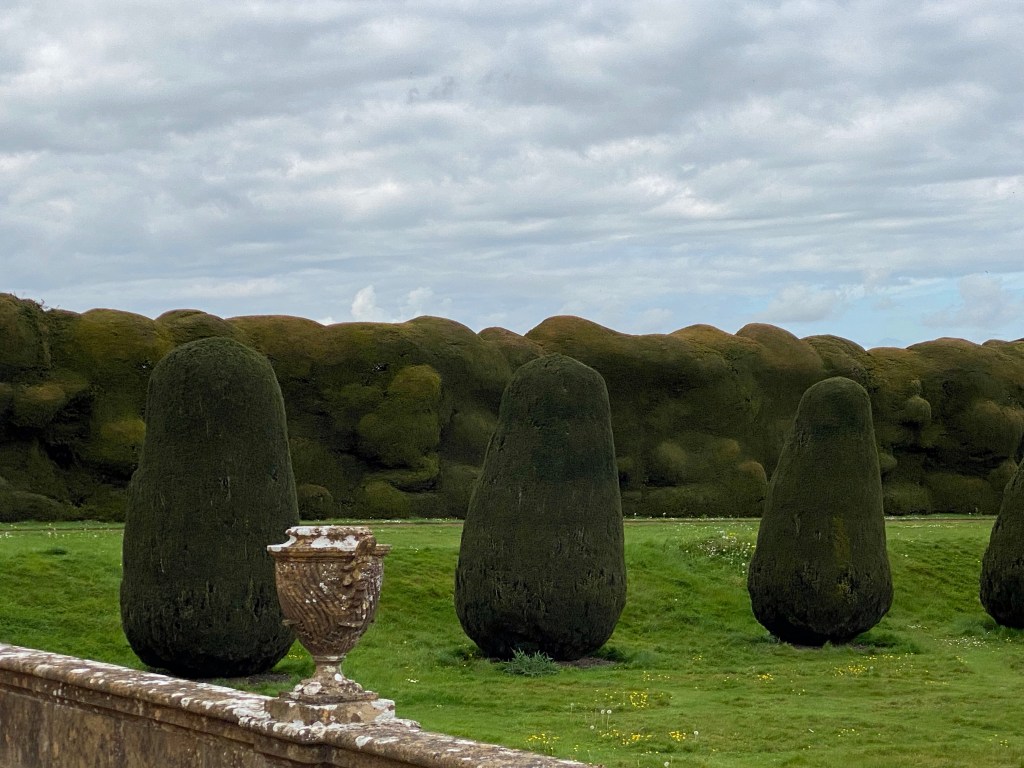
The gardens at the estate were extensive. More grass and topiaries then flowers. There were flower areas but they were contained in specific areas. There were 12 large Topiaries that graced the walk up to the home that were said to be the 12 apostles. I guess it was more symbolism than representation. Regardless it was a lovely afternoon drilling through the gardens.

Our dinner last night was at the hotel which is lovely. We had champagne in the garden before. Serenaded by one of the historians son and girlfriend who are local musicians. It was a beautiful night and I hated to go in doors. Dinner was wonderful so I am glad I did. We sat at Alison’s table and had a fabulous evening. She gave me several suggestions for our time in London including the dinner on the top of the tour bus which she says is fabulous and so much fun. She is planning it for her 50th wedding anniversary. The food was delicious and the wine flowed freely.
After dessert Nicola and Sarah discussed/debated whether Margaret Beaufort was a babe or a bitch. For those of you in the Bookclub who just read Nicola’s book you know she is a huge fan and argued that she is a babe. Sarah a little less enthusiastically argued that she was snobbish, overly pious and not someone you wanted to have a drink with. Due to the multiple over flow of alcohol the debate was very entertaining. if you are wondering after finishing Nicola’s book, I agree Margaret has gotten a bad wrap and totally on Nicola’s team babe.
Nicola arguing “Margaret is a Babe“
Sarah arguing against Margaret
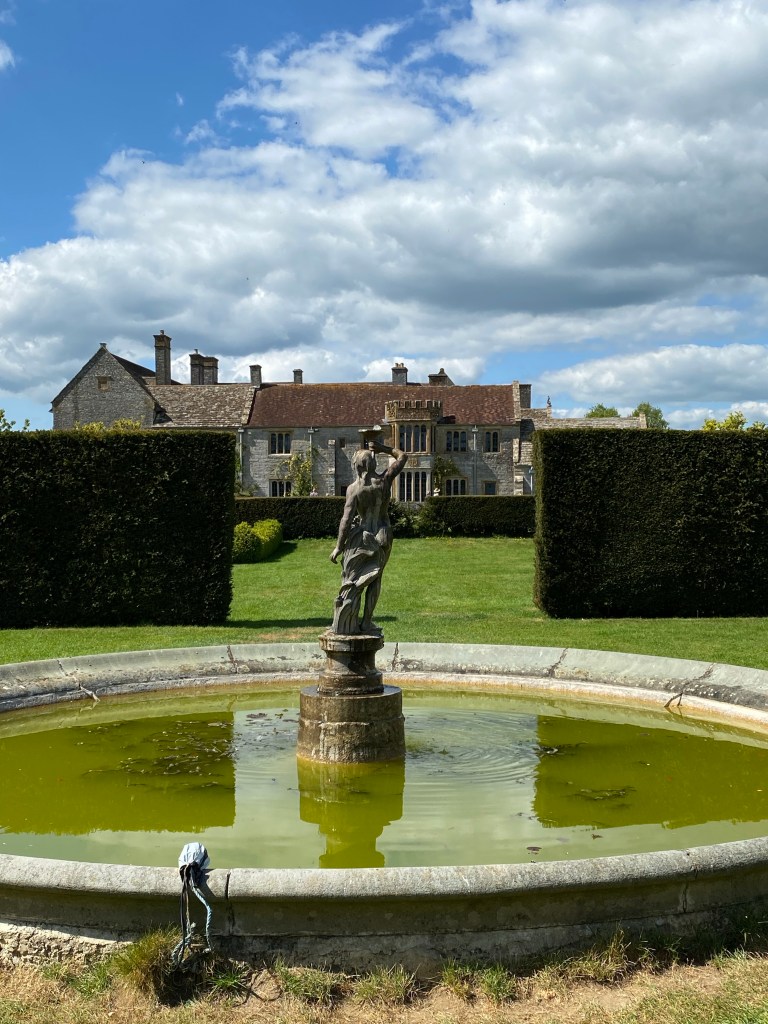
Westwood House
Virginal
Spinet
Lunch spot
Lytes Cary Manor
Great Hall Lytes Cary
Gardens at Lytes Cary Manor

What Happens at Stanway House should not be part of the tour…

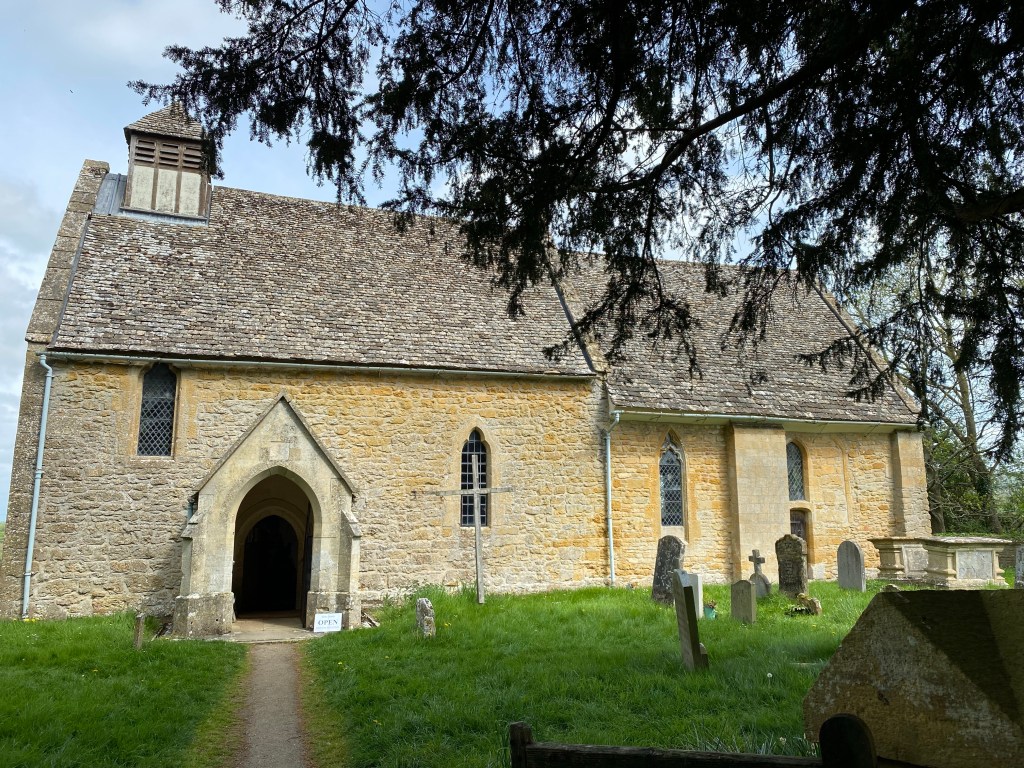
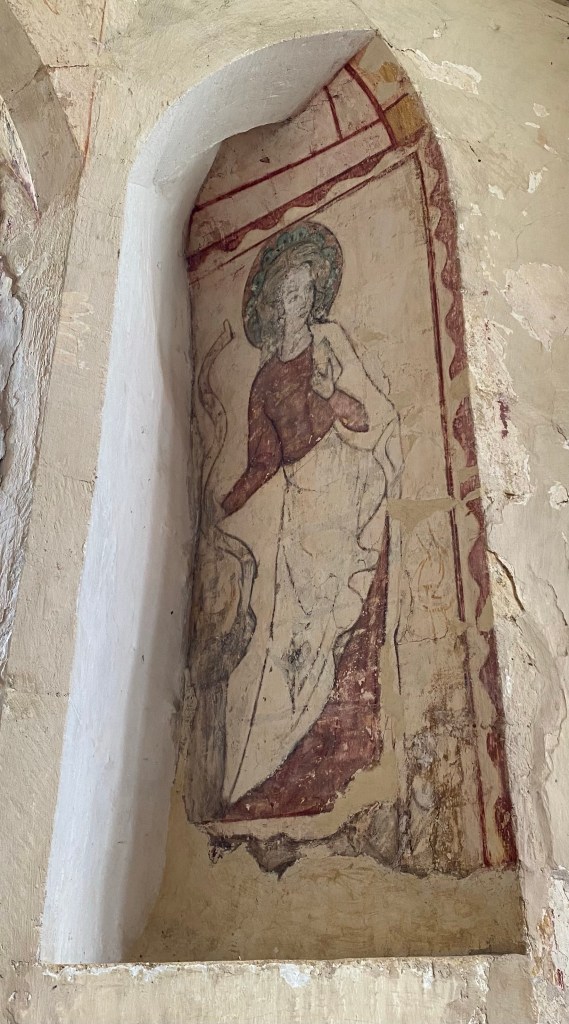
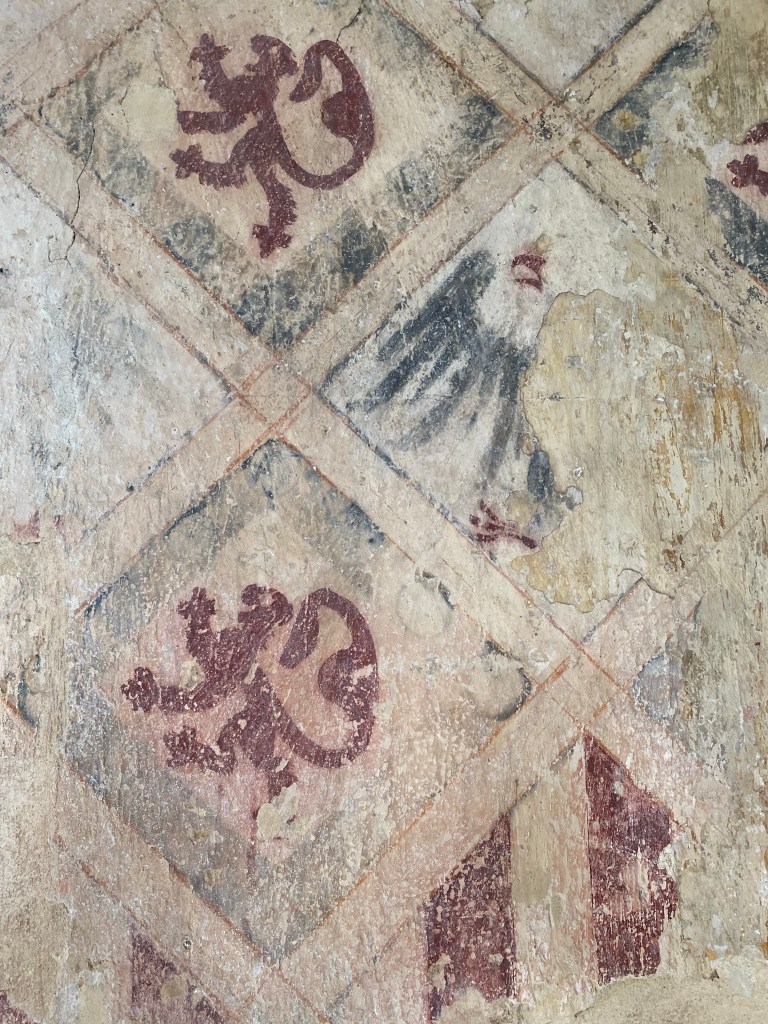
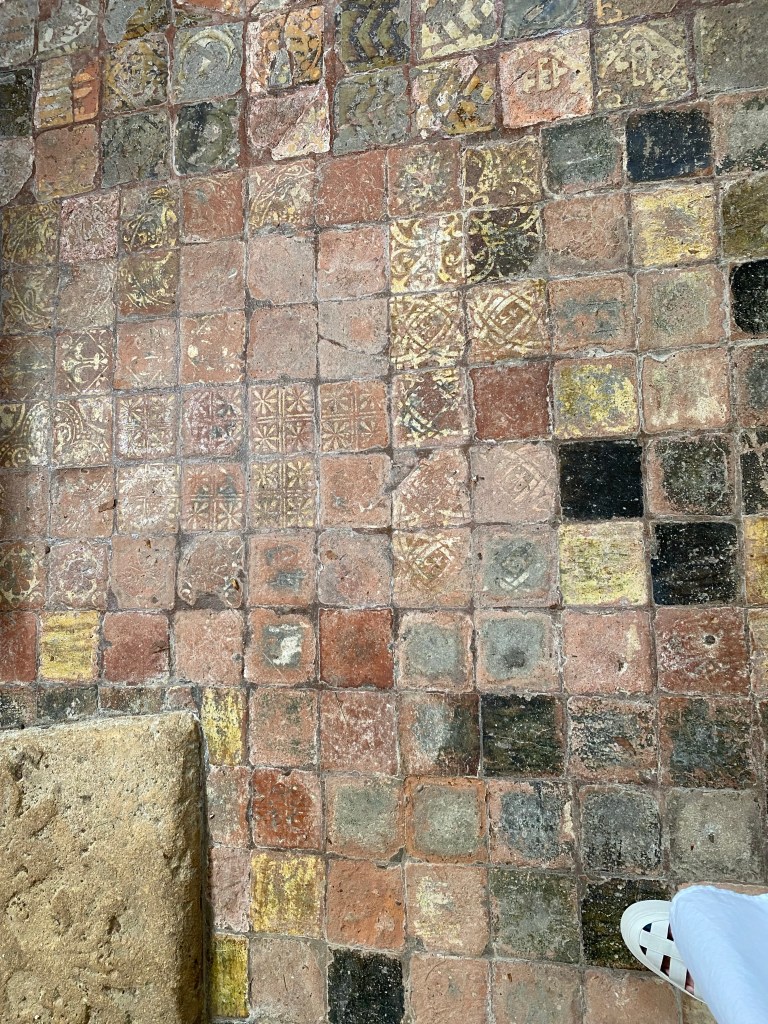
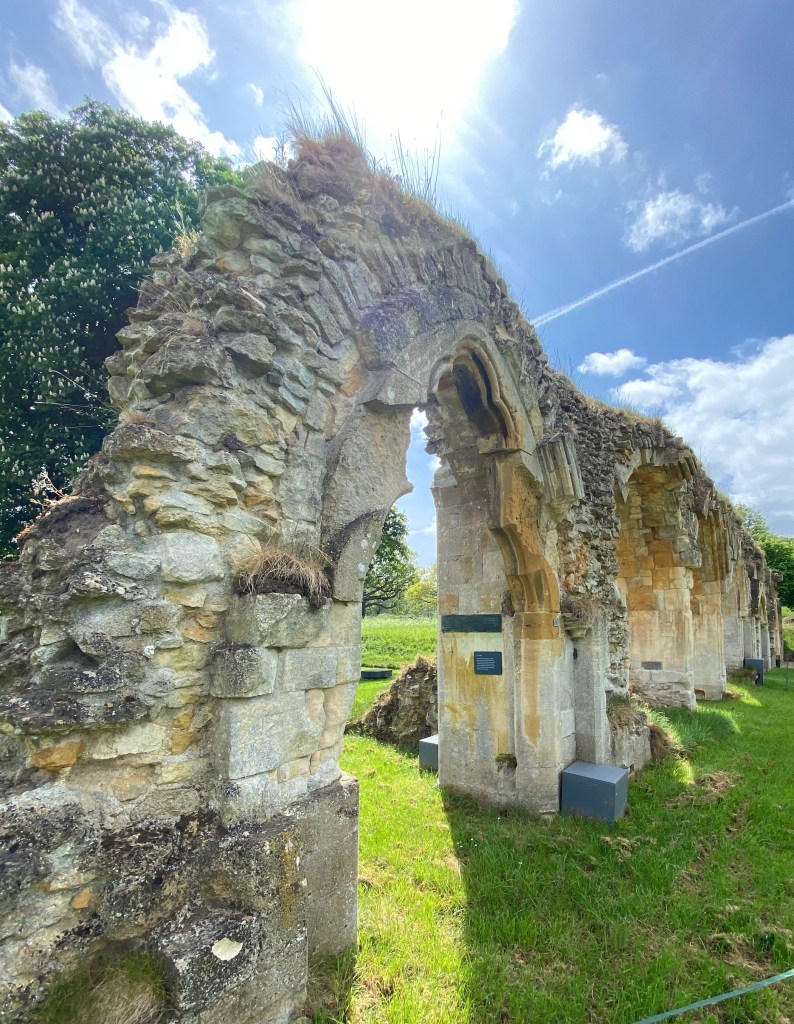
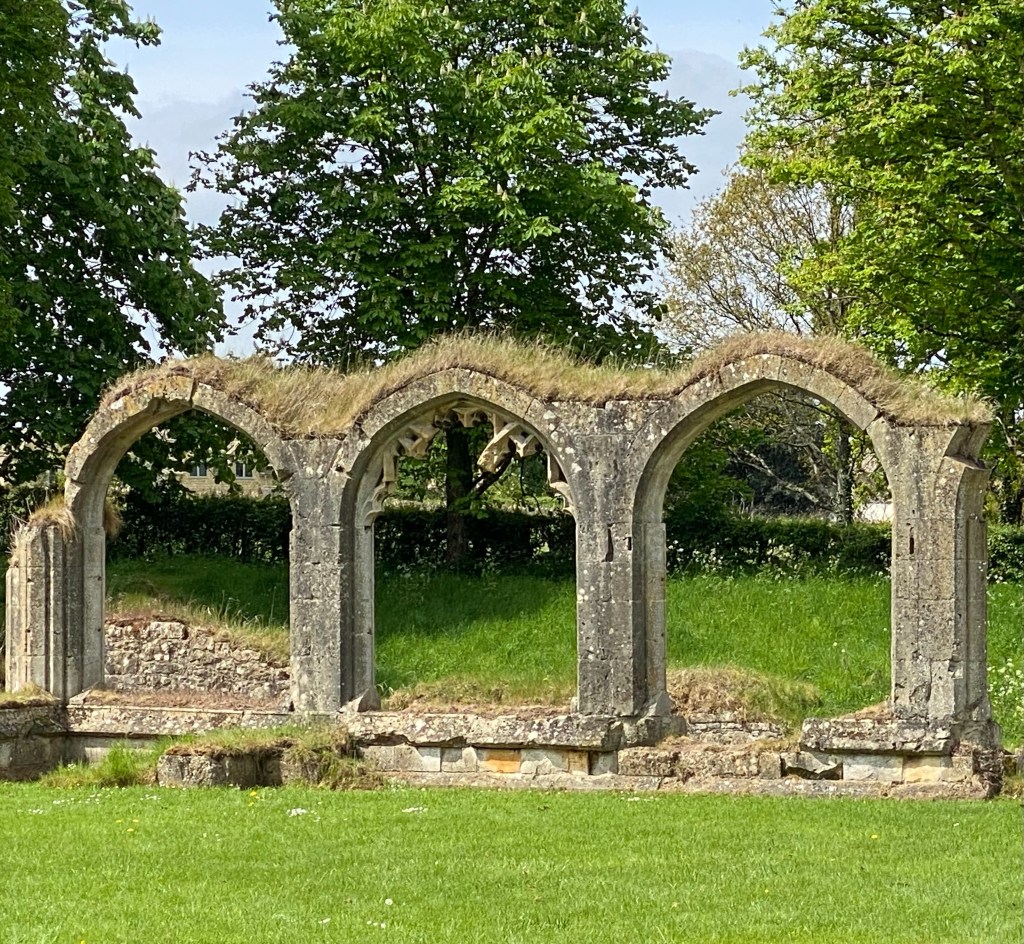
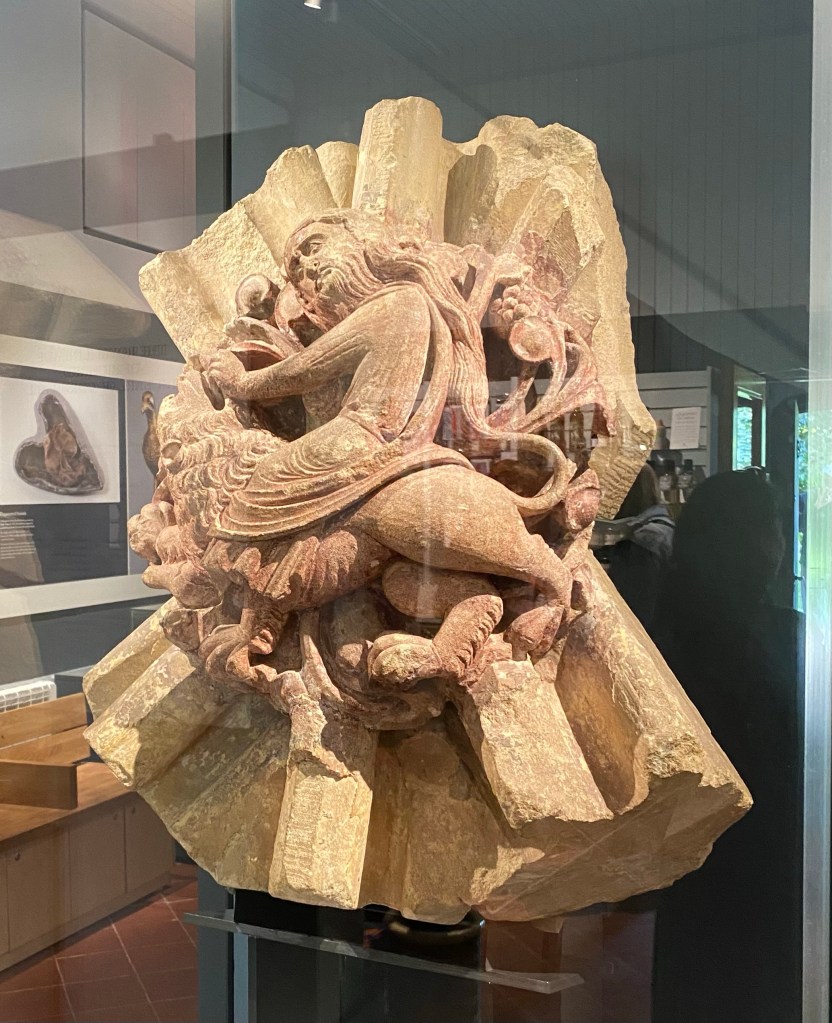
The morning started with a brief stop at Hailes Abbey which are a ruin left over from Henry VIII demolition of the monasteries. It was a beautiful day so the ruins were set off in all their glory. However it was not the ruins which were the big draw but the little parish church just outside of the monastery. Clearly a medieval building with very ornate paintings. They were all pretty faded except one that shows better than some we have scene in big tourist locations. It was fun to see Sarah and Alison get excited about what we were seeing. There was no protection for the building (humidity control) so not sure how much longer the paintings will hold but they have made it 500 years so pretty impressive.

From there we went to Winchecombe for lunch. Val and I opted to shop a bit and just grabbed sausage rolls (basically boiled sausage in croissant like pastry.). We were both able to find some small silver pieces in an antique shop and I also got a lovely silk knitted scarf.

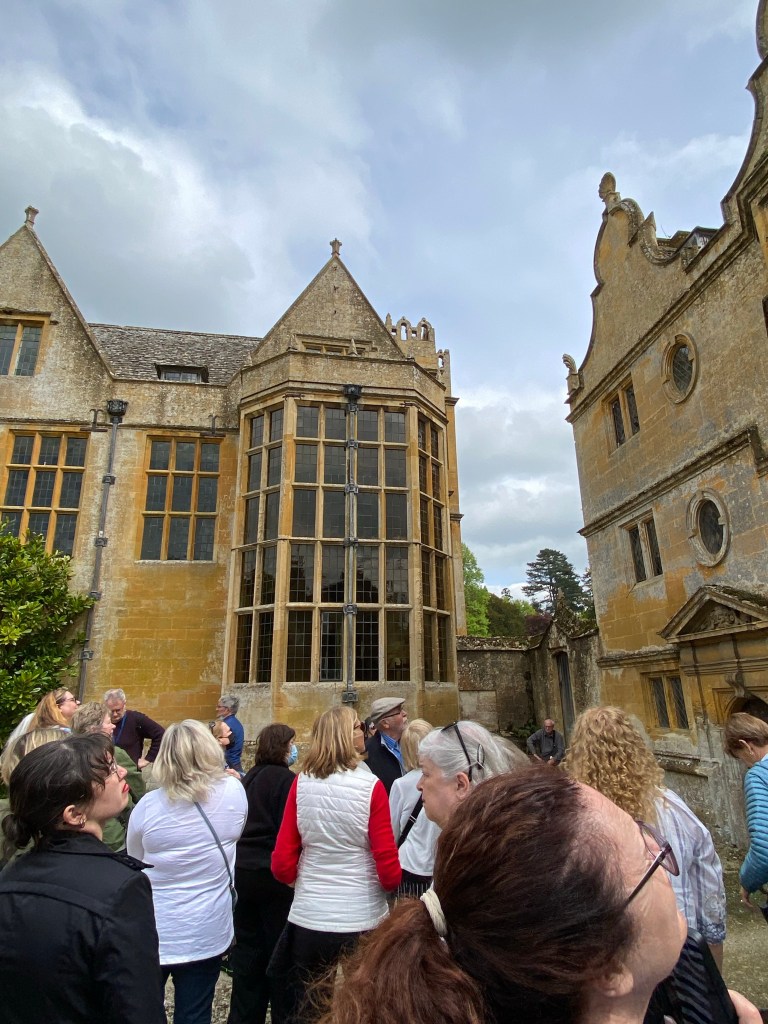
After lunch we headed at to Stanley House owned by the Earl of Wemyss, who currently lives in the house. Generally on these tours you go through the public areas but don’t normally see behind the curtains to where the people actually live. Occasionally you do and this was one of those times. The house was an eclectic hodgepodge of artifacts, artwork and personal mementos with stuff everywhere. But that was not the issue. the tour guide gave quite a colorful exposé on the family or really just the Earl. We heard way too much information. The Earl is an older gentleman now but story goes back in the day he really had some wild parties. The guide also said it was par for the course as many prior Earls and family members have died in various states of overindulgence. We learned that the Earls wife convinced him to put a hole in his skull to alleviate pressure after she had the procedure done and felt fine. Supposedly he had to go to South America to get it done. I was quite surprised that the guide was able to say such personal stuff. They didn’t allow photos inside so I can’t show you the craziness but just think of every area of floor covered with a table or something to sit in (except for a narrow little walkway) and every table covered with mix match stuff. Now I like the clutter look but this was even too much for me. The outside of the building was lovely so there was that.

After that craziness we headed back to the hotel for dinner and to pack up. Tomorrow we had out to Bath.

Hailes Church
Hailes Abbey Ruin
Hailes Abbey Museum
Winchecombe
Stanway House
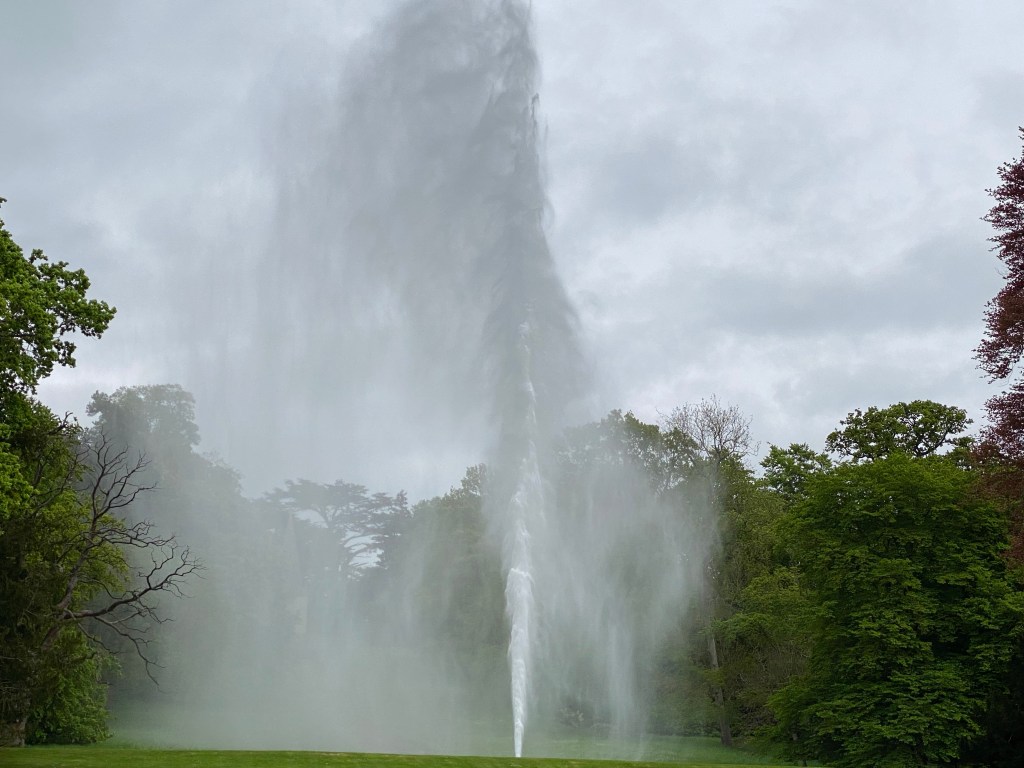
Stanway House Fountain

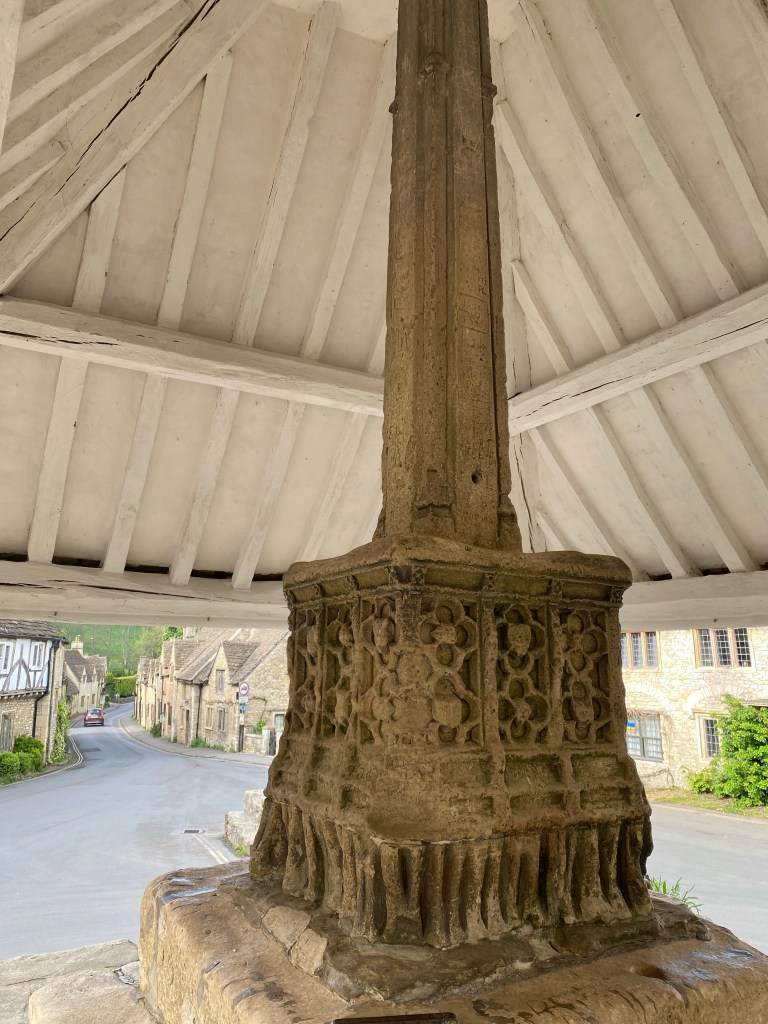
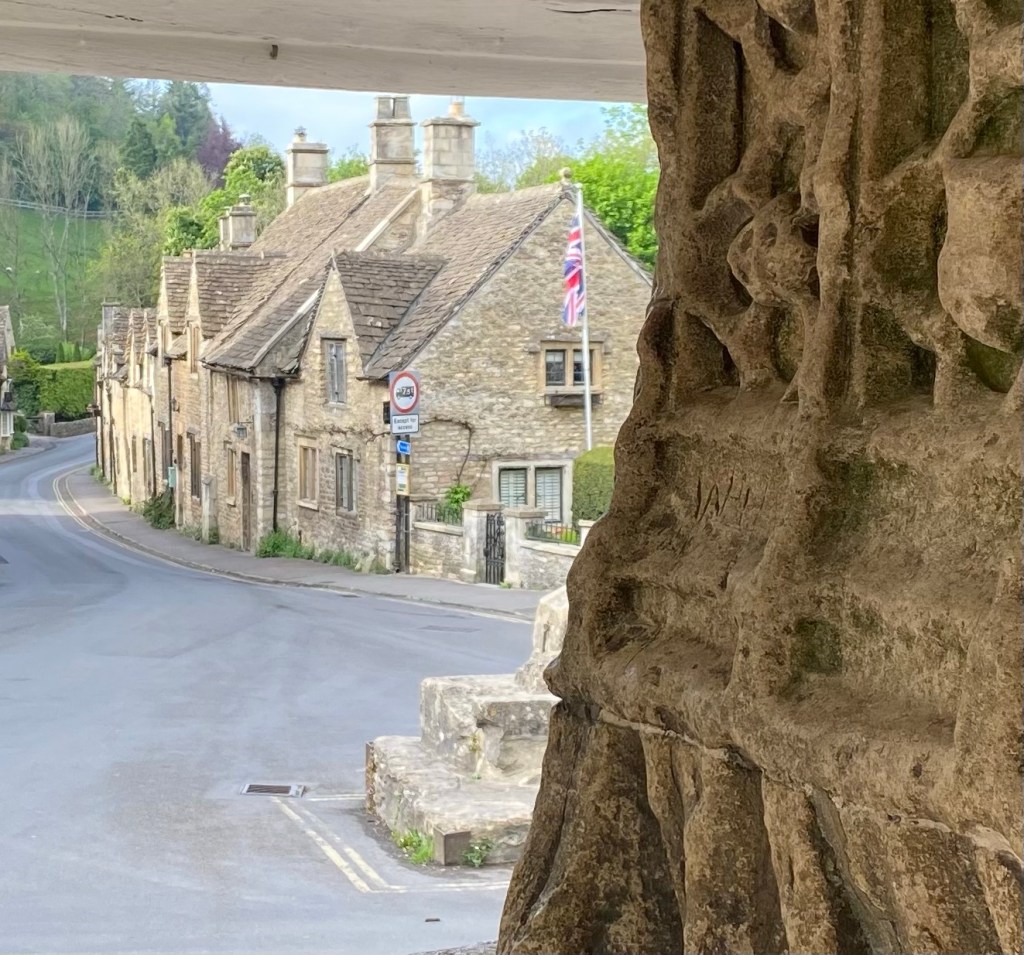
Castle Combe

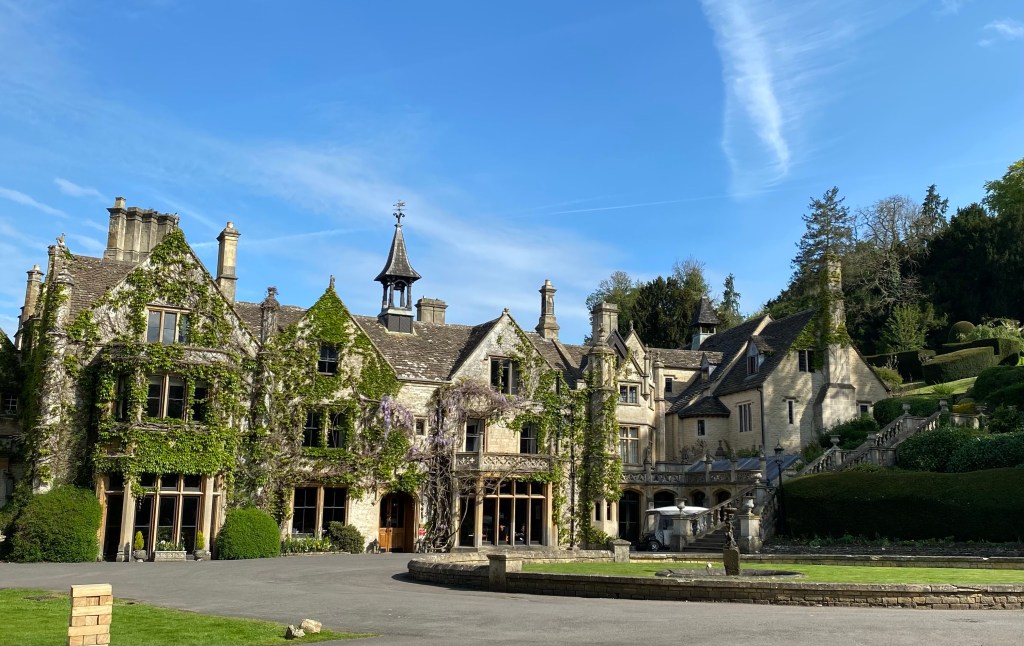
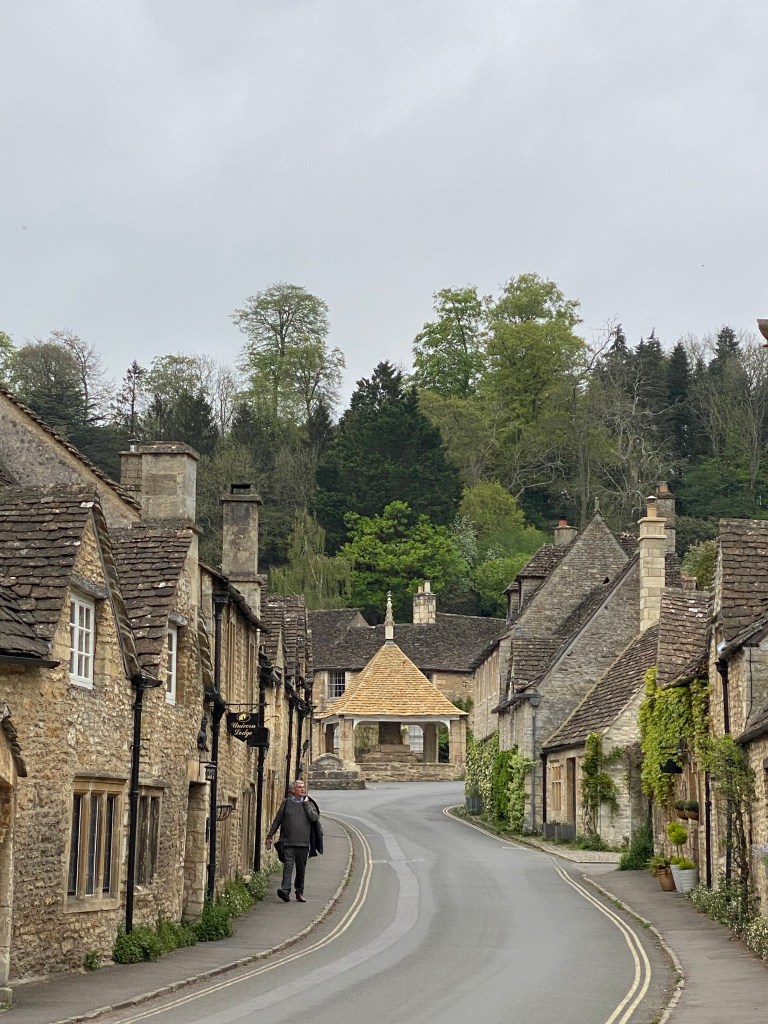
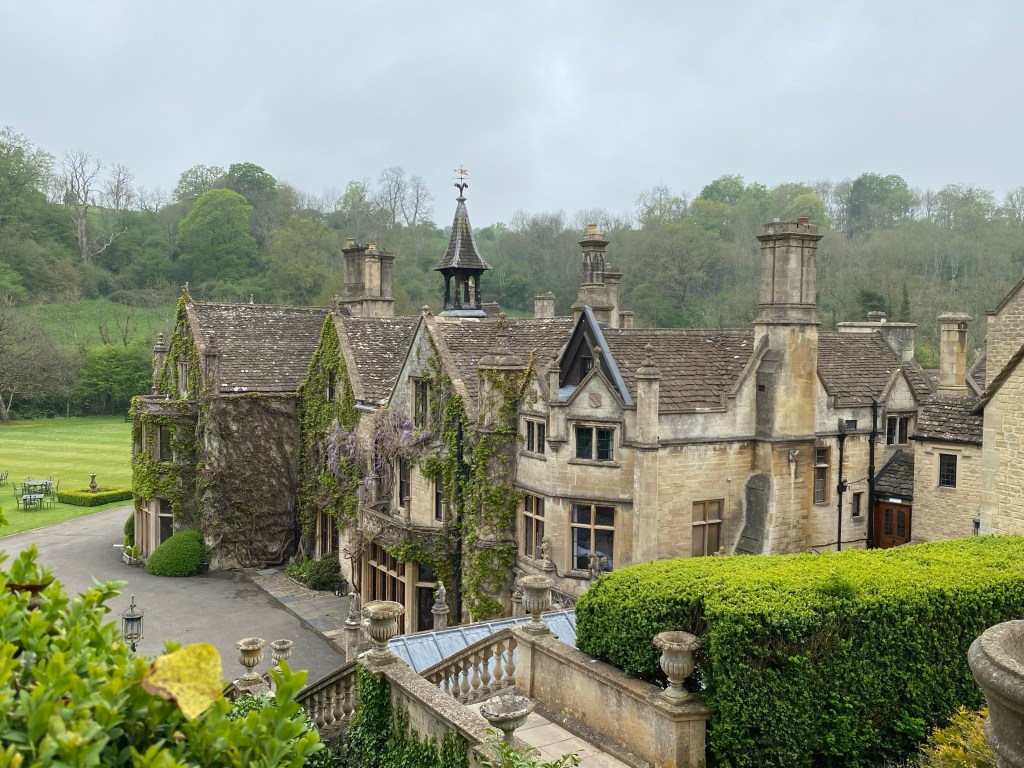
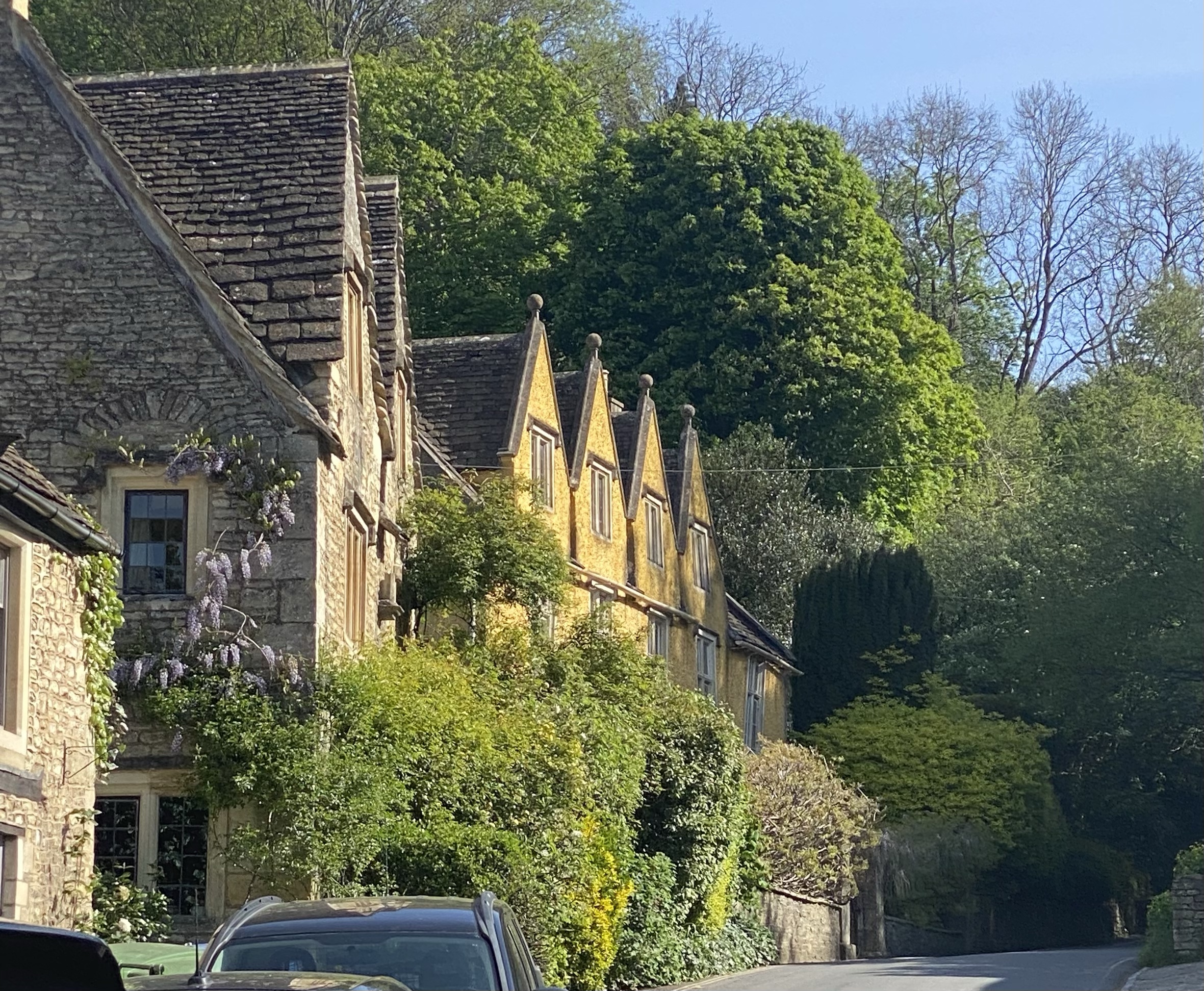
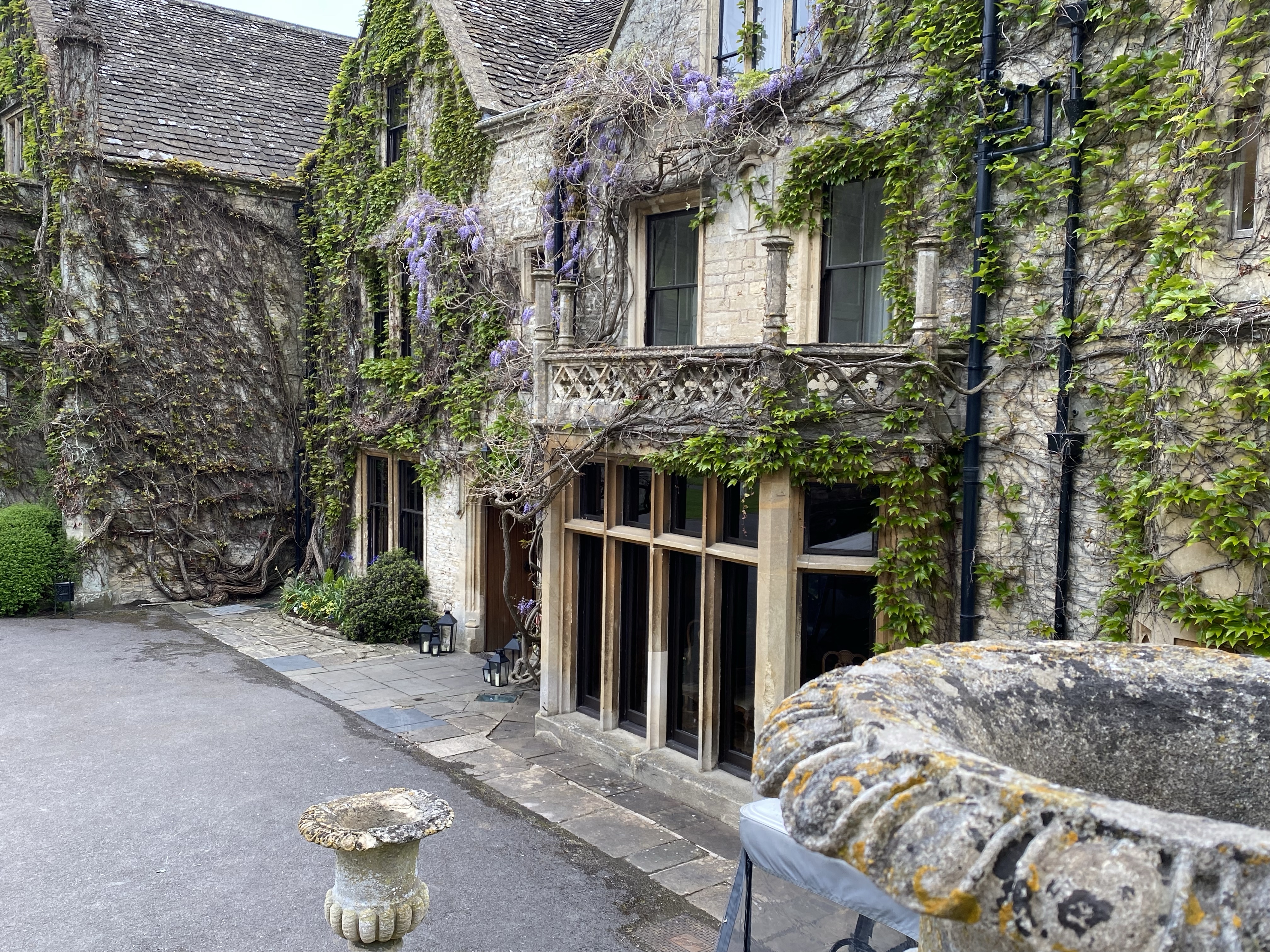
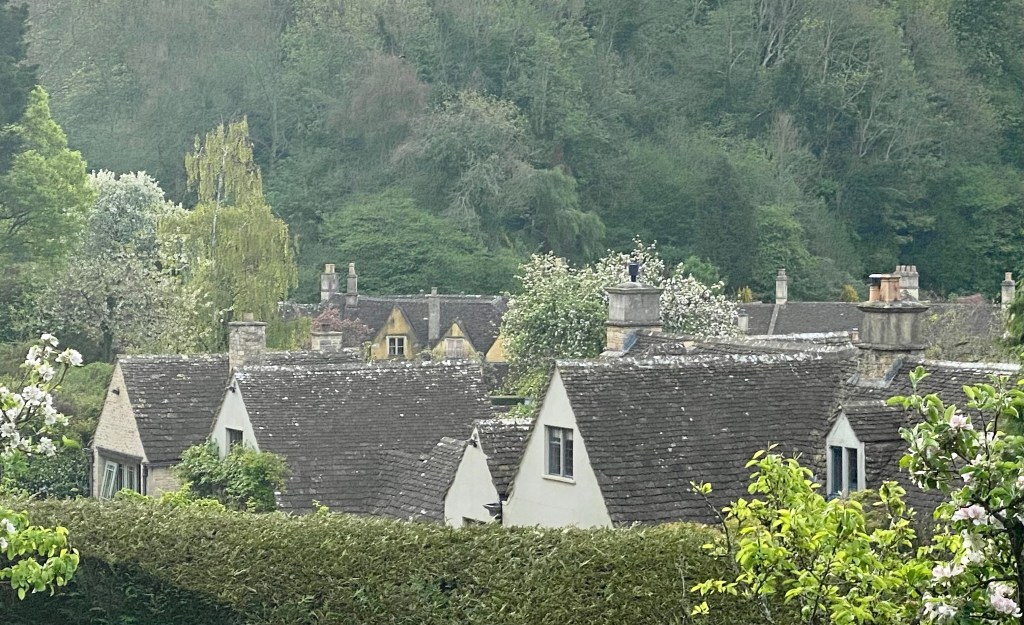
We have been staying in Castle Combe a beautiful little town with a medieval flair. We have walked all through town and a few of the trails going out and around town. There is our hotel the Manor House Hotel and Cottages. We are in the cottages. The Hotel has a restaurant and casual dining center n the lounge. One other small hotel has a restaurant and there is one pub. There is also an enterprising lady that puts out brownies and cakes on her stoop every morning with a slot in her door to pay. So not much to the town but a nice place to be.

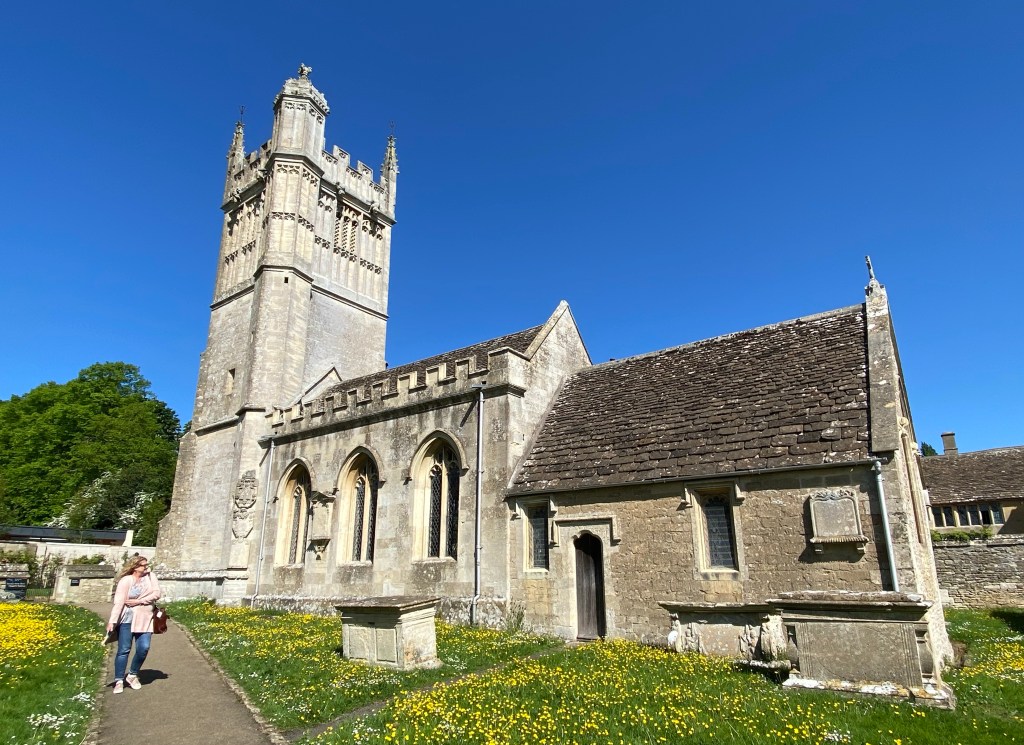
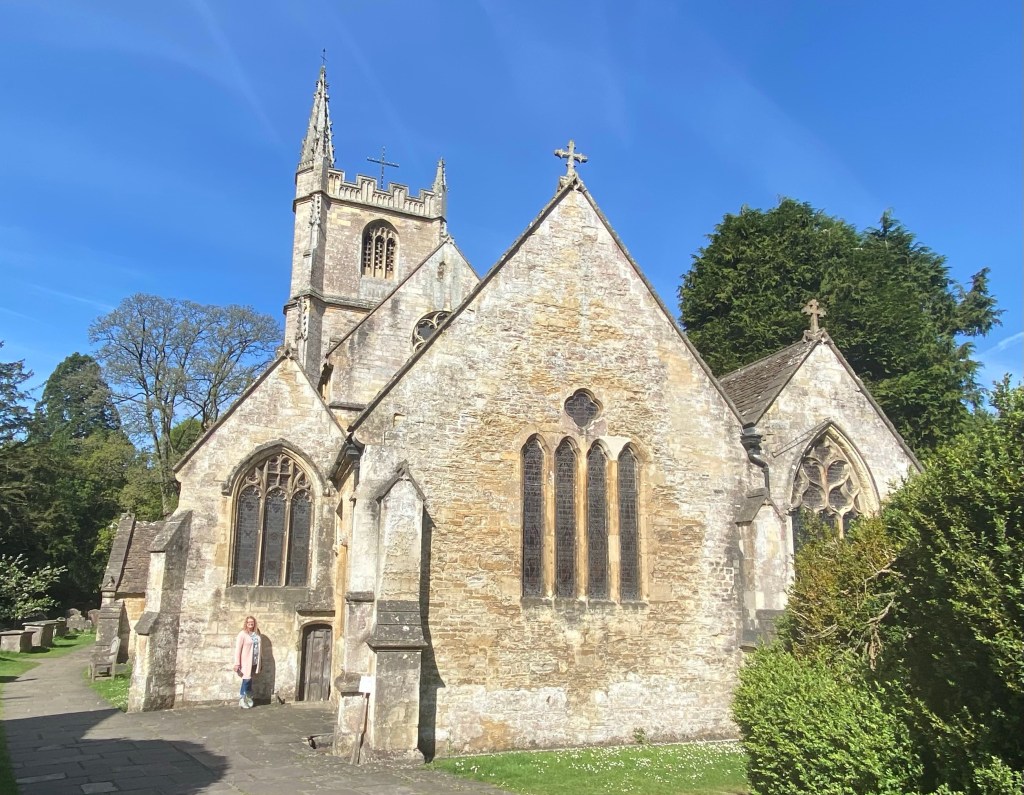
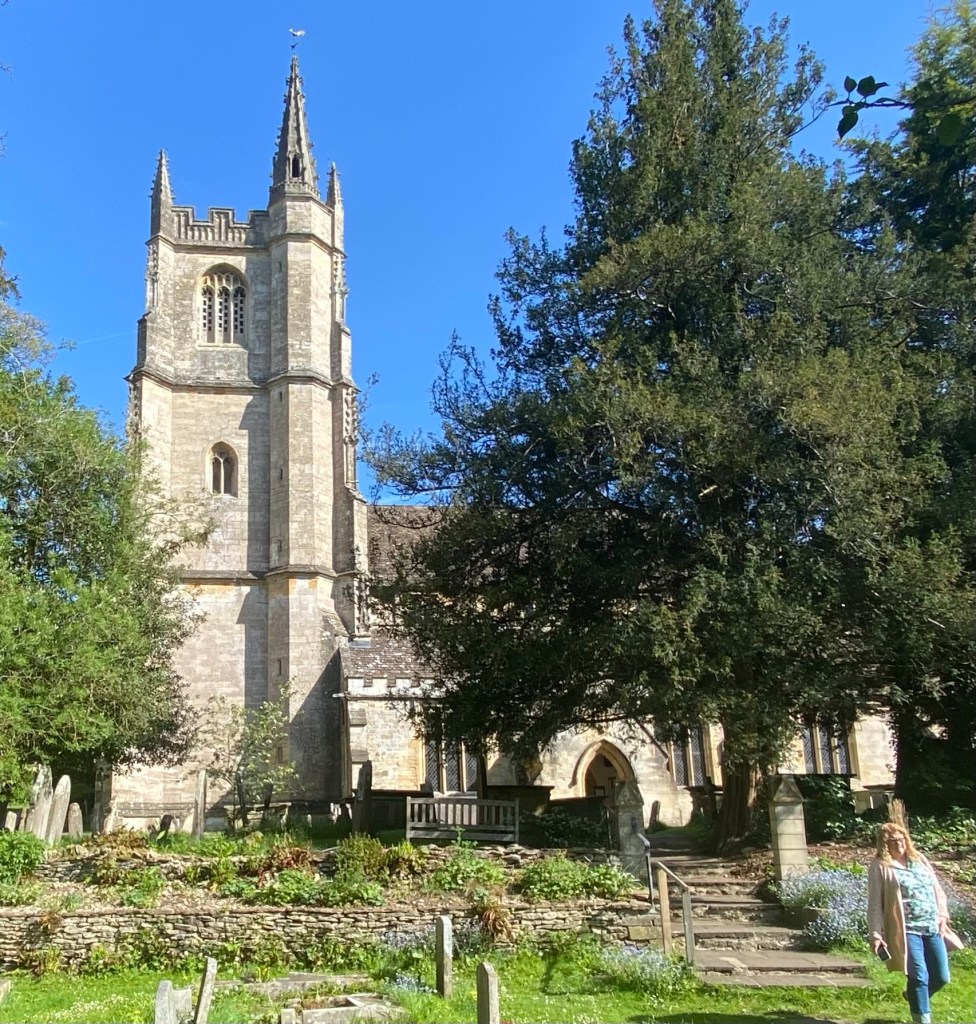
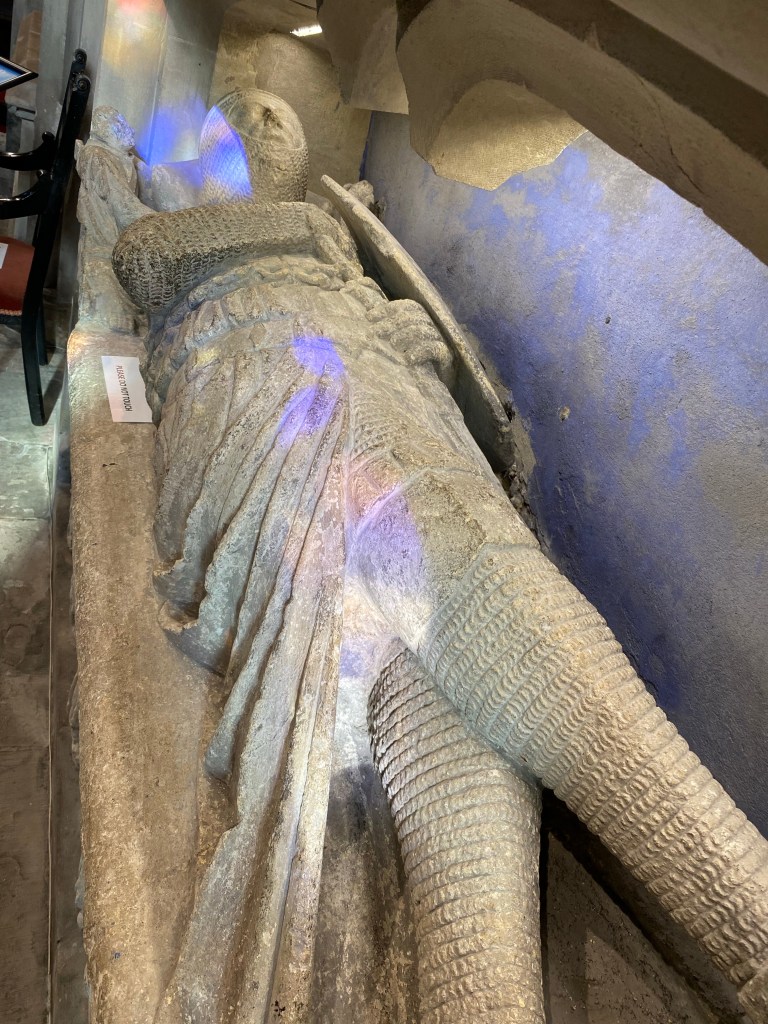
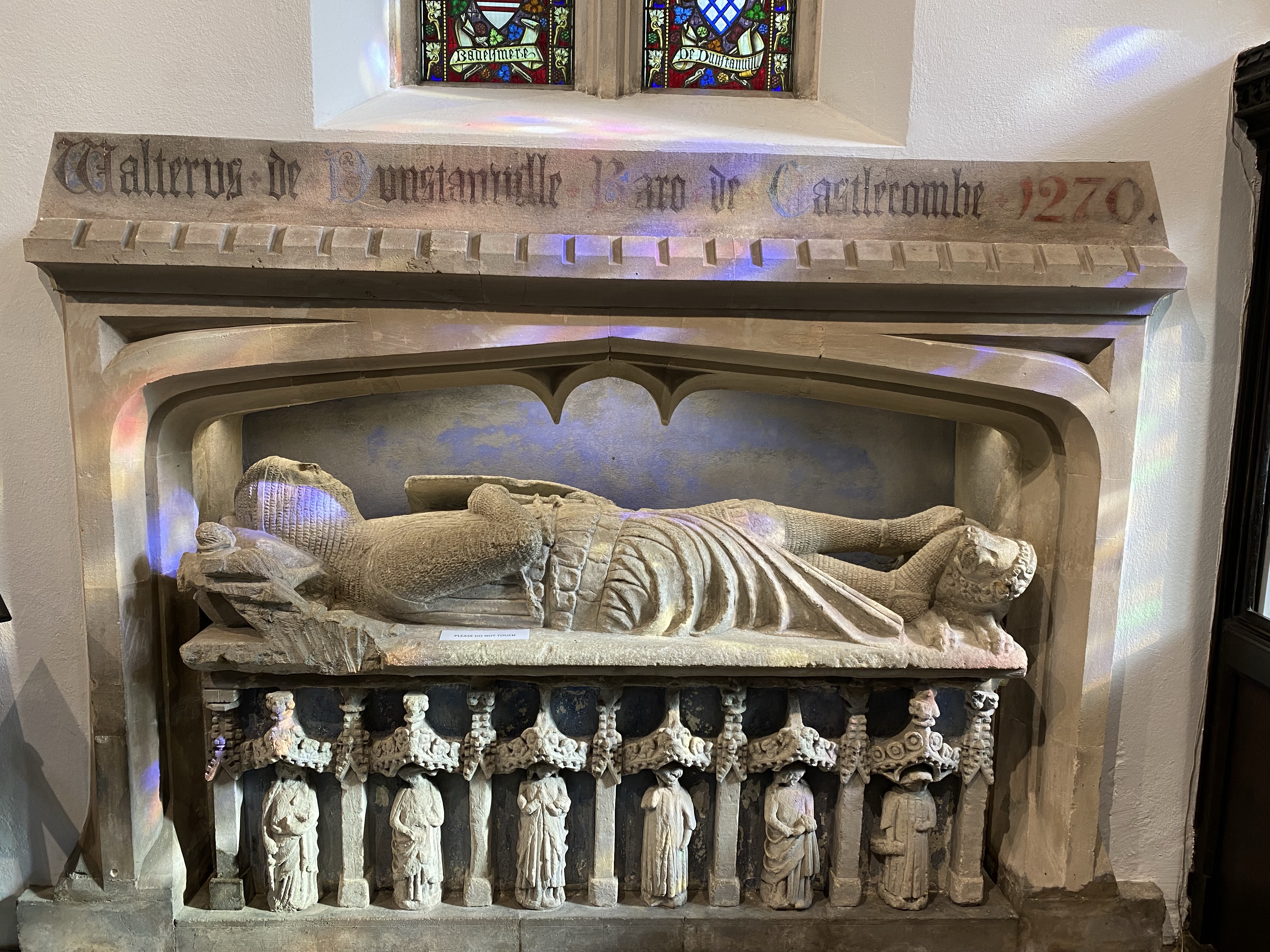
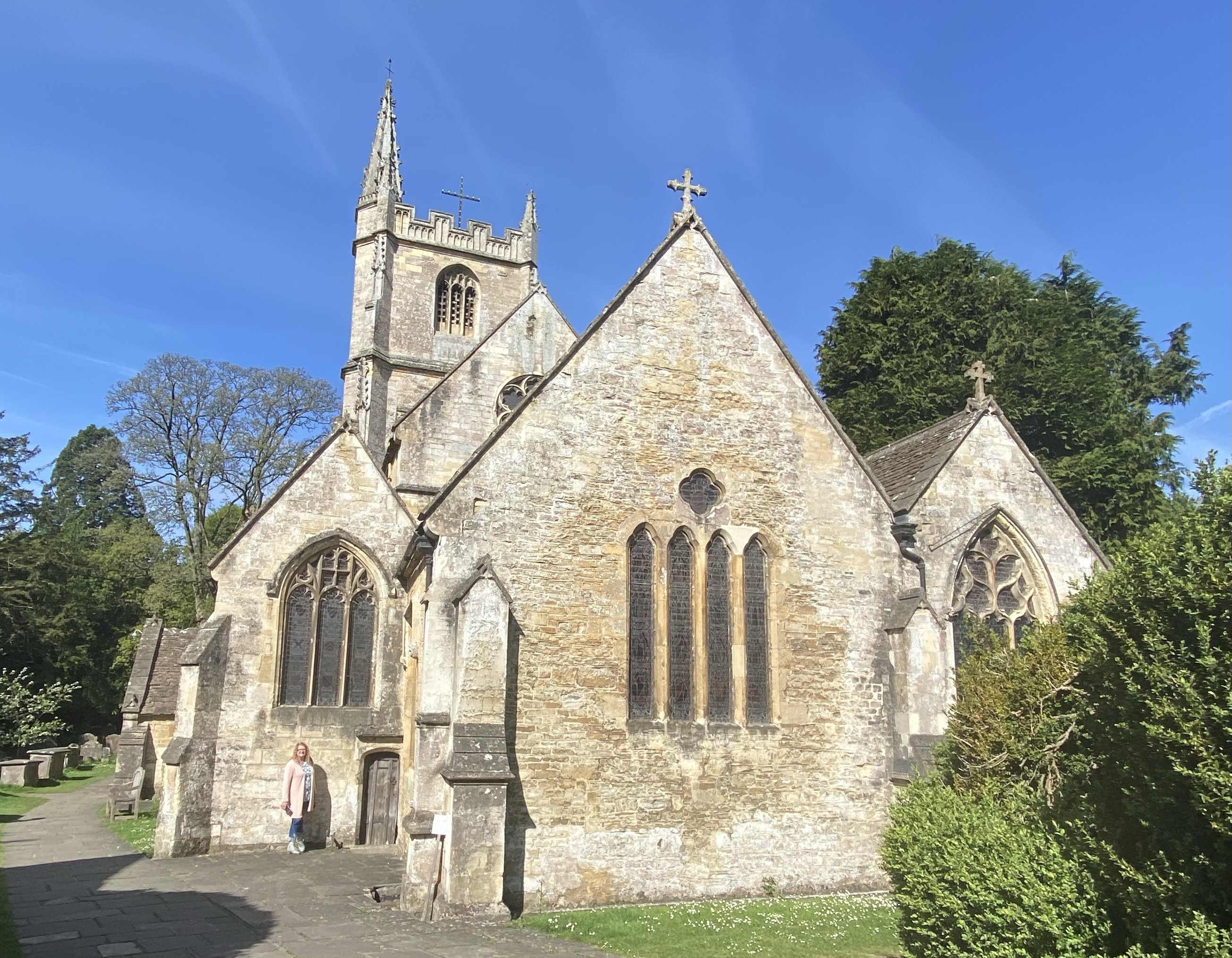
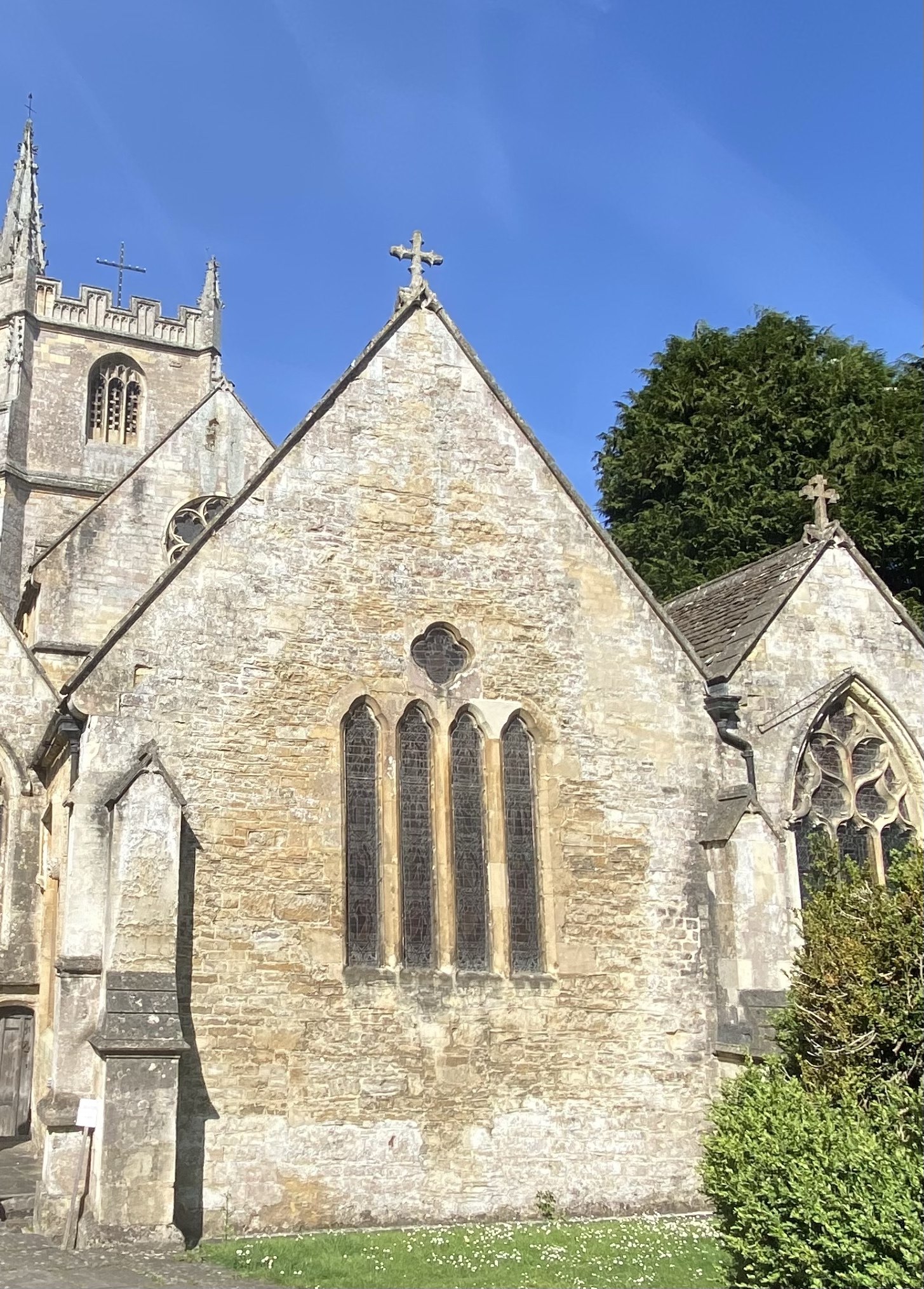
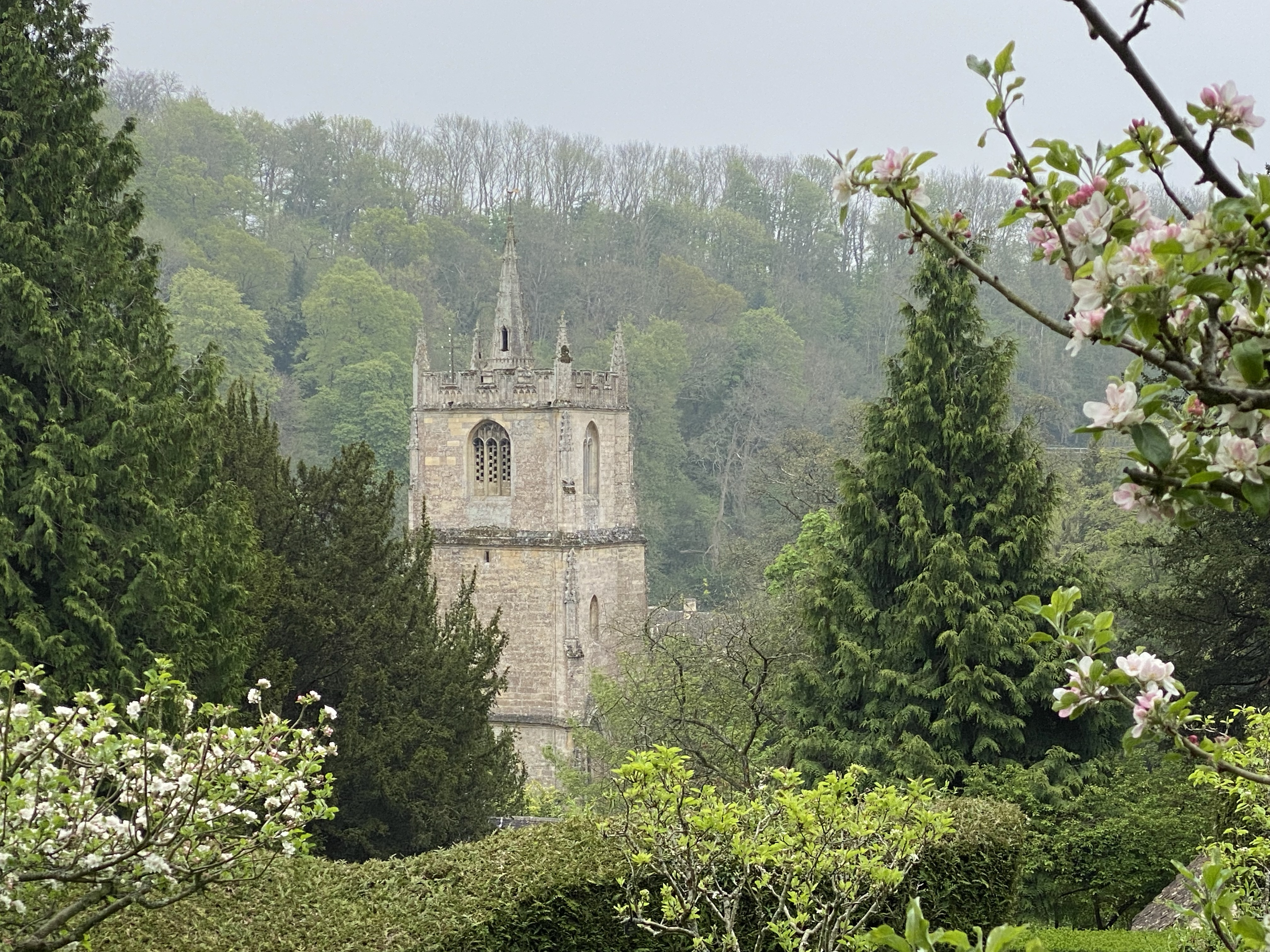
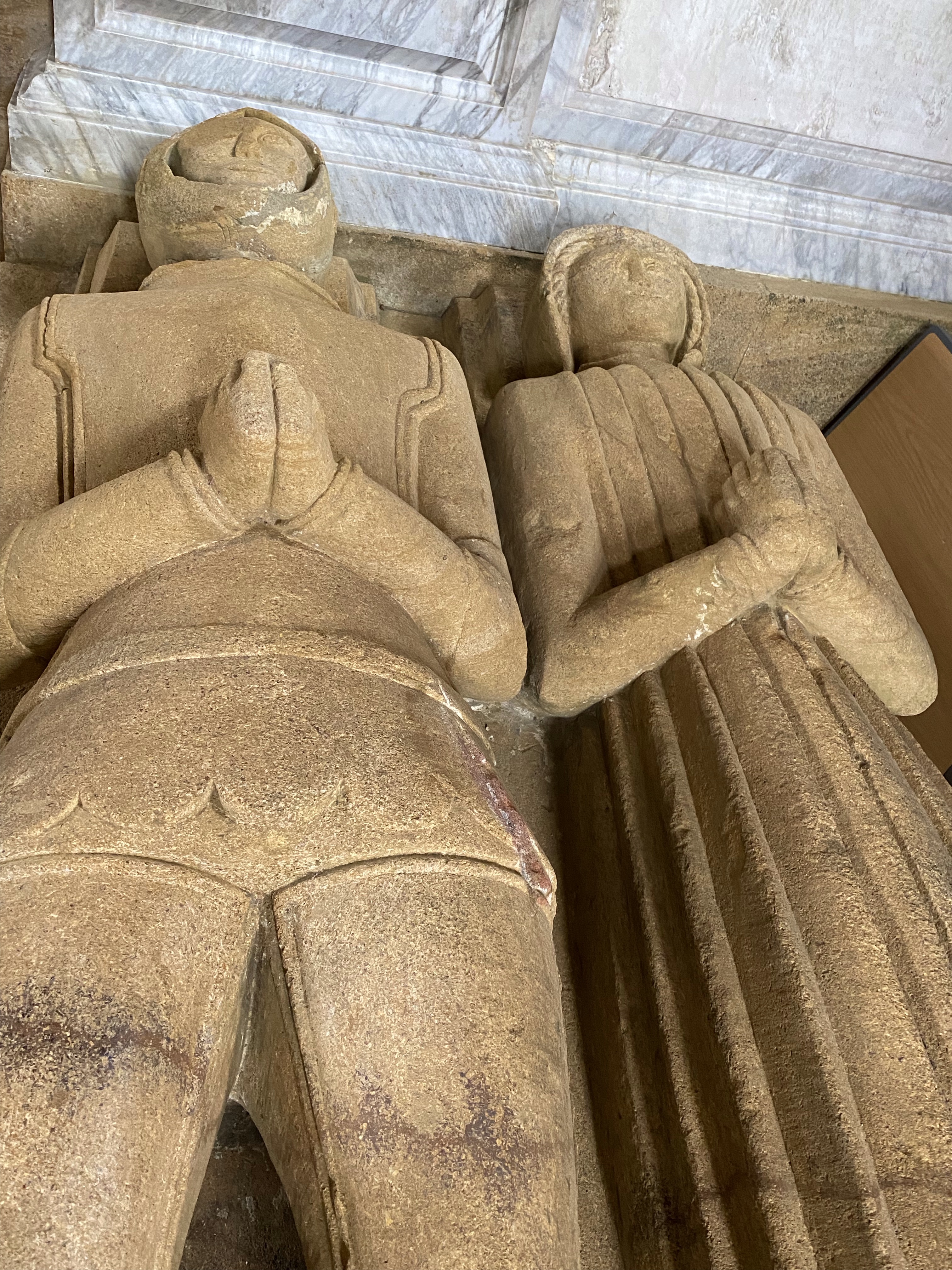
Castle Combe has a nice old church, St Andrews which surprisingly has a 1270 tomb of a knight. He was an early lord of the castle who went on two crusades as signified by his crossed legs. (Who knew there were tomb codes)

The town was used for the movie War Horse and there are pictures from the movie in all public buildings including the church. The original Dr Dolittle was also shot here but no pictures to mark it. Again that was only in the guide book.

The castle is long since gone but the newer by a few centuries manor house was built in the 14th century. It has been modified since then but still still has some original charm.

It claims to be the birthplace of the blanket. The Blanket brothers developed a new weaving technique for a new warmer covering and the blanket was born. You had to buy the 5 pound guide book to get that story along with a few other amazing facts. Including that one of the early lords lost a battle to Joan of Arc and was left in prison in France for two years.

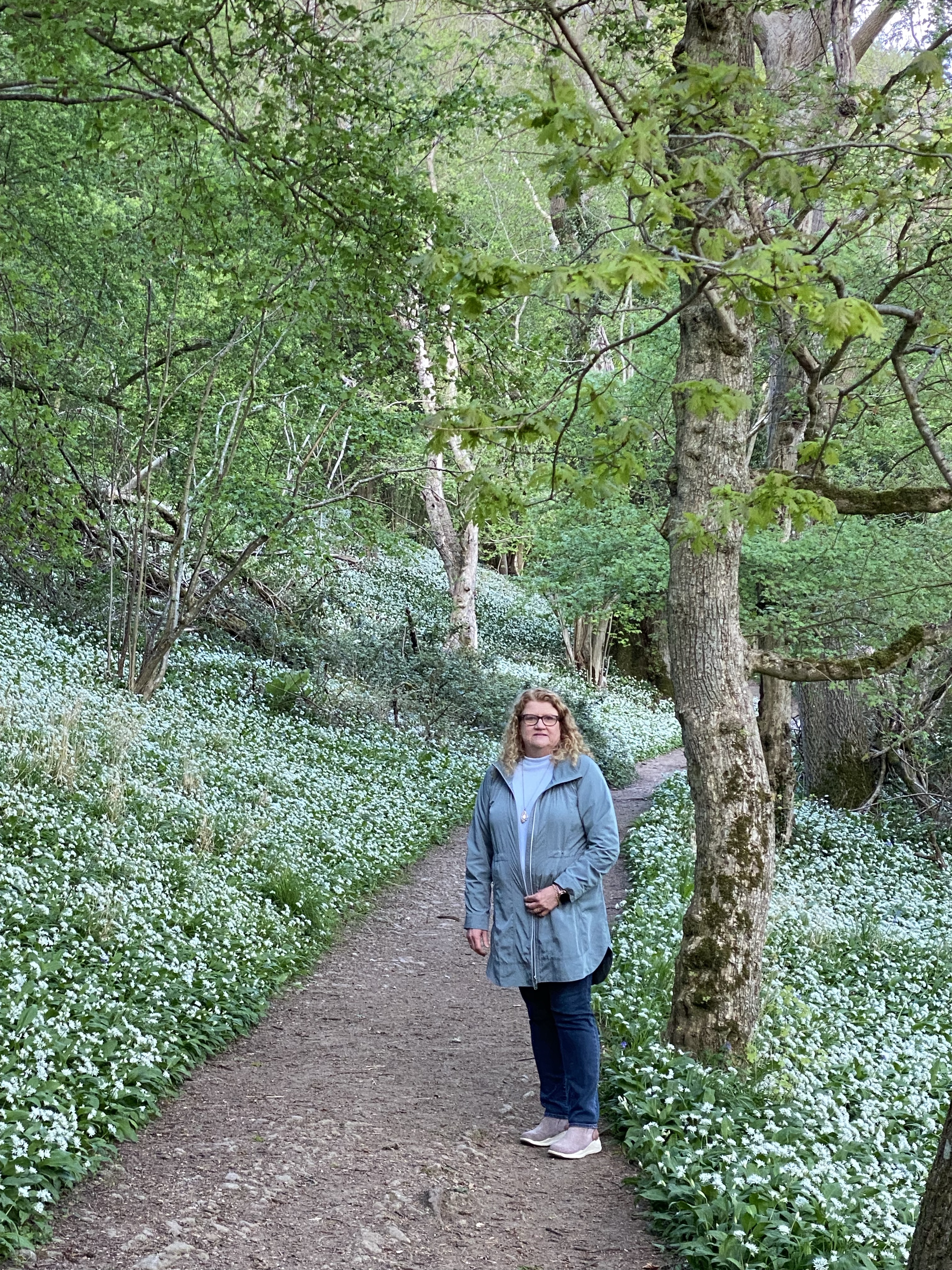
Our first night in town we did not have dinner reservations so we decided to take off on one of the walks mapped out in a brochure provided in our room. We headed out of town and into the woods and did what we thought would be a big loop and come back in on the other side of town. The brochure said things like through the woods and around the mill house and then down a small road then a less small bit still small road before rejoining the trail with a straight walk through the woods back to the village. The guide said nothing about the half a mile straight up hill we had to do or that you had to climb over a few stills along the way. But the worst part is that it didn’t show the many trail options that you were not supposed to take. We chose correctly once (but that lead to the horrible hill) the second time we chose wrong and ended up back tracking and redoing our walk through the woods. This added almost another mile to our already long hike. We made it back to town just before the sun went down which is a good thing – not only trip hazards after dark but our handy new guide book claimed the woods are haunted. Supposedly back in the day the Saxons had a big battle in this area and on of the knights stayed behind to guard the river crossing and is still there running people out of the woods.

I have really enjoyed the stay here and wish we were staying longer. Although I am looking forward to moving to Bath tomorrow.

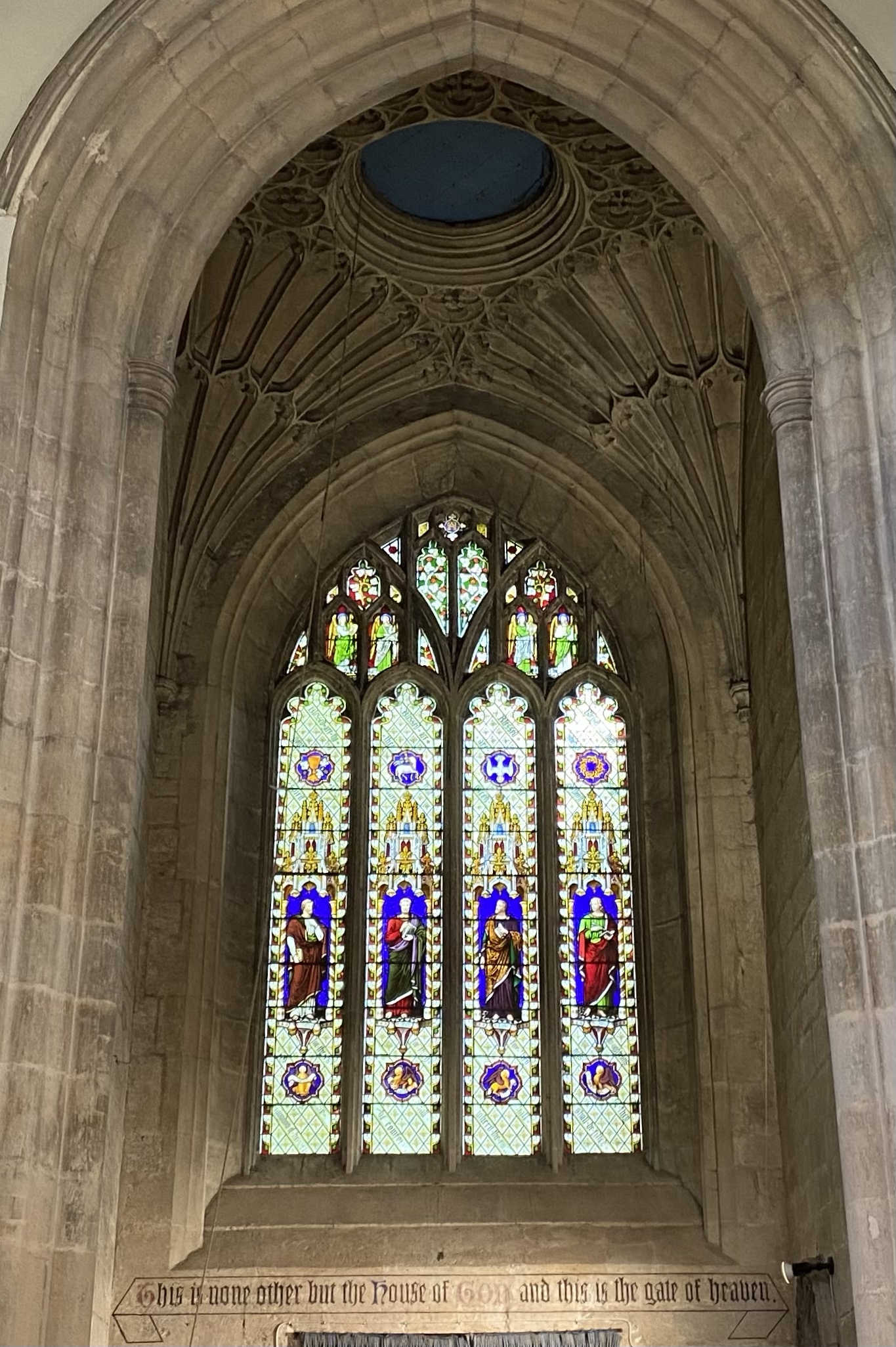
St Andrews Castle Combe
Manor House Hotel Castle Combe
Castle Combe
castle Combe Knight

Safari Park and Salisbury Cathedral- Day 4

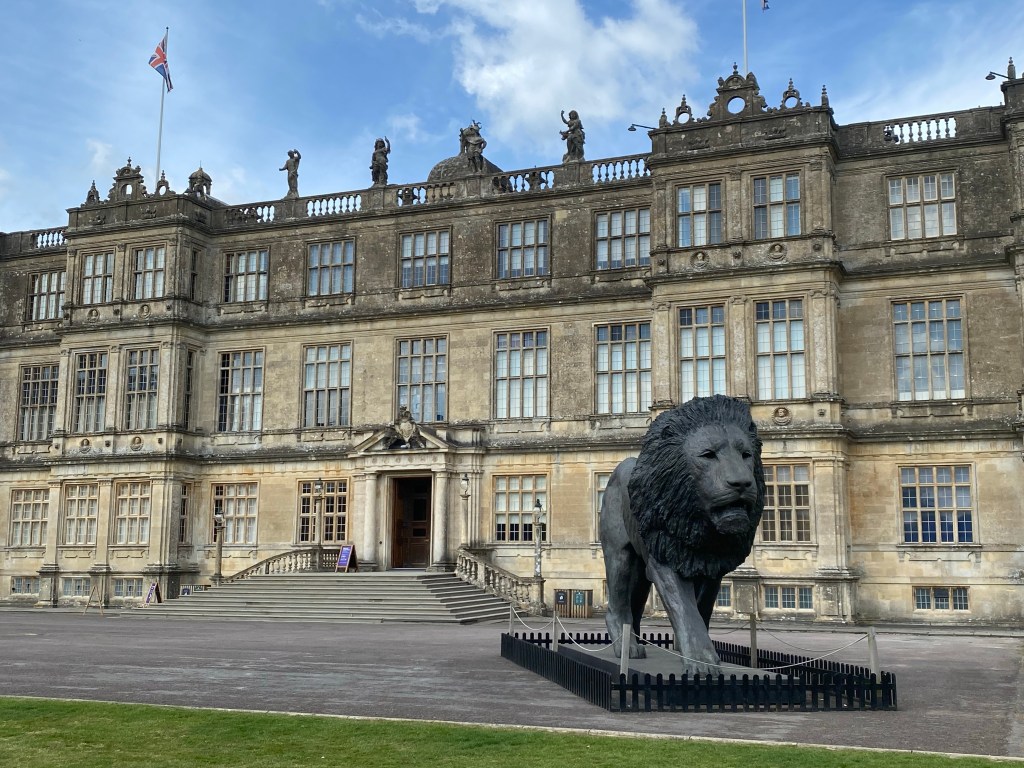
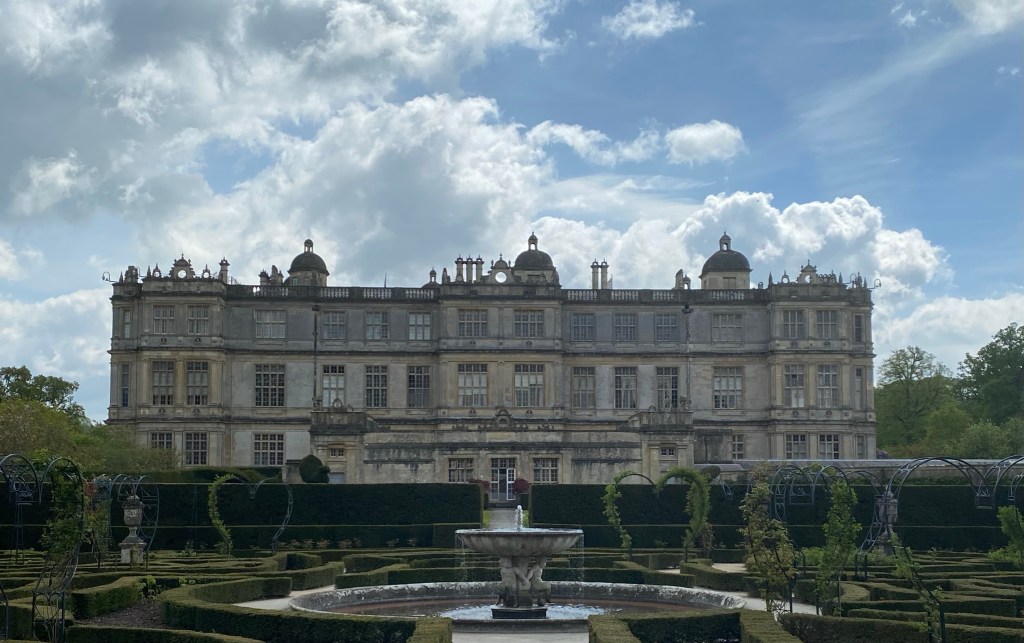
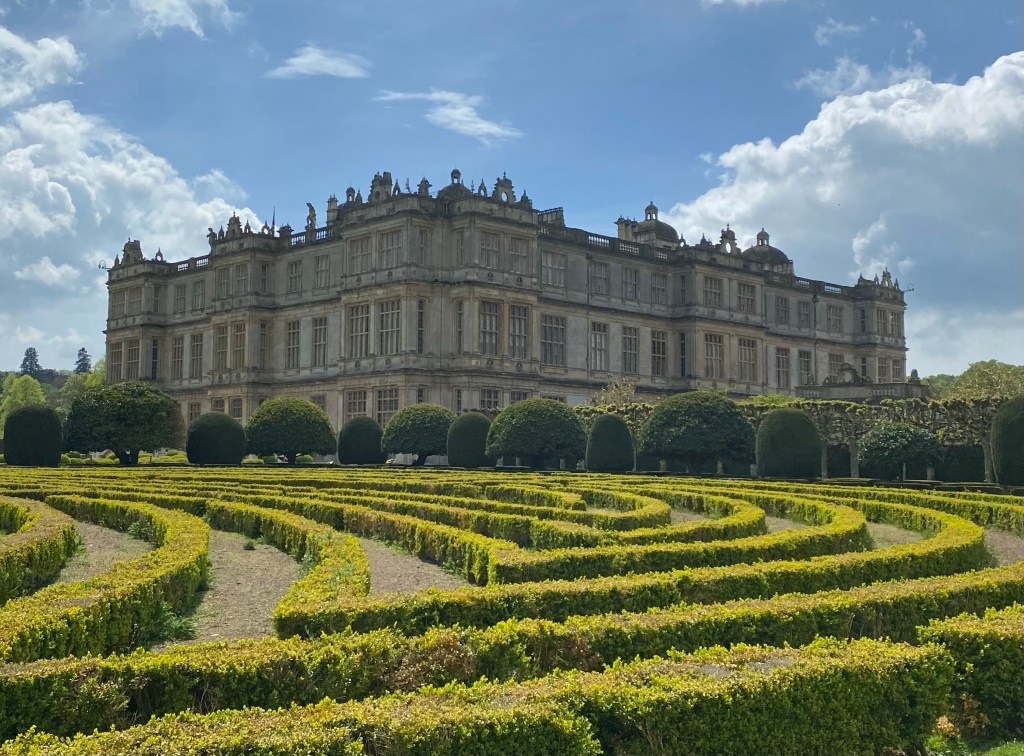
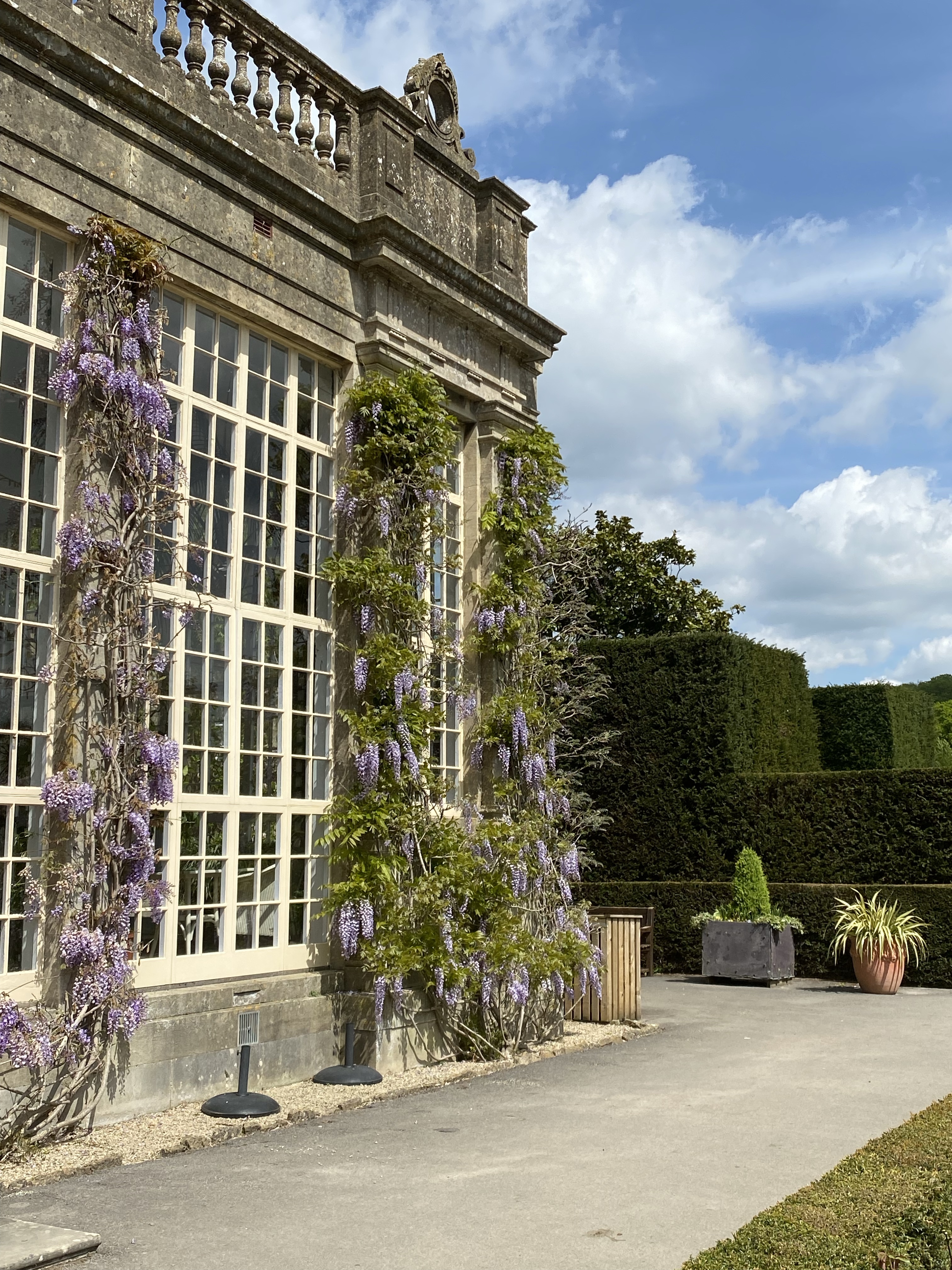
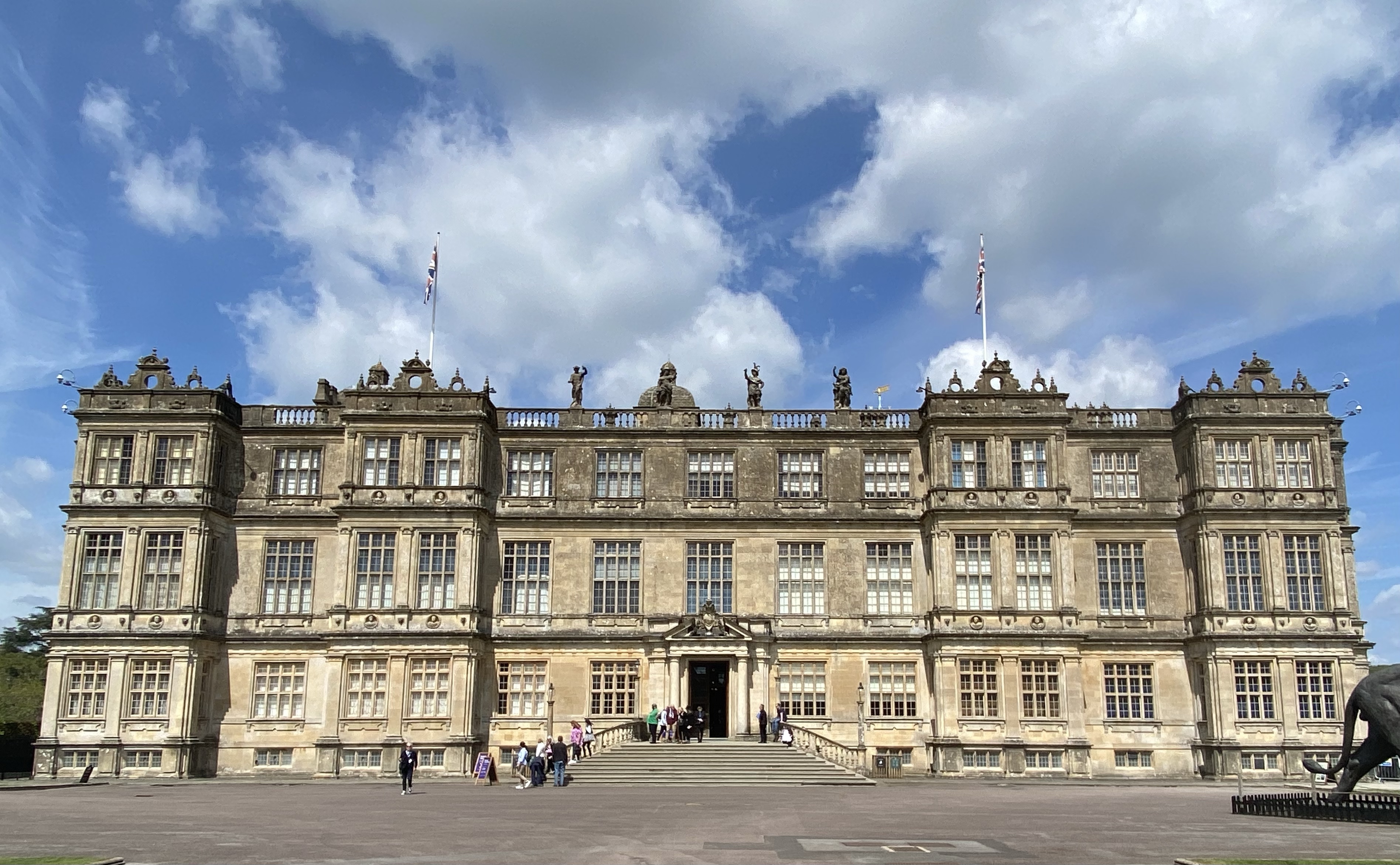
First stop of the day was Longleat Home and Safari Park. When I say safari park I actually mean an amusement park type experience with a 15th century manor house in front. So although there were elephants and lions on-site we just toured the house and formal gardens.

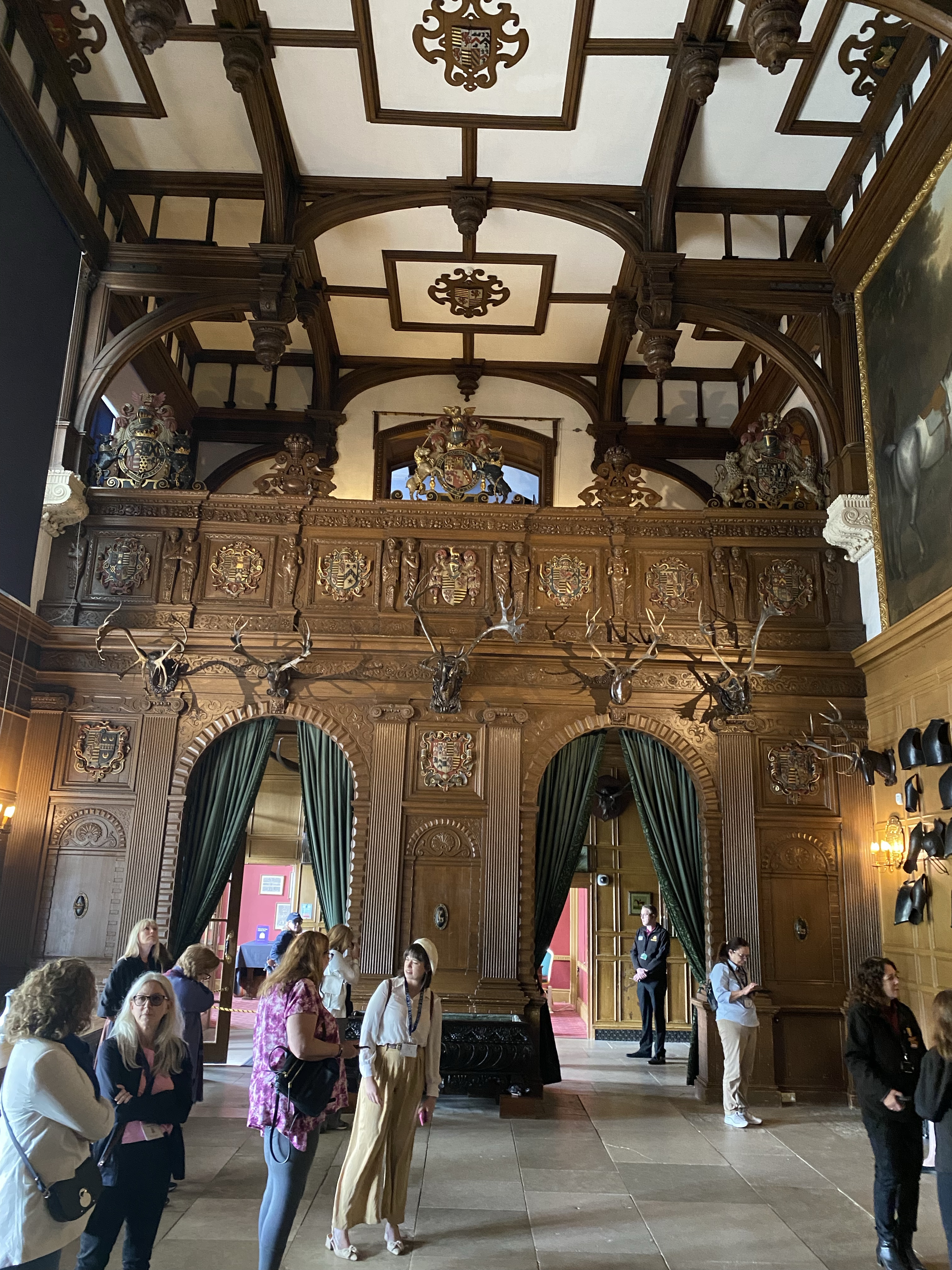
The hose was built from 1585 to 1601 has some crazy amount of rooms and 96 chimneys. It was rather large. We toured one side and the family lives on the other. The house belongs to the Marquess of Bath who just recently inherited the title and was at home while we were visiting. It was weird enough to be visiting a site that had all the trappings of a major zoo so I can’t imagine living there.
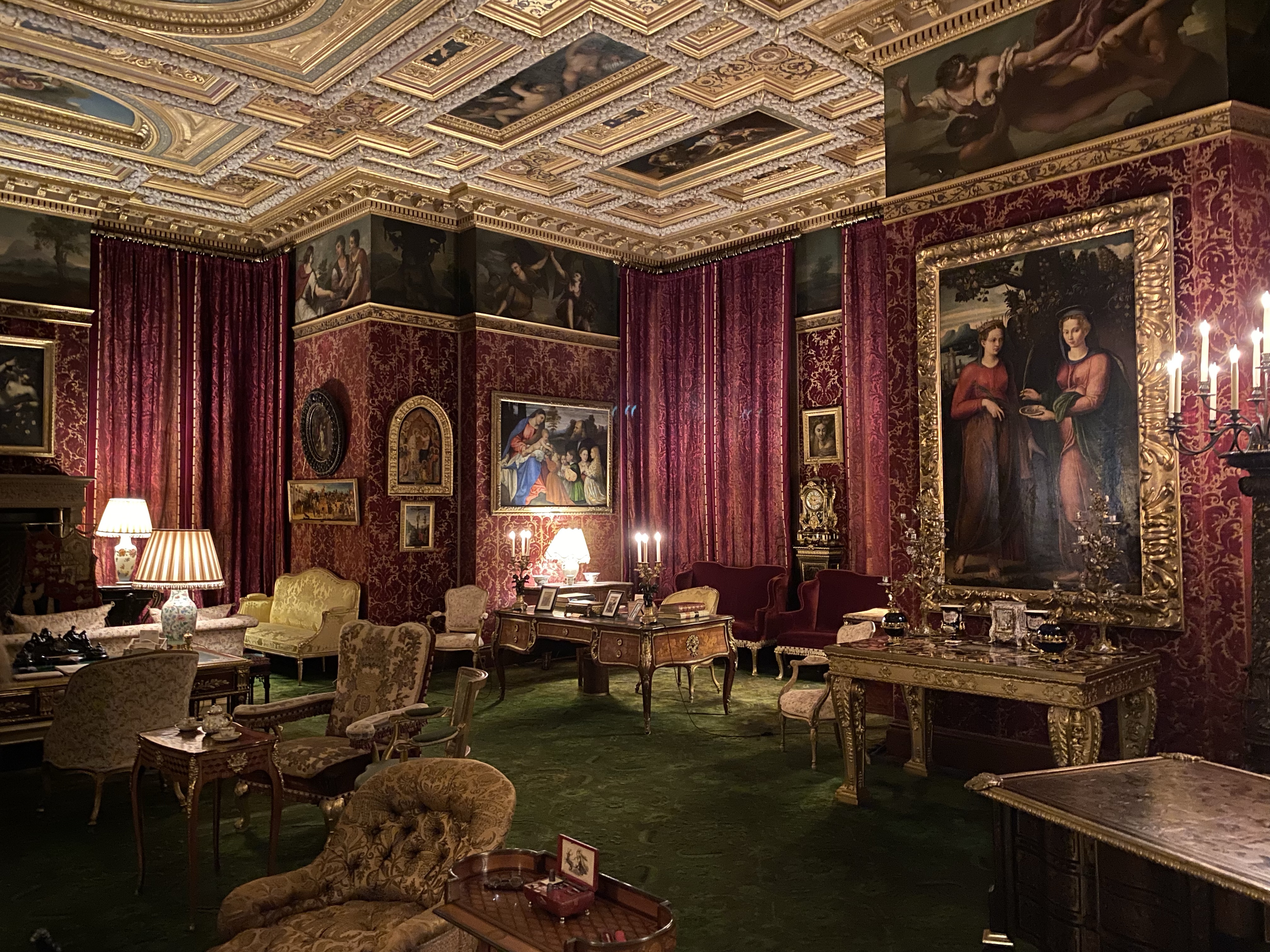
The house tour was really amazing. The house still held most of their pieces which had been sold to various museums but were loaned back to the house as long as they were displayed in public places.
The prior Marquess opened the house to visitors in the 1950’s. He was the first one to do so and was ridiculed as the mad marquess. It was long until more nobles were using this idea as a way to hold on their historic family homes. The safari park soon followed the opening of the house but so far other nobles have seem that as a step too far and have not followed suit.

Regardless of the theme park grounds the house had many fine Elizabethan touches that were nice to see. Along with the opulence of noble living up until the end of the last century.

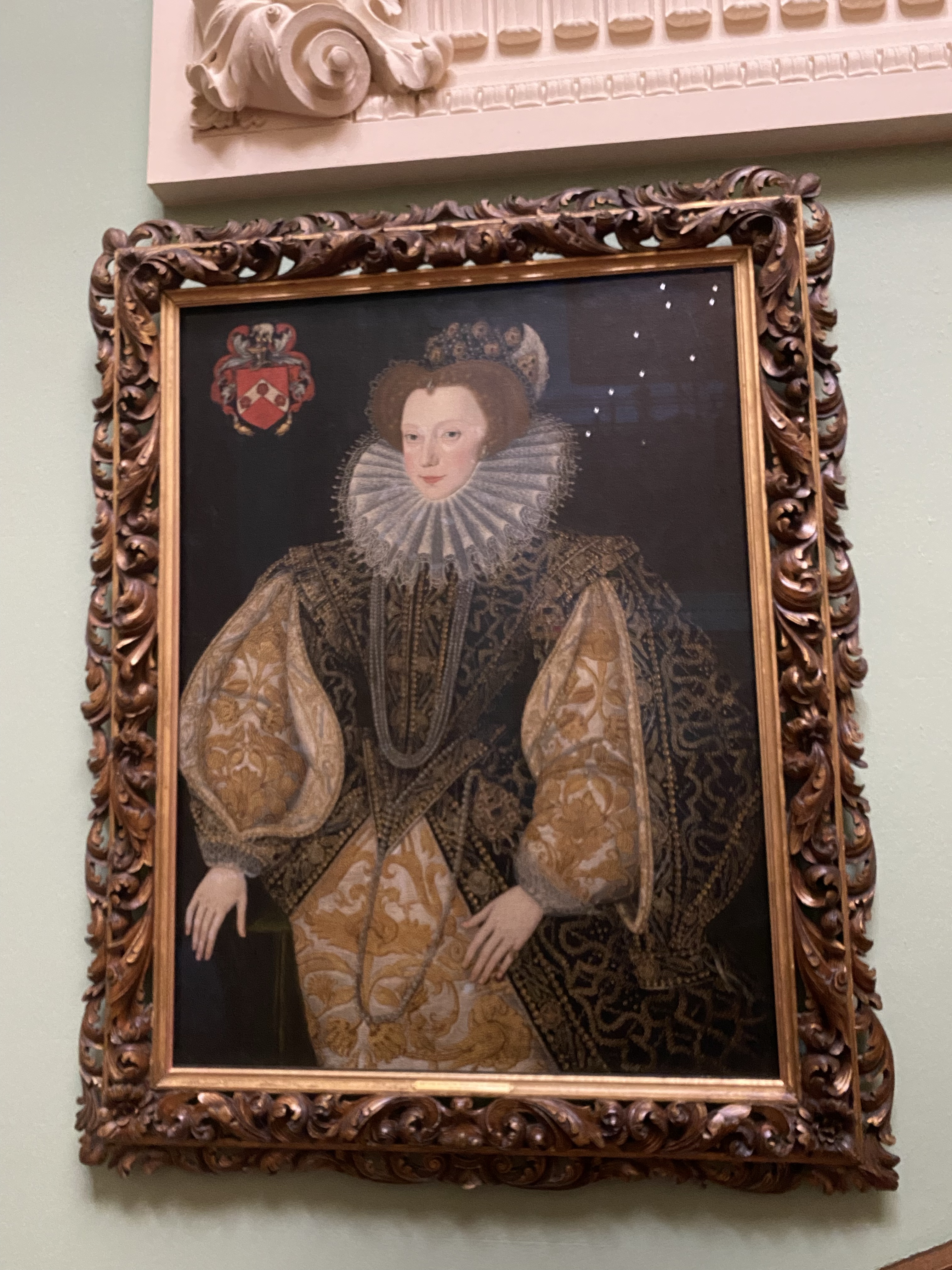
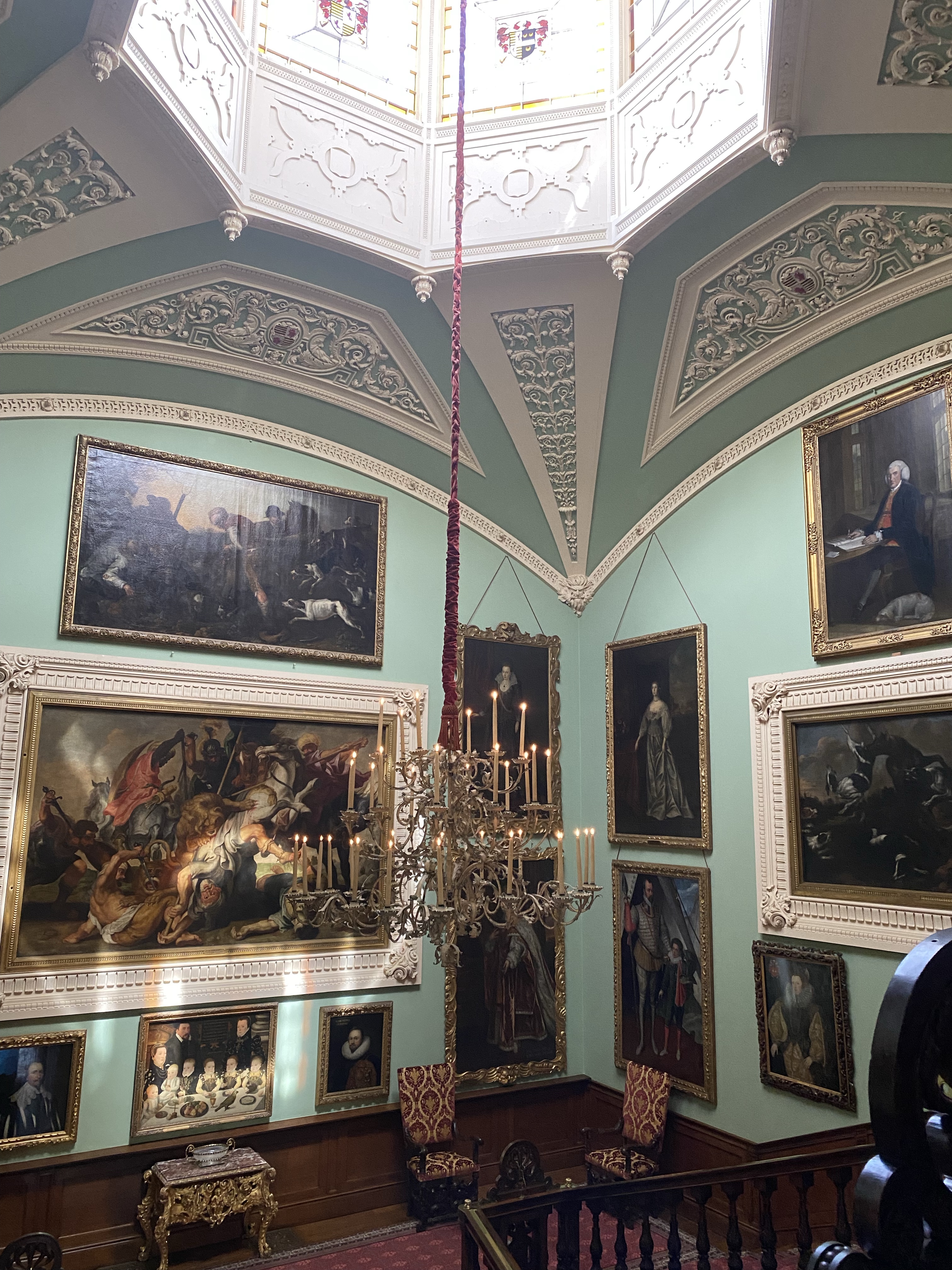
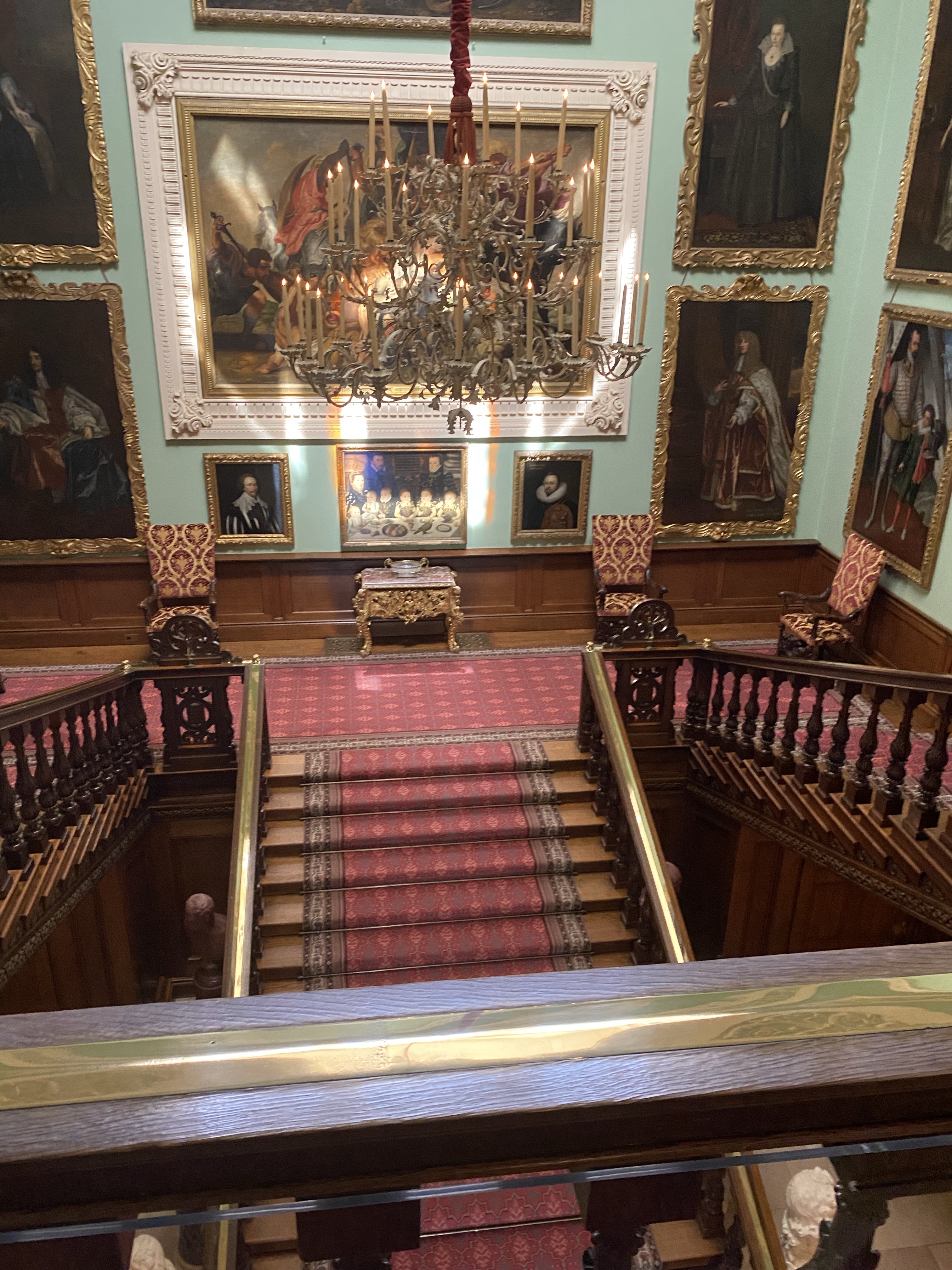
We toured through the great hall which still had a medieval set up with a collection of civil war (not the American one) breastplates. The great hall had a gallery which in most houses has been taken down so it was nice to see where the musician set. From there it was more 19th century opulence with a great collection of art. Our tour guide was quick to point all the family information and personal items so I learned a lot about the hippy/painter 7th Marquess who never wore shoes and the current Marquess whose wife was on the England version of Dancing with the Stars – Strictly Come Dancing (a much better name). She did point out some of the portraits that our historians wanted us to see.

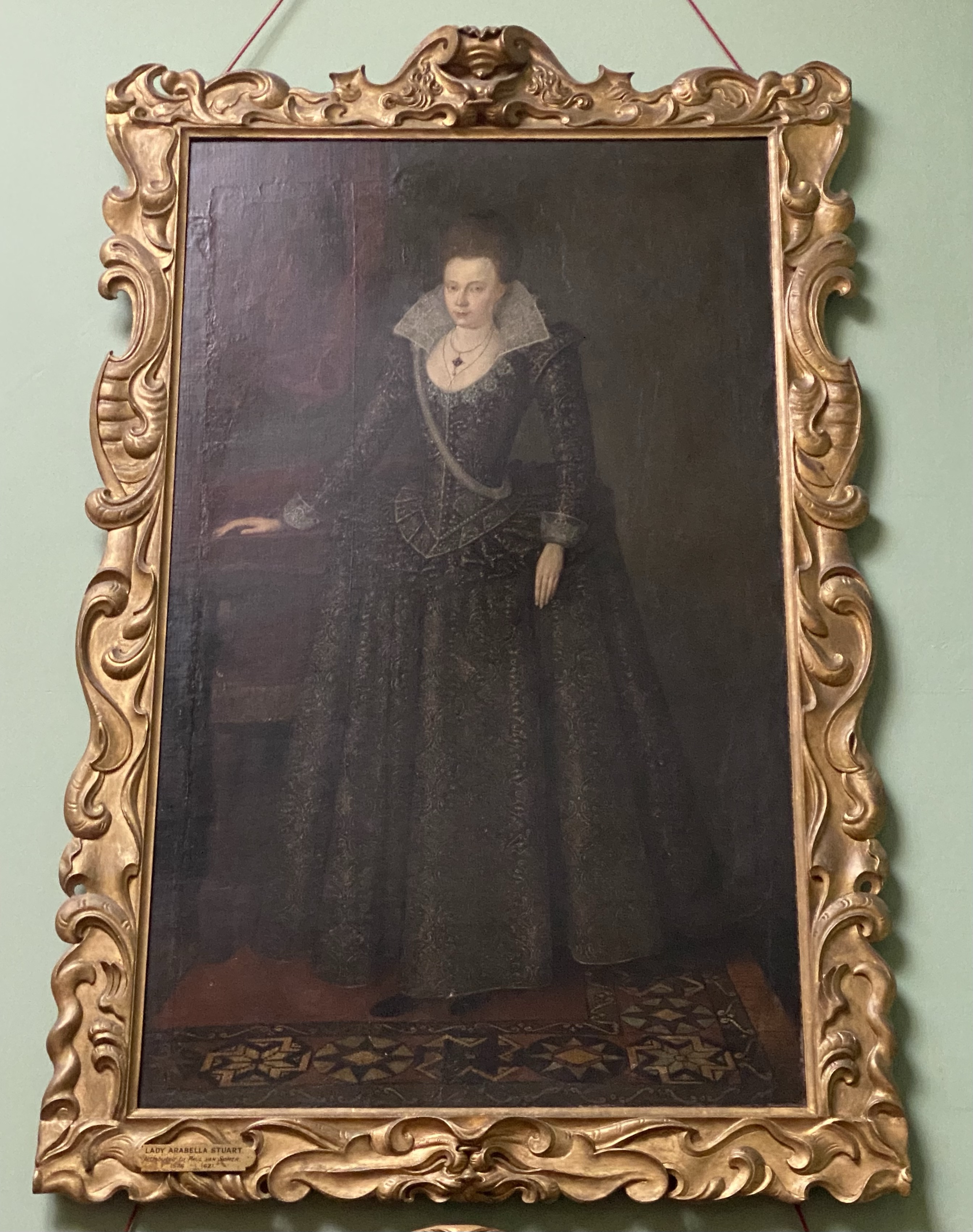
Sarah Gristwood one of the historians/authors on our tour wrote her first book on Arabella Stuart and one of her two known portraits is in this house. She told a story of going there for an event and talking to 7th Marquess (the hippy) about being excited to see the Arabella Stuart he replied he danced with her in the 60s. Being an artist you would have thought he had a better knowledge of the art he had is house but he did not. He didn’t go to his son’s wedding because his some took down some murals he had painted which were thought to distract from the collection displayed on the tours. (Look him up he looks like quite the character).

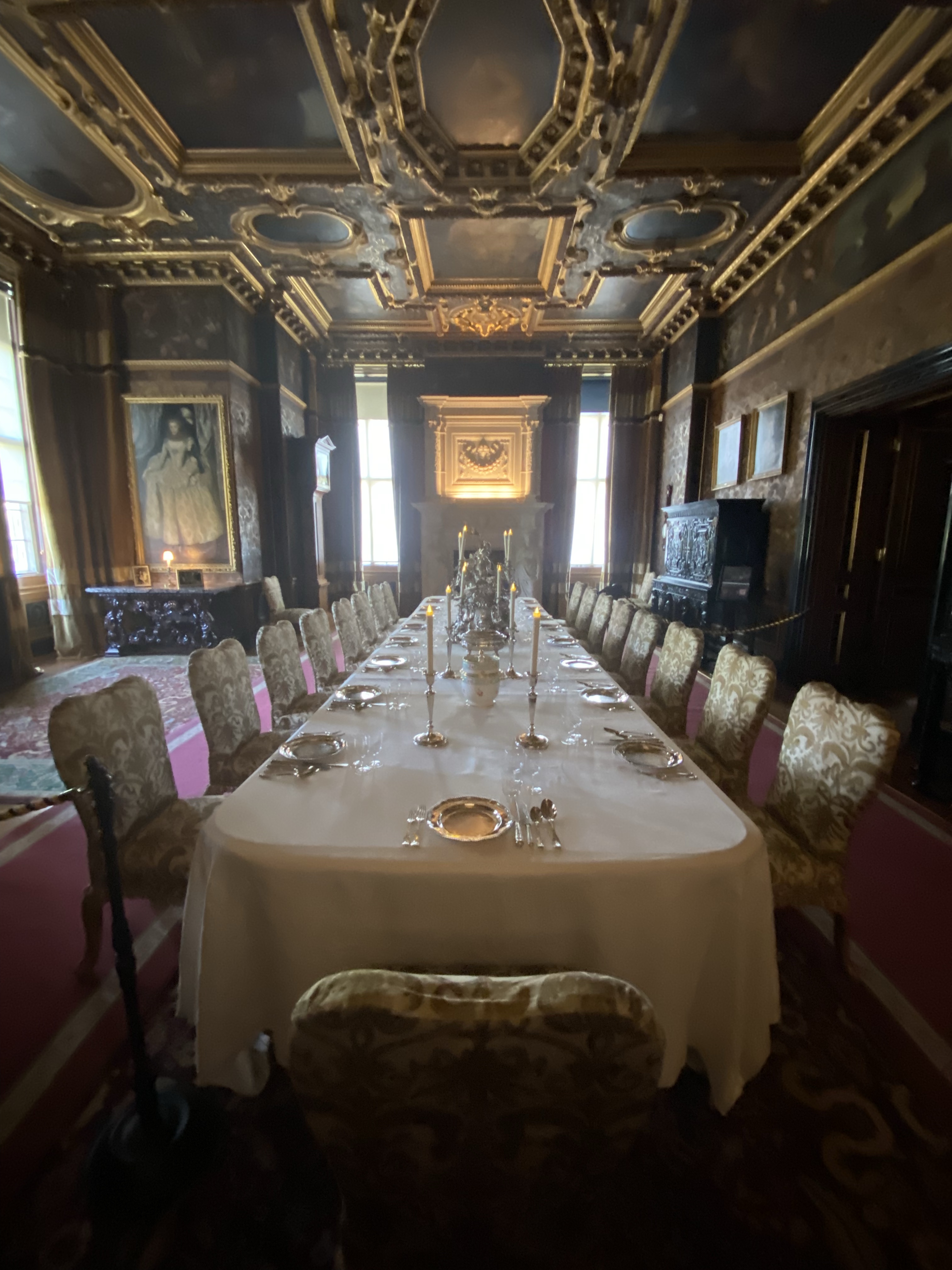
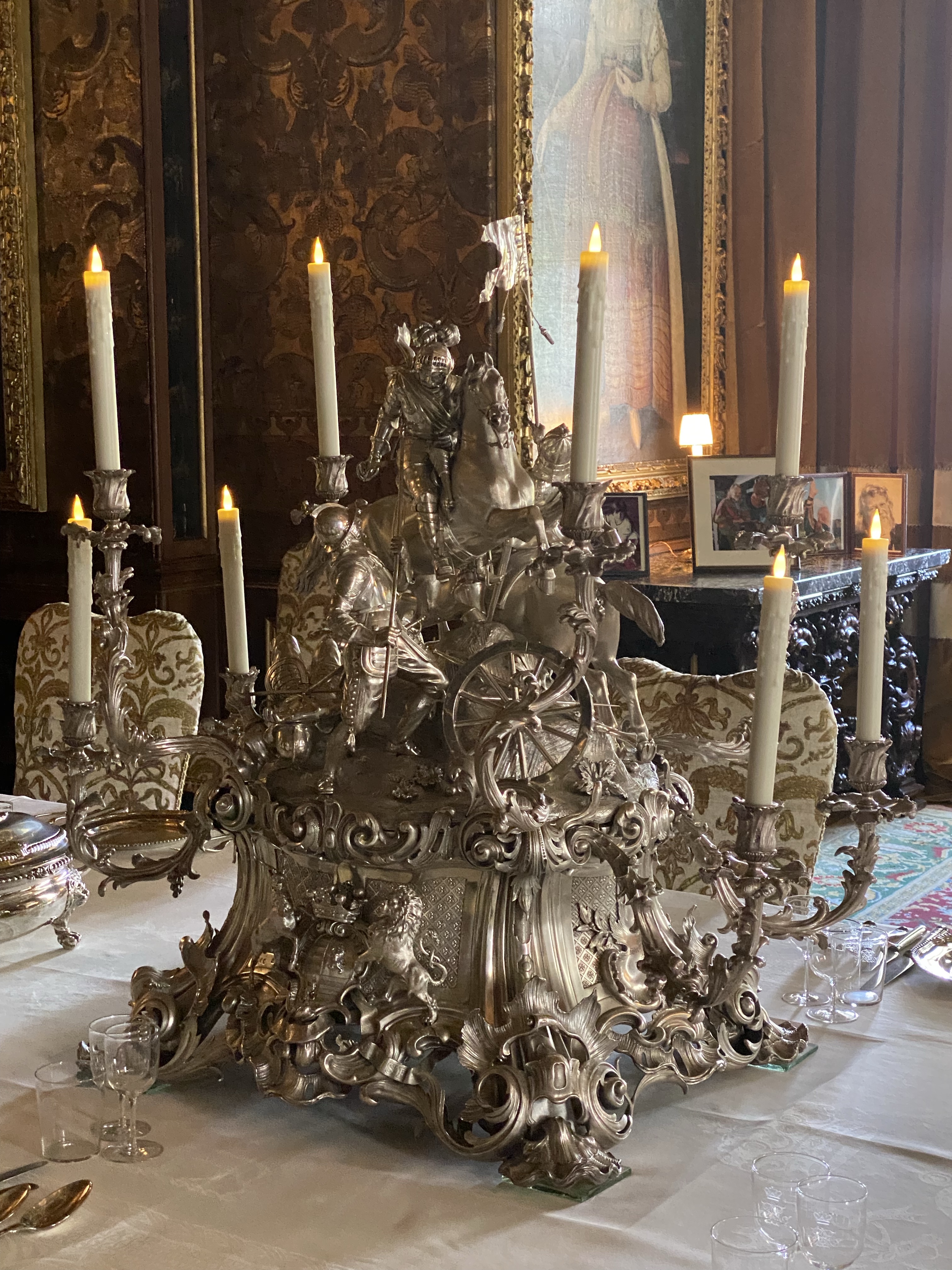
Queen Elizabeth II dined at the house so the table was set up for a formal gathering with the largest silver centerpiece I have ever seen. There were also multiple libraries and thousands of books. They have several books printed on the first printing press used in England so quite the outstanding collection.

Their prized procession is said to be the shirt Charles I wore when he was beheaded. The story goes that it was cold and he didn’t want people to mistake his shivers for fear so he asked to wear tow shirts. How one of them ended up at Longeat is likely a great story. What we go was one of Charles’ man servants who delivered it to someone connected to the house. They claim their is still blood stains but I really don’t see them.

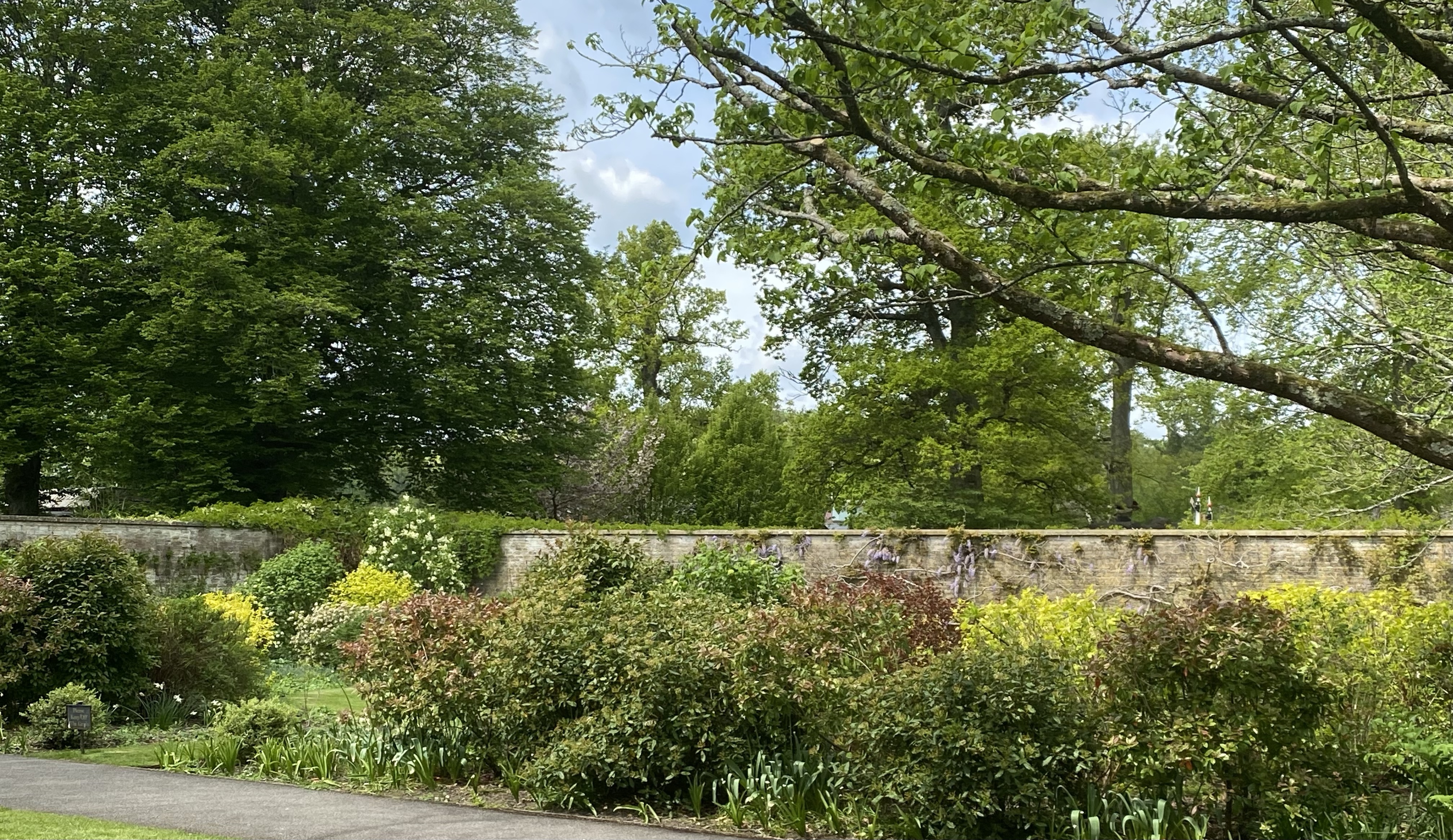
After the tour of the house we grabbed a quick lunch (chocolate ice cream) and wandered through the gardens. We are right between frowning seasons. The tulips have come and gone (all except the late bloomers) and the roses had not yet started. There were some well manicured lawns but nothing incredible.

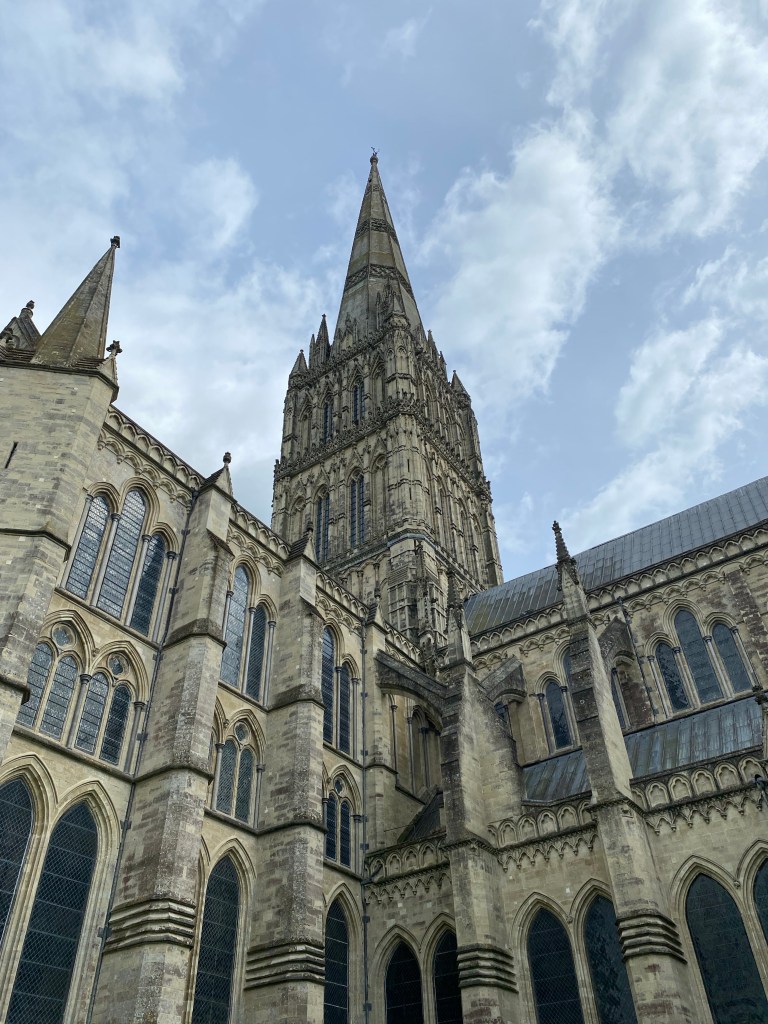
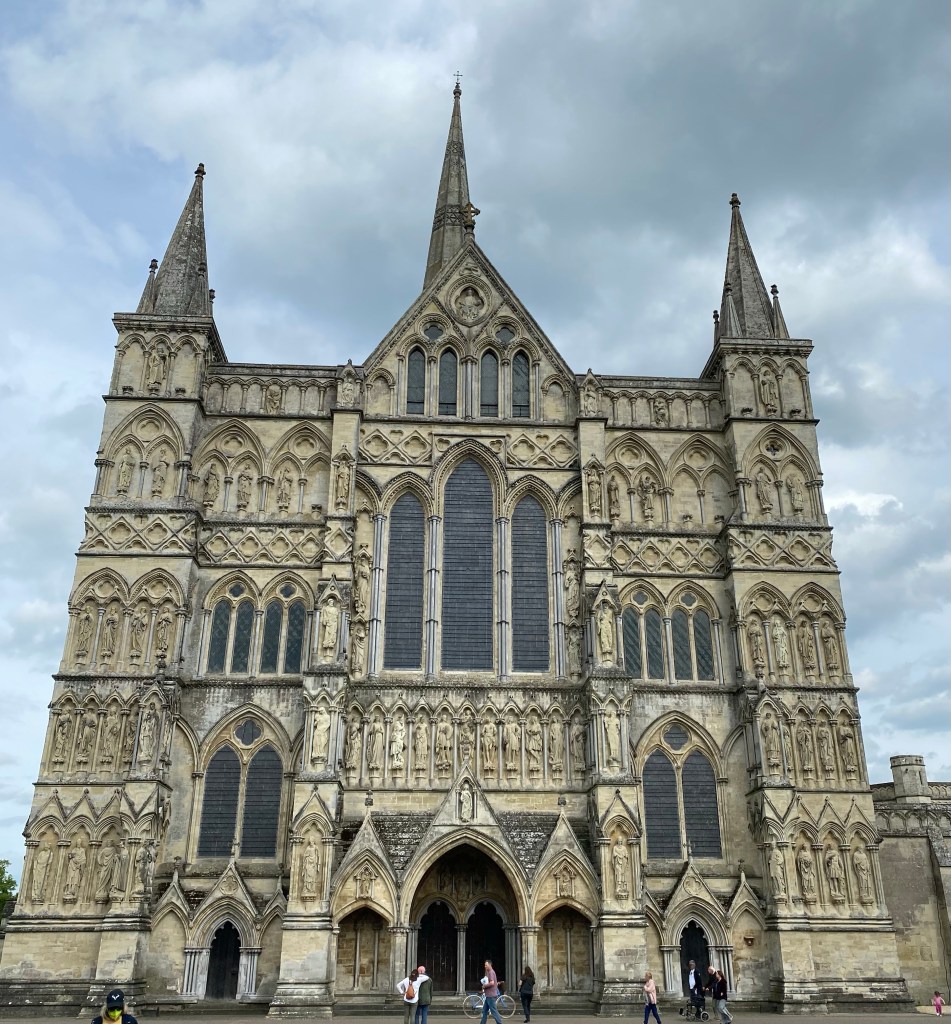
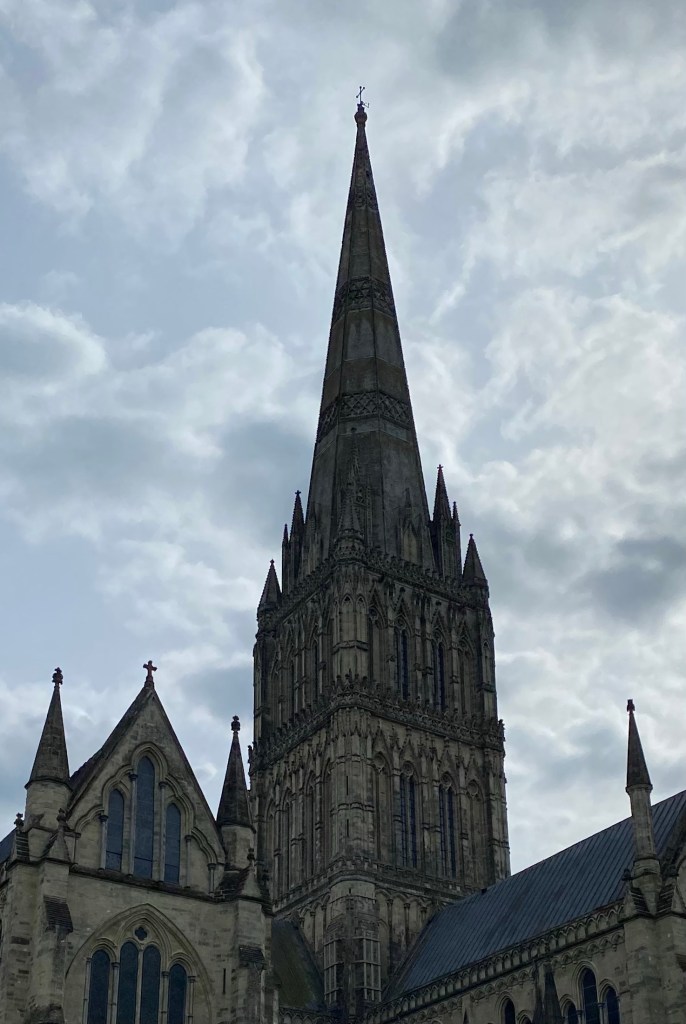
From Longleat we headed out to Salisbury Cathedral. We were a bit late and had to go through quickly but we caught al the highlights and everything with a Tudor connection.

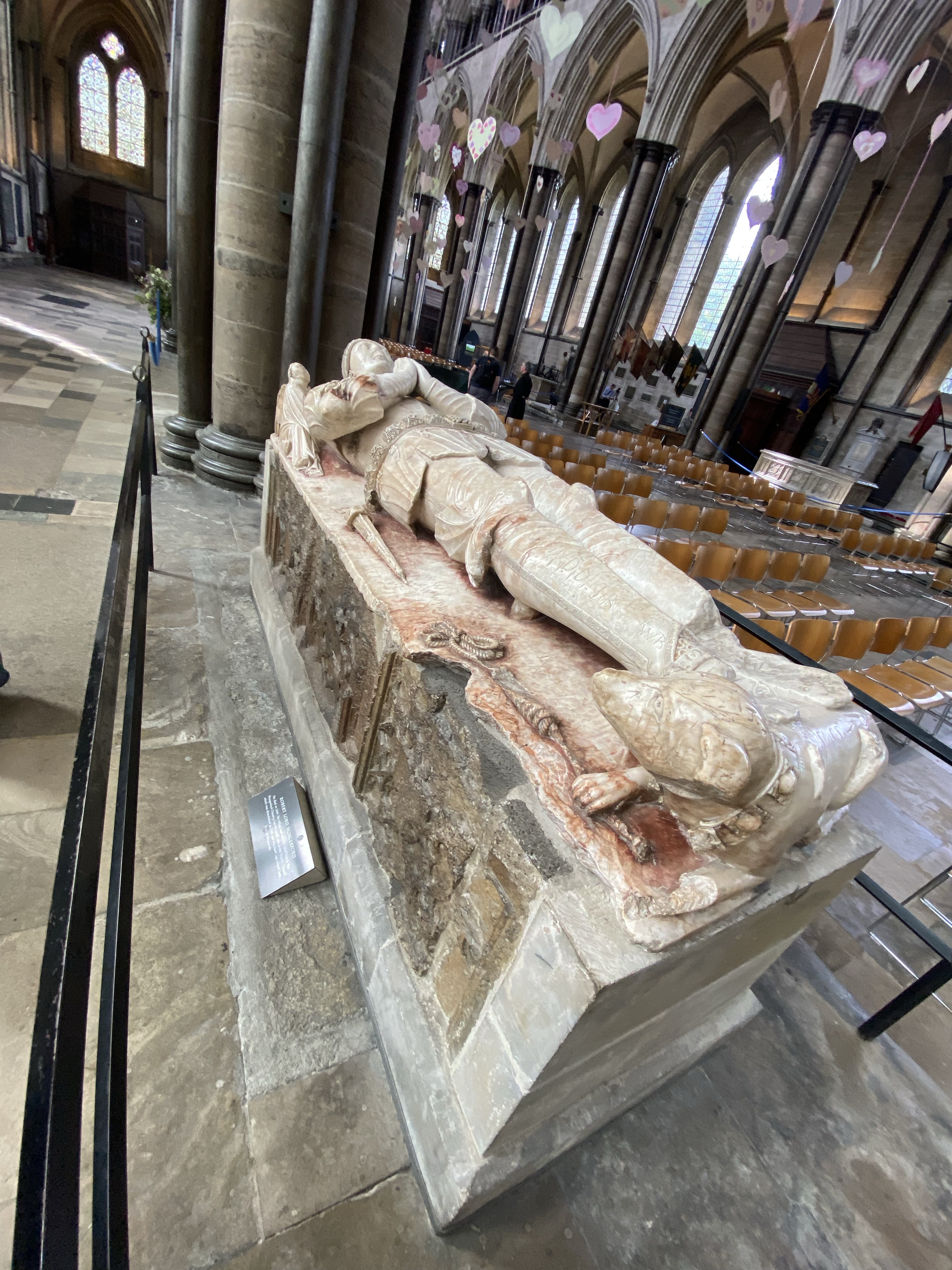
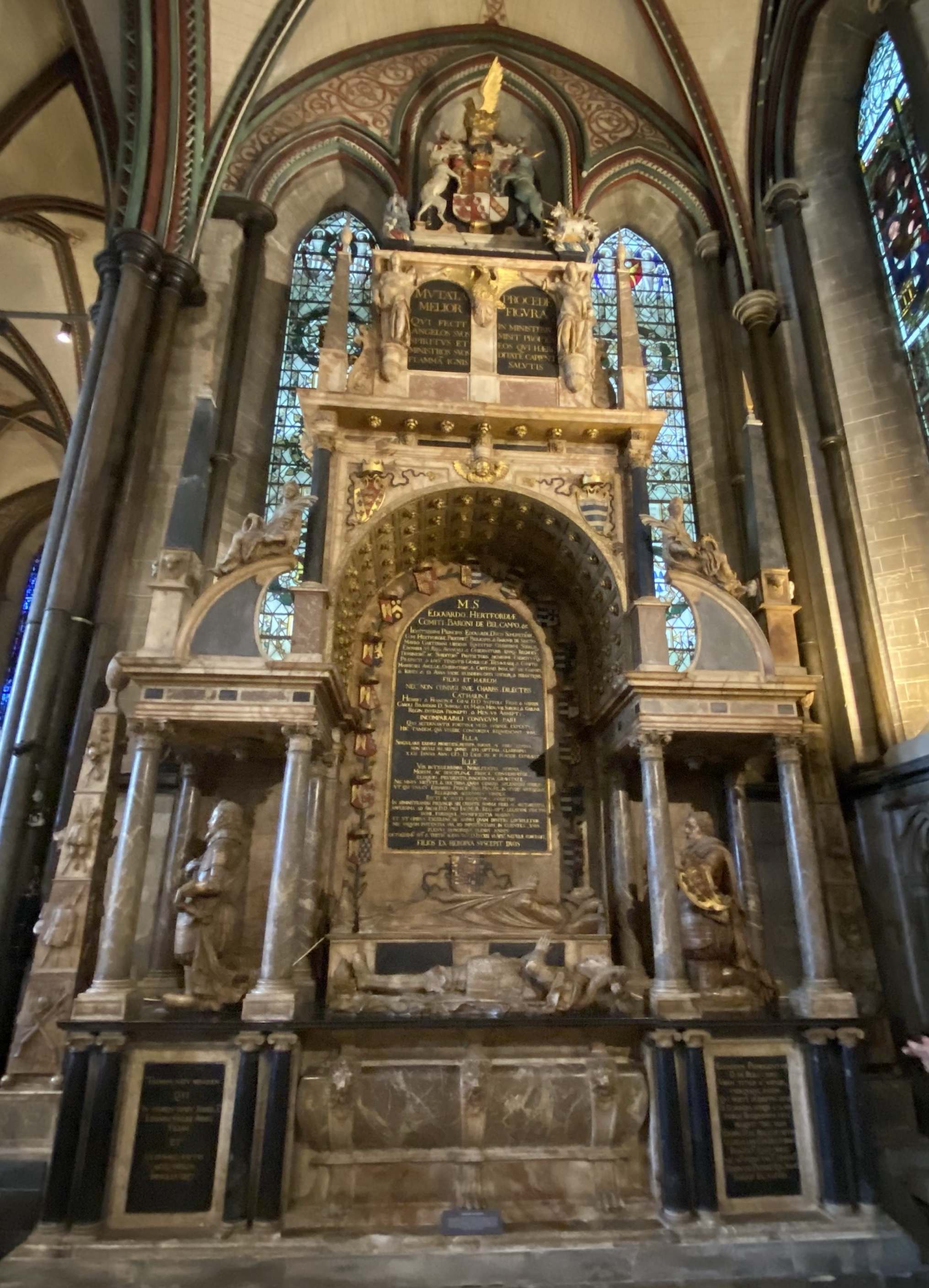
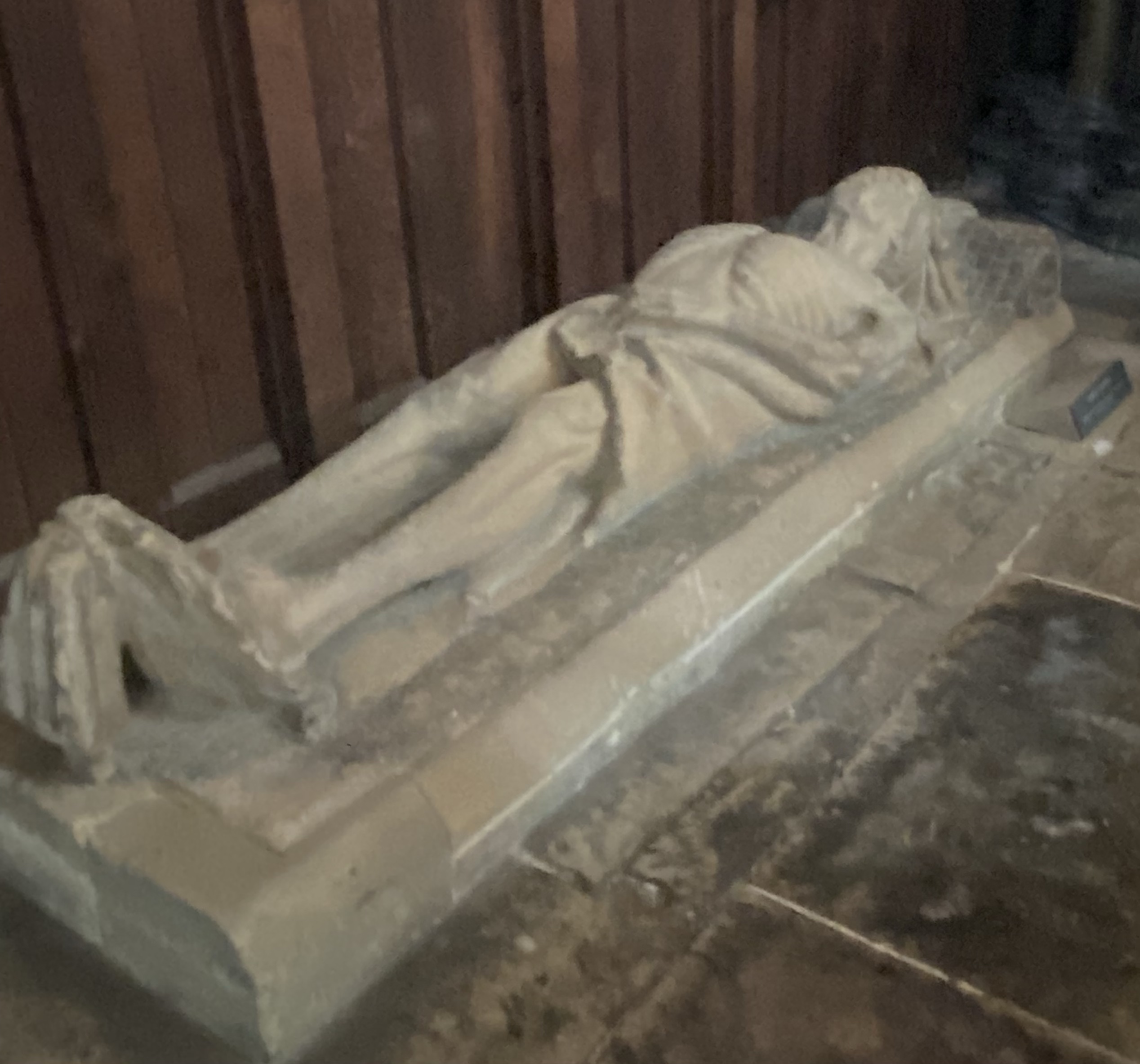
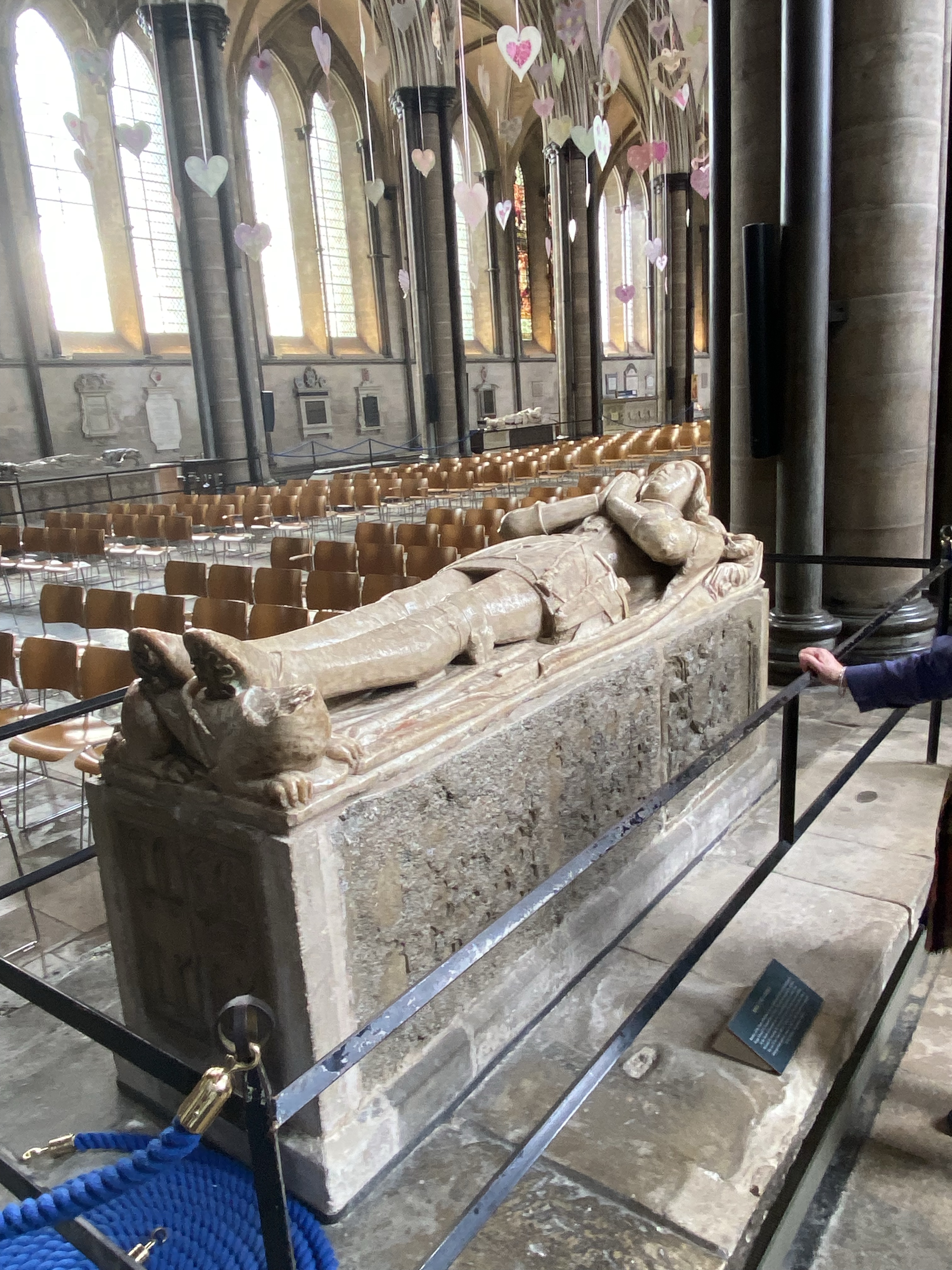
They had the elaborate tomb of Jane Grey’s sister Katherine and her husband another sad tale for the family and a few other Tudor tombs. Two of the tombs were done in the realistic corpse look. I not a big fan of that style. If you are going to go through all that trouble and expense and have an elaborate sculpture for your tomb why not make it beautiful or at least something people would want to see.

Salisbury Cathedral also is home to one of the four copies of the Magna Carta. They claim to have the best and I have to agree. It was clear and readable – if you could read Latin.

We didn’t see anything else in Salisbury (just the gift shop) before heading back to the hotel. Nicola talked about Kane Grey on the bus and a new historian came in to discuss Queen Mary and her relationship with her father. She argued that anyone who stood up to Henry VIII and Anne Bolyn for all the years she did was not the weak timid person she is often described as during her Queen years. A very interesting talk that has made me want to read more about Mary.

Dinner was at the hotel tonight nothing super fancy but nicer than last night.

Longleat

Day Three – Montacute House

Day three started with a short walk through Castle Combe (which is a small village not a castle) after breakfast. The village is quaint with just a few streets, the church and the old manor home which is our hotel. In other words you could walk end to end and all around in 15 minutes. There are some trails that take you out through the woods but I have yet to venture off on those. It was a little cool and cloudy this morning but no rain.

After our walk, Alison gave a talk about Anne Boleyn. She discussed that the six wives novels were based on the new information uncovered since her nonfiction book on the topic back in the 90s. She also attributed a relook of Anne to Sarah Gristwood’s “The Game of Queens” which argued that Anne had learned European views while at the French court. Those of in the book club will remember reading that book back in 2017 before my first Alison Weir tour. Anyway it was interesting to hear even someone as well versed in this topic continues to learn from others.

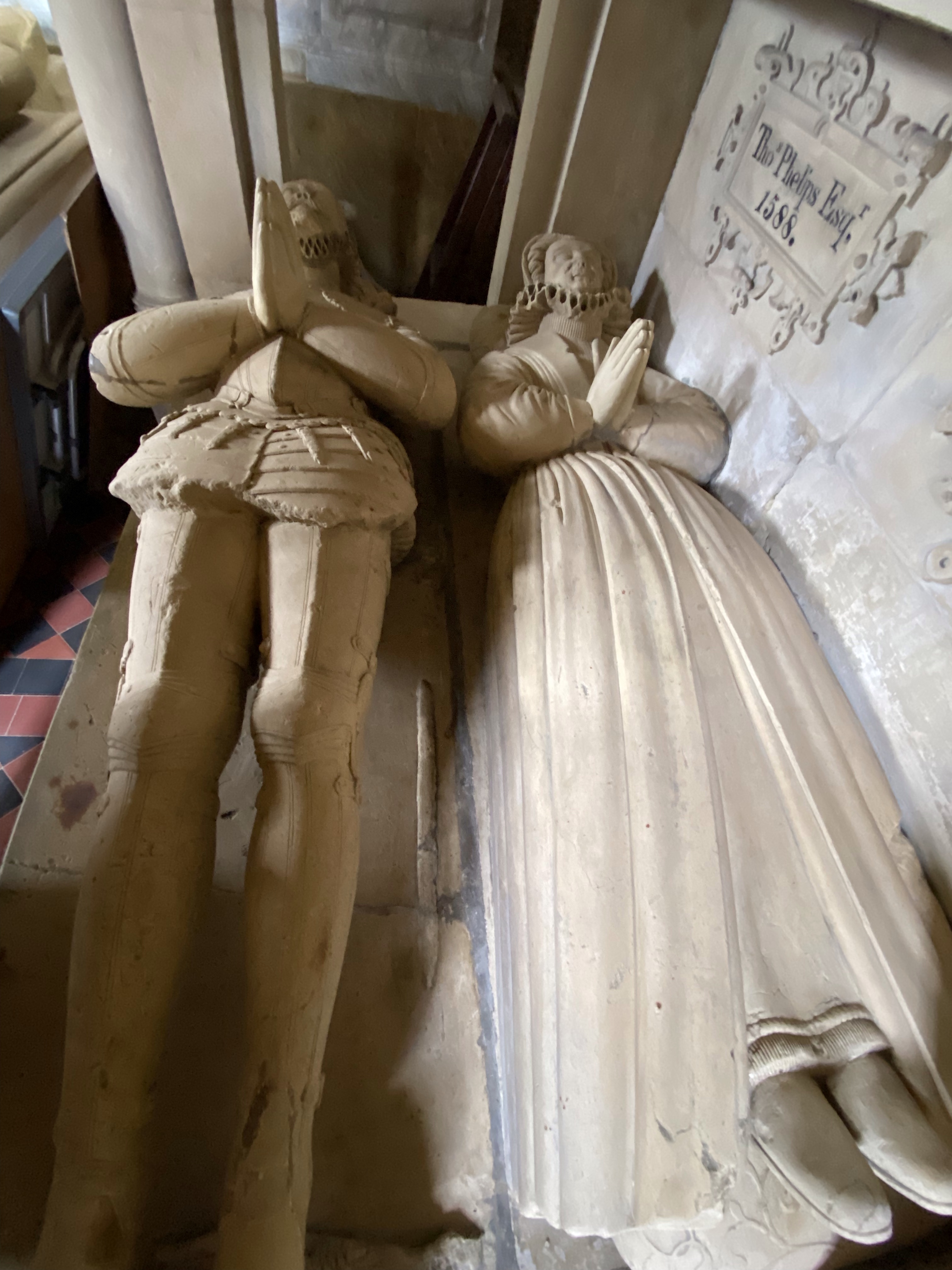
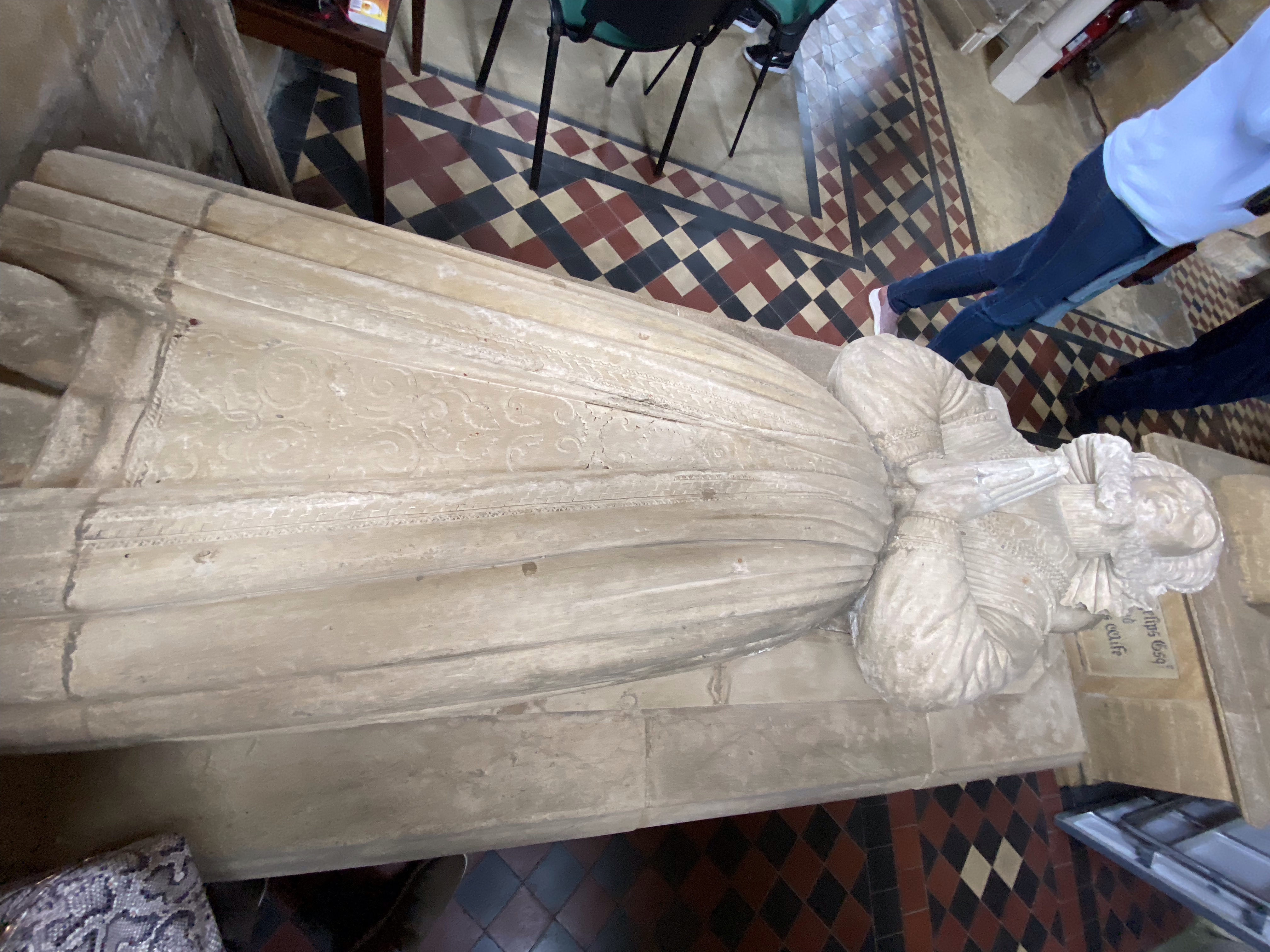
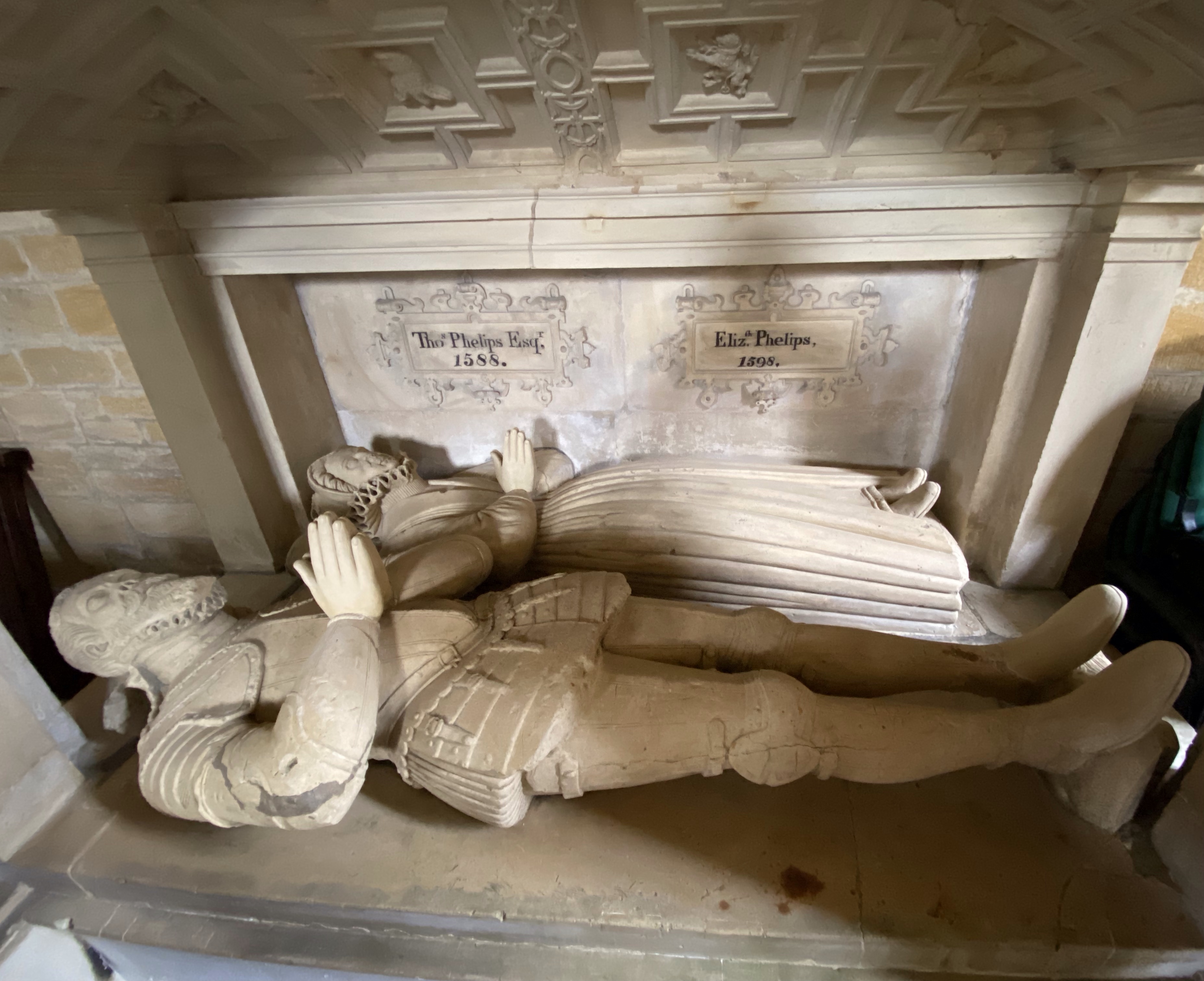
After the talk we headed off to Montacute. It is a “cute” little town but we didn’t see much of it. We had lunch at the King’s Arm Inn, an elaborate 3 course meal finished off by a dark chocolate brownie. Then it was off to the see Montacute House. We did stop in the church for a quick view of a few of the tombs of the prior home owners. The tombs showed the progression of carving skills or demonstrated that the later generation hired a better artist.

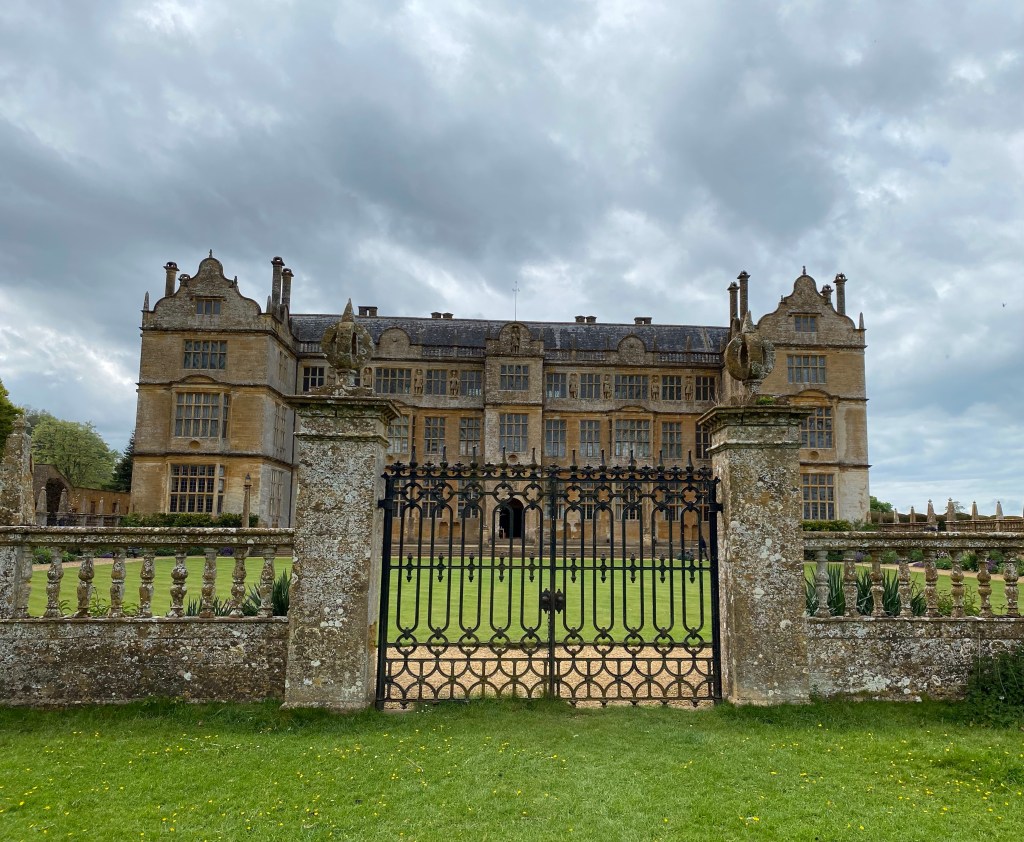
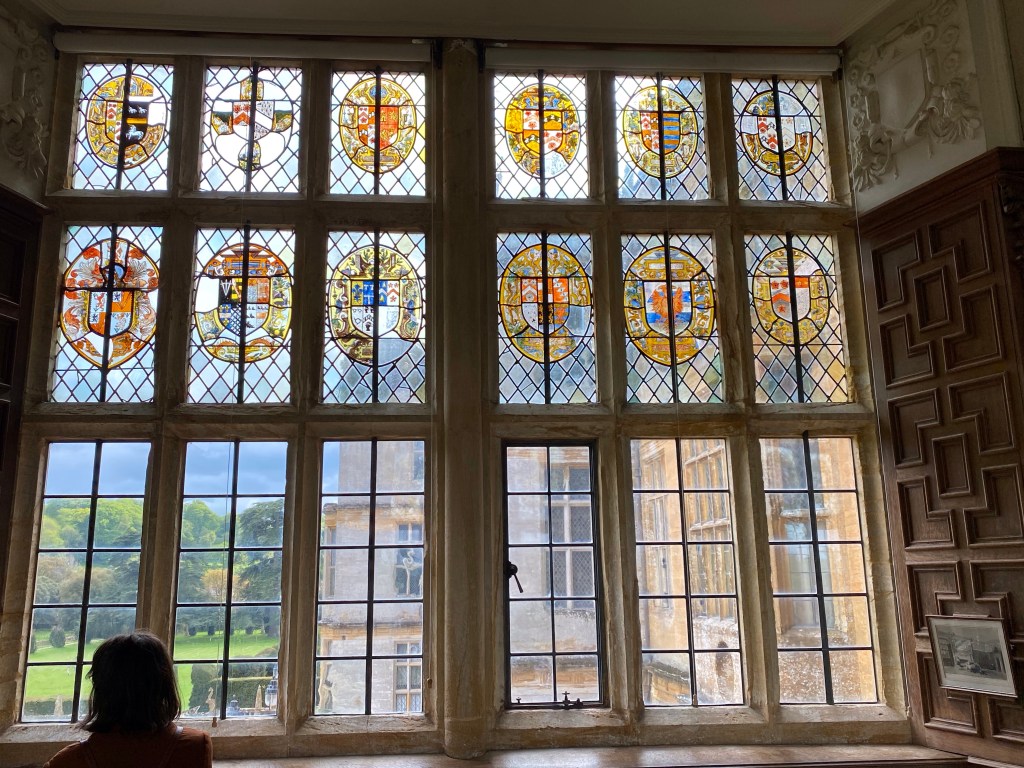
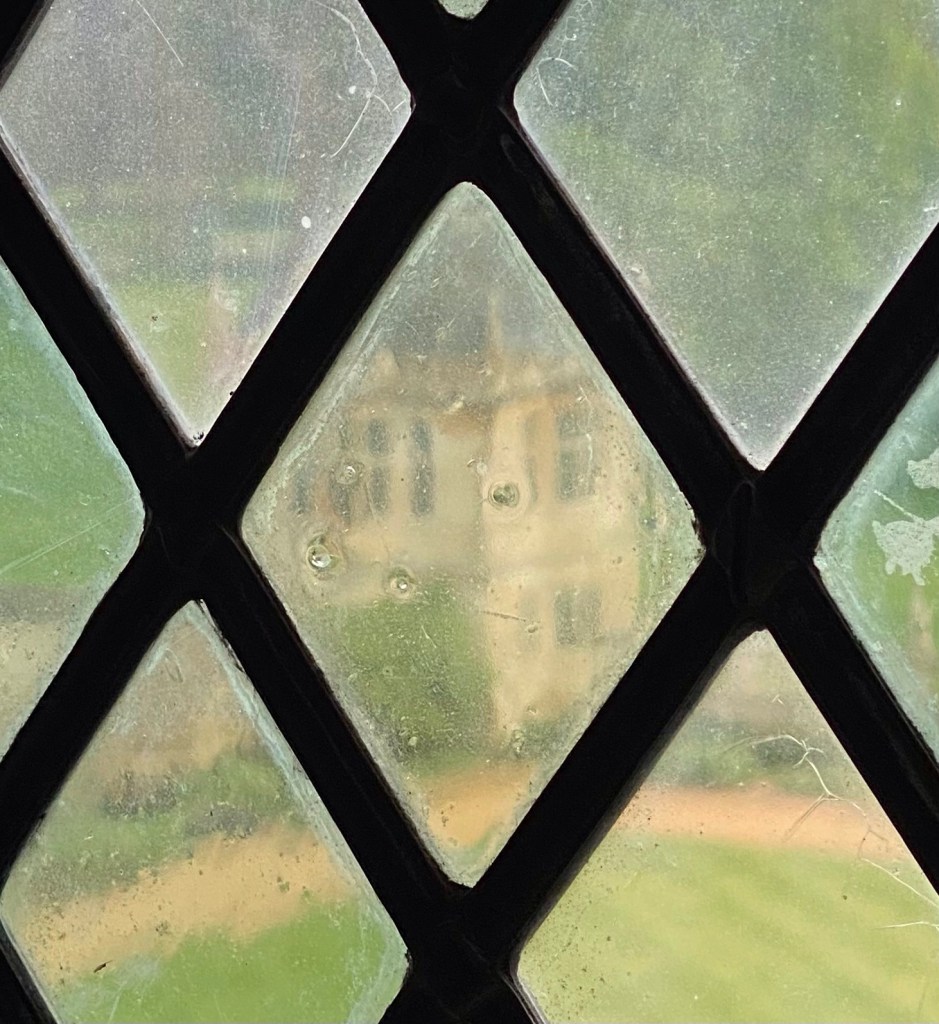
The House itself was quite grand. It was built at the end of the Tudor period from 1595-1601. It was never a fortified manor or castle just a great estate for a wealthy lawyer. It cost more to build in the 15th century then it cost to buy in the 1920s. Surprisingly a third of the exterior was glass. Small little diamond panes but huge glass windows on all floors. The house was built by Edward Philips who was a lawyer that helped in the prosecution of Guy Fawkes and was knighted for his service. To impress the nobles the house was built to impress with grand gardens and approaches. The tree lined grass approach to the house was used in PBS’ Wulfhall for the opening scene, interior was used for several other shots as well.

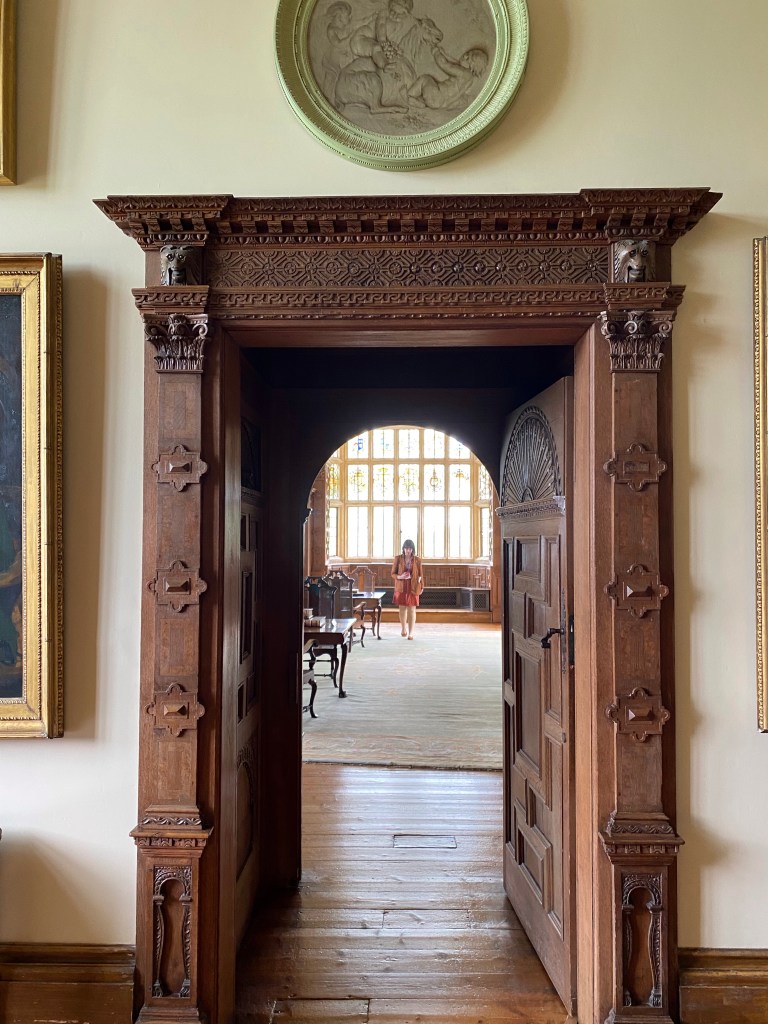
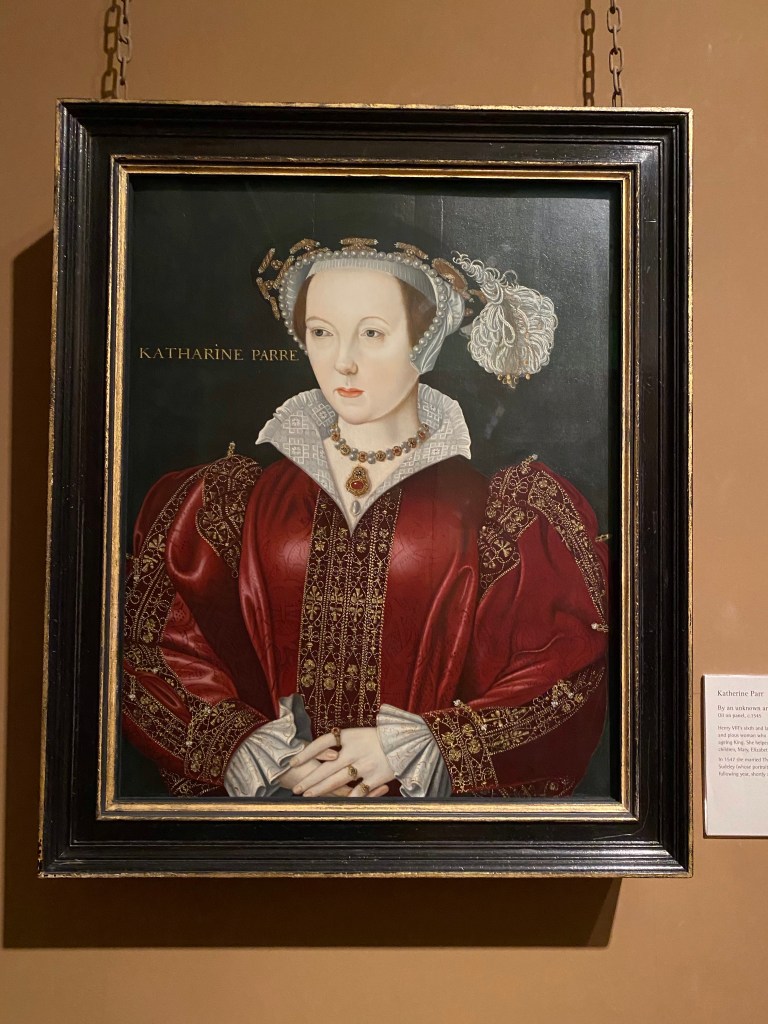
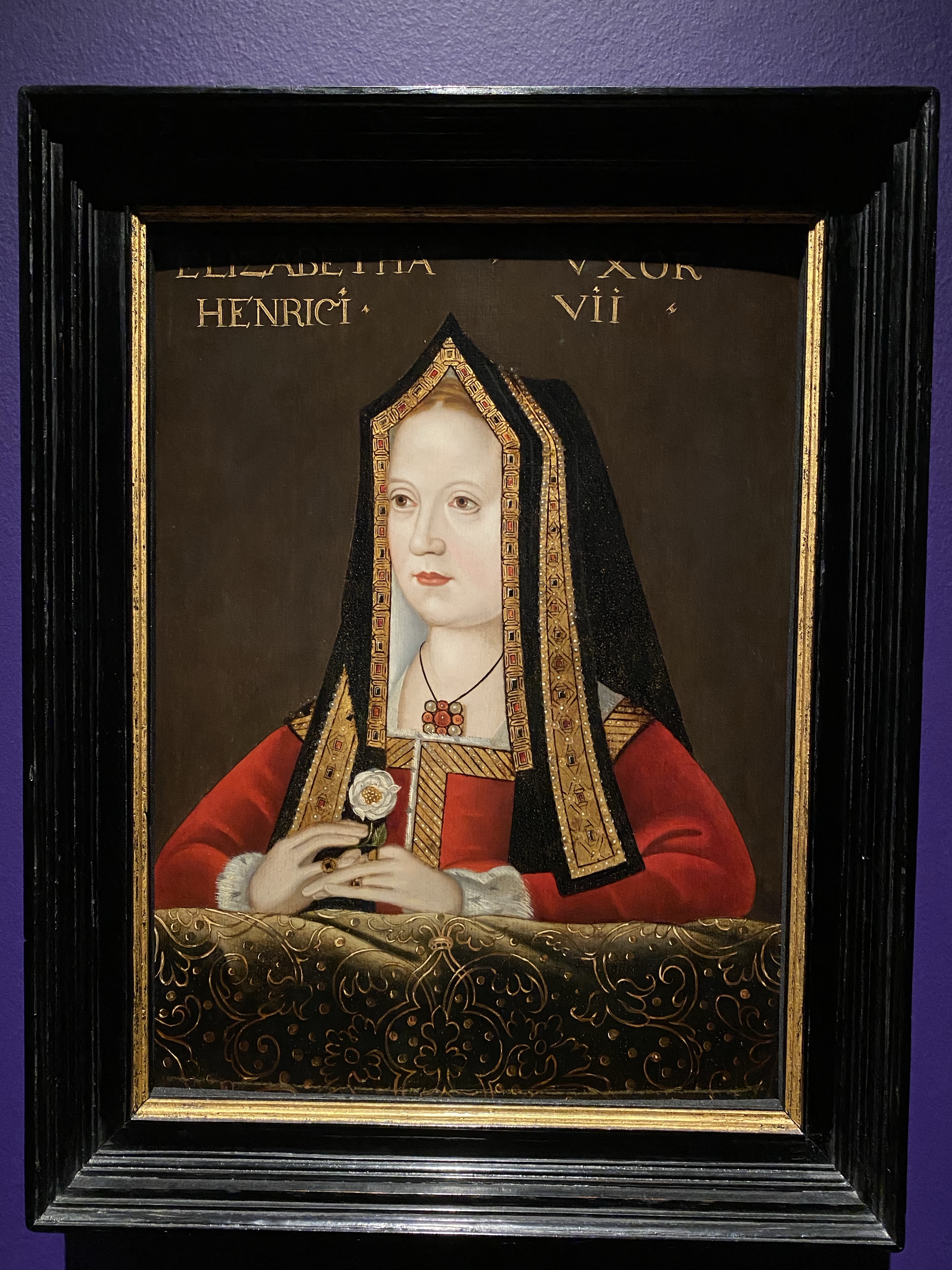
The long hall on the top floor (and I do mean long -52 meters long) house a gallery on loan from the National Portrait Gallery so we got to see some contemporary paintings of Henry, Elizabeth, Katherine Parr, Edward and James. There was also one stated to be formerly known as Mary Queen of Scott’s that Alison thought was more likely a younger Queen Elizabeth. She could identify the paintings and who they were by the clothing and style so it was nice to walk through with her and have her explain little details I would have never noticed.

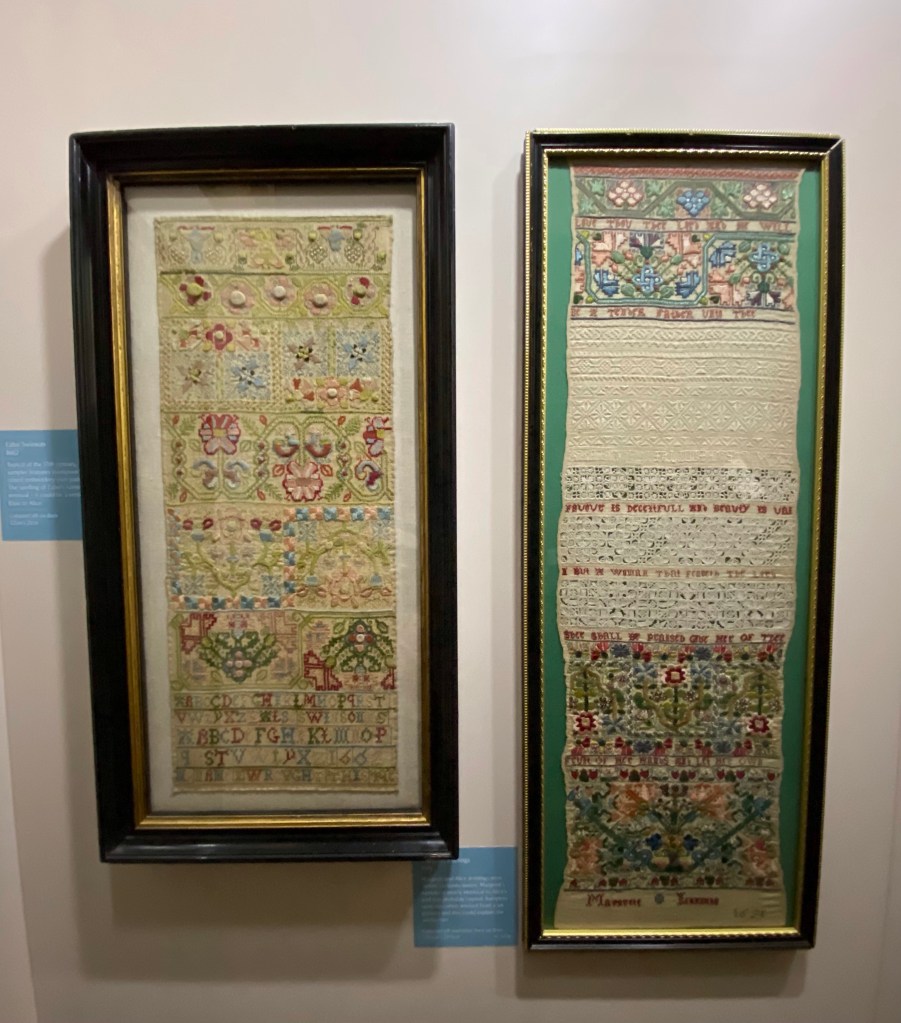
The rest of the house was nice and showed appropriate pieces from the period with a few special pieces under glass. They also had a Sampler collection that was quite impressive from the 1600s. I knew those were done in the last few centuries but had no idea they went back that far.

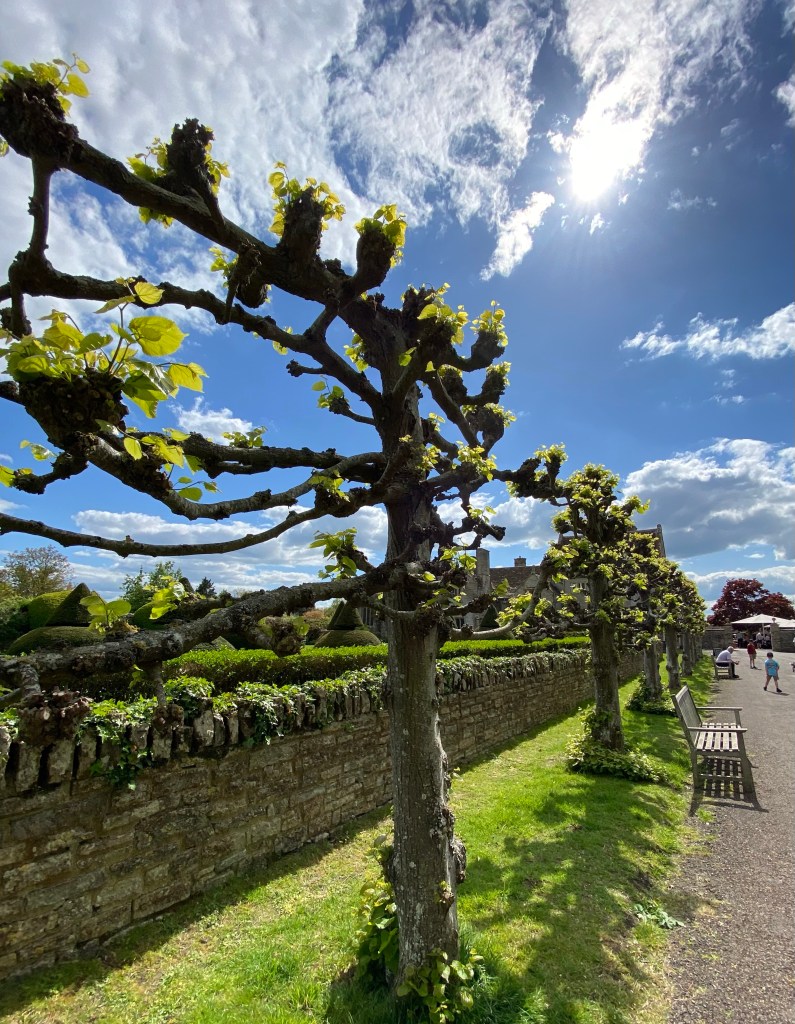
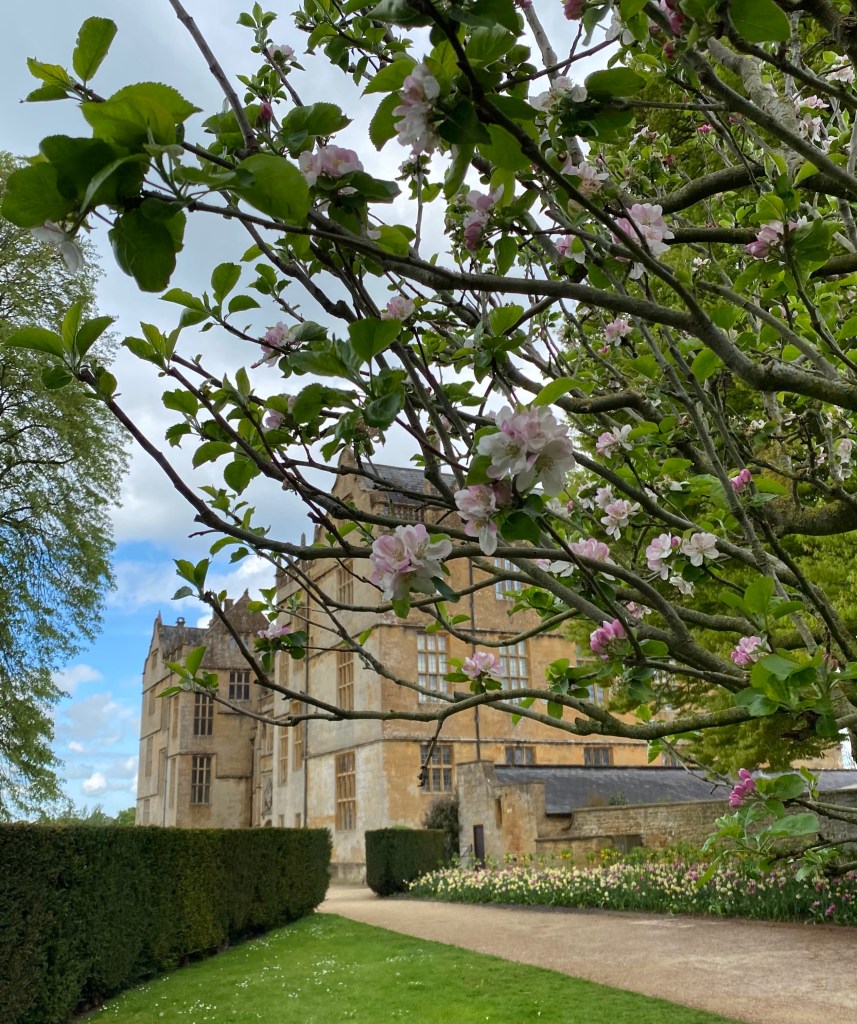
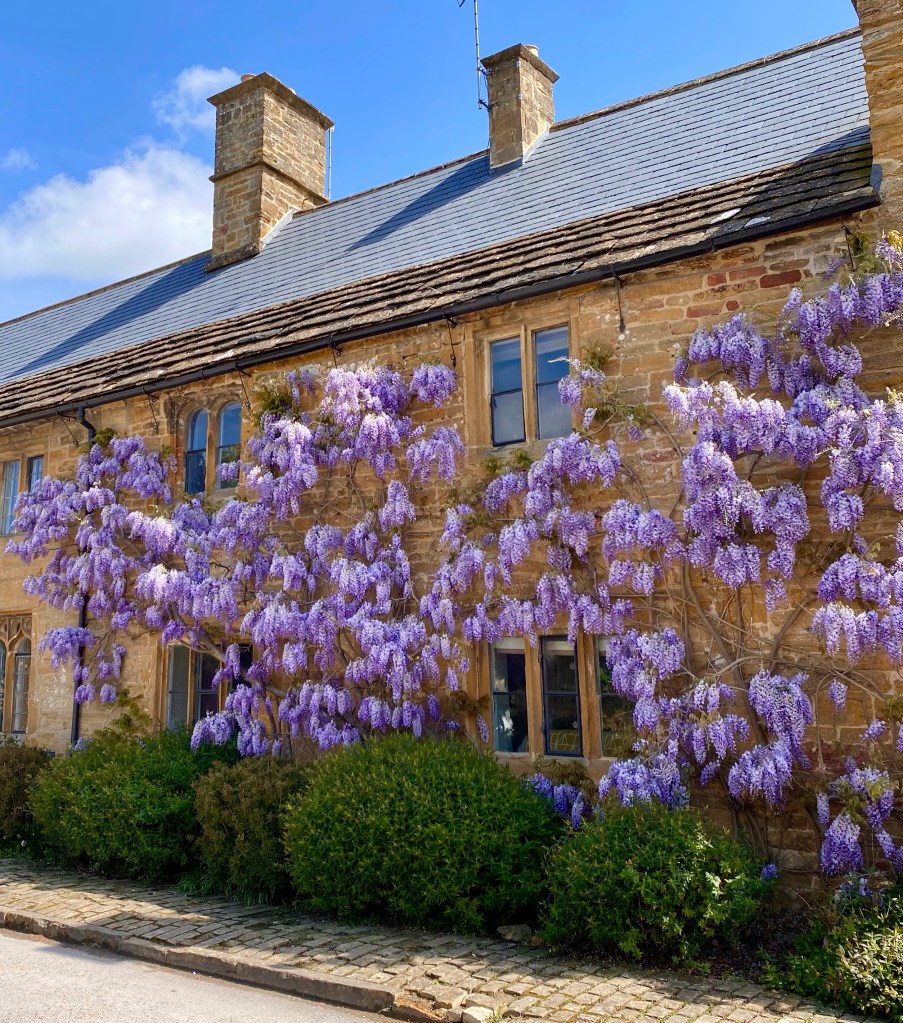
The grounds were extensive and formal. There were well manicured lawns and trimmed yew hedges. However there were also some hedges they called wiggly piggly and you will be able to pick that out in the photos. The wisteria was in bloom and everything smelled lovely. Overall a lovely day.

Montacute House
15th Century Samplers
Looking out at gate house
Fragment of a large 1480 tapestry. Actually quite a large piece covered most of one wall but was only 5% of the total piece.
Drive used in Wulfhall
Main gate house
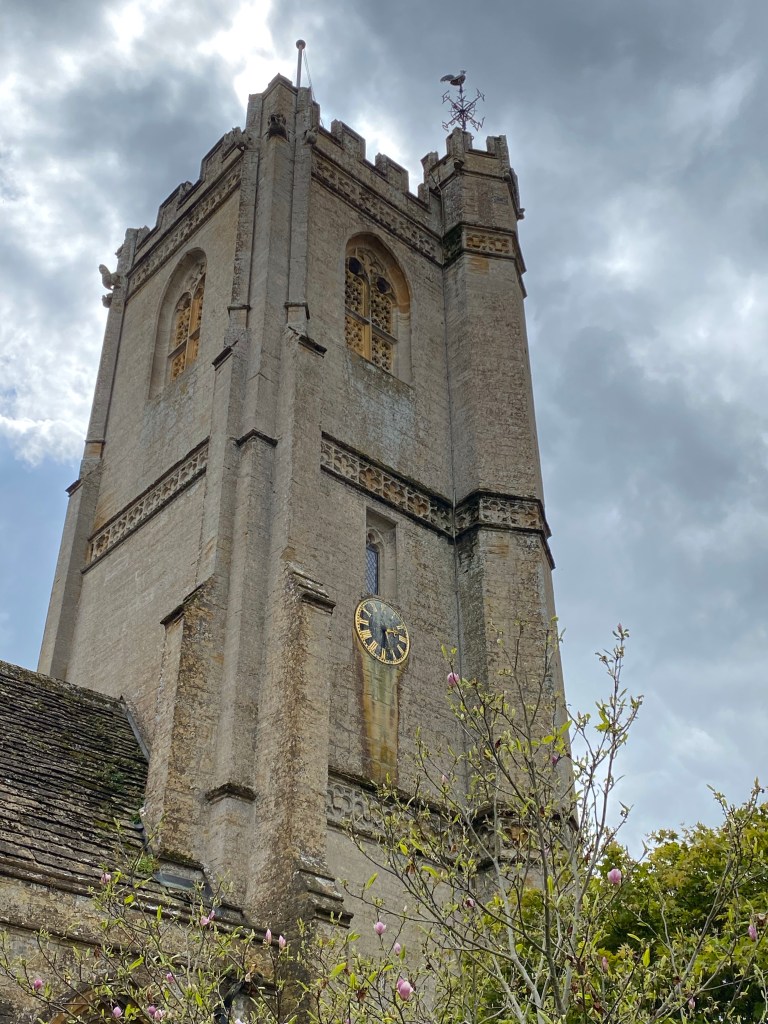
Montacute church
Church
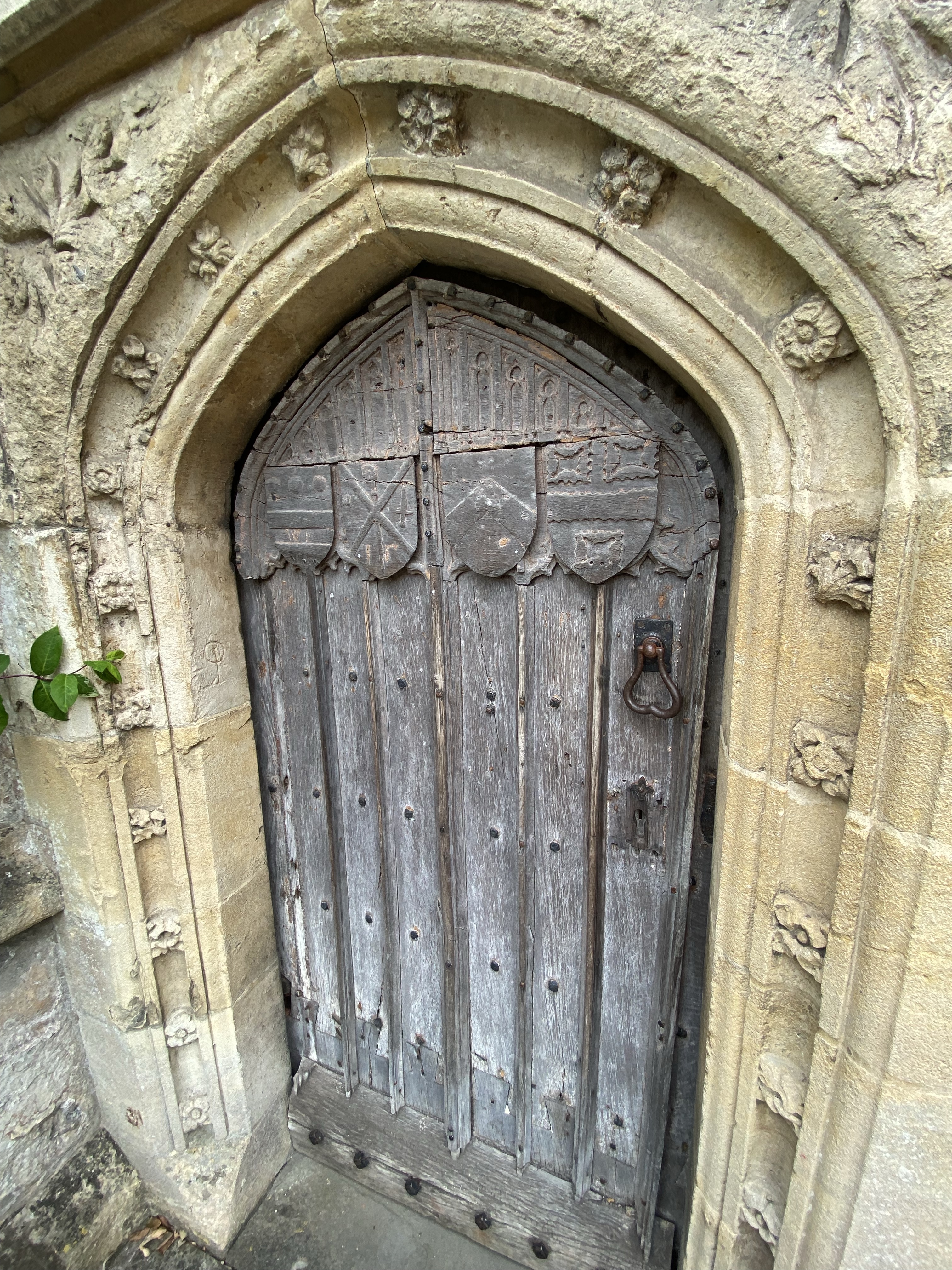
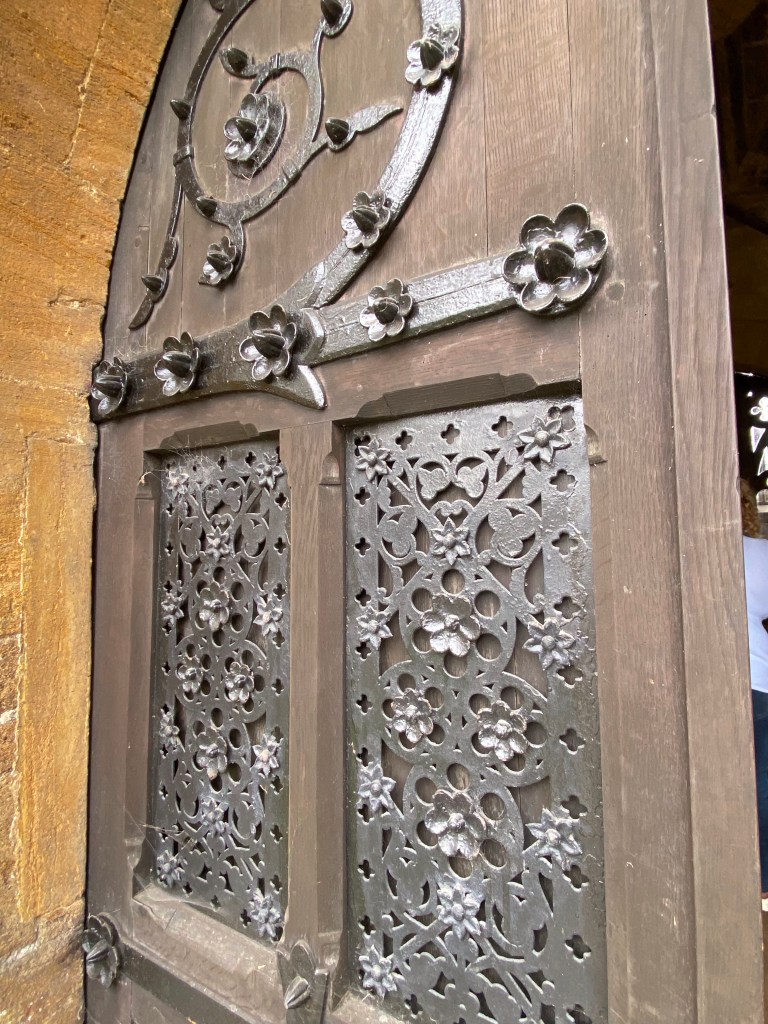
Door to the church

Wulfhall Tour Day Two – A Return To Medevial England and Dinner with Anne and Henry

After a leisurely morning with a talk from Nicola Tallis about Tudor jewels we headed off to Lacock. A lovely village that time seemed to pass by. It has been used for scenes in several movies including Harry Potter and Sense and Sensibility.

Nicola’s talk on Tudor jewels made me realize how paltry my own jewel collection is. Henry’s wives both inherited and commissioned more jewels than are imaginable in our more frugal times. I have to say I was quite surprised to learn that the Queens wore their predecessors jewels or had them remade into something in their own tastes. There were good inventories for the last 3 and there were a lot of repeat items. You would think a women would hesitate just a bit to wear a necklace whose last owner lost her head but I guess not. A fascinating talk and I am looking forward to the book.

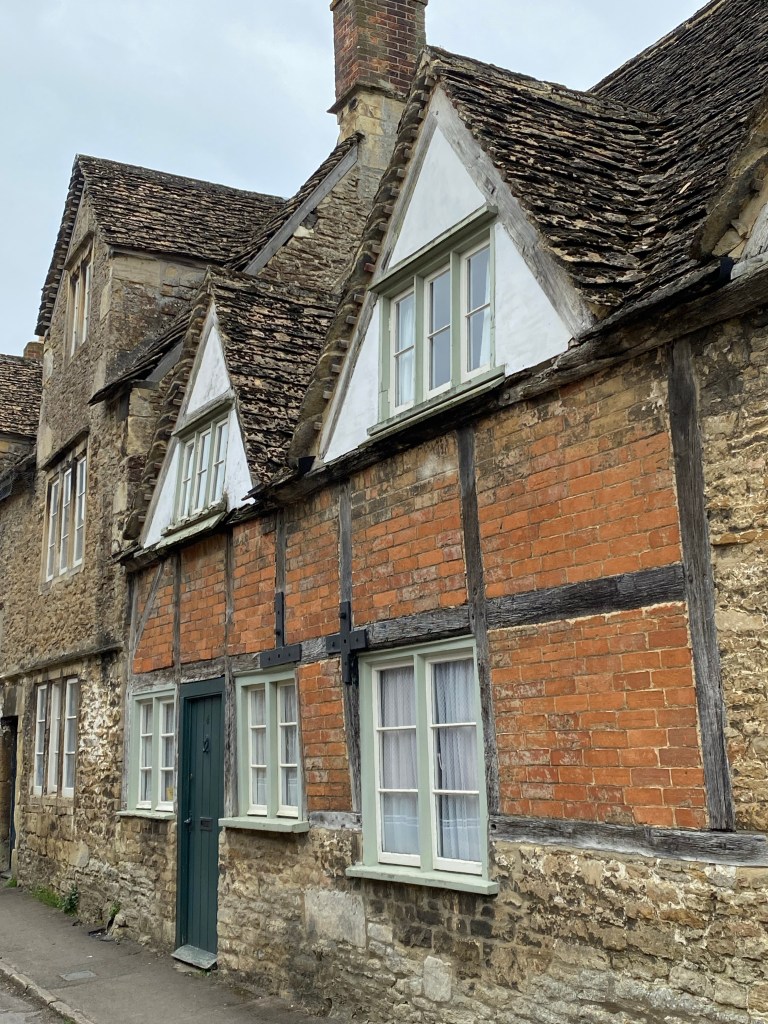
After the talk we headed out to Lacock. A small village that seems to be stuck in the medieval time period. Because the train didn’t come through it, they said that it was not modernized in the Victorian times and then to stop modern development the National Trust bought it. The village is postcard perfect and perfect for a lazy stroll.

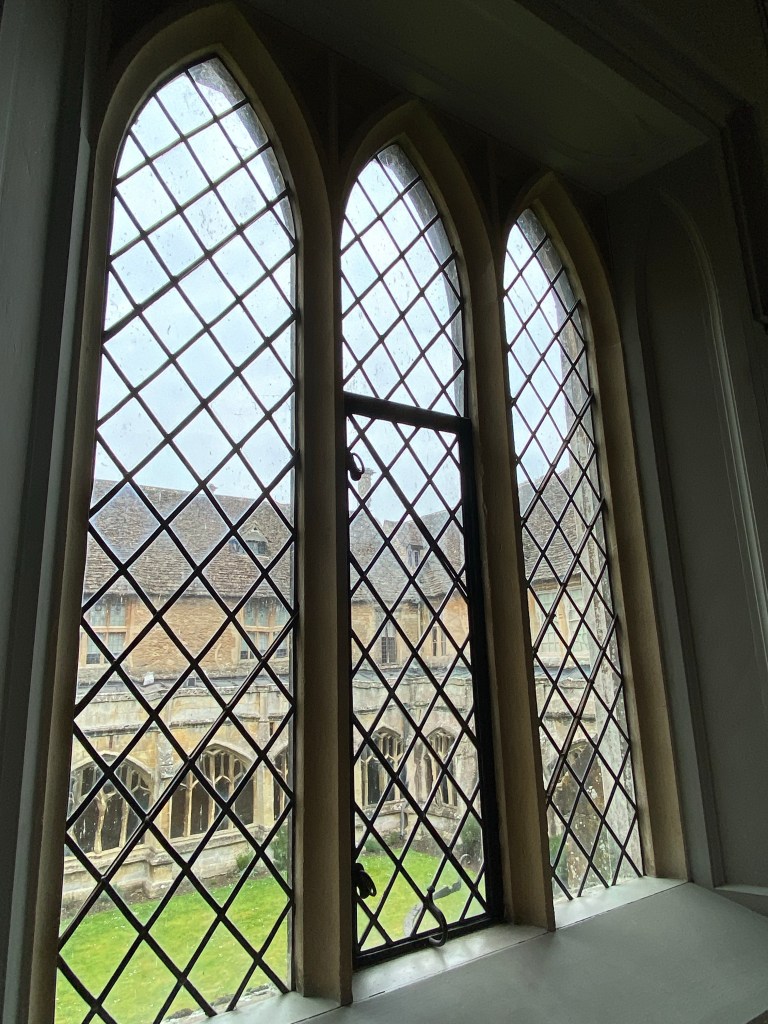
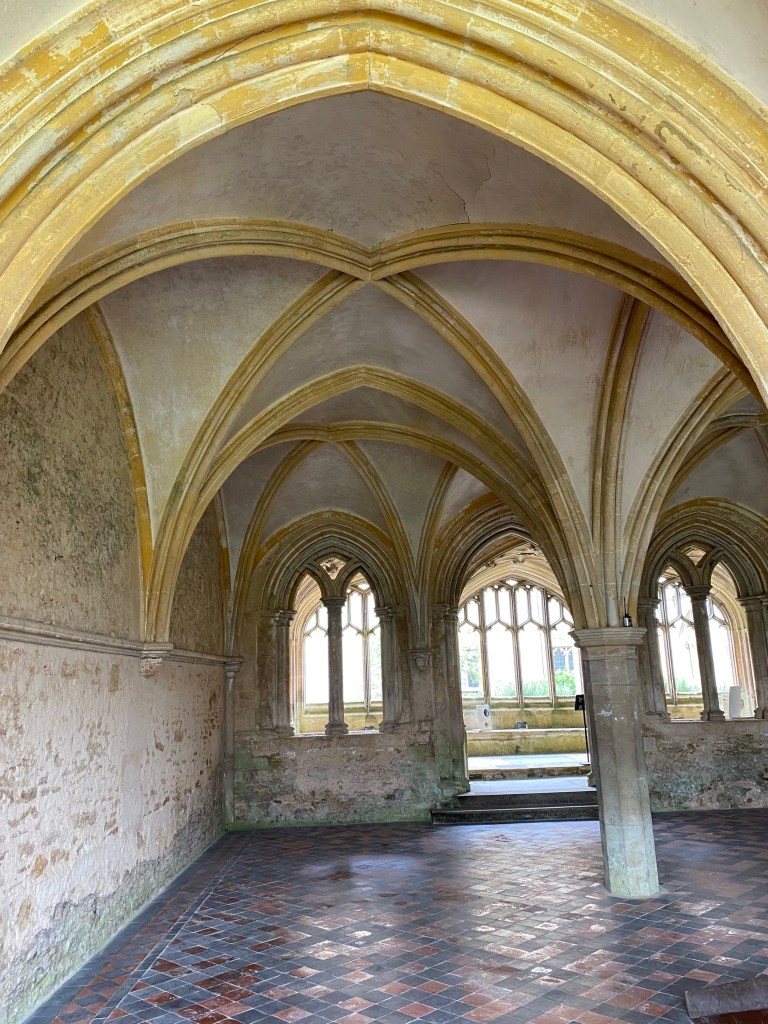
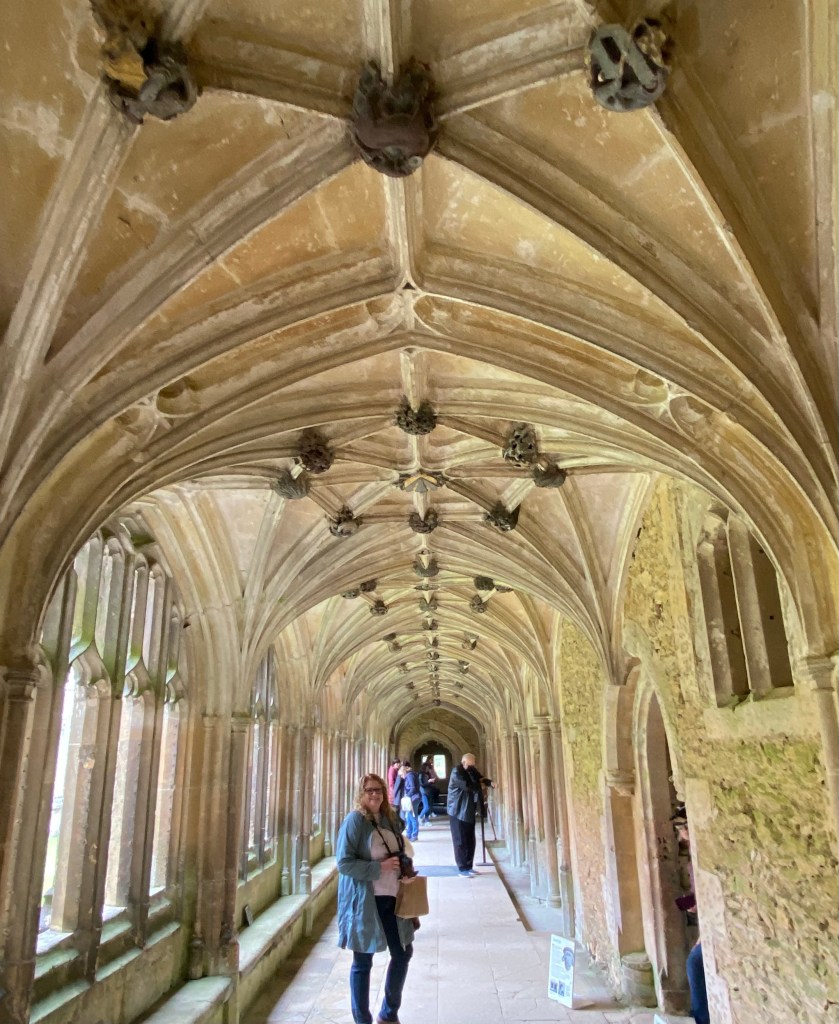
We all met up to go through the Lacock Abbey together. It once housed a order of nuns before Henry VIII got his hands in it and gave it to a noble family. The new owner quickly updated the top floor into useable space for his “modern family”. The Abby has been used for a house ever since. Because he built his house on the upper levels the cloisters were never remodeled so still remain in their full medieval glory. It is the Abby cloisters that are used for Hogwarts hallways and classrooms in the original two movies.

After a nice day in Lacock we returned to the hotel to get ready for dinner. Tonight’s dinner was at Barkley Castle.

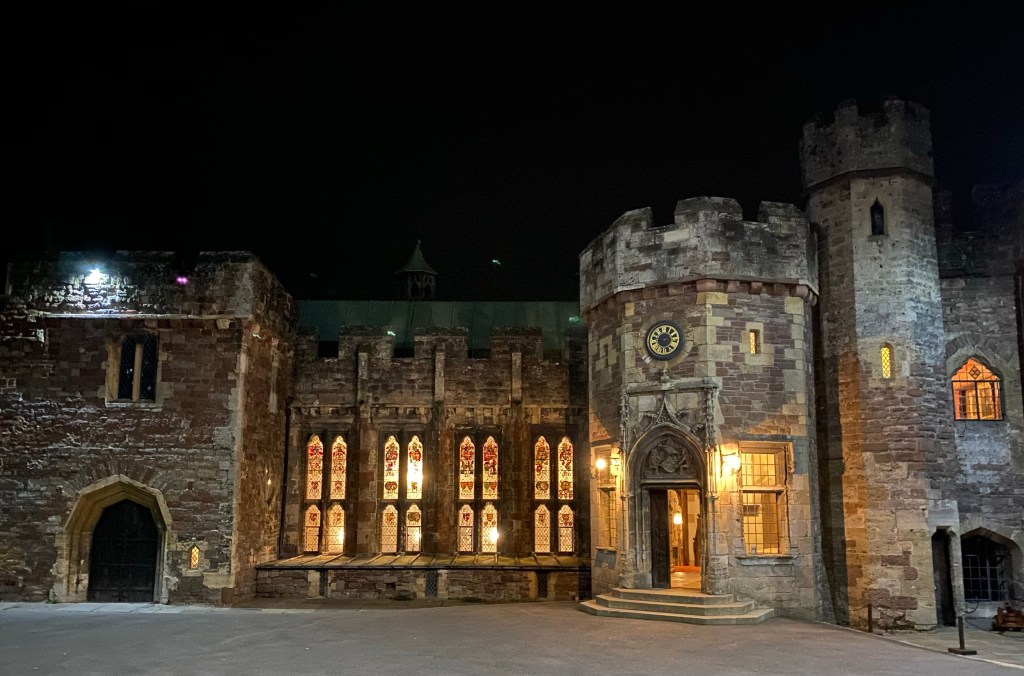
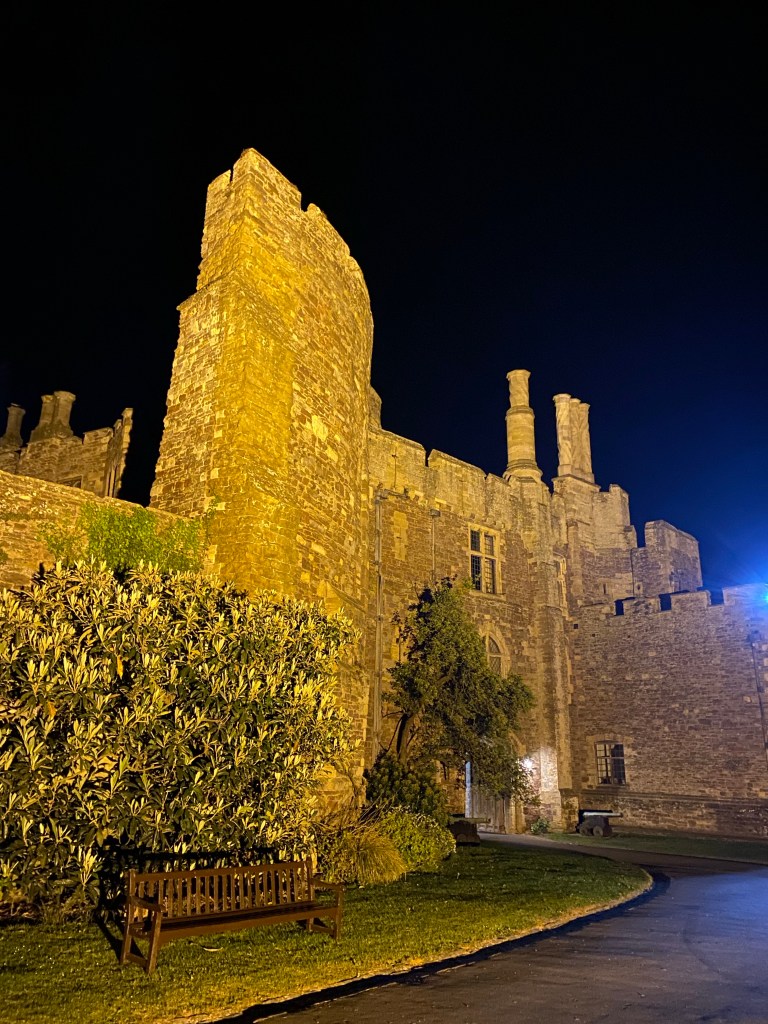
Barkley Castle has been the home for the Barkley family home for 800 years. The only family that can trace father to son since Saxon time. Archives date back to 1154 and are still housed in the castle. In 1215 the castle was the final meeting spot where the barons rallied before taking on King John. It was this confrontation that resulted in the signing of the Magna Carta.

Barkley’s claim to fame is as the final prison of a Edward II. Deposed in 1387 by his wife and her lover and forced to abdicate the thrown to his 14 yoa son. Isabella and Mortimer ruled as regents. After two escape attempts (one that succeeded for a few weeks) Edward was murdered. They are not sure how he died either a hot poker up his bowels, smothered by cushions or possibly the noxious air of rotting animal carcasses in the adjoining pit. Regardless of how he died or by whose orders it makes a good story for the castle tour (especially at night).

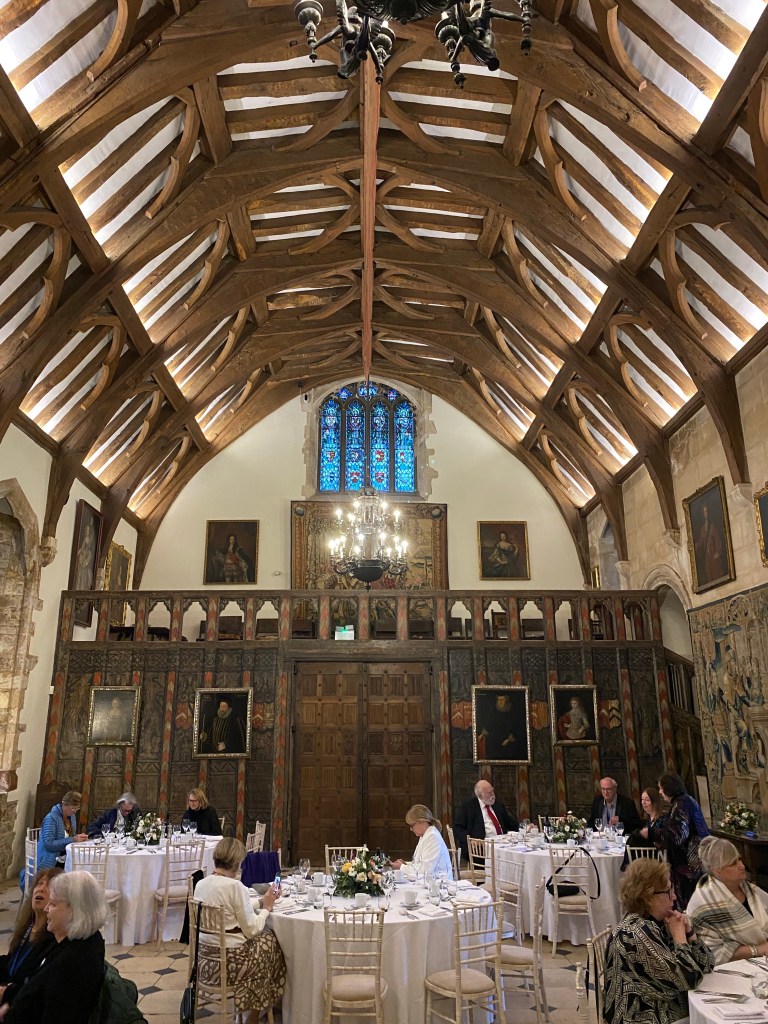
The castle still has the look of a castle outside but inside it is more early 1900 home. Most rooms have been turned into some type of parlor however the Great Hall was returned to all its Tudor splendor.

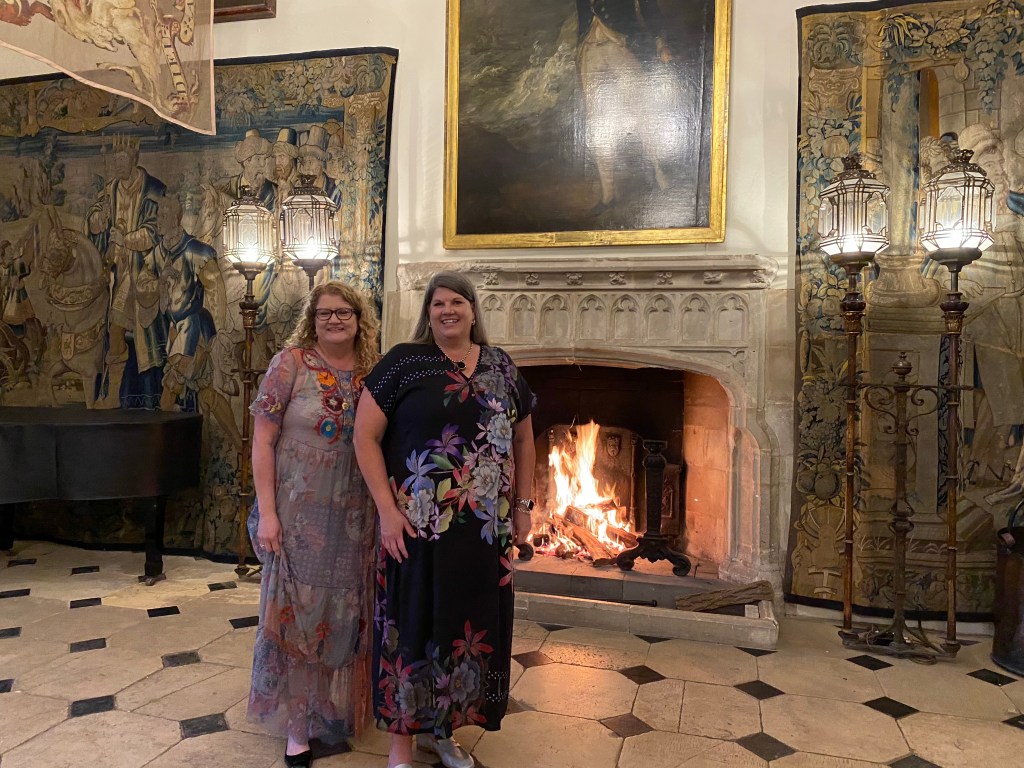
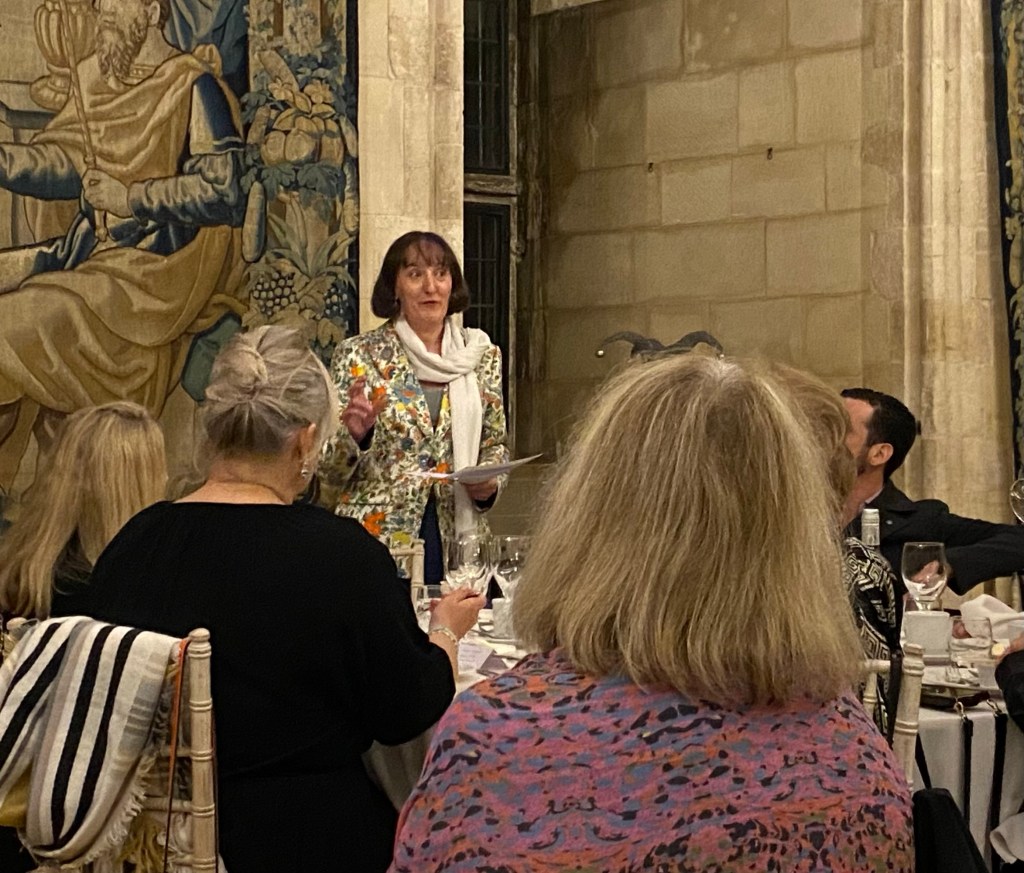
We had dinner in the Great Hall as did Henry and Ann on their 1535 procession. Queen Elizabeth I also dined in this Great Hall. So basically I had dinner with the power people of the Tudor Dynasty.

Dinner was amazing. First course was Welsh Rarebit, which is toast with cheese (or so I thought but really more like cheesey potatoes on toast) very delicious. For the main course I had Welsh rabbit. Not something I have often in the states or pretty much never but also delicious. Finished with crème brûlée. All accompanied with several (I lost count) glasses of wine. I blame all my over indulgence on the tour director who continued to pour me glass after glass.

Lacock Village
Lacock Village
Lacock Manor
Cloister
Lacock Cloister
Cloister room used in Harry Potter
Manor grounds
Lacock church
Loved the birds chirping
Berkeley Castle
Berkeley Great Hall
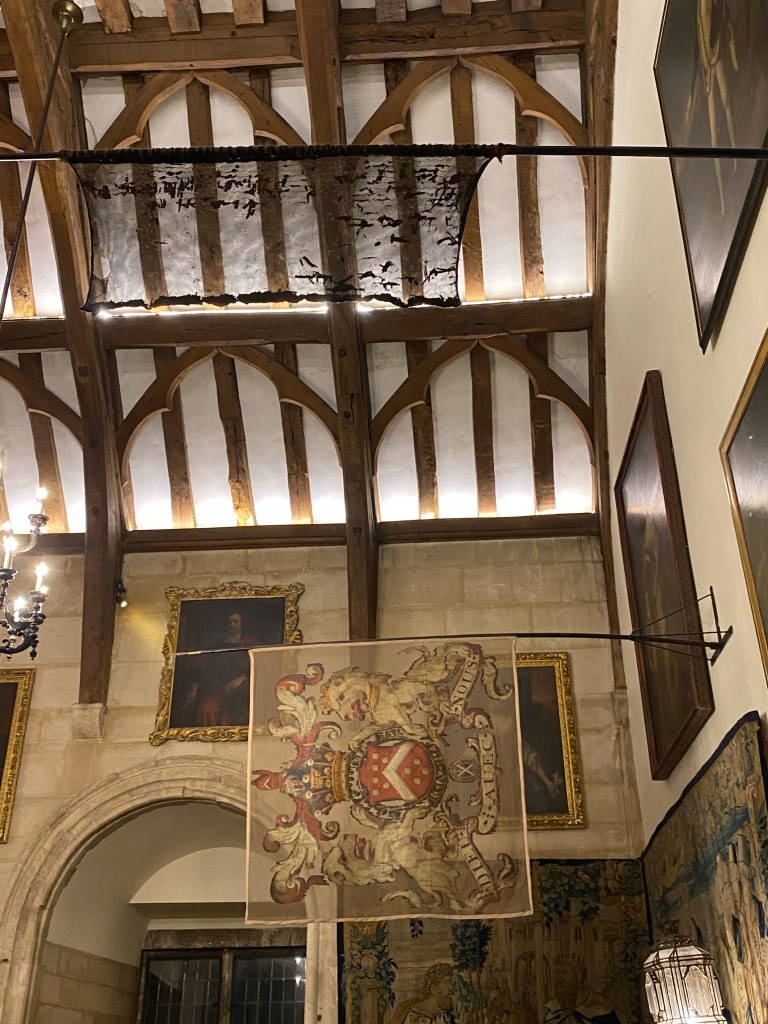
Battle Flags from Flodden and Culloden
Berkeley Castle at Night

The Tale of Two Tommys

The first post for today stopped right before we met up with the group to start the tour. I know you were all dying in suspense… but the tour started. Amazing isn’t it.

Well we were late. Not sure how that happened but it did. We intended to be early so we could sit with people that we knew. But beggars can’t be choosers and if you switch choosers with late we had no choice but to sit at the table left available. Turned out to our advantage because one of the people at the slightly empty table was Alison’s husband. We missed a bit of the talk of course not the bit on being on time which I think she saved till we were there but a bit about what all the tour entailed. Aggravated with myself but got over it soon enough when Alison joined her husband for lunch.

It is so weird to be at a table with someone who has written countless books that you have read and loved. Even more weird when she gets up to refill your wine glass. It is like an alternate universe somewhere but I will enjoy it while I can.

We have a great lunch. Mostly just catch up with those we met on the first tour, then off to our first stop in Elwelme. It is where Alice de la Pole, the Duchess of Suffolk and Chaucer’s grandson are buried. Quite a quaint village (not sure how our tour bus fit down the roads) with several thatched roofed cottages, a church and a small school.

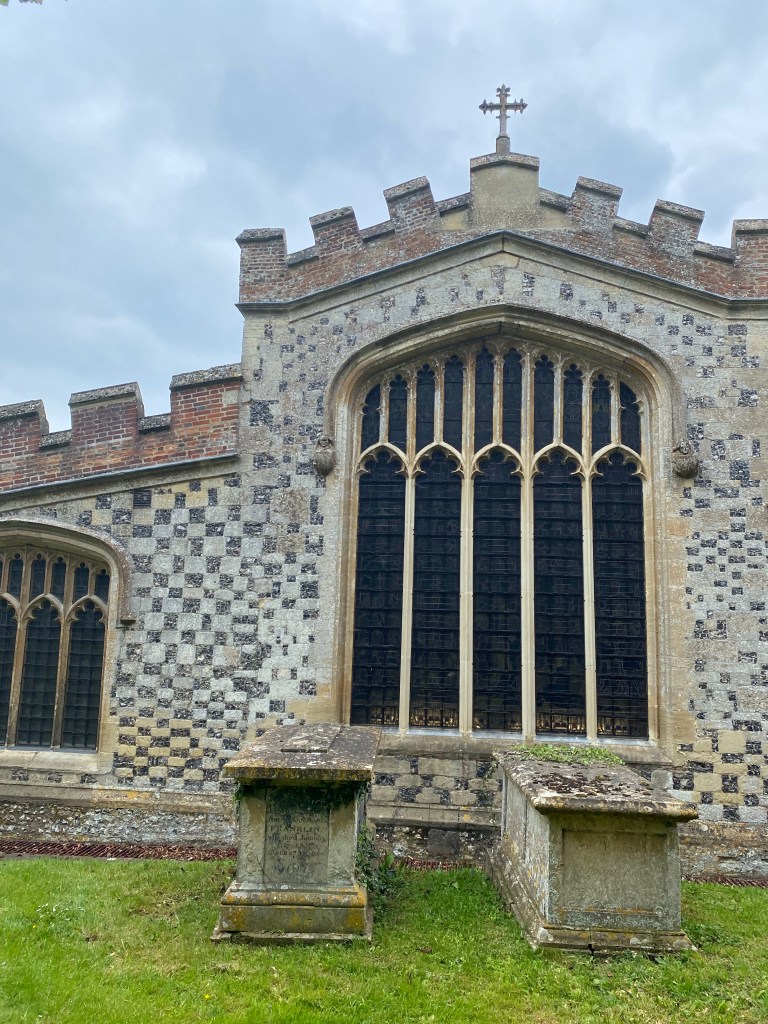
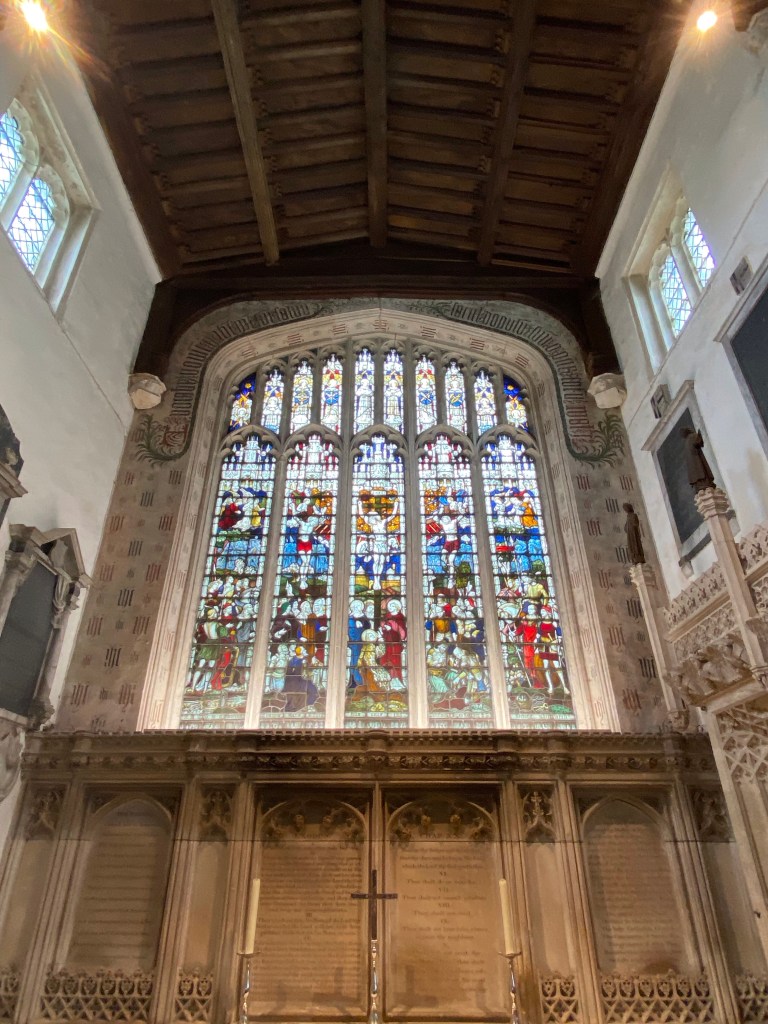
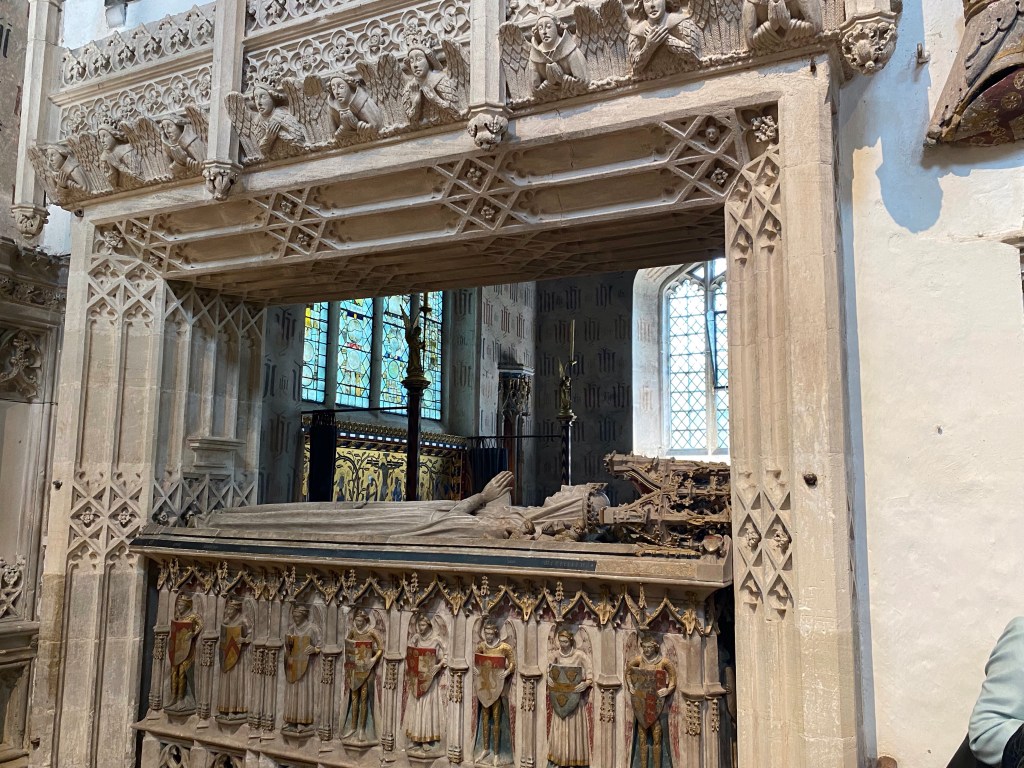
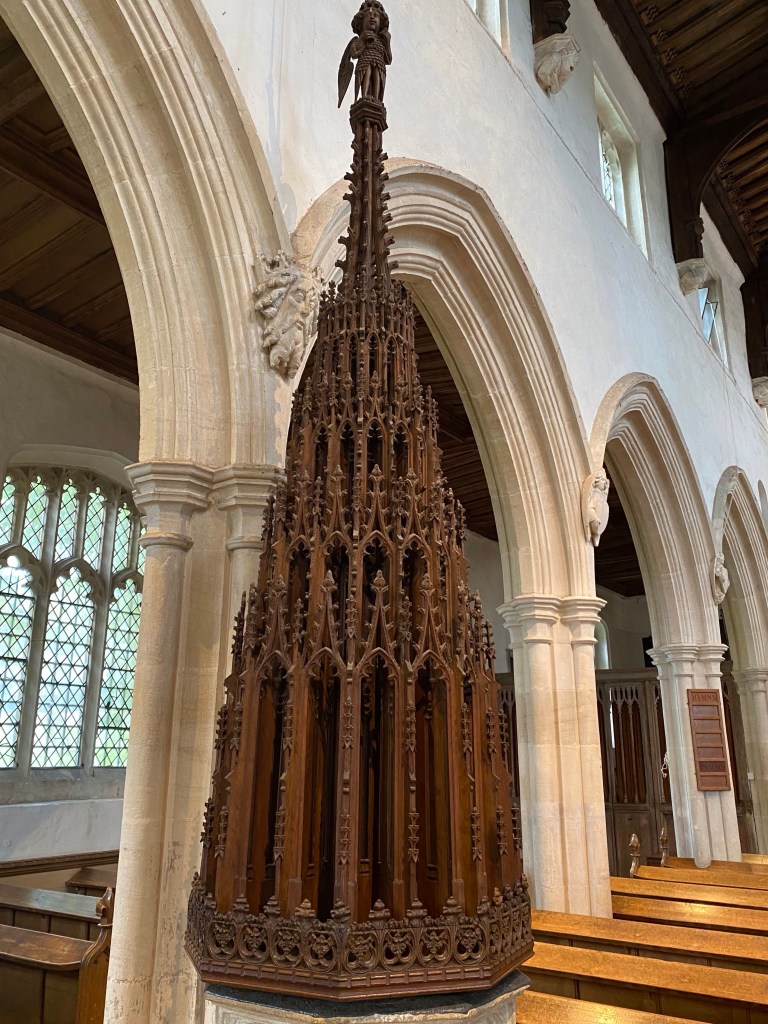
We were stopping here for the Duchess’ burial site and effigy. The church also had Tudor affiliations and was quite beautiful in its simplicity. The outside was unassuming, the windows beautiful stained glass, the baptistery cover exceptional but the tomb for Alice was its crowning glory.

We entered to a great reception by the local women of the village. They served us tea, coffee and cakes which they had made. I had a slice of a wonderful Victorian sponge.

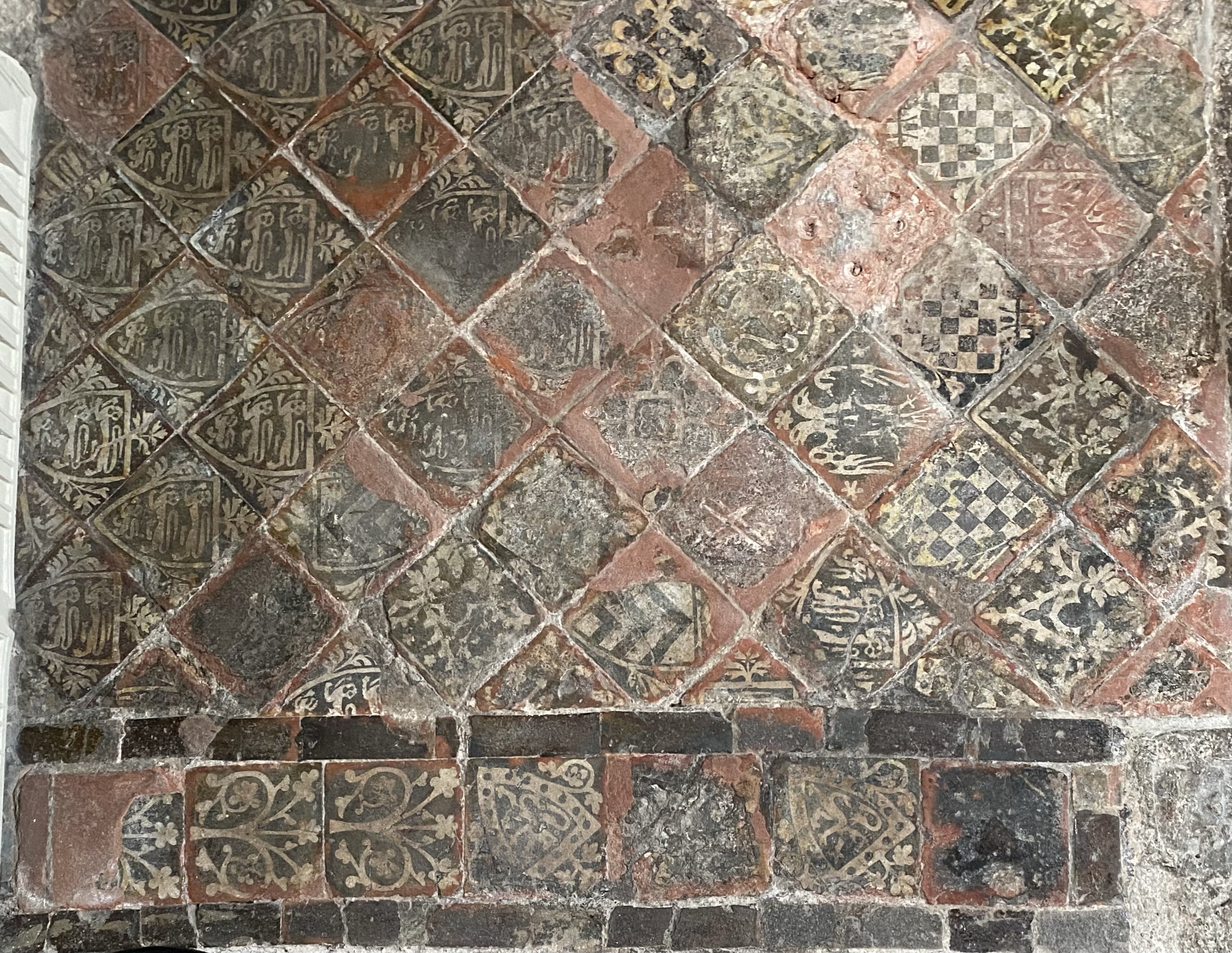
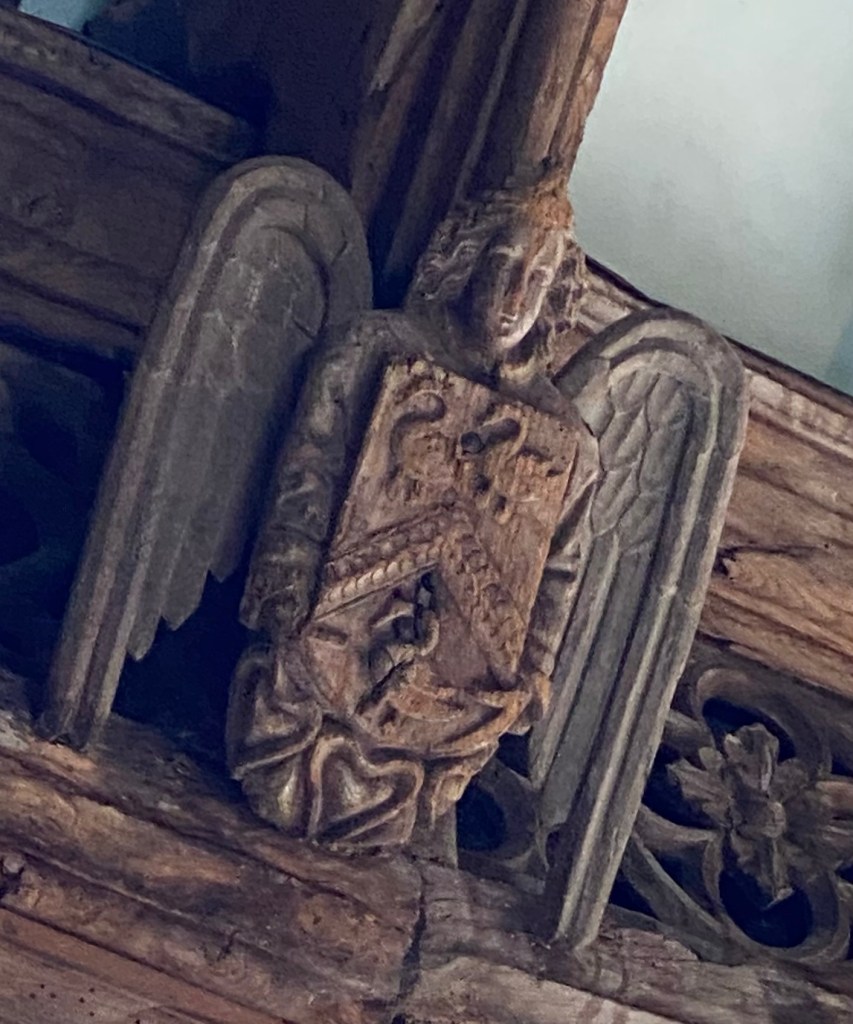
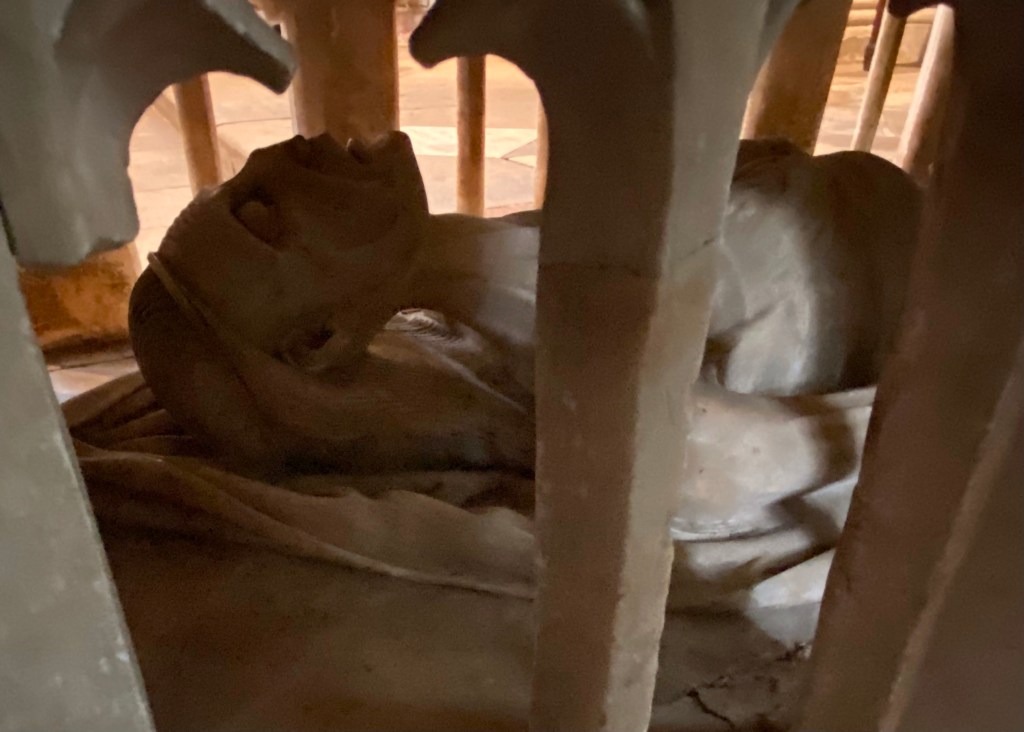
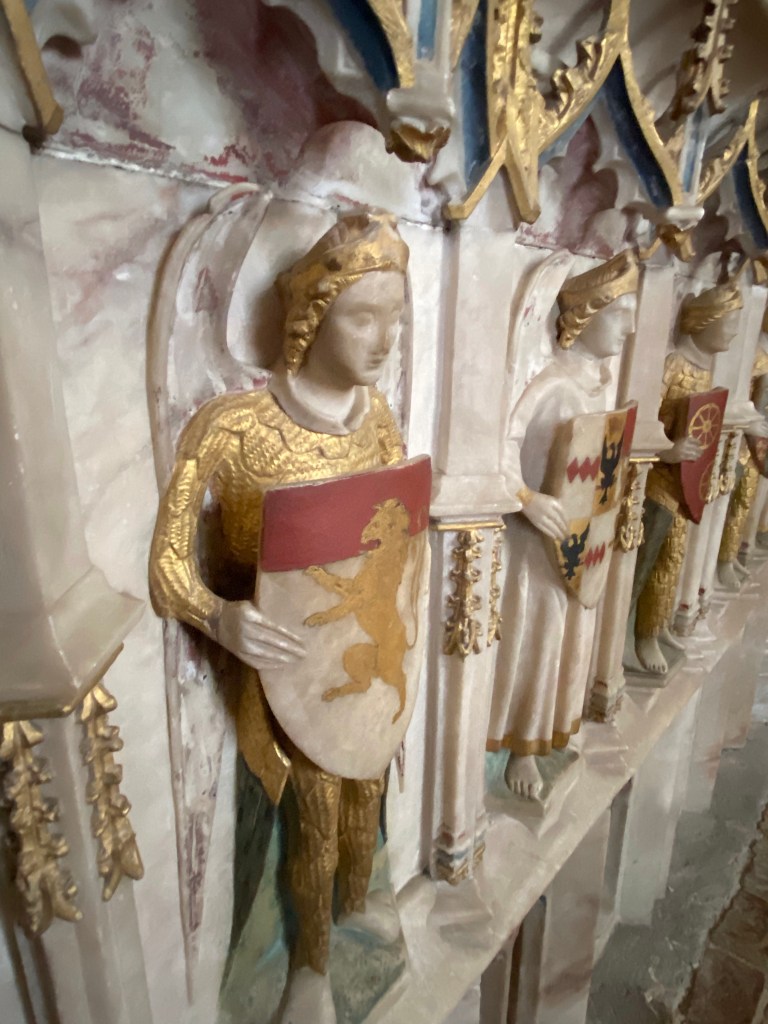
Julien Humphrey had joined our tour and he gave the talk on the Dutches the church and Chaucer and his grandson. The tomb was surrounded in what Julien called winged and clothed angels. It had both a beautiful carving of the Duchess is all her finery and then carved again as a corpse. There was some argument among the historians of whether this represented the fact that regardless of who you were or what you had or had accomplished in life everyone turned into a rotting corpse or on the gentler side it was just a representation of the times that included the Black Plague. Either way it is still creepy. (As are the angle toes that are in one of the photos). The church also had a portion of a 14th century tile floor. That seems almost incomprehensible in American terms.

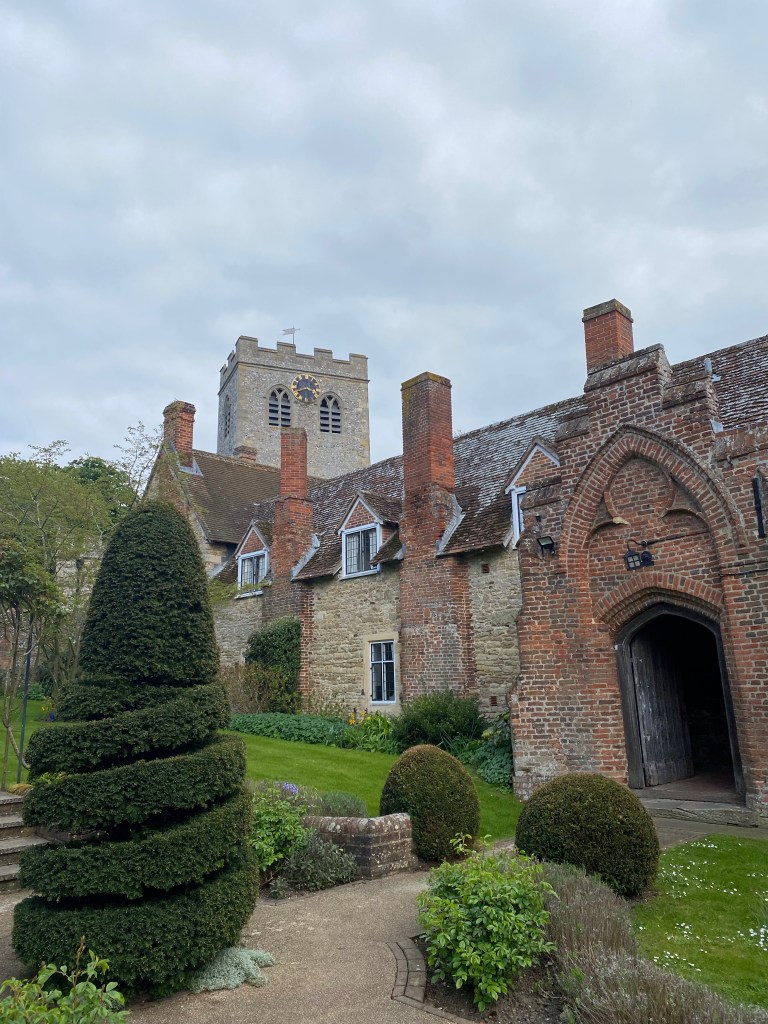
After the church we strolled through the cloisters where parishioners still live and the adjoining school. The church and school were established by the Duchess of Suffolk in the 15th century by a trust that is still in affect today and is still paying for upkeep of all the historical sites. The school on the grounds is the oldest building in England still being used for its intended purpose. It had a run of bad years but supposedly the Victorians got it all straightened out and it is thriving today.

We also walked down through town where rumor has it that Henry VIII and Catherine Howard frolicked in the pond on what some considered their honeymoon. The pond is named the King’s Pool now but that might just be a brilliant marketing technique by the cake baking church crowd. Henry and Catherine were in Ewelme but whether they swam in the pond is anybodies guess. I am going to say yes, it was a lovely spot and perfect for a quick dip.

After Ewelme we headed to Castle Combe are home away from home for the next 5 nights. If Ewelme was quaint, Castle Combe is picture perfect. It is exactly what you expect a small 15/16 century village to look like. I can’t wait to walk around town and the hotel grounds.

We are staying at the Manor House Hotel which is a great period location. Our room is in what would have been the old servant quarters but have been remade into luxurious cottages. It is a great room and location.

Dinner tonight was at the hotel so we got to see some of the main building. It has a very 1920/1930 sophisticated old world vibe to it. I can’t wait to have a drink in the lounge.
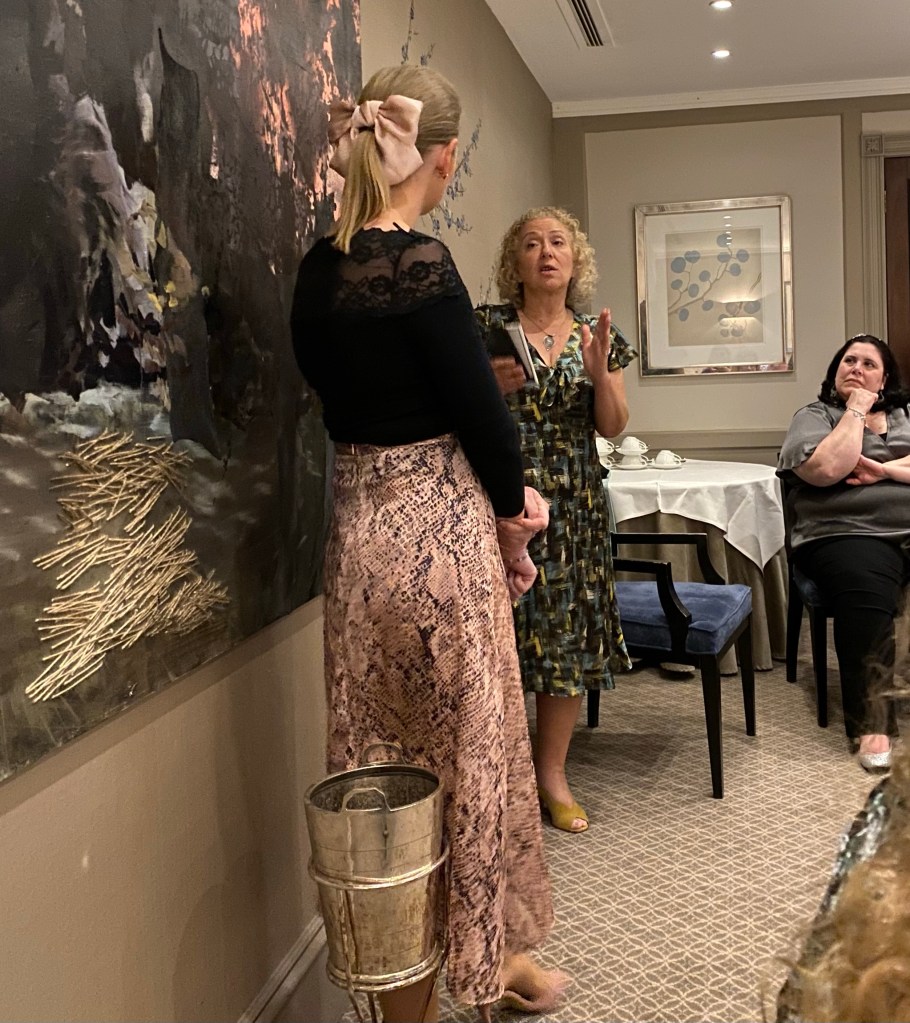
Sarah Gristwood joined our table for dinner and we had great discussions on history and historical fiction. She also followed dinner with a talk on the topic comparing Wulfhall and Mantel’s take on Cromwell and historical fact. It was nice to hear that here is room for both types of stories in todays society. I enjoy both and the fiction stories just wet my appetite to learn more.

Sarah said in her talk it was the Tale of the two Tommys’. And I agree with her. Wulfhall is the story of Cromwell and Thomas Cranmer. They appear to be opposite ends of the spectrum but they seem to understand one another. Both have dramatic downfalls with similar endings.

It is very fun to have dinner with not only a historian that is well versed on a topic you want to discuss but other people that share the same passion. The tour is off to a great start and I can’t wait to get more into our topic

Front of the Church
Alice in her finery (check out the angel’s toes the foot is pretty demonic looking.
The cloister gardens
Corpse pose
Feathered and Clothed Angels
Cloisters
Julien and Alison giving a talk in the cloisters
HenryVIII swimming pond.
14th century floor
Baptistery Cover