Today started the bus portion of the tour. We got up to have breakfast early so we could get our choice seats on the bus way in the back. Riding the bus isn’t bad. They generally give talks on the bus about where we are going, what we will see and any historical connection to the location. If that doesn’t take enough time they also talk about their latest research or their favorite topics. We had three stops today so we were moving quickly.
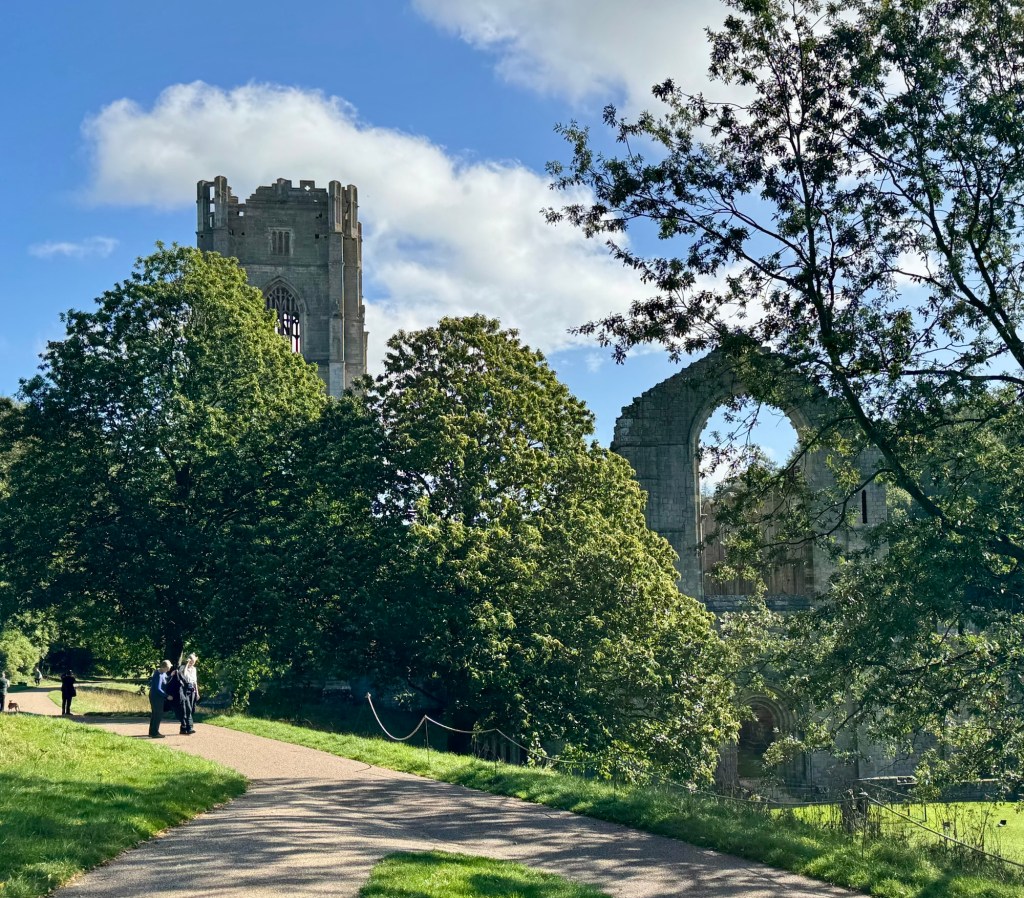
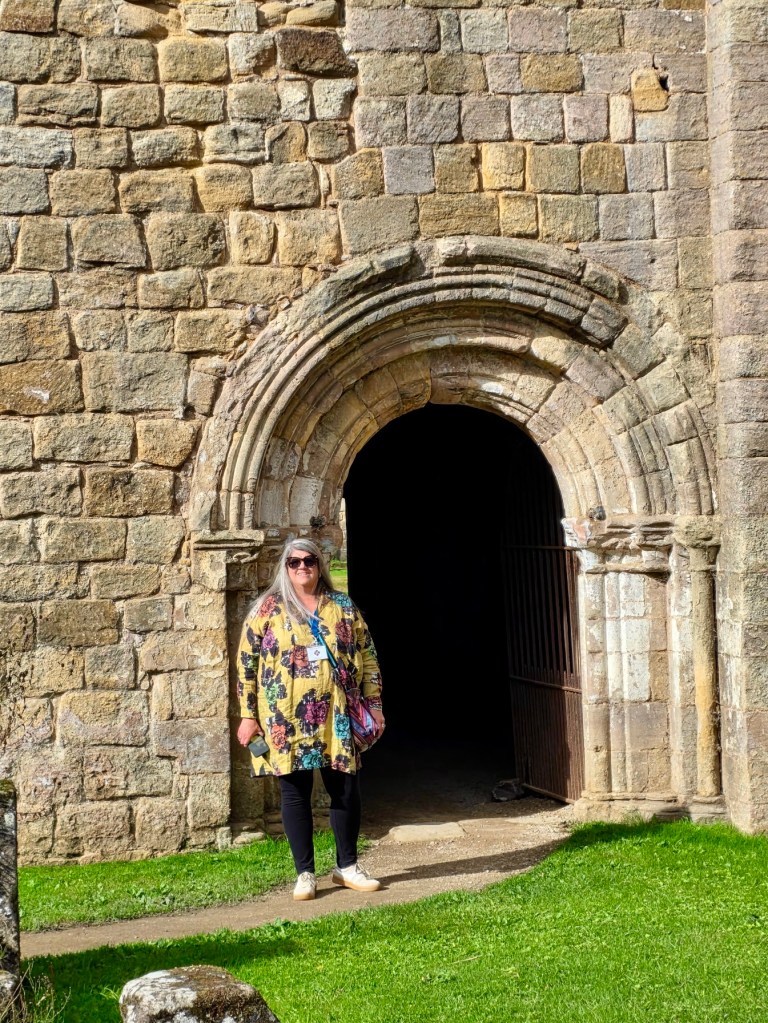
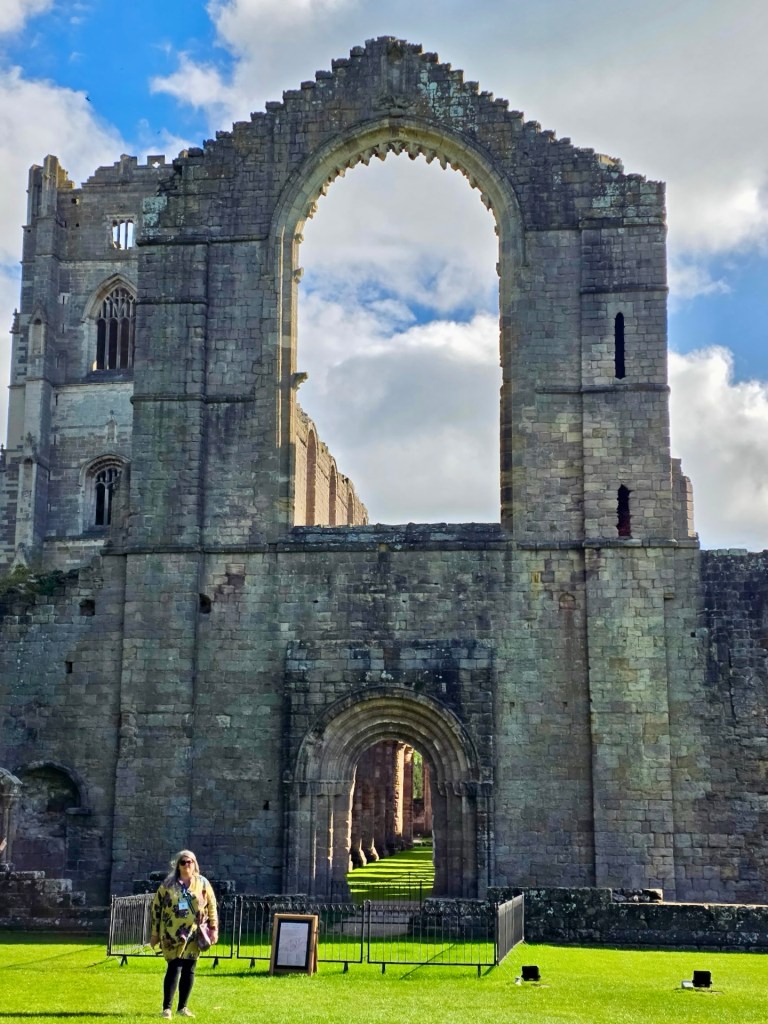
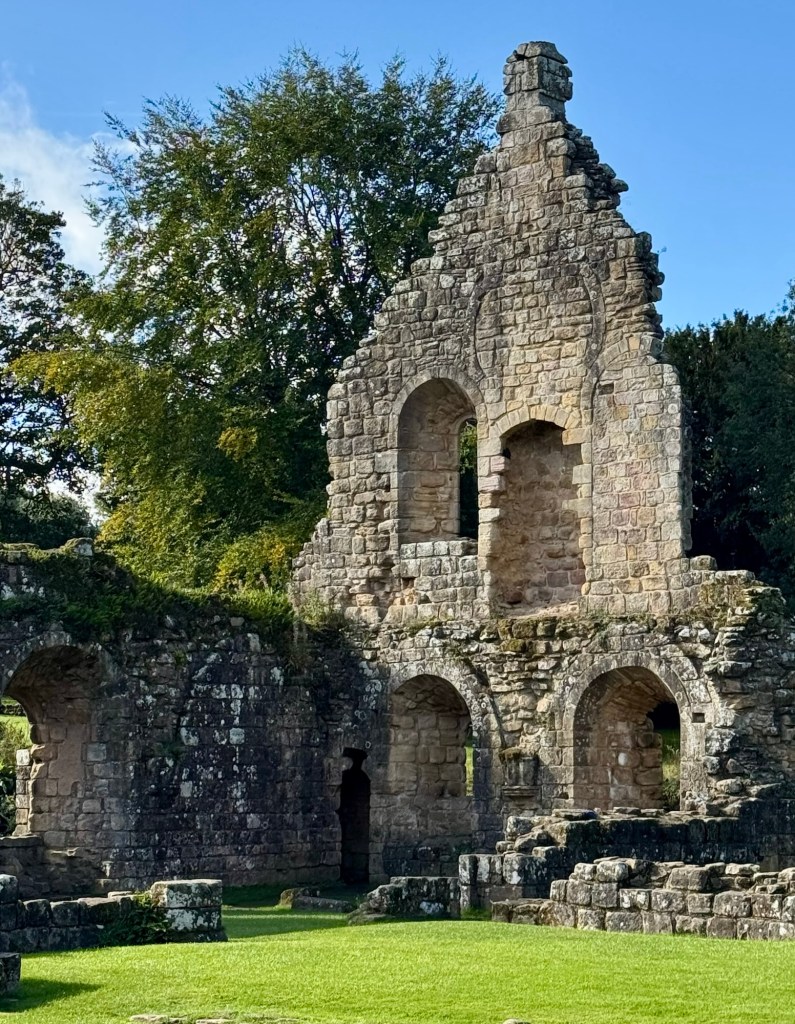
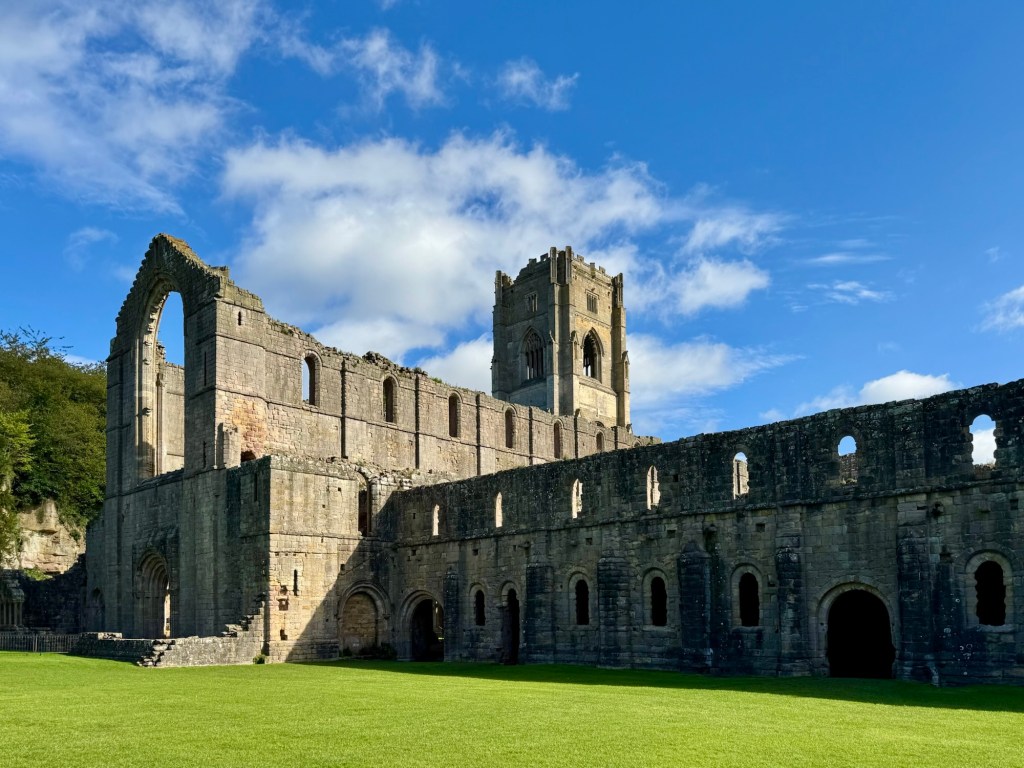
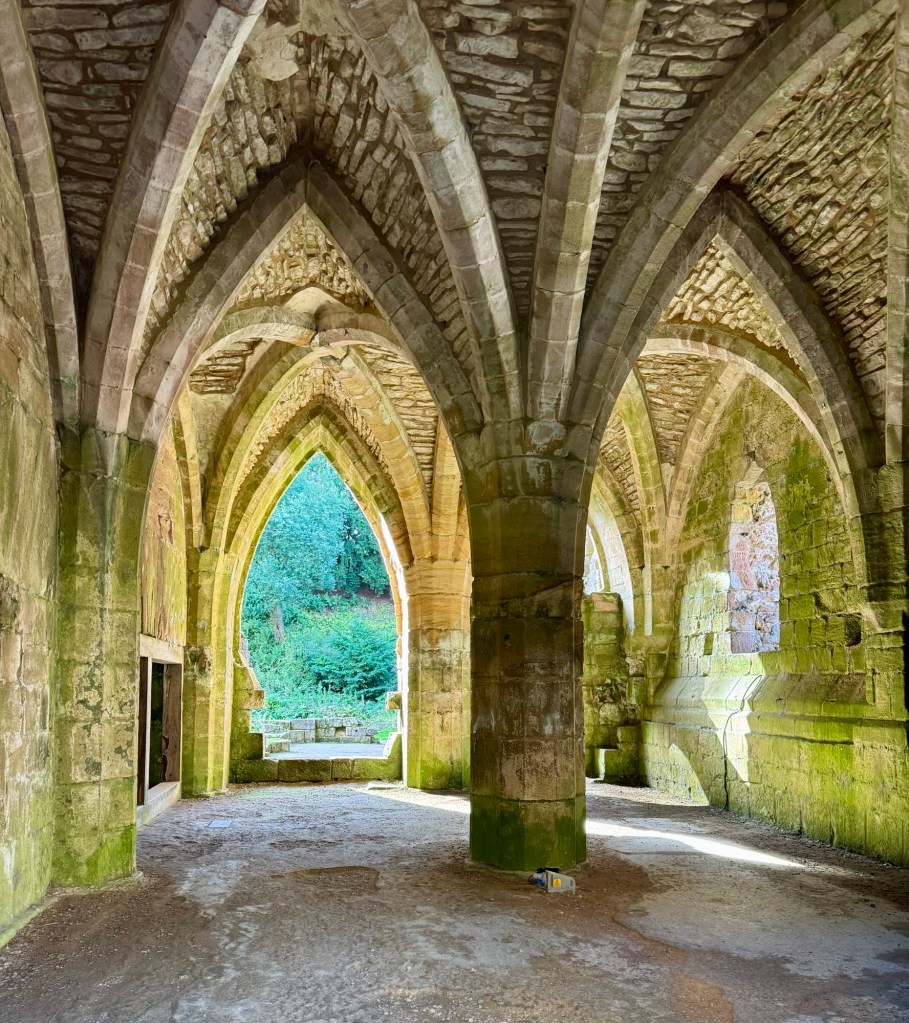
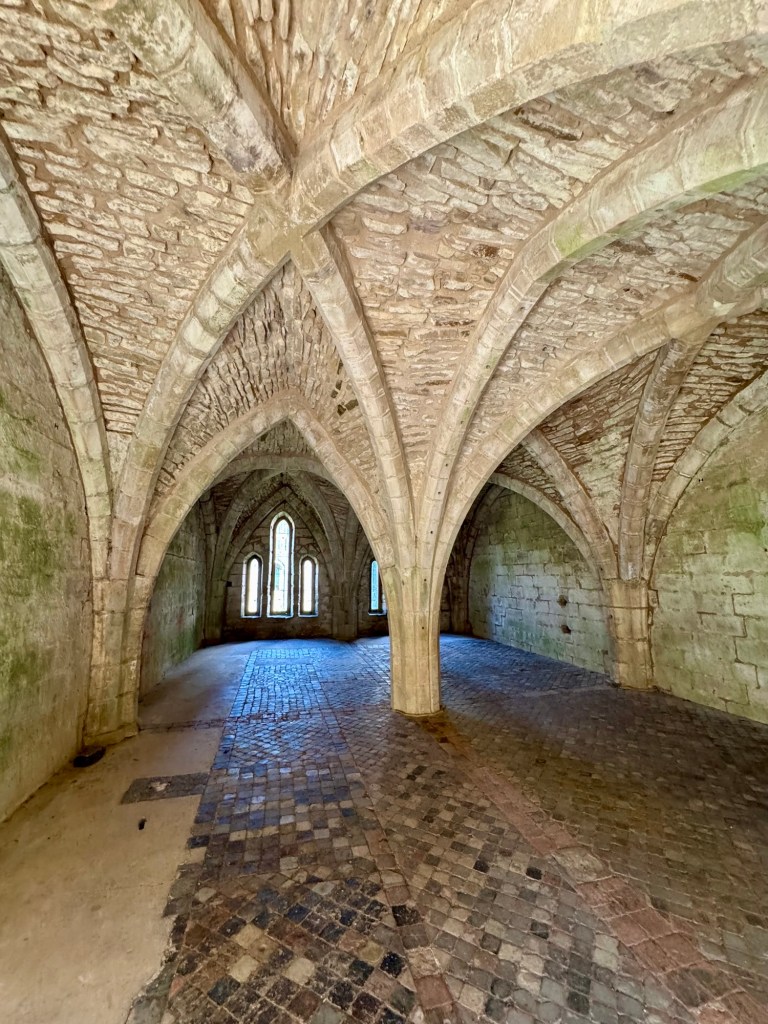
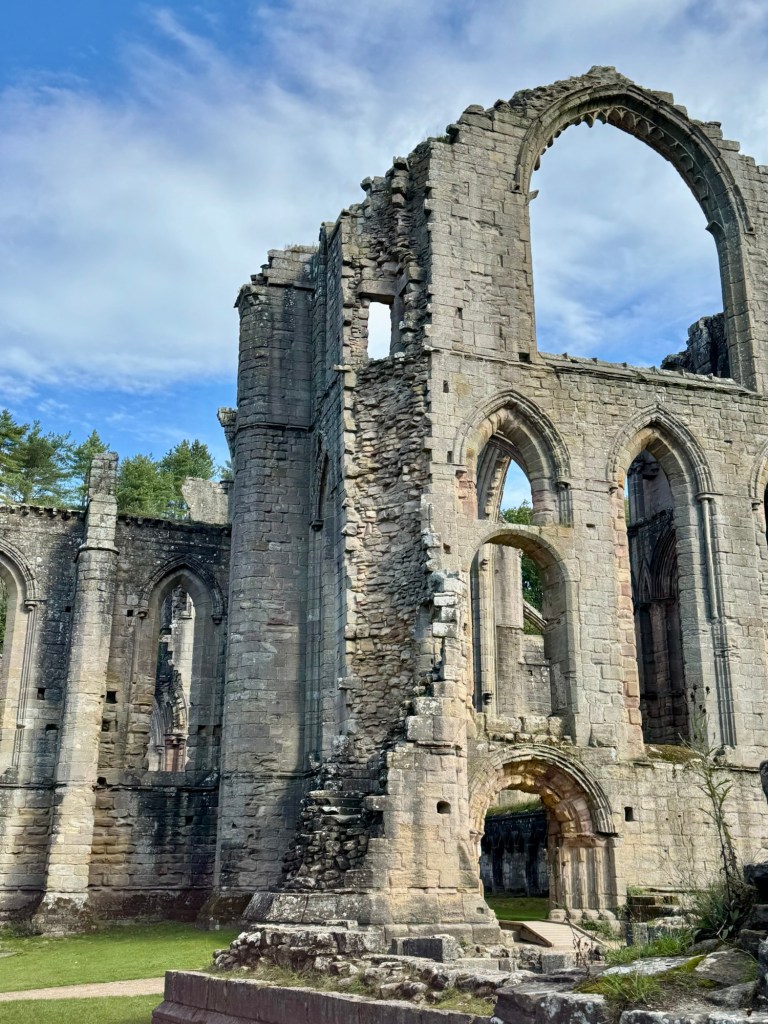
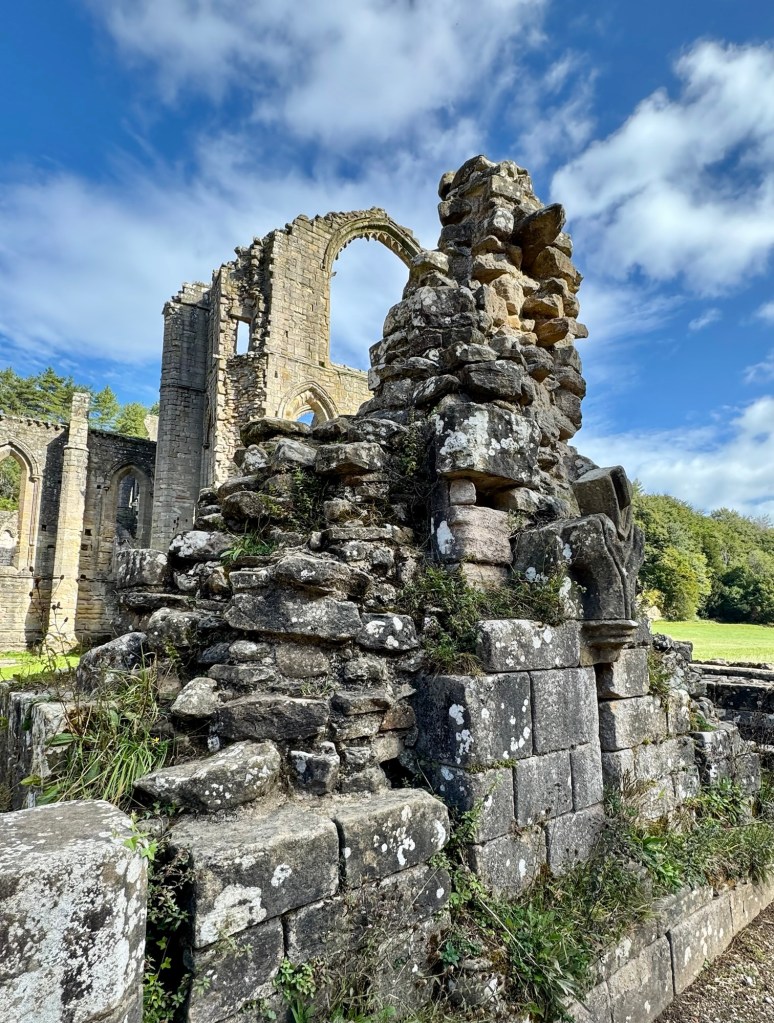
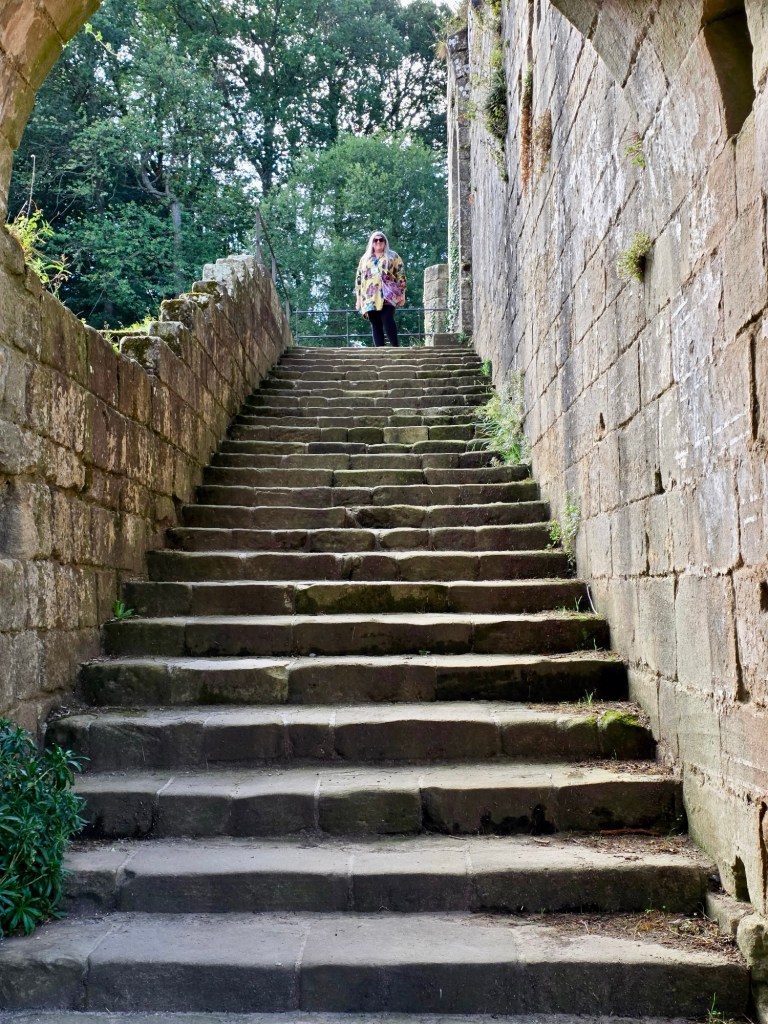
First stop was Fountains Abbey. Another monastic ruin but this one has qualified as a world heritage site and is the largest monastic ruins in England. It started as a set of Benedict monks who left the more partying order in York to establish a more serene order in 1132. Eventually they are admitted to the austere Cistercian order. They took vows of silence but turns out that they used forms of sign language to talk to each other so although not speaking they still did communicate. Of course again the order was dissolved by Henry VIII and fell into disrepair. Almost 500 years later the site makes for some very romantic ruins. The sun came out to make a fabulous morning for photos.






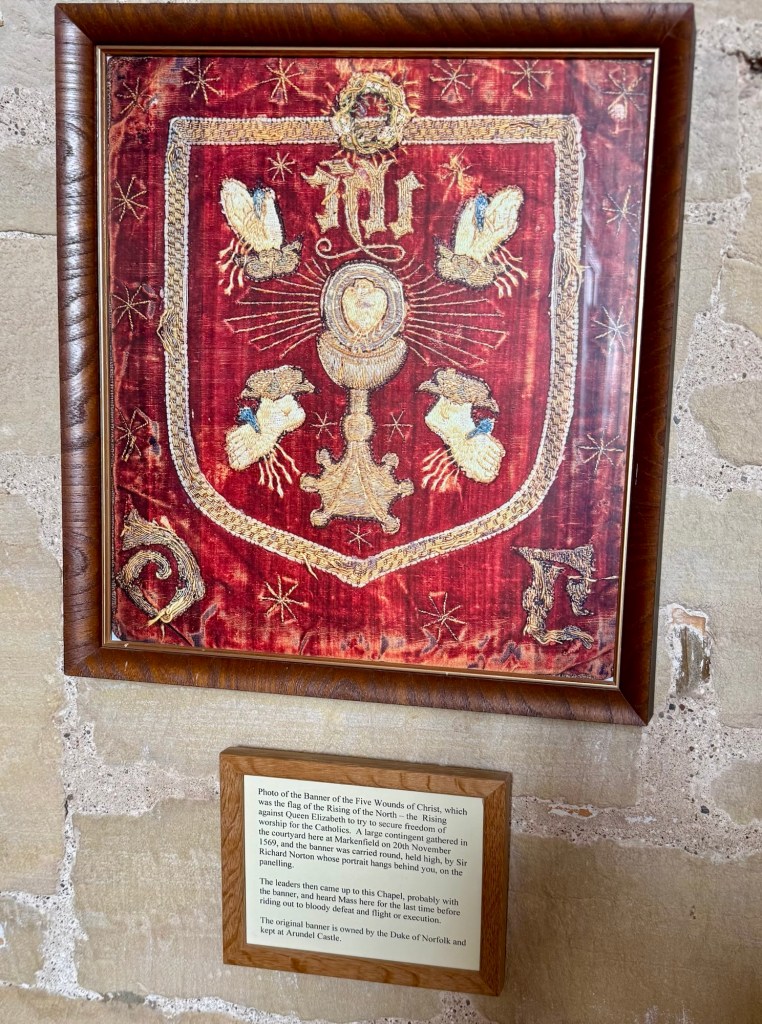
After the Abbey we headed to Markenfield Hall. A manor house first built in 1230 and crenalated 1310. It has not changed much over the years. It was once the home of sir Thomas Markenfield a friend of Richard III and who fought for Richard at Bosworth field. Surprisingly he did not lose his house for that one but forgiven as he was “serving his lord”. However later family members were on the wrong side of the religious rebellion trying to return England to Catholicism during Elizabeth’s time. The barely escaped the Rebellion of the North, lived in exile for years before being captured. They were not as lucky as Sir Thomas.
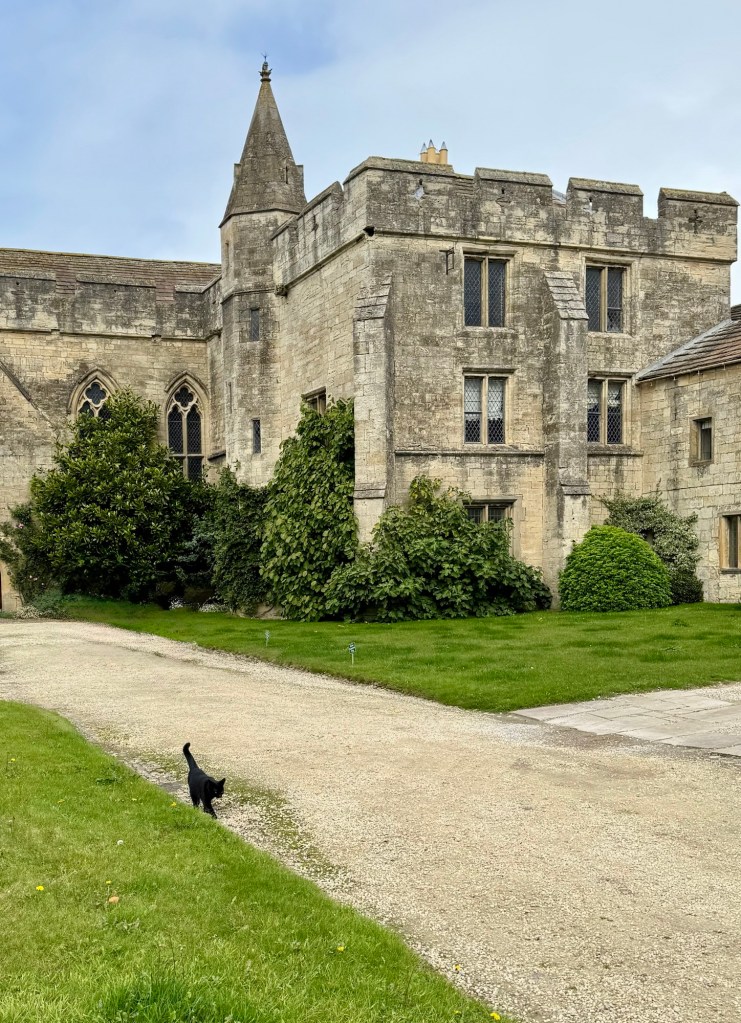
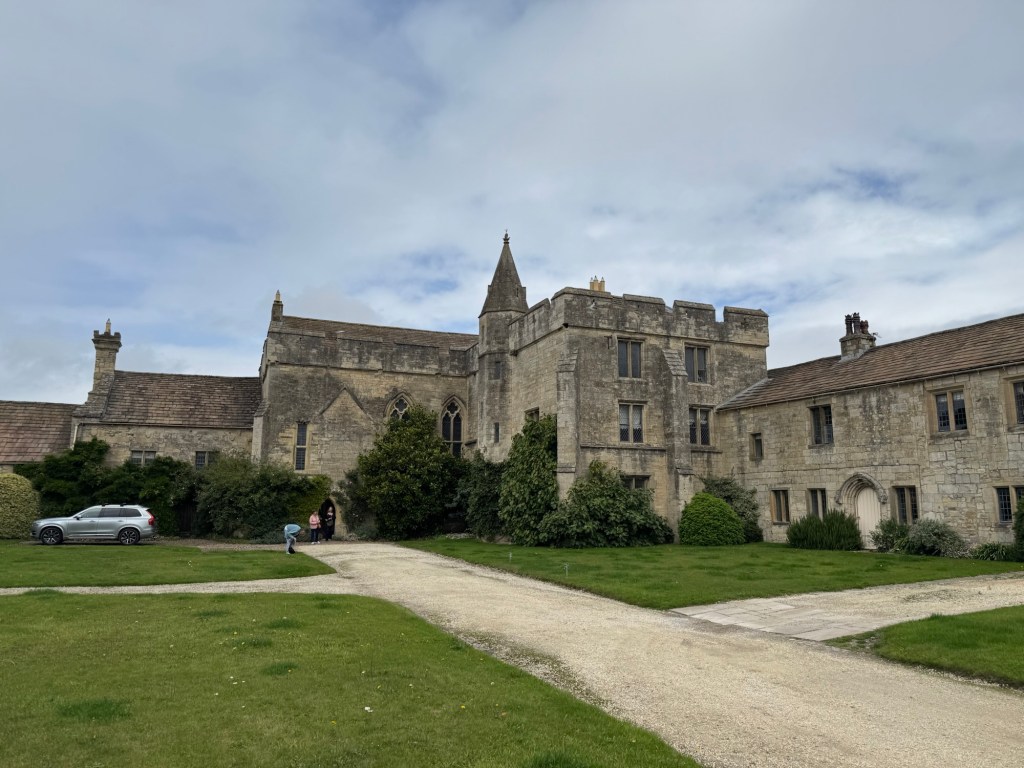
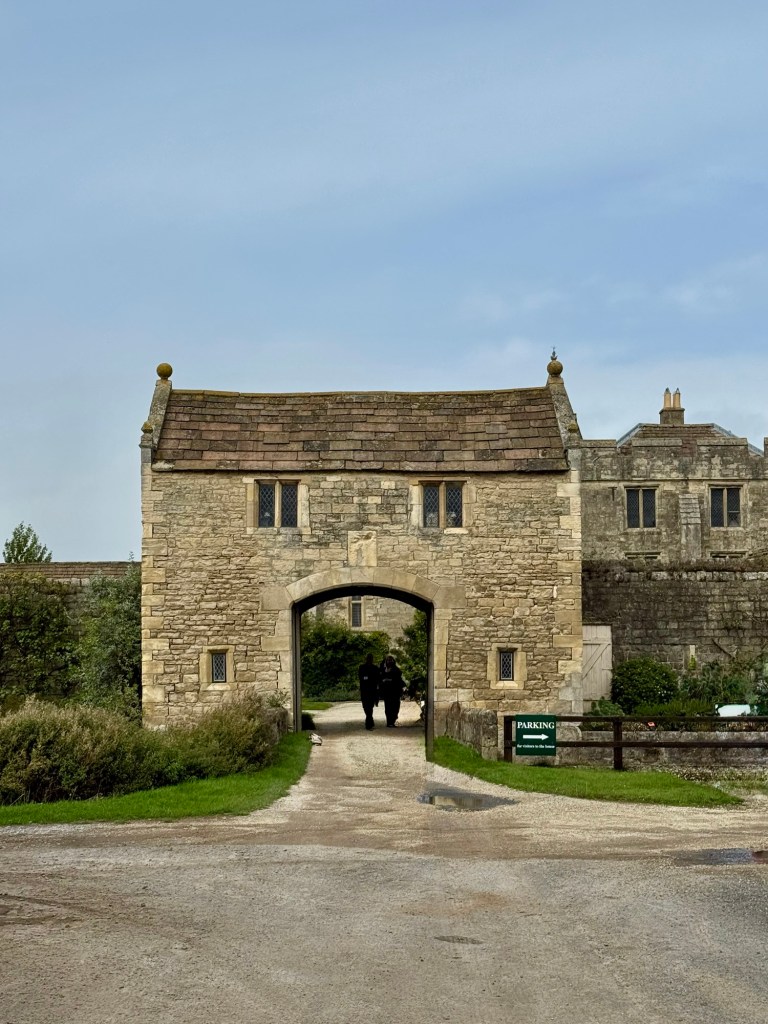
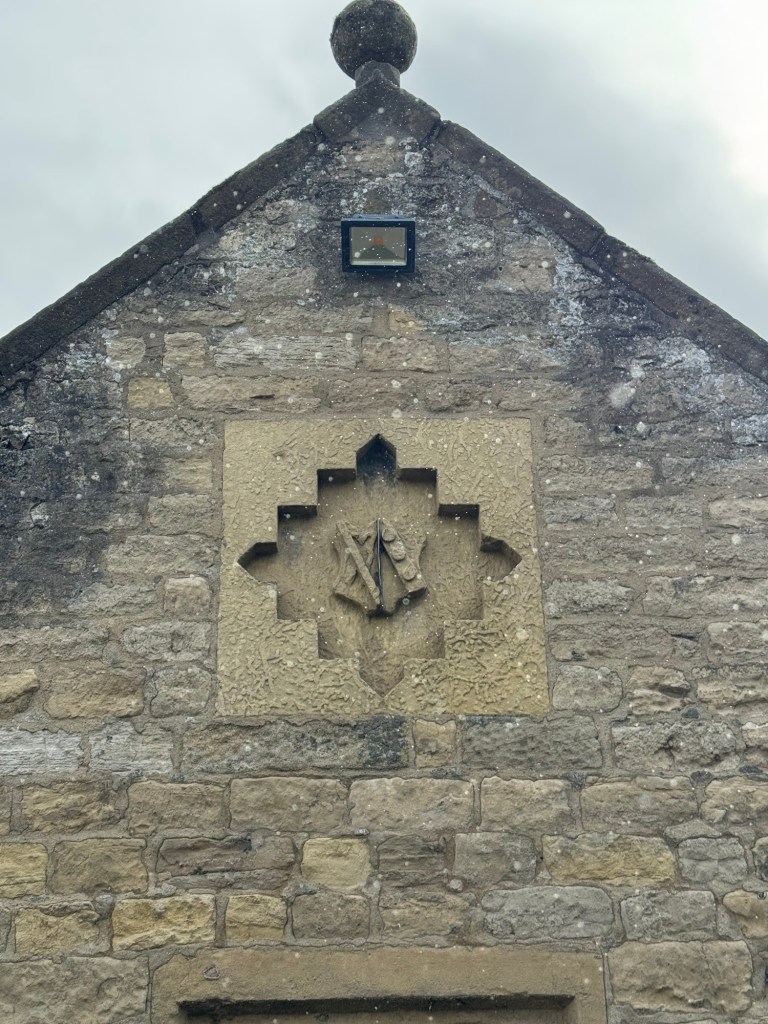


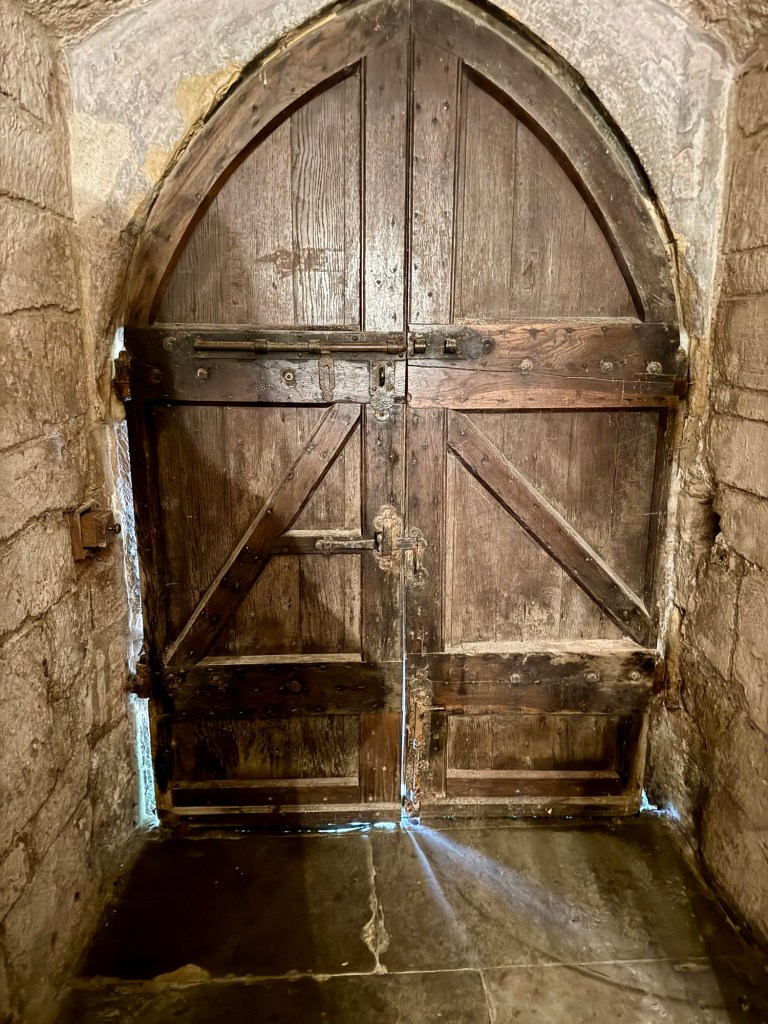
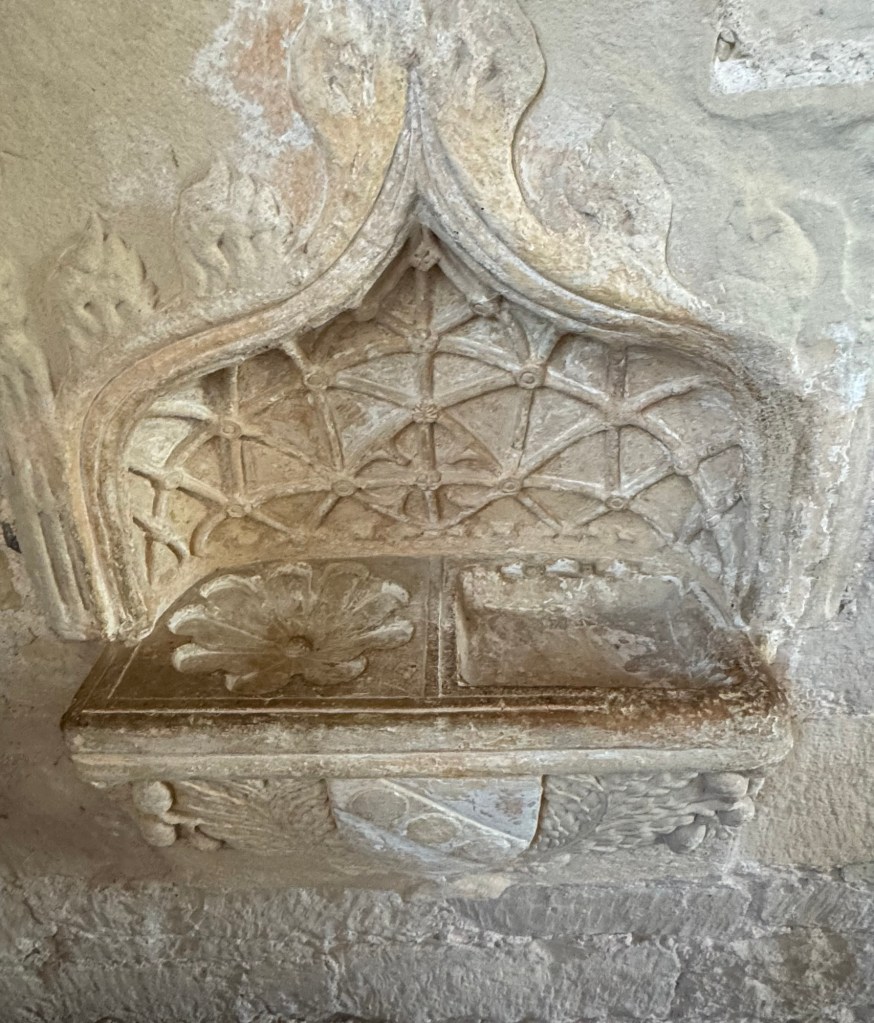
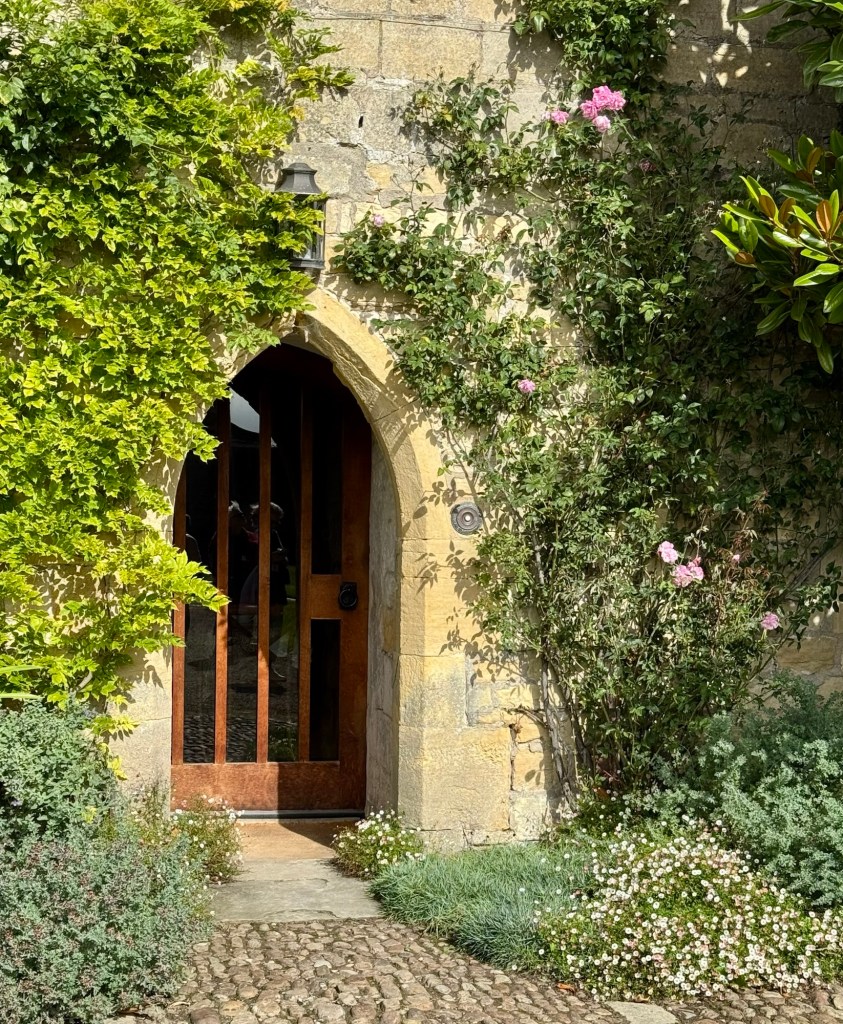

The house was given to an absentee lord who rented it out as a tenant farm and it stayed that way for years. That is the reason it survived basically unchanged for years. It was bought in 1761 by Fletcher Norton due to some distant family connection and he became the 1st
Baron Grantly. The house passed through the Nortons none of which appear to be upstanding gentlemen but the wives seemed to have made their mark. An early Lady Grantly fought for women’s right well before the suffragettes, winning rights for mothers of their infant children. Her husband had refused her access to the children and her home and even though too late for herself she worked to get the laws changed for other mothers.
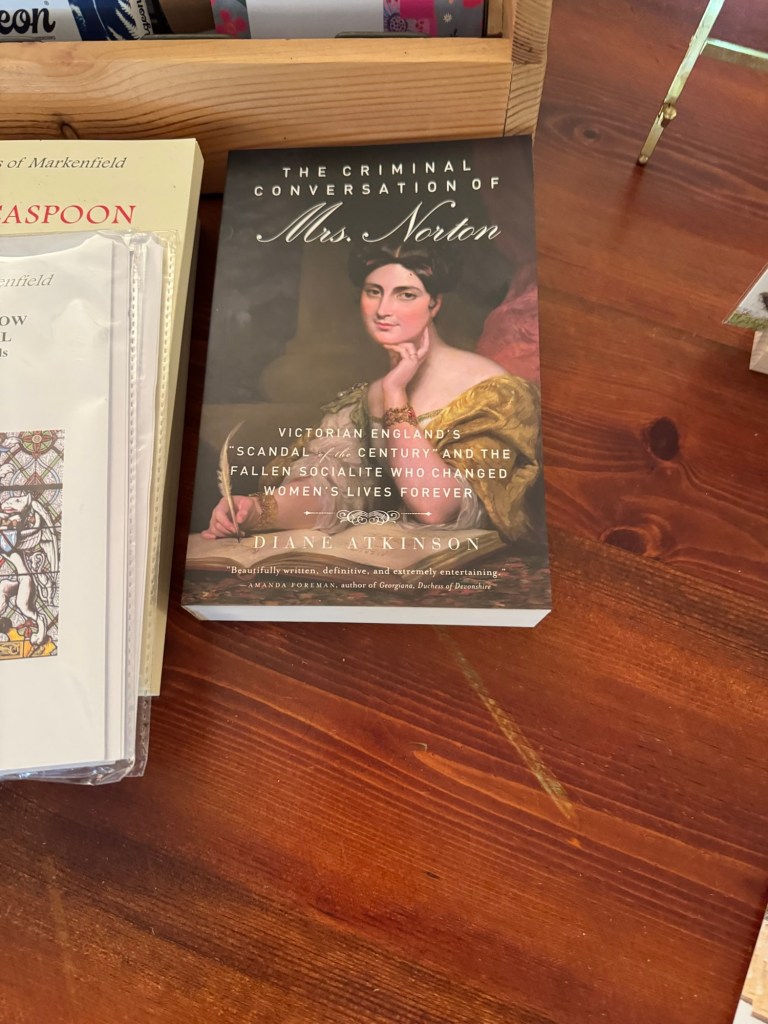
The current Lady Grantly lives in the manor house today and is the one that encouraged her husband to restore the house.
We had a lovely afternoon tea provided by the Hall before traveling on the Sion Hall where we were met with Pims cups or lemonade before touring the house and gardens.
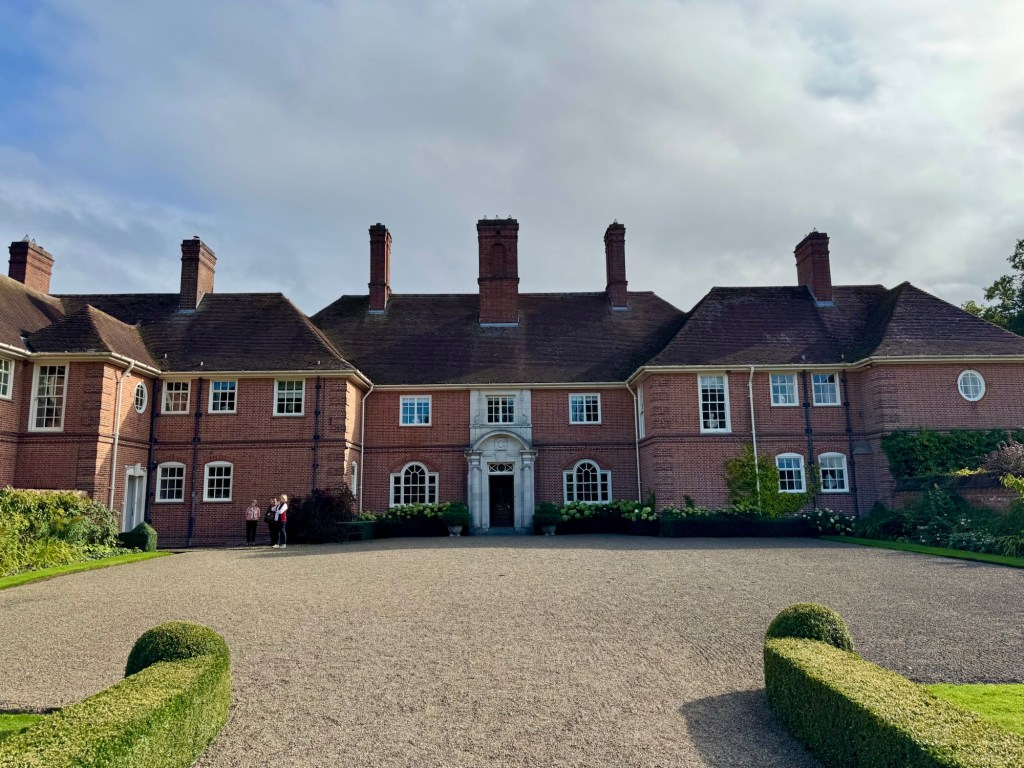

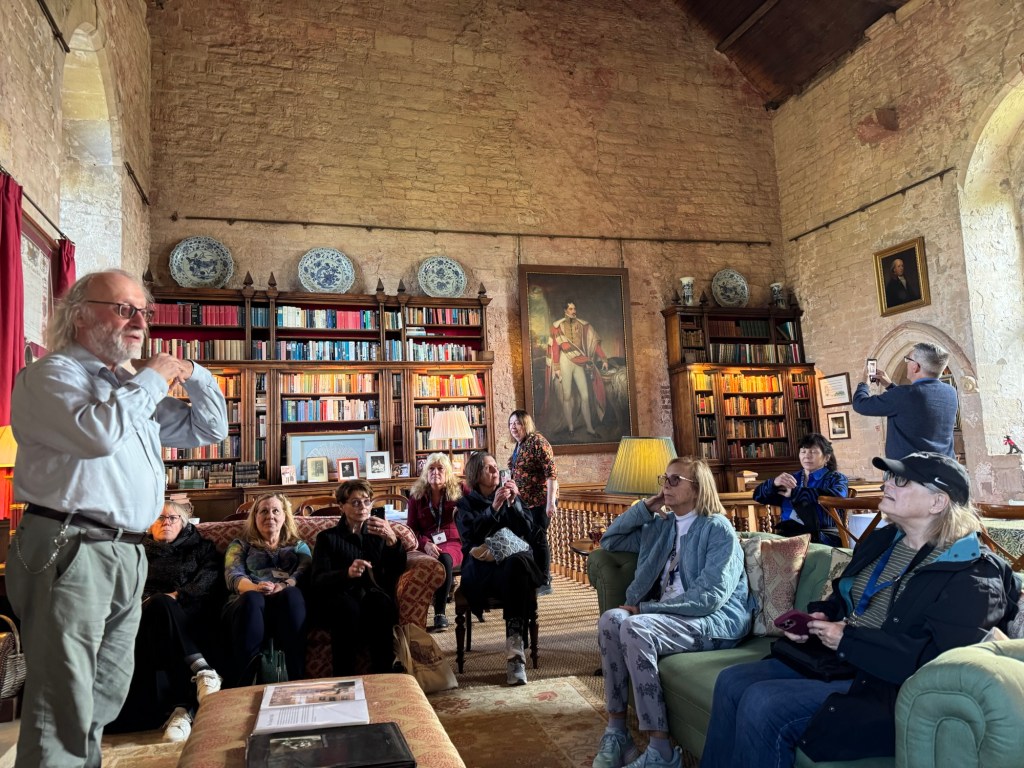
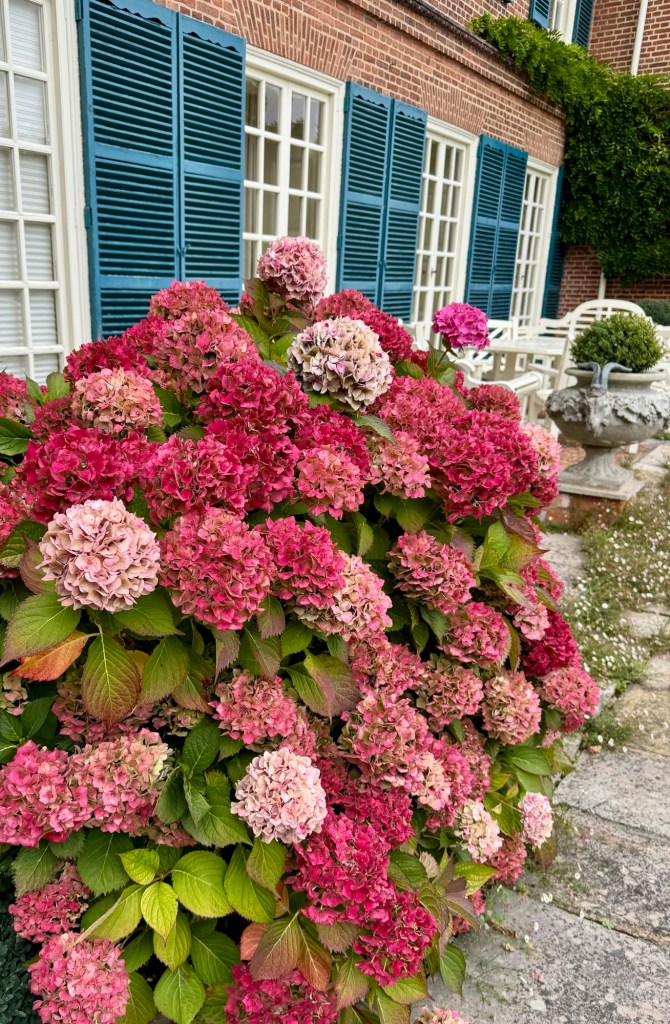
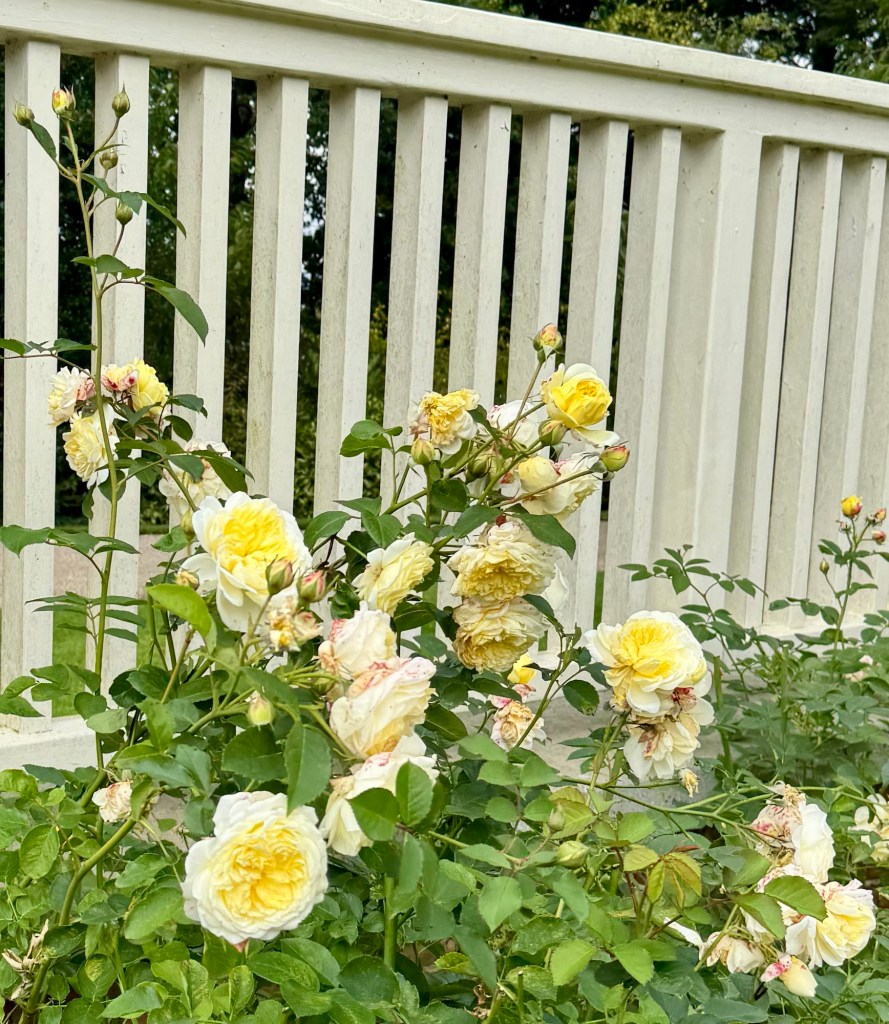
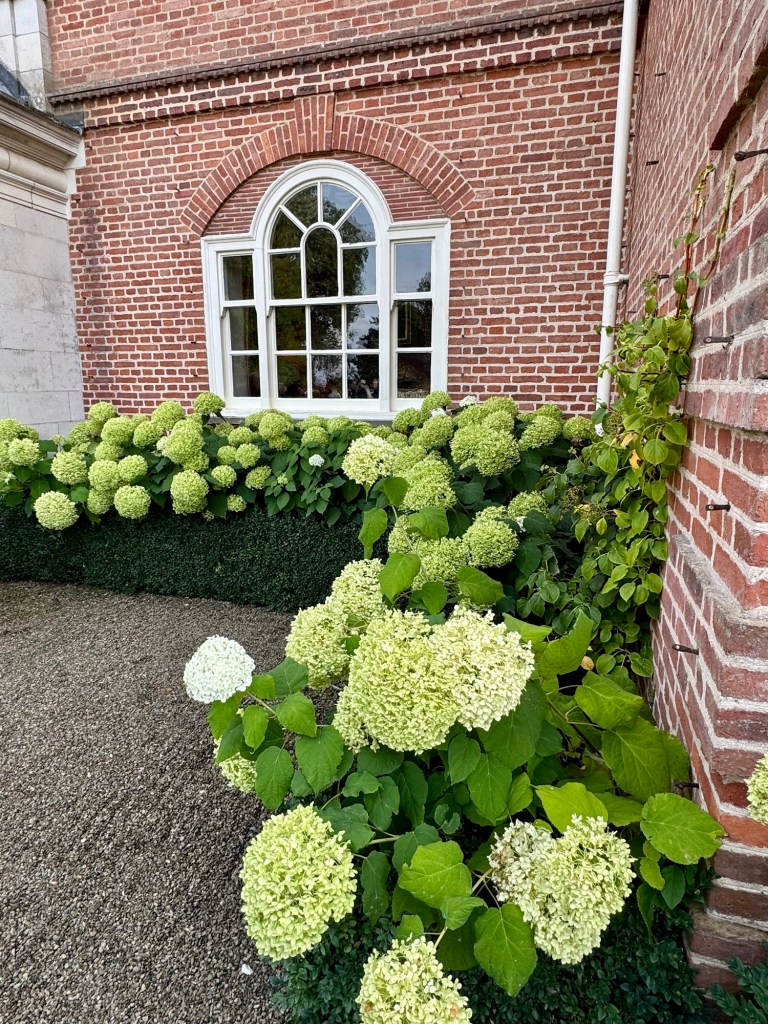
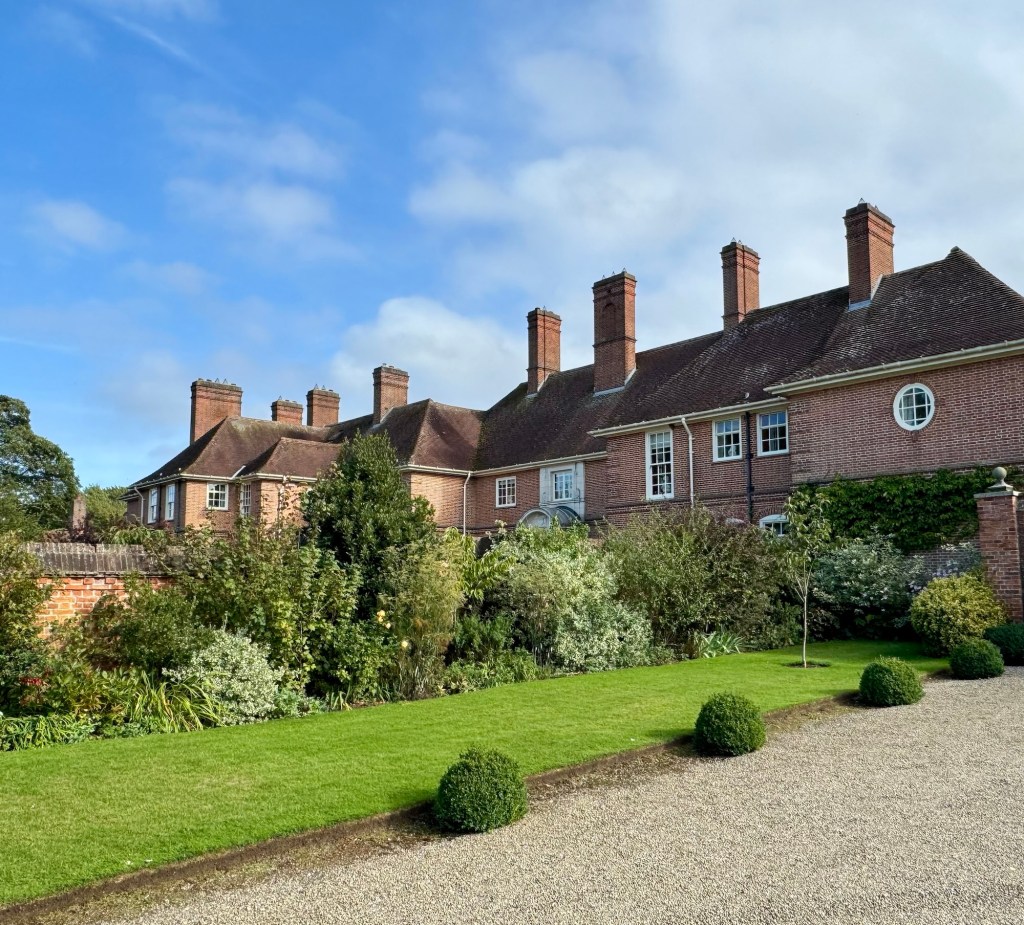
This has been one of my favorite stops of all the places we have visited with Alison. Like Layer Marney way back from the first trip the current tenant of the house gave the tour. This was more a Georgian style and decorated house with formal gardens in the back. It was built in 1912 when it was determined that the current house needed to come down and they needed to start over. The current tenant moved into the hall in 1999 and has been collecting treasures to fill it ever since. He could ramble on about any piece in the house and there were loads of items. We were just walking around priceless pieces of early Sevres and Meissen porcelain. He talked about finding things at auctions and being outbid only to then have to find them again. One piece in the dining room came from a church “down the way” when the abbot decided to sell off all the furnishings. No one bought the piece so the hall owner at that time was able to get it for pennies. He said they have asked for it back and have tried to argue that the abbot did not have authority to sell it but since he used the money for philanthropic activities (bringing Jews into England in the late 1930s) our guide felt sure he had the better position.
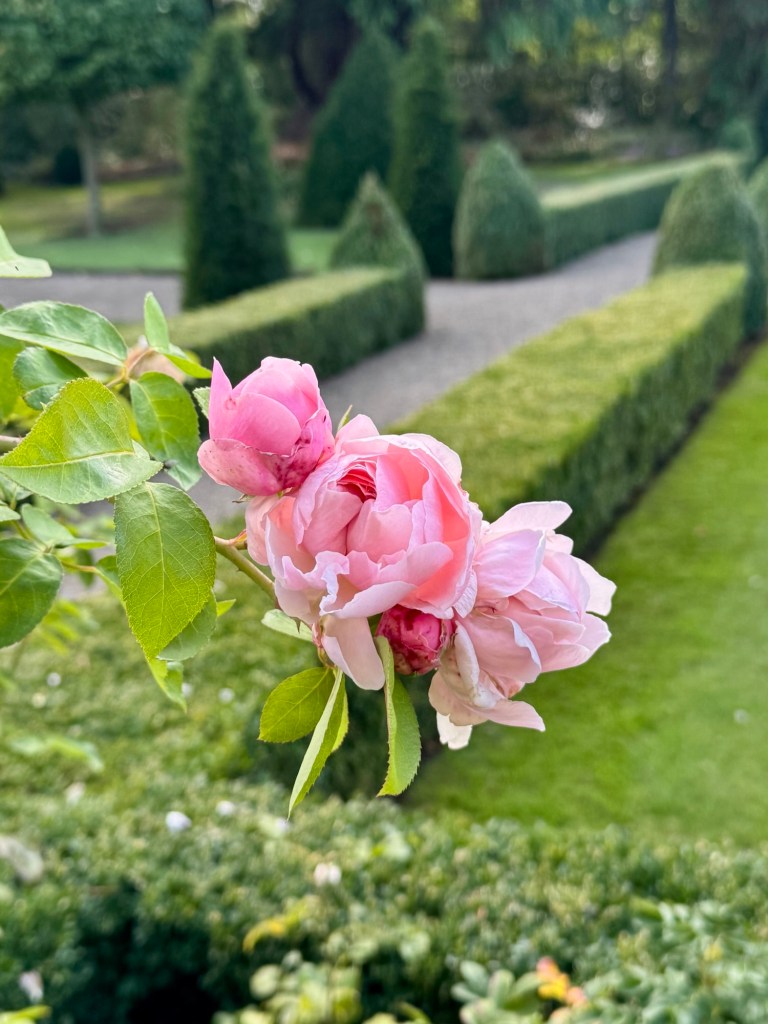
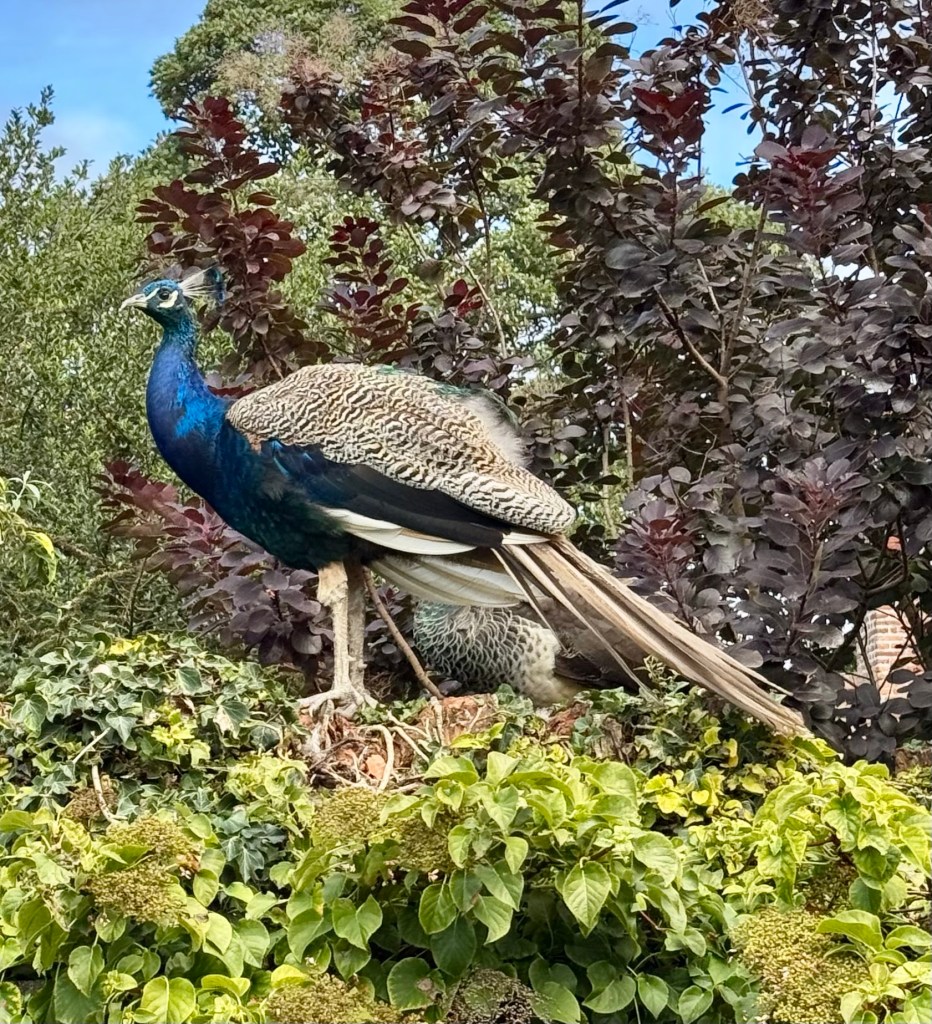
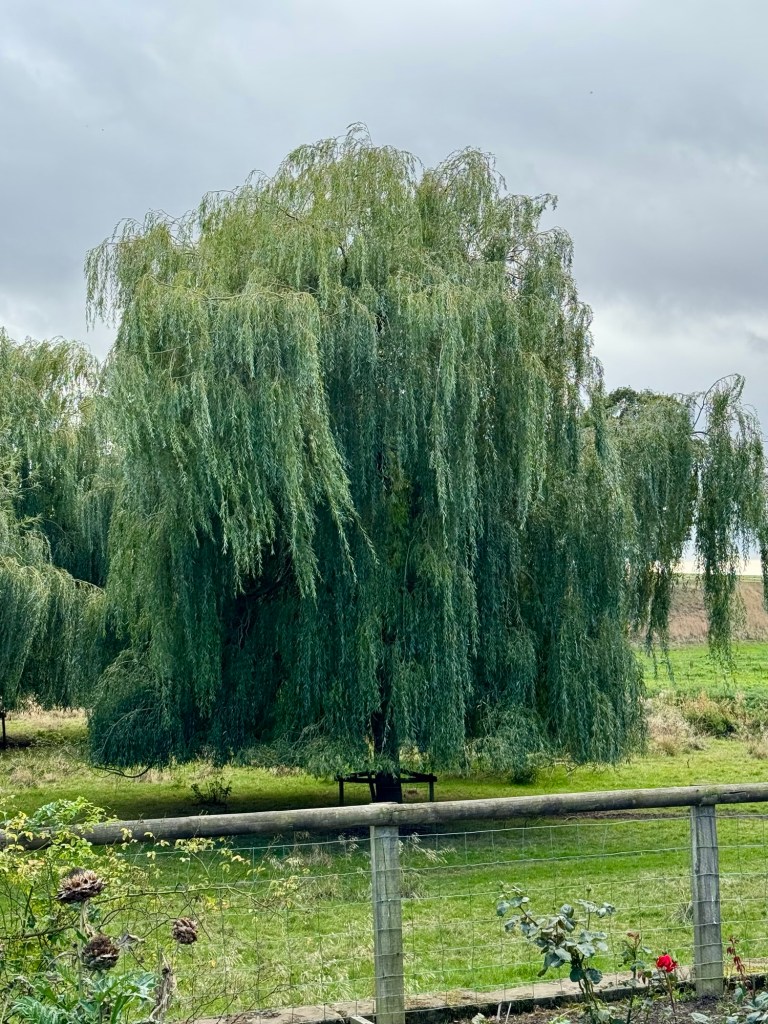
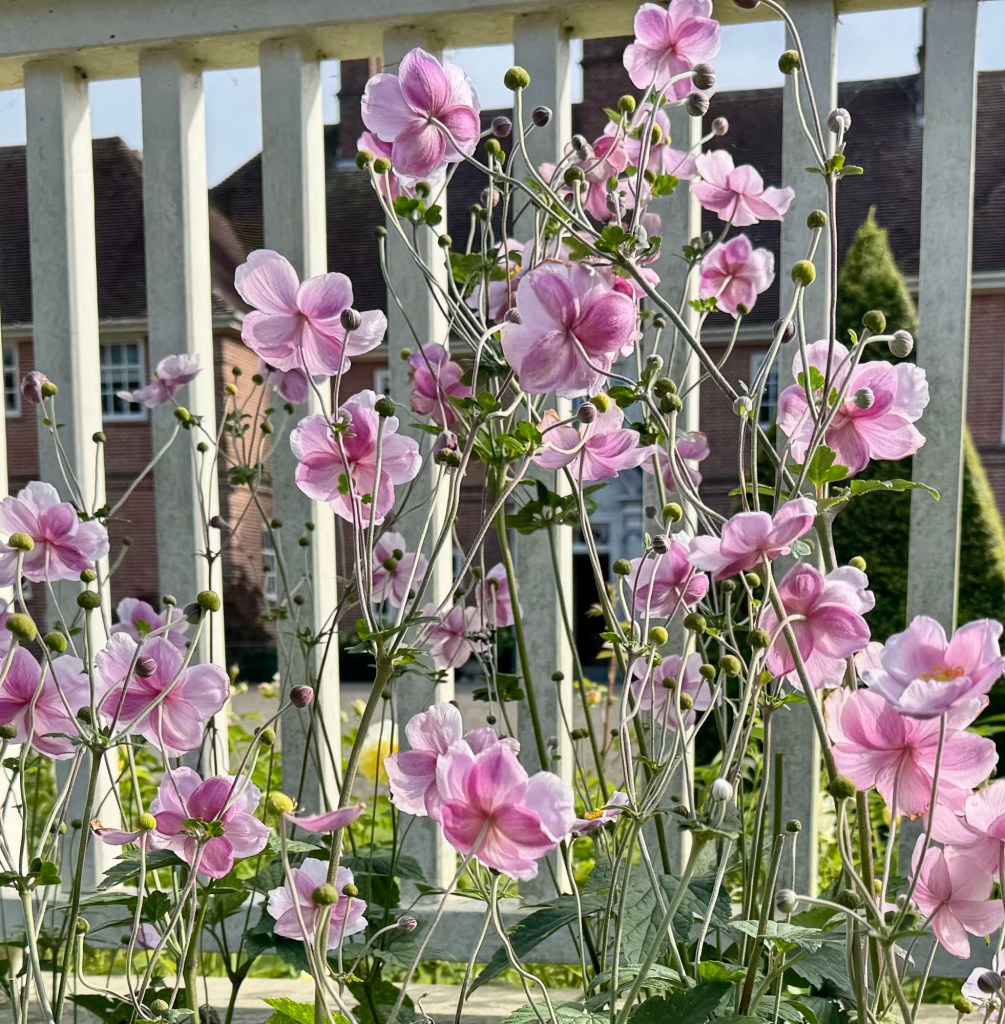
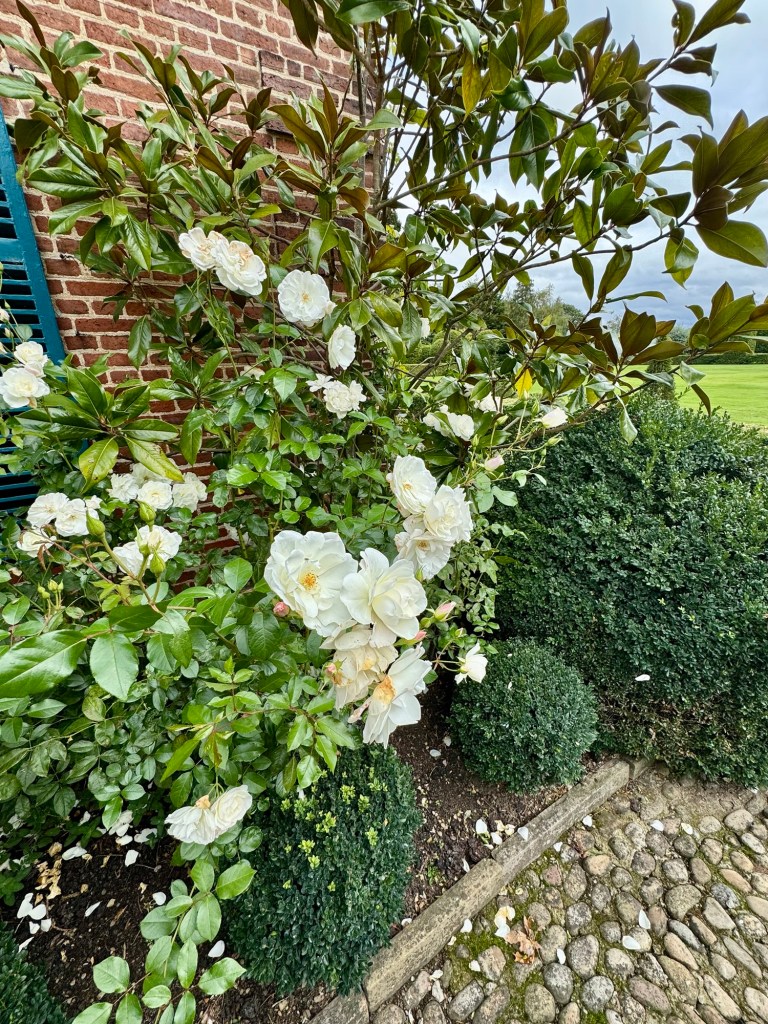
The gardens were formal with pathways and cut shrubs but there were some flowers and peacocks to liven it up.



On the return trip to the hotel Elizabeth Norton a guest historian on the tour talked about her research of Jane Seymour. Turns out she wasn’t just the sweet innocent good catholic that she is often portrayed as. Her book will be out next year and I am looking forward to reading it. Alison also talked about some new research on how Jane died which will be included in her new updated version of the six wives of Henry VIII.
Micheal talked about Richard of York and his relationship with his son Richard III. He also talked about his involvement with Philipa Langley in how Richard IIIs remains were treated after their discovery. I do hope to get a chance to talk to him more about that and her. He helped her write a book on the search for the body which I need to read.
We made it back to the hotel and had dinner on our own. Val and I walked to a pub by the Minster. Nothing spectacular but pretty good. I finished off the night with a local gin and am off to bed so that I can get an early start in the morning.

 Plan...Travel...Repeat
Sounds like an amazing start to the trip. Great photos!
LikeLike
Hi! Sounds like yall are having a great time! I just downloaded that book from Kindle “Criminal Conversations…Mrs Norton” Needing something to read and that sounds so interesting!
Deb
LikeLike